










Botox During Pregnancy: Is It Safe?
Botox is generally postponed during pregnancy because controlled human safety studies remain unavailable. Available reports have not identified a clear increase in major birth defects. However, those reports cannot prove safety or measure small risks reliably.

- Last updated
- 150 reads
- 4 min read


Botox is generally postponed during pregnancy because controlled human safety studies remain unavailable. Available reports have not identified a clear increase in major birth defects. However, those reports cannot prove safety or measure small risks reliably. Most documented exposures involved onabotulinumtoxinA before conception or during the first trimester. Recommended cosmetic doses are not detectable in peripheral blood with current testing. That finding does not confirm zero fetal exposure. Elective treatment should usually wait, while medically necessary treatment requires an individualized discussion with obstetric and prescribing clinicians.
Is Botox Safe During Pregnancy?
Cosmetic Botox is generally avoided during pregnancy because adequate controlled human safety data are unavailable.
This approach reflects uncertainty rather than evidence that every exposure causes harm. Published pregnancy reports remain reassuring, but their designs cannot exclude uncommon risks. Elective wrinkle treatment offers no urgent medical benefit, making delay the cautious choice. Therapeutic injections require a different calculation when migraine, spasticity, or dystonia causes substantial disability. In those cases, clinicians compare untreated disease risks with limited exposure evidence. Pregnancy does not create one universal decision for every Botox indication.
What Does FDA Labeling Say About Botox During Pregnancy?
FDA labeling does not establish BOTOX Cosmetic as safe during pregnancy. The label reports inadequate human data for assessing developmental risk. Animal studies found reduced fetal weight and delayed skeletal ossification at certain repeated doses. Those effects appeared alongside maternal toxicity, which complicates direct human interpretation. Some single-dose animal studies found no developmental effects under tested conditions.
Animal findings therefore identify uncertainty, not a precise human risk percentage. The label supports careful avoidance of elective exposure during pregnancy. It also does not define a proven safe trimester or waiting period.
What Did 29 Years of Botox Pregnancy Data Show?
A 29-year safety review did not identify a higher major-defect prevalence among prospective live births.
Researchers reviewed 913 reported pregnancies and retained 397 cases with known eligible outcomes. The prospective group included 195 pregnancies involving 197 fetuses. Among 152 live births, 148 had normal outcomes. Four had reported abnormalities, including one major defect. The major-defect prevalence was 0.7%, with a wide confidence interval. These results are reassuring, but they do not establish safety for all doses, indications, or trimesters. The review therefore supports cautious reassurance, not certainty.
Why Cannot These Data Prove Botox Is Risk-Free?
The 29-year database cannot prove Botox is risk-free because it lacked a randomized untreated comparison group.
Spontaneous safety reports can miss exposures, outcomes, doses, and medical confounders. Reporting may increase after unusual outcomes, creating additional bias. Furthermore, 94.6% of timed exposures occurred before conception or during the first trimester. Most known doses were below 200 units. Therefore, evidence remains thinner for later pregnancy, repeated treatment, and higher therapeutic doses. The study also analyzed outcomes retrospectively across diverse conditions. Its reassuring signal narrows uncertainty without eliminating it.
Can Botox Enter the Bloodstream or Cross the Placenta?
Direct human evidence does not confirm whether injected Botox crosses the placenta.
FDA labeling states recommended cosmetic doses are undetectable in peripheral blood using current analytical technology. That result supports limited measurable systemic exposure after botox injection. However, an undetectable level does not prove absolute absence. It also cannot establish fetal safety or exclude rare distant effects. Claims based only on the molecule’s size oversimplify placental biology. The most accurate conclusion remains cautious. Systemic exposure appears limited, while placental transfer has not been directly measured.
What Should You Do After Accidental Botox Exposure During Pregnancy?
Accidental Botox exposure does not automatically mean the pregnancy has been harmed.
Available human reports provide reassurance, but your clinician should document the exposure carefully.
-
Contact your obstetric clinician and injector, giving the exact date and pregnancy timing.
-
Provide the product name, treatment area, total units, and medical indication.
-
Report swallowing difficulty, generalized weakness, breathing problems, or spreading paralysis urgently.
-
Pause additional elective injections until specialists complete an individualized review.
-
Keep routine prenatal appointments unless your obstetric team recommends different monitoring.
-
Avoid assuming another toxin brand carries identical pregnancy evidence.
Are Cosmetic Botox and Migraine Botox Equally Studied?
Cosmetic and medical Botox exposures differ, so their pregnancy evidence should not be treated as identical.
Cosmetic injections usually involve smaller facial doses than many therapeutic protocols. Migraine treatment uses multiple head and neck sites at repeated intervals. A 2025 prospective single-center study followed 126 pregnant migraine patients receiving onabotulinumtoxinA. Ninety-seven continued treatment, and no fetal malformations were reported across the cohort. However, the study was small, observational, and vulnerable to treatment-selection differences. Botulinum toxin brands also use noninterchangeable units, preventing simple dose conversion between products.
When Might Medical Botox Be Considered During Pregnancy?
Medical Botox may be considered during pregnancy only when individualized benefits plausibly outweigh uncertain fetal risks.
That decision belongs with the prescribing specialist and obstetric clinician.
-
Define how severely the untreated condition affects health, function, hydration, sleep, or mobility.
-
Review safer or better-studied alternatives and previous treatment failures.
-
Use the specific product’s evidence rather than assuming every toxin behaves identically.
-
Consider dose, injection sites, treatment interval, trimester, and prior response.
-
Document informed consent, remaining uncertainties, and a follow-up plan.
-
Defer purely cosmetic injections until pregnancy ends.
References
-
FDA, BOTOX Cosmetic Prescribing Information:
https://www.accessdata.fda.gov/drugsatfda_docs/label/2024/103000s5316s5319s5323s5326s5331lbl.pdf -
Brin MF, et al., Pregnancy Outcomes in Patients Exposed to OnabotulinumtoxinA Treatment: A Cumulative 29-Year Safety Update:
https://pubmed.ncbi.nlm.nih.gov/37137724/ -
Full-text version of the 29-year pregnancy safety update:
https://pmc.ncbi.nlm.nih.gov/articles/PMC10351549/ -
Wong HT, et al., OnabotulinumtoxinA Treatment for Chronic Migraine in Pregnancy: A 14-Year Update:
https://journals.sagepub.com/doi/10.1177/03331024251327387 -
Brin MF, et al., Pregnancy Outcomes Following Exposure to OnabotulinumtoxinA:
https://pmc.ncbi.nlm.nih.gov/articles/PMC5063122/
- Last updated
- Language
- English
How did you find this article?
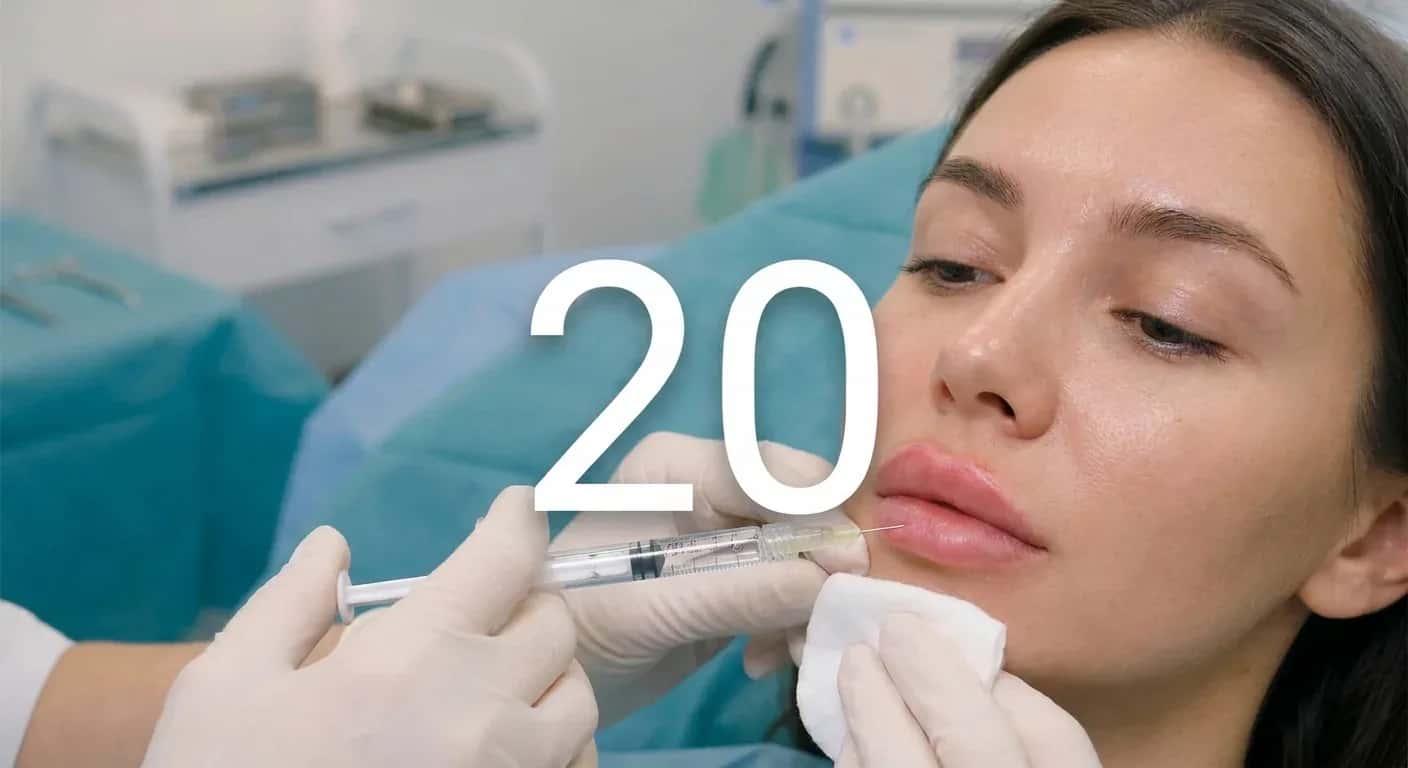
Many singers, actors, reality stars and influencers have talked openly about getting lip filler, and a growing number have also shared why they later had it dissolved. This guide looks at what 20 of these public figures said about their own lip treatments and what their experiences can teach anyone considering filler.

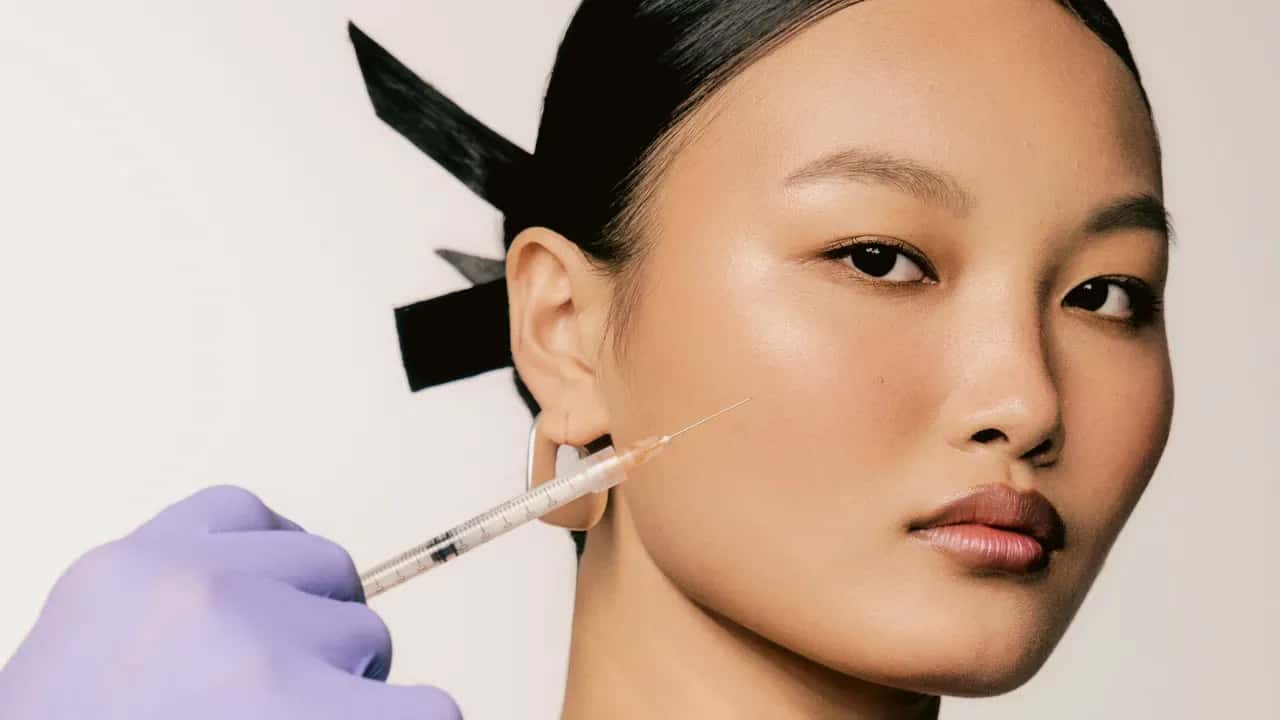
Filler fatigue describes the point where repeated dermal filler treatments leave a face looking heavier, puffier or less like itself, and it is pushing many people to rethink how they approach injectables. This guide explains what causes it, how to recognize an overfilled face.
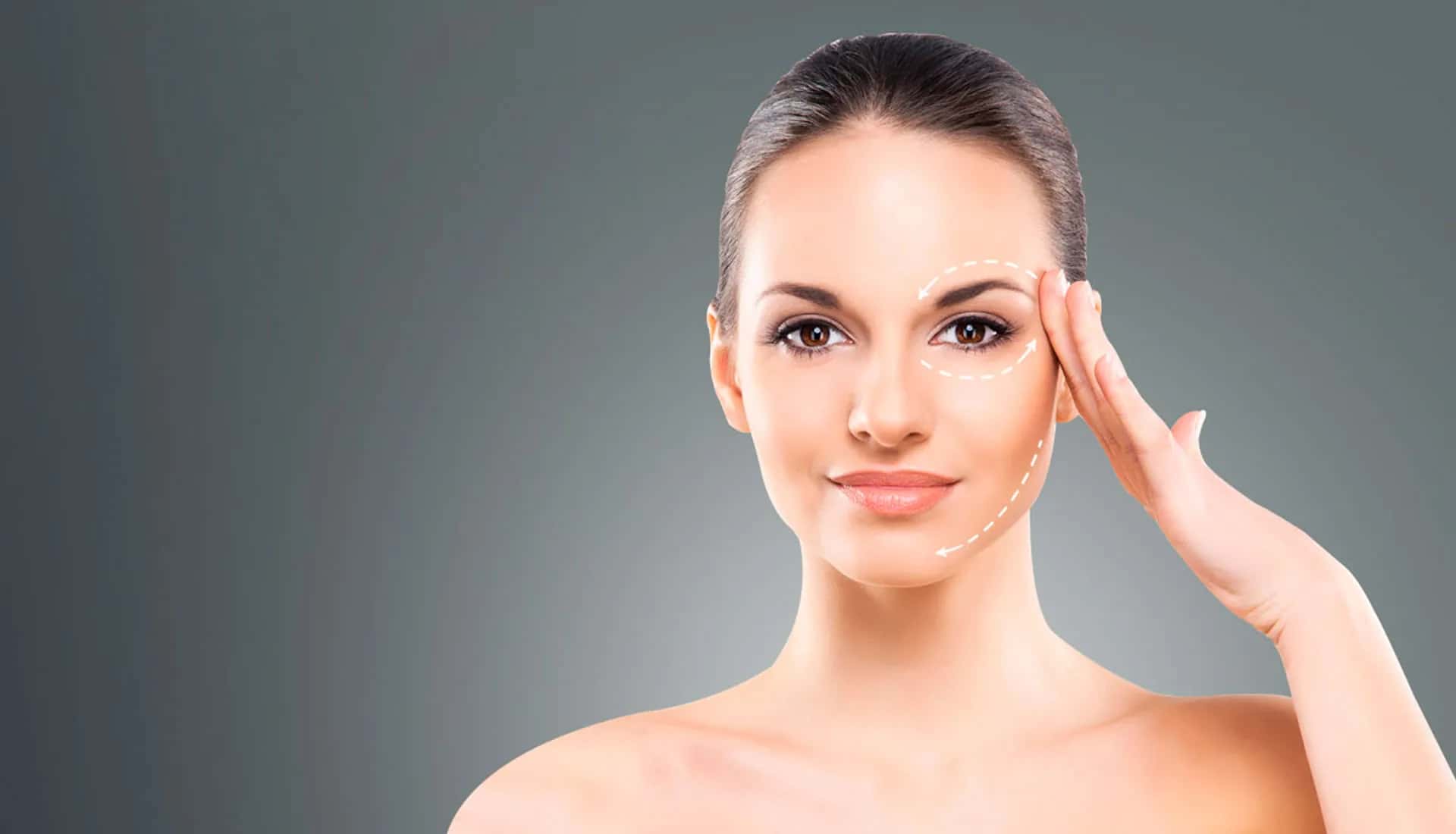
Overfilled faces develop when injectable treatments add more volume than the facial anatomy can accommodate naturally, altering contours, proportions and sometimes facial expression.
Subscribe to the Medifinder newsletter and never miss our latest content.