










Best Numbing Cream for Botox and Lip Dermal Fillers
A good numbing cream can make Botox and lip dermal filler appointments feel more comfortable, especially for people who are sensitive around the lips, mouth, or forehead. The best choice is usually not the strongest cream you can find online; it is the option your licensed injector approves.

- Last updated
- 169 reads
- 7 min read


What is the best numbing cream for Botox and lip dermal fillers?
The best numbing cream for Botox and lip dermal fillers is a topical anesthetic that is appropriate for intact skin, used exactly as directed, and approved by the professional performing your treatment. Many over-the-counter numbing creams contain lidocaine, and one commonly known example is L.M.X.4, which is labeled as a 4% lidocaine topical anesthetic cream.
That said, “best” depends on the procedure area. Botox injections are usually quick and use very fine needles, so some clients need little more than ice or vibration. Lip filler appointments can feel sharper because the lips are highly sensitive, so injectors may use topical numbing cream, dental blocks, ice, or fillers that contain lidocaine. Your provider’s protocol matters because they need to assess your skin, timing, comfort level, and safety risks before applying any product.
Why numbing needs are different for Botox and lip filler
Botox and dermal fillers both involve injections, but the experience is not the same. Botox is typically placed in small amounts into targeted facial muscles, often in areas such as the forehead, crow’s feet, or frown lines. The sensation is commonly brief: a pinch, pressure, or tiny sting.
Lip dermal fillers are different because the lips have dense nerve endings and delicate tissue. Even with a skilled injector, the upper lip border, Cupid’s bow, and inner lip can feel more sensitive than many Botox areas. This is why a patient who tolerates Botox easily may still ask for numbing before lip filler.
A topical numbing cream for Botox may be used mainly to take the edge off needle discomfort. For lips, numbing is often part of a broader comfort plan that may also include slow injection technique, pauses, cold packs, or products formulated with anesthetic inside the filler.
The qualities that matter most in a numbing cream
Choosing a botox numbing cream is not about chasing the highest percentage on the package. Stronger is not automatically better, and unsafe use can increase the risk of side effects. The FDA has warned consumers not to use certain over-the-counter pain relief products marketed for cosmetic procedures when they contain high concentrations of lidocaine or are used in ways that increase absorption, because serious effects can occur.
Look for these practical qualities instead:
- A clear active ingredient The label should plainly state the anesthetic ingredient and concentration. Lidocaine is common, but your injector should know exactly what you plan to use.
- An appropriate strength The FDA advises consumers not to use OTC topical pain relief products with more than 4% lidocaine on the skin. This makes ultra-high-strength online creams a red flag rather than a shortcut.
- Use on intact skin only Numbing products may absorb more through irritated, broken, freshly treated, or inflamed skin. That matters for cosmetic injections because too much absorption can create safety concerns.
- Professional approval Your injector may prefer a specific cream, may apply it in office, or may ask you not to pre-numb at home so they can evaluate your skin accurately.
- Reliable packaging and sourcing Avoid mystery creams, unrealistic claims, and products with unclear manufacturers. If a product promises extreme numbness for every cosmetic procedure, be cautious.
How does topical numbing cream for Botox work?
Topical numbing cream for Botox works by temporarily reducing sensation in the upper layers of the skin where the needle enters. Lidocaine, for example, is a local anesthetic used topically to reduce pain or itching for labeled uses, and L.M.X.4 lists lidocaine 4% as its active ingredient.
For Botox, the cream does not numb the muscle itself in a deep way. Instead, it helps dull the surface sting of the injection. This can be enough for people who feel nervous about needles or who have a low pain threshold.
Timing is important. If the cream is removed too early, it may not help much. If it is left on too long or used too heavily, especially without professional guidance, it can raise safety concerns. Follow the product label and your provider’s instructions rather than copying advice from social media.
Safety should guide every choice
Numbing creams are easy to buy, which can make them seem harmless. They are still drug products, and the way they are used matters. The FDA has warned that high-concentration lidocaine products can be risky when applied before or during cosmetic procedures, especially if applied over large areas, left on for prolonged periods, used on irritated skin, or covered in ways that increase absorption.
Before your appointment, tell your injector if you have heart rhythm issues, liver disease, allergies to local anesthetics, pregnancy-related concerns, sensitive skin, or a history of reactions to numbing products. Also mention any medications or supplements that affect bleeding or bruising. Your injector is not just trying to reduce pain; they are also trying to keep swelling, bruising, irritation, and complications as low as possible.
A simple pre-appointment checklist
Use this checklist before applying any numbing cream for Botox or lip filler:
- Ask your injector whether you should use numbing cream at home or wait for in-office application.
- Share the product name, active ingredient, and strength before your appointment.
- Avoid products that advertise extremely high lidocaine percentages.
- Do not apply numbing cream to broken, sunburned, freshly exfoliated, or irritated skin.
- Do not cover the area with plastic wrap unless your provider or the product label specifically instructs you to do so.
- Keep cream away from the eyes, inside the mouth, and any mucous membranes unless a clinician gives specific instructions.
- Remove the product fully before injections if your provider asks you to.
- Stop use and seek guidance if you notice unusual redness, swelling, itching, dizziness, or other concerning symptoms.
Botox numbing cream is only one comfort tool
A good injector has more than one way to make treatment comfortable. For Botox, the appointment is often fast, so some providers skip numbing cream because application time can take longer than the injections themselves. Other providers offer it for anxious or sensitive clients.
Common comfort options include:
- Ice packs: Cold can temporarily reduce sensation and may help some people feel calmer before injections.
- Vibration devices: Gentle vibration near the injection site can distract the nerves from the needle sensation.
- Smaller needles and careful technique: Injector skill, placement, speed, and communication all influence comfort.
- Topical anesthetic: A properly used topical product can reduce surface-level discomfort.
- Planned pauses: Short breaks can help if you feel tense, lightheaded, or overwhelmed.
For lip filler, comfort planning may be more involved. Some injectors use topical cream first, then continue with slow, controlled injections. Others may offer a dental block when appropriate. The right approach depends on your anatomy, treatment plan, tolerance, and the provider’s clinical judgment.
What should you avoid before cosmetic injections?
Before Botox or lip filler, avoid experimenting with a new numbing cream at the last minute. A product you have never used before can irritate your skin, and irritation may interfere with your provider’s ability to assess the area. If you are prone to allergies or sensitivity, ask whether a patch test or in-office application is safer.
You should also avoid applying thick layers over a large area. More cream does not always mean better numbness, and it can increase absorption. Be especially cautious with creams marketed for tattoos, waxing, laser treatments, or “maximum strength” cosmetic pain control, since some products have drawn regulatory concern for high anesthetic concentrations or unapproved claims.
Finally, do not assume that numbing cream prevents all discomfort. You may still feel pressure, movement, or a quick pinch. The goal is not to make the procedure completely sensation-free; it is to make the experience manageable while preserving safety and treatment quality.
How to talk to your injector about numbing
The best results usually come from a clear conversation before treatment day. Tell your injector what you are worried about: needle pain, lip sensitivity, past fainting, anxiety, or a previous bad experience. This helps them choose the right comfort strategy instead of guessing.
Helpful questions include:
- “Do you recommend numbing cream for Botox in my treatment areas?”
- “What numbing product do you use for lip filler?”
- “Should I apply anything before I arrive, or will you apply it in office?”
- “How long will the numbing step add to the appointment?”
- “Are there ingredients or strengths I should avoid?”
- “What should I do if my skin reacts?”
These questions also help you evaluate the provider. A qualified injector should be comfortable discussing pain control, product safety, aftercare, and realistic expectations without dismissing your concerns.
A practical way to choose the best option
If you are searching for the Best Numbing Cream for Botox and Lip Dermal Fillers, start with safety and provider guidance, then consider comfort. A reasonable choice is usually a recognizable topical anesthetic with transparent labeling, an appropriate lidocaine concentration, and directions that match professional use. L.M.X.4 is one example of a named lidocaine 4% cream, but your injector may use a different product or prefer another method entirely.
For Botox, numbing may be optional because the injections are brief. For lip filler, it may be more valuable because the area is naturally sensitive. In both cases, avoid high-strength creams that promise dramatic results, and never use a product in a way that conflicts with its label or your provider’s instructions.
The bottom line
The best numbing cream is the one that supports a safer, calmer appointment without creating unnecessary risk. For many people, that means a properly labeled lidocaine cream, applied under professional guidance, rather than the strongest product available online.
If you are planning Botox or lip dermal fillers, ask your injector about numbing before your visit. A short conversation can help you choose the right botox numbing cream, understand whether numbing cream for Botox is even necessary, and make your treatment feel more comfortable from start to finish.
Sources:
- https://dailymed.nlm.nih.gov/dailymed/drugInfo.cfm?audience=consumer&setid=f0e7c92f-8b0b-4045-b659-af9f6e81260f
- https://www.fda.gov/news-events/press-announcements/fda-warns-consumers-avoid-certain-topical-pain-relief-products-due-potential-dangerous-health
- Last updated
- Language
- English
How did you find this article?
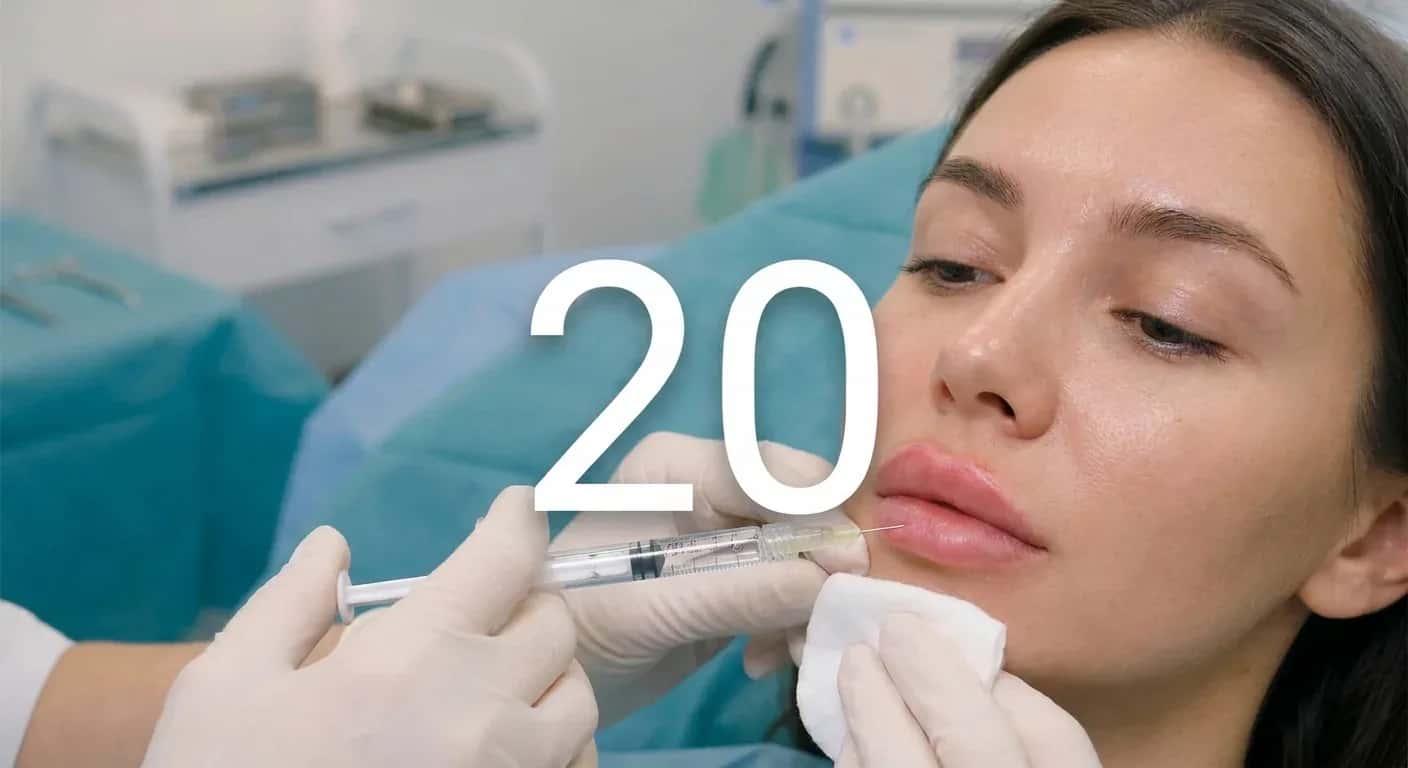
Many singers, actors, reality stars and influencers have talked openly about getting lip filler, and a growing number have also shared why they later had it dissolved. This guide looks at what 20 of these public figures said about their own lip treatments and what their experiences can teach anyone considering filler.

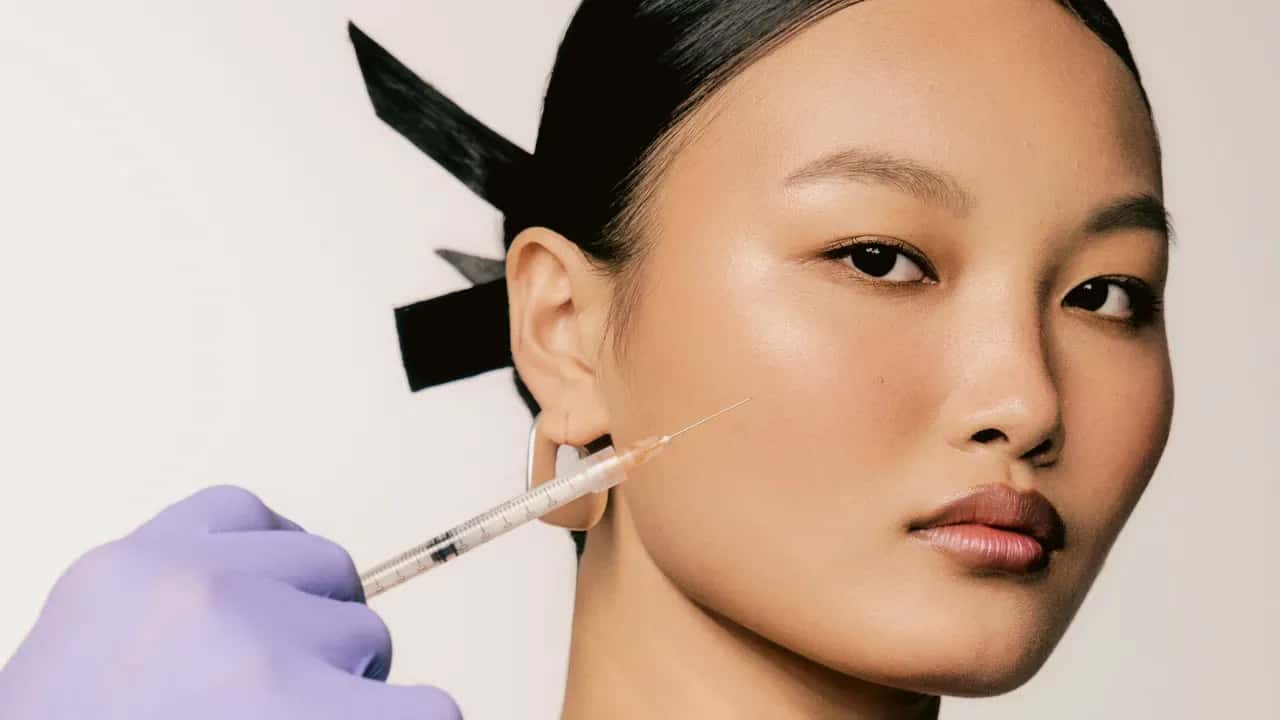
Filler fatigue describes the point where repeated dermal filler treatments leave a face looking heavier, puffier or less like itself, and it is pushing many people to rethink how they approach injectables. This guide explains what causes it, how to recognize an overfilled face.
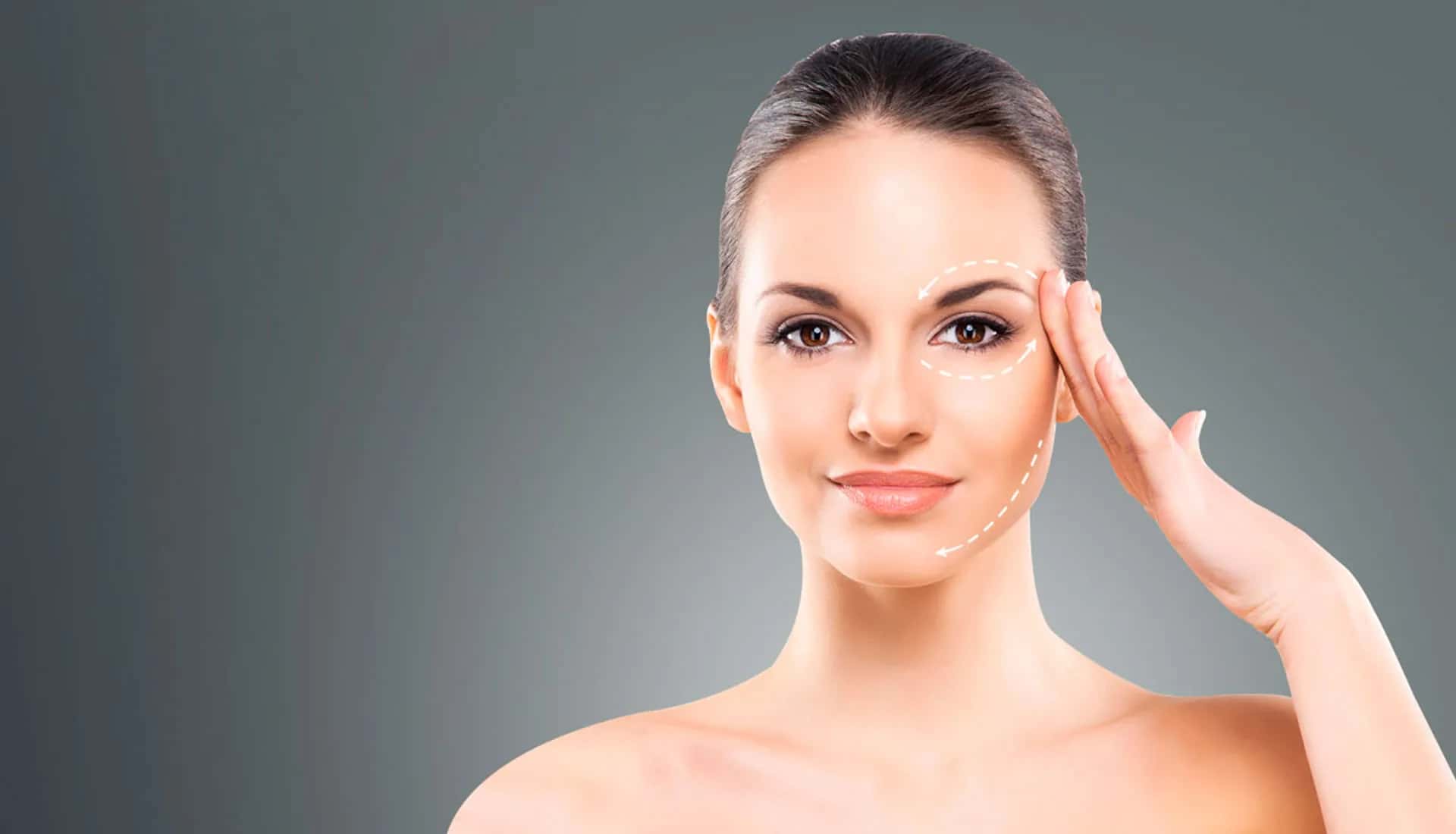
Overfilled faces develop when injectable treatments add more volume than the facial anatomy can accommodate naturally, altering contours, proportions and sometimes facial expression.
Subscribe to the Medifinder newsletter and never miss our latest content.