










Necrosis Risk in Non Surgical Nose Jobs (Liquid Rhinoplasty)
A liquid rhinoplasty can be an appealing option for people who want subtle nose contouring without surgery, but it is still a medical procedure with real risks. The most serious concern is vascular compromise, where filler affects blood flow and can lead to skin injury, necrosis, vision-related complication.

- Last updated
- 59 reads
- 7 min read


What is necrosis risk in a liquid nose job?
Necrosis risk in a liquid nose job is the risk that skin or nearby tissue can be damaged when blood supply is interrupted after filler is injected. This may happen if filler accidentally enters a blood vessel or compresses a vessel enough to reduce circulation. The FDA identifies unintended injection into a blood vessel as one of the most concerning dermal filler risks, with possible outcomes including necrosis, vision abnormalities, blindness, or stroke.
In simple terms, tissue needs oxygen-rich blood to stay healthy. If circulation is blocked, the skin may become pale, painful, mottled, dusky, or develop blistering and breakdown. Necrosis is uncommon, but because the nose has a dense and complex blood supply, complications can be serious when they occur. Reviews of nonsurgical rhinoplasty describe vascular compromise, skin ischemia, necrosis, vision loss, and stroke as major complications, especially when filler is used in nasal areas.
That does not mean every treatment is unsafe. It means non-surgical nose jobs should never be treated like a casual beauty service. A careful consultation, anatomical knowledge, appropriate product choice, conservative technique, and a clear emergency plan all matter.
Why the nose is a higher-risk area
The nose is not just a surface feature that can be “filled” into a new shape. It contains small vessels that connect with other facial and eye-area circulation pathways, which is why filler complications in this region receive so much attention. Literature on filler-associated blindness notes that the glabella and inner canthal nose region contain highly concentrated vascular connections, making the area particularly sensitive from a safety perspective.
During nose contouring, filler is often placed to smooth a dorsal hump, lift the appearance of the bridge, refine asymmetry, or support the tip visually. These changes can look subtle and elegant when done well, but the margin for error can be narrow. A small amount of filler in the wrong plane or under too much pressure may create a disproportionate problem.
Previous nasal surgery or trauma can also make anatomy less predictable. Scar tissue and altered blood supply may change how filler behaves and how vessels are positioned. For that reason, a person who has had surgical rhinoplasty may need an even more cautious assessment before considering a liquid nose job.
How vascular compromise can happen
Vascular compromise is the underlying pathway behind many necrosis concerns. It does not always look dramatic at first, which is why both the injector and patient need to know what warning signs require immediate attention.
Possible mechanisms include:
- Intravascular injection: Filler enters a vessel and blocks blood flow.
- External compression: Filler placed near a vessel presses on it and reduces circulation.
- Excess volume in a tight area: Too much product can increase pressure in delicate tissue.
- Altered anatomy: Prior surgery, trauma, or scarring can make vessel pathways harder to predict.
- Delayed recognition: Early signs may worsen if they are mistaken for normal swelling or bruising.
The American Society for Dermatologic Surgery task force has described accidental filler injection into facial arteries as a cause of embolization and vascular occlusion, which may lead to tissue ischemia, necrosis, visual abnormalities, blindness, and stroke. This is why risk reduction is not just about the needle or cannula; it is about the injector’s training, product handling, recognition skills, and readiness to manage complications.
Warning signs should be taken seriously
Some redness, tenderness, swelling, or bruising can happen after dermal filler. The concern is when symptoms feel unusual, progress quickly, or follow a pattern that suggests reduced blood flow rather than ordinary post-treatment irritation.
Contact the treating clinician urgently, or seek emergency care if you experience:
- Severe, increasing, or disproportionate pain
- Skin that looks pale, gray, dusky, purple, or mottled
- Blanching that does not resolve
- Blistering, skin breakdown, or darkening patches
- Coolness in the treated area compared with surrounding skin
- Sudden vision changes, eye pain, drooping, headache, weakness, confusion, or speech difficulty
Vision symptoms are especially urgent. Filler-related vision loss is rare, but it is one of the most feared complications because it can be devastating and time-sensitive. Consensus guidance on hyaluronic acid filler complications emphasizes that when signs of visual compromise or pending tissue necrosis appear, the practitioner must be able to dissolve the material or take other immediate remedial measures.
Do not massage aggressively, apply extreme heat, or wait days to “see if it settles” unless your clinician specifically instructs you to do so. Quick evaluation can make a meaningful difference, especially when hyaluronic acid filler is involved because it can often be treated with hyaluronidase by an appropriately trained medical professional.
Choosing a provider is part of risk reduction
A polished social media gallery is not the same as medical readiness. When considering non-surgical nose jobs, the best consultation should include a frank discussion of benefits, limits, risks, and what happens if something goes wrong. You should feel able to ask direct questions without being rushed or brushed off.
Use this checklist before booking:
- Ask who will perform the treatment. Confirm their medical qualifications, training in facial anatomy, and experience with nasal filler specifically.
- Discuss the product. Hyaluronic acid fillers are commonly used because they can be dissolved, but no filler is risk-free.
- Ask about emergency supplies. The clinic should have a protocol for vascular occlusion and access to hyaluronidase when using HA filler.
- Review your history. Mention prior rhinoplasty, nasal trauma, autoimmune conditions, clotting issues, medications, and previous filler.
- Avoid bargain-led decisions. Low price should not outweigh safety, sterile technique, or medical expertise.
- Confirm follow-up access. Know exactly who to contact after hours if pain, discoloration, or vision symptoms develop.
It is also reasonable to ask whether the provider will decline treatment if your anatomy, goals, or history make the risk too high. A cautious “no” can be a sign of good judgment, not poor service.
A safer mindset for nose contouring
The safest aesthetic plan is often the most conservative one. Liquid rhinoplasty is best suited for selected concerns, such as smoothing small irregularities or creating the appearance of a straighter bridge. It cannot truly make a large nose smaller, remove tissue, narrow bone, or correct significant breathing issues the way surgery may.
A thoughtful provider may recommend small volumes, staged treatment, or no treatment at all. That can feel less exciting than a dramatic before-and-after promise, but it respects the anatomy of the nose. In filler work, especially nasal filler, precision and restraint are protective.
Patients can also reduce avoidable risk by following pre- and post-care instructions. This may include avoiding certain blood-thinning medications or supplements when medically appropriate, postponing treatment during active skin infection, and attending follow-up if requested. Never stop prescribed medication without guidance from your own healthcare professional.
What should you ask before treatment?
Before treatment, ask questions that reveal whether the provider understands both aesthetics and complications. A good injector should be able to explain why you are or are not a candidate, where product may be placed, what outcome is realistic, and how they would respond to suspected vascular compromise.
Helpful questions include:
- Am I a good candidate for a liquid nose job, or would surgery be more appropriate?
- How does my prior filler, trauma, or rhinoplasty history affect risk?
- What type of filler would you use, and why?
- What are the signs of vascular occlusion or necrosis I should watch for?
- Do you keep hyaluronidase available if using hyaluronic acid filler?
- Who do I contact if symptoms appear after the clinic closes?
- What results should I not expect from this treatment?
The answers should be specific enough to build confidence but honest enough to acknowledge uncertainty. If a provider says there is “no risk,” that is a red flag. Every injectable procedure carries some risk, and the nose deserves special respect.
Balancing benefits with realistic risk
For the right candidate, a non-surgical nose job can offer visible refinement without incisions, general anesthesia, or surgical recovery. It can be useful for select contour concerns and may help someone preview certain shape changes before committing to surgery. However, convenience should not be confused with simplicity.
The decision comes down to proportionality: are your goals realistic, is the provider qualified, and is the plan conservative enough for the anatomy involved? If you feel pressured, uncertain, or underinformed, pause. A safer outcome often begins with taking more time before the appointment, not trying to fix a problem after it happens.
The key takeaway
Necrosis after liquid rhinoplasty is rare, but it is serious enough that every patient should understand it before treatment. The nose is a high-stakes area for filler because of its vascular anatomy and its connections with surrounding facial and eye circulation. Choose a properly trained medical injector, ask about emergency protocols, learn the warning signs, and seek urgent help for severe pain, skin color changes, or any vision symptoms.
A liquid nose job can be a valuable option for subtle nose contouring, but only when safety leads the plan. Beautiful results matter; protecting healthy tissue matters more.
Sources:
- https://pmc.ncbi.nlm.nih.gov/articles/PMC10541163/
- https://academic.oup.com/asj/article/44/10/1091/7649223
- https://www.asds.net/Portals/0/PDF/asdsa/Preventing%20and%20Treating%20Adverse%20Events%20of%20Injectable%20Fillers%20Evidence-Based%20Recs%20From%20ASDS%20Task%20Force%20Article.pdf
- Last updated
- Language
- English
How did you find this article?
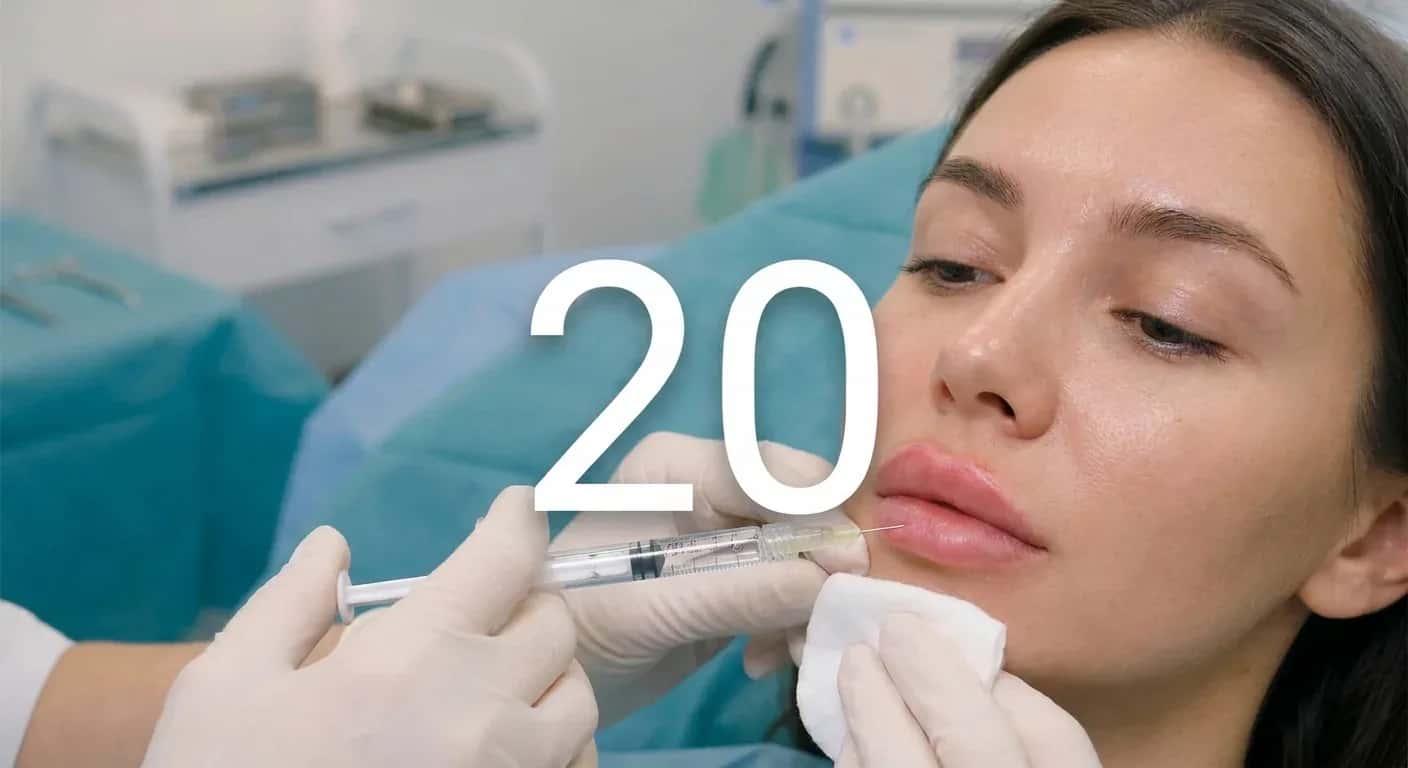
Many singers, actors, reality stars and influencers have talked openly about getting lip filler, and a growing number have also shared why they later had it dissolved. This guide looks at what 20 of these public figures said about their own lip treatments and what their experiences can teach anyone considering filler.


Filler fatigue describes the point where repeated dermal filler treatments leave a face looking heavier, puffier or less like itself, and it is pushing many people to rethink how they approach injectables. This guide explains what causes it, how to recognize an overfilled face.

Overfilled faces develop when injectable treatments add more volume than the facial anatomy can accommodate naturally, altering contours, proportions and sometimes facial expression.
Subscribe to the Medifinder newsletter and never miss our latest content.