










Best Way To Sleep With Neck Pain
Discover effective sleep positions and pillow placements to manage neck discomfort. Learn how to maintain proper spinal alignment for a restful night.

- Last updated
- 106 reads
- 11 min read


Neck pain can turn bedtime into the most frustrating part of the day. A sore neck may feel manageable while moving around, then become sharper once the head meets the pillow. The best way to sleep with neck pain is not about finding one magical position that works for everyone. It is about keeping the neck supported, reducing awkward twisting, and helping the spine rest in a more neutral line through the night. Sleep position, pillow height, mattress firmness, evening habits, and daytime posture all play a role. When these details work together, the neck has a better chance to relax instead of fighting against the bed for hours.
Why Neck Pain Often Feels Worse At Night?
Neck pain at night usually has a simple pattern. During the day, movement keeps the joints and muscles from staying in one position too long. At night, the body rests for several hours, and any poor alignment can become more noticeable. A pillow that is too high may push the head forward. A pillow that is too flat may let the head drop backward or sideways. Either way, the neck muscles have to work when they should be resting.
There is also the quiet factor. At bedtime, distractions disappear. The body becomes more aware of stiffness, throbbing, or tightness that was easier to ignore earlier. Stress can add another layer. Many people carry tension in the shoulders and upper neck without realizing it. By the time they lie down, the area is already irritated.
Most sleep related neck pain comes from posture, pillow support, muscle strain, or stiffness. Still, pain that is severe, spreading, or linked with numbness, weakness, fever, injury, or loss of control over bladder or bowel function should be taken seriously and assessed promptly.
The Best Sleeping Position For Neck Pain
For most people, the best sleeping positions for neck pain are sleeping on the back or sleeping on the side. These positions make it easier to keep the head, neck, and upper back in a more natural line. The goal is not to force the body into a stiff posture. The goal is to avoid bending the neck too far in any direction for several hours.
Back sleeping works well when the pillow supports the natural curve of the neck without lifting the head too much. The chin should not be pushed toward the chest. The face should point upward comfortably. Some people feel better with a small rounded support under the neck and a flatter area under the head.
Side sleeping can also be comfortable for neck pain, especially when the pillow fills the space between the ear and shoulder. The head should not tilt down toward the mattress or angle upward toward the ceiling. When the pillow height is right, the nose, chin, breastbone, and spine feel more lined up.
Stomach sleeping is usually the hardest position on the neck. It often forces the head to turn to one side for hours. This can strain joints, muscles, and nerves, especially when the pillow is thick. People who cannot avoid stomach sleeping may feel less strain with a very thin pillow or no pillow under the head, but shifting toward side sleeping is often kinder to the neck.
How To Sleep On The Back With Neck Pain?
Back sleeping is often a good choice when the neck feels stiff, tired, or compressed. The trick is to support the curve, not flatten it completely. A medium height pillow usually works better than a tall, bulky one. The pillow should cradle the head while giving the neck a gentle base.
A small towel roll can be placed under the neck if the pillow does not offer enough support. It should feel comfortable, not like a hard bar pressing into the skin. The neck should feel held, not forced. If the throat feels compressed or the chin tips down, the pillow is probably too high.
Some people also benefit from placing a pillow under the knees. This may sound unrelated to neck pain, but it can reduce lower back tension and help the whole spine settle. When the body feels balanced, the shoulders and neck often relax more easily.
Back sleeping is not ideal for everyone. People who snore heavily or have breathing related sleep issues may need individualized guidance. Comfort and safety should come before any general sleep rule.
How To Sleep On The Side With Neck Pain?
Side sleeping is the most natural position for many adults, but it can create neck pain when the pillow height is wrong. The pillow needs to fill the shoulder gap. Broad shoulders usually need more height. Narrower shoulders usually need less. A pillow that collapses too much can let the head drop, while an overly firm and tall pillow can push the neck upward.
The shoulders should not rest on top of the pillow. The pillow belongs under the head and neck, while the shoulder stays on the mattress. This small detail can make a surprising difference. When the shoulder crowds the pillow, the neck often bends and the upper back tightens.
A pillow between the knees can help keep the hips and spine from rotating. When the pelvis twists, the upper back may follow, and the neck can end up compensating. Side sleepers may also prefer hugging a pillow in front of the chest. This can keep the top shoulder from falling forward and pulling on the neck.
Switching sides during the night is normal. Pain often becomes worse when the same side carries pressure for too long. A supportive pillow setup should allow gentle movement without losing alignment.
Choosing The Right Pillow For Neck Pain
A good pillow for neck pain is not always the most expensive one. It is the one that matches sleep position, shoulder width, mattress feel, and personal comfort. Research on pillow height suggests that proper support can help reduce stress on the cervical spine and allow neck and shoulder muscles to relax more effectively.
For back sleepers, a medium loft pillow with gentle neck support is often useful. For side sleepers, a slightly higher pillow may be needed to keep the head level. For stomach sleepers, a very low pillow may reduce twisting, although this position is still usually less friendly for neck pain.
Material matters, but not in a one size fits all way. Memory foam can feel stable. Latex may offer springy support. Adjustable fill pillows allow height changes. Feather or down pillows can be comfortable but may flatten during the night. The right choice should keep the neck neutral without creating pressure points.
A pillow that once worked may stop working over time. Fill compresses. Foam softens. Sleeping habits change. If neck pain is worse in the morning and improves during the day, the pillow deserves a closer look.
Mattress Firmness And Neck Support
The mattress affects neck position more than many people realize. If the mattress is too soft, the body may sink while the head stays lifted. If it is too firm, the shoulders may not settle enough during side sleeping. Both situations can disturb alignment.
A supportive mattress should let the spine rest without creating a hammock shape. Side sleepers often need enough cushioning for the shoulders. Back sleepers usually need steady support through the upper back and hips. The pillow and mattress should work as a pair. A pillow that feels perfect on one mattress may feel wrong on another.
People do not always need a new mattress. Sometimes small changes help. A mattress topper can soften pressure around the shoulders. A firmer base can reduce sagging. Rotating the mattress may even help if one side has worn down unevenly.
Evening Habits That Can Reduce Neck Pain
The way the neck feels at bedtime often begins hours earlier. Long periods looking down at a phone, working at a laptop, driving, or sitting with rounded shoulders can irritate the neck before sleep even begins. A better sleep position helps, but it cannot fully undo a day of strain.
Gentle movement in the evening may help the neck settle. Slow shoulder rolls, easy chin tucks, and relaxed side bends can reduce stiffness. These movements should not be aggressive. Sharp pain is a sign to stop. Heat may also help some people when the neck feels tight and muscular.
Screen habits matter too. Holding a phone low in bed is a common trigger. The neck bends forward, the shoulders curl inward, and the pillow becomes useless. Keeping devices closer to eye level or reducing scrolling before sleep can lower strain.
Hydration, stress, and sleep quality also play a part. Poor sleep can make pain feel stronger, and pain can make sleep worse. Good sleep quality is important for general health and emotional wellbeing, which can influence how the body handles discomfort.
What To Avoid When Sleeping With Neck Pain?
Several common habits can keep neck pain going. Sleeping with two thick pillows is one of them. It may feel cozy at first, but it often pushes the head forward. Another issue is using a pillow that is too soft to hold shape. The head may sink, leaving the neck unsupported.
Sleeping on the stomach with the head turned sharply is another frequent problem. This position may not cause pain immediately, but it can irritate the neck over time. Falling asleep on a couch or in a chair can also leave the head tilted for hours.
People sometimes try to stretch the neck forcefully before bed. That can backfire. A painful neck usually prefers calm, controlled movement. Strong twisting, cracking, or pulling may increase irritation.
It is also worth avoiding sudden pillow changes every night. The body may need a few nights to adjust. If a new pillow causes clear pain, it is not the right match. But mild adjustment discomfort can happen when changing long term sleep habits.
When Neck Pain Needs Medical Attention?
Most mild neck pain improves with better support, gentle movement, and time. However, some signs should not be ignored. Severe pain after a fall, accident, or direct injury needs urgent assessment. Pain that spreads into the arm or leg, especially with numbness, weakness, or tingling, may suggest nerve involvement. Fever, severe headache, neck stiffness, or loss of bladder or bowel control are also warning signs.
Neck pain that does not improve after several days, keeps returning, or disrupts sleep regularly should also be checked. Persistent pain can come from muscle strain, joint irritation, disc problems, nerve compression, stress, posture, or other causes. Guessing is not always helpful.
The safest approach is to treat sleep posture as one part of care. A better pillow may help, but it is not a full answer for every type of neck pain.
Small Changes That Make Sleep More Comfortable
A comfortable night often comes from small adjustments rather than one dramatic fix. The head should feel balanced. The shoulders should feel relaxed. The jaw should not clench. The pillow should support the neck without forcing it.
People who wake up stiff can try checking their position before sleep. Is the chin tucked too far? Is one shoulder curled forward? Is the pillow under the neck or only under the skull? Is the mattress letting the body sink unevenly? These quiet checks take seconds, but they can change the whole night.
Morning stiffness can also reveal clues. Pain on one side may point to side sleeping with poor pillow height. Pain at the base of the skull may come from too much extension or not enough support. Shoulder and neck pain together may suggest the pillow is not filling the side sleeping gap.
The best way to sleep with neck pain is usually the position that keeps the neck neutral and allows the body to relax. For many people, that means back or side sleeping with a pillow that matches the body, not just the bed.
Frequently Asked Questions
What Is The Best Way To Sleep With Neck Pain?
The best way to sleep with neck pain is usually on the back or side with the head and neck supported in a neutral position. The pillow should keep the neck aligned with the rest of the spine, not bent upward, downward, or twisted to one side.
Is It Better To Sleep Without A Pillow For Neck Pain?
Sleeping without a pillow is not better for everyone. Back and side sleepers usually need some support to keep the neck aligned. Stomach sleepers may feel less strain with a very thin pillow or no pillow, but stomach sleeping can still twist the neck.
What Kind Of Pillow Is Best For Neck Pain?
The best pillow depends on sleep position. Back sleepers often do well with medium support and a gentle neck curve. Side sleepers usually need a pillow high enough to fill the shoulder gap. Adjustable pillows can be helpful because the height can be changed.
Can A Bad Pillow Cause Neck Pain?
Yes, a poorly matched pillow can contribute to neck pain. A pillow that is too high, too flat, too soft, or too firm may place the neck in an awkward position for several hours.
Is Side Sleeping Good For Neck Pain?
Side sleeping can be good for neck pain when the pillow keeps the head level with the spine. The shoulder should rest on the mattress, not on the pillow. A pillow between the knees may also help keep the spine more balanced.
Is Back Sleeping Good For Neck Pain?
Back sleeping is often comfortable for neck pain when the pillow supports the natural curve of the neck. The pillow should not push the chin toward the chest. A small neck roll may help some people.
Why Do I Wake Up With Neck Pain?
Morning neck pain may come from poor pillow height, sleeping in a twisted position, muscle tension, mattress issues, or daytime posture. If the pain keeps returning or includes numbness, weakness, or radiating pain, medical assessment is recommended.
Should I Use Heat Or Ice Before Bed?
Heat may help when the neck feels tight or stiff. Ice may feel better when pain is sharp or linked with recent strain. Neither should be placed directly on the skin, and both should be used carefully.
How Long Does Neck Pain From Sleeping Last?
Mild neck pain from sleeping often improves within a few days with better support and gentle movement. Pain that is severe, worsening, spreading, or not improving should be assessed.
What Sleeping Position Should Be Avoided With Neck Pain?
Stomach sleeping is usually the least helpful position for neck pain because it often keeps the head turned for hours. A high pillow in this position can increase strain even more.
Sources:
- Last updated
- Language
- English
How did you find this article?
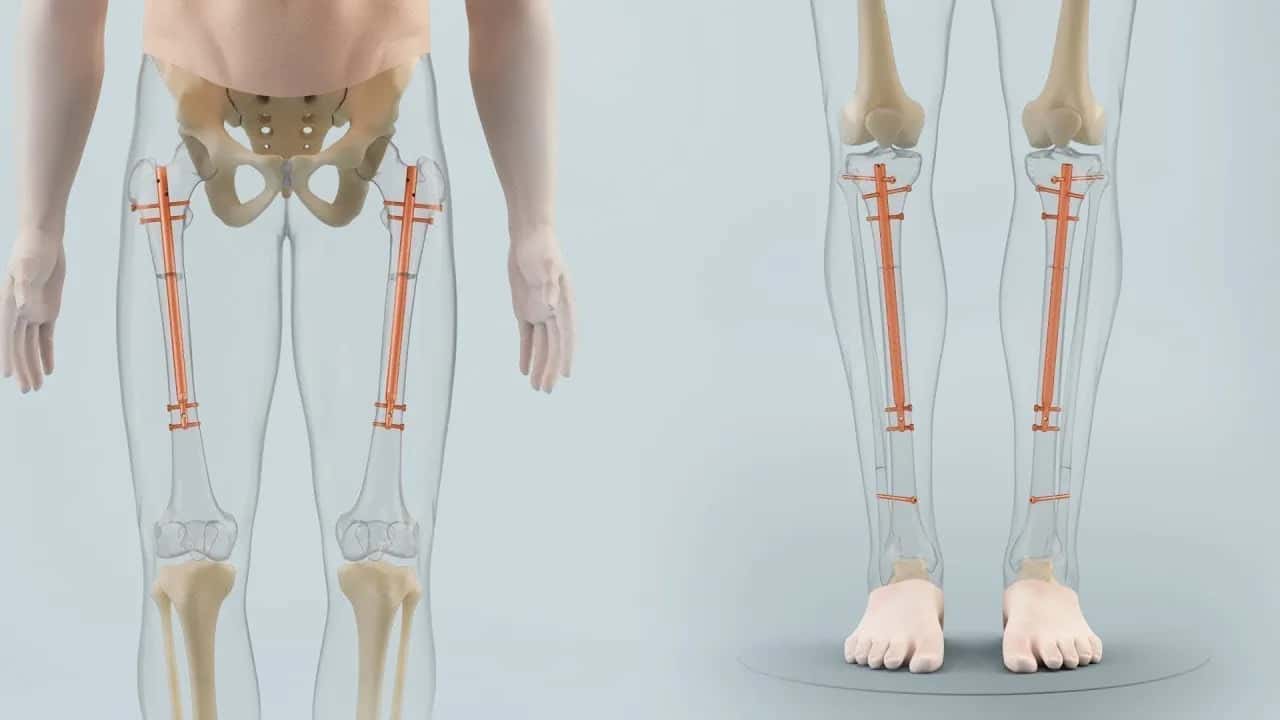
Height reduction surgery is a rare orthopedic procedure in which part of a leg bone is surgically shortened, primarily to correct meaningful limb-length differences rather than as a routine cosmetic operation for people who simply want to be shorter.
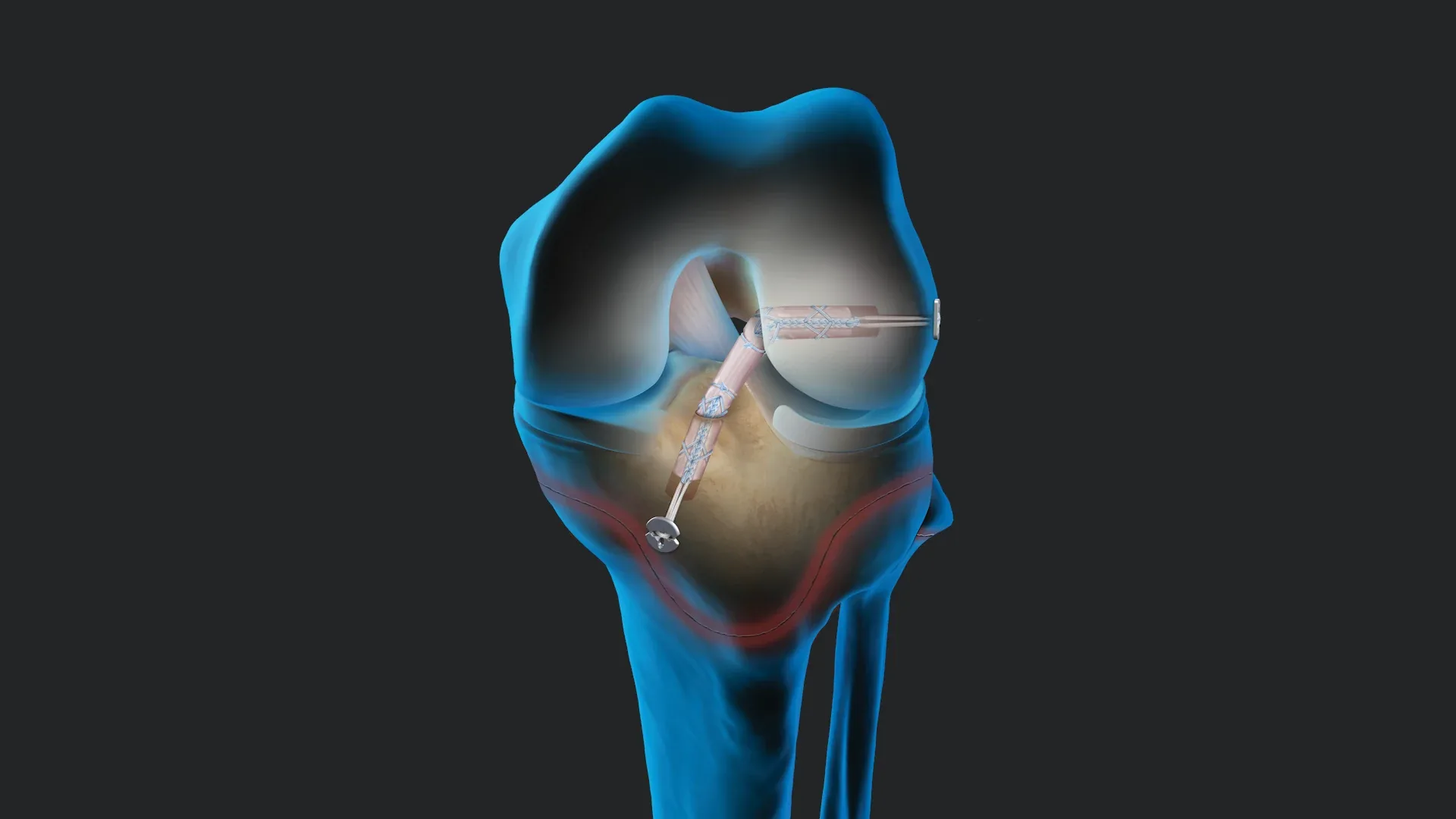
This guide compares ACL surgery costs around the world in 2026, including private treatment, graft choices, hospital packages, rehabilitation, insurance, and medical travel expenses.

Botox Treatment for Spasticity is a medical use of botulinum toxin injections to relax selected overactive muscles for a limited time. It is usually considered when muscle tightness, spasms, or stiffness affect comfort, movement, hygiene, caregiving, or daily activities.

Subscribe to the Medifinder newsletter and never miss our latest content.