










Back Pain: Which Doctor To See?
Back pain is not one single condition. Which doctor should you see for back pain? What are the possible solutions? Click and explore for all the information.

- Last updated
- 118 reads
- 11 min read


Back pain can start quietly after a long workday, appear suddenly after lifting something heavy, or build over months until it begins to affect sleep, walking, work, and everyday routines. Because back pain is so common, many people try to manage it at home first. That is understandable, but it can also create confusion when the pain does not settle. The main question becomes simple: back pain, which doctor to see? The answer depends on how the pain began, where it travels, how long it has lasted, and whether it comes with warning symptoms.
Most back pain is linked to muscles, joints, discs, posture, strain, or age-related changes. In many cases, the first point of contact is a primary care provider, because they can assess the full picture and guide the next step. Some situations call for rehabilitation care, orthopedic care, neurology care, rheumatology care, pain management, or urgent evaluation. The important thing is not to guess based only on pain intensity. Mild pain can sometimes hide a deeper issue, while severe pain can still come from a temporary muscle spasm.
Understanding What Back Pain May Mean
Back pain is not one single condition. It is a symptom with many possible causes. Sometimes it comes from strained muscles after lifting, twisting, sitting too long, or sleeping in an awkward position. Sometimes it is related to irritated joints, disc changes, nerve compression, inflammation, or an injury. Pain can stay in the lower back, spread into the buttock, run down the leg, or appear between the shoulder blades.
The pattern matters. A dull ache that improves with gentle movement is different from sharp pain traveling down one leg with numbness. Morning stiffness that eases after activity may suggest a different cause than pain that worsens after bending or carrying weight. Pain after a fall also needs a different approach from pain that slowly develops during desk work.
Medical evaluation usually begins with questions about the pain, movement, daily habits, previous injuries, medicines, and overall health. A physical exam may check strength, reflexes, sensation, posture, walking, and range of motion. Imaging is not always the first step, especially when there are no warning signs. Many back pain episodes improve with conservative care, but persistent or complicated symptoms deserve a closer look.
Start With Primary Care In Most Cases
For many people, the best first choice is a primary care provider. This is especially true when back pain is new, moderate, related to daily activity, or not clearly connected to a serious injury. Primary care can help separate common mechanical back pain from symptoms that need more urgent attention.
This first visit is useful because back pain does not always come from the spine itself. Hip problems, kidney issues, infections, inflammatory conditions, and some abdominal problems can also create pain felt around the back. A broad first assessment helps avoid going directly to the wrong place.
Primary care may recommend home care, movement changes, anti-inflammatory treatment when appropriate, heat or cold therapy, physical therapy, or follow-up if symptoms continue. They may also refer to another care area when the pain pattern suggests nerve involvement, inflammation, structural injury, or chronic pain that needs a more focused plan.
A practical way to think about it is this: when back pain is uncomfortable but stable, primary care is often the safest starting point. When the pain is paired with serious warning symptoms, urgent evaluation becomes more important.
When Back Pain Needs Urgent Evaluation?
Some symptoms should not be watched at home. Back pain with new loss of bladder or bowel control, numbness around the groin or saddle area, major leg weakness, fever, chills, unexplained weight loss, or pain after serious trauma needs urgent medical attention. These signs can point to conditions that require fast diagnosis and treatment.
Urgent evaluation is also important when pain is severe at rest, worsening quickly, or linked with a history that raises concern for infection, fracture, or other serious causes. This does not mean every strong back spasm is dangerous. It means that certain combinations of symptoms change the level of concern.
Pain that travels down both legs, causes increasing weakness, or affects walking should be taken seriously. Nerve-related symptoms can sometimes improve with noninvasive care, but progressive symptoms need faster assessment. Waiting too long in those situations may make recovery more difficult.
When To Consider Orthopedic Spine Care?
Orthopedic spine care may be appropriate when back pain appears connected to bones, joints, discs, spinal alignment, arthritis, fractures, or injury. People often reach this route after primary care evaluation, especially when pain continues despite conservative treatment or when imaging suggests a structural problem.
This type of care may be considered after a fall, sports injury, car accident, or heavy lifting event that causes ongoing pain. It may also be relevant when pain is linked to spinal narrowing, disc problems, degenerative changes, or pain that limits walking and daily activity.
Still, seeing orthopedic spine care does not automatically mean an operation will be recommended. Many people receive nonsurgical treatment plans first. These can include therapy, medication guidance, posture and activity changes, injections in selected cases, or monitoring over time. The goal is to match treatment with the actual cause of pain, not simply the scan result.
When Nerve Symptoms Point Toward Neurology Care?
Back pain with numbness, tingling, burning pain, electric-like sensations, or weakness may involve irritated or compressed nerves. Sciatica is one familiar pattern, where pain travels from the lower back into the buttock and down the leg. It can feel sharp, hot, or shooting, and it may worsen with sitting, bending, coughing, or certain movements.
Neurology care may be considered when symptoms suggest nerve involvement, especially if they are persistent, unusual, or progressive. Evaluation may focus on strength, reflexes, sensation, coordination, and how symptoms match nerve pathways. In some cases, further testing is used to understand whether symptoms are coming from the spine or another nerve-related condition.
Nerve pain can be frustrating because the location of discomfort may not be the true source. A person may feel pain in the calf or foot even though the irritation starts in the lower back. That is why a careful exam is often more useful than guessing from pain location alone. Severe radiculopathy or worsening neurologic findings can require urgent referral.
When Rheumatology Care May Be The Better Fit?
Not all back pain is mechanical. Some back pain is inflammatory, which means it is related to immune-driven inflammation rather than simple strain or wear. This type can be harder to recognize because it may develop slowly and appear in younger or middle-aged adults who do not remember a clear injury.
Clues can include morning stiffness lasting a long time, pain that improves with movement, symptoms that wake a person in the second half of the night, alternating buttock pain, swollen joints, eye inflammation, psoriasis-like skin changes, or digestive inflammatory symptoms. These patterns may lead primary care to consider rheumatology care.
Inflammatory back pain often needs a different plan from ordinary muscle strain. Rest alone may not help much, and the right diagnosis can make a major difference in long-term comfort and mobility. A rheumatology evaluation may include a detailed symptom history, examination of other joints, blood tests, and imaging when appropriate.
When Physical Therapy Or Rehabilitation Care Helps?
Physical therapy and rehabilitation care are often central to back pain recovery. This is especially true when pain is related to movement patterns, weak core support, stiffness, posture, lifting habits, or recovery after an injury. A good plan is not just a sheet of exercises. It usually looks at how the body moves during real activities.
Rehabilitation may include mobility work, strengthening, stretching, balance training, posture education, and gradual return to normal movement. It can also help reduce fear of movement, which is common after painful episodes. Many people with back pain begin moving less because they worry about making things worse. Over time, that can create more stiffness and sensitivity.
Exercise-based and noninvasive approaches are commonly recommended for many forms of low back pain, especially when there are no serious warning signs. Chronic back pain may need a broader plan that includes supervised exercise, lifestyle changes, sleep support, stress management, and sometimes pain-focused care.
When Pain Management Becomes Relevant?
Pain management may be considered when back pain lasts for weeks or months, affects sleep or work, or does not improve enough with first-line care. This does not mean the pain is imaginary or that nothing else can be done. It means the nervous system, joints, muscles, and daily stressors may all be contributing to a stubborn pain cycle.
A pain management plan may include medication review, targeted procedures when appropriate, rehabilitation coordination, and strategies to improve function. The aim is usually not only to reduce pain, but also to help a person move better, sleep better, and return to daily life with more confidence.
Chronic back pain is rarely solved by one single action. It often needs a layered plan. That may include movement, ergonomic changes, weight management when relevant, mental health support, anti-inflammatory strategies, and treatment for any underlying condition.
How Pain Location Can Guide The Next Step
Lower back pain after lifting or bending often begins as a muscle or ligament strain. It may feel tight, sore, or spasm-like. When it improves over days and does not travel down the leg, primary care or rehabilitation care may be enough.
Pain that travels into the buttock, thigh, calf, or foot may suggest nerve irritation. The same is true for tingling, numbness, or weakness. These symptoms do not always require emergency care, but they deserve medical assessment if they persist, worsen, or affect walking.
Upper back pain between the shoulder blades can come from posture, muscle tension, rib joints, or neck-related issues. However, upper back pain with chest pressure, shortness of breath, sweating, dizziness, or pain spreading to the arm or jaw should be treated urgently.
Back pain with hip or groin pain may involve the hip joint, pelvis, lower spine, or nearby soft tissues. Because these areas overlap, an exam is usually needed to locate the true source.
What To Share During The Visit?
A clear story helps the evaluation. It is useful to explain when the pain started, what was happening at the time, what makes it better or worse, and whether it travels anywhere. Mention numbness, tingling, weakness, fever, bladder or bowel changes, recent falls, unexplained weight loss, and night pain.
It also helps to describe how pain affects life. Can walking continue normally? Is sleep interrupted? Is sitting worse than standing? Does bending forward help or hurt? Can work duties still be done? These details often guide the next step more than a simple pain score.
Bring information about medicines, previous back episodes, surgeries, health conditions, and recent infections or injuries. If imaging has already been done, sharing the report can prevent repeated testing.
How To Choose The Right Care Path?
The right care path usually starts with the question: is this routine, persistent, nerve-related, inflammatory, injury-related, or urgent? Routine back pain often begins with primary care and conservative treatment. Persistent pain may need rehabilitation or further evaluation. Nerve symptoms may require neurology or spine-focused assessment. Inflammatory patterns may point toward rheumatology care. Injury-related or structural pain may lead to orthopedic spine care.
The best choice is not always the most advanced option. Starting with the broadest evaluation can save time, reduce unnecessary tests, and make referrals more precise. Back pain can feel simple from the outside, but the cause is not always obvious.
Frequently Asked Questions
What Kind Of Doctor Should I See First For Back Pain?
For most back pain, primary care is a good first step. This is especially true when the pain is new, stable, and not linked with major warning symptoms. From there, referral can be made to rehabilitation, orthopedic spine care, neurology care, rheumatology care, or pain management if needed.
Should I Go To Urgent Care For Back Pain?
Urgent care is appropriate when pain is severe, follows an injury, or comes with concerning symptoms. Emergency evaluation is important for bladder or bowel control problems, groin numbness, major weakness, fever, serious trauma, or rapidly worsening symptoms.
Which Doctor Treats Sciatica?
Sciatica often starts with primary care evaluation. Depending on severity and duration, care may involve rehabilitation, neurology, orthopedic spine care, or pain management. Worsening weakness, numbness, or walking difficulty should be assessed promptly.
When Should Back Pain Be Checked?
Back pain should be checked if it lasts more than a few weeks, keeps returning, spreads down the leg, causes numbness or weakness, interrupts sleep, follows trauma, or limits normal activity. It should be checked sooner when warning symptoms are present.
Is A Spine Specialist Always Needed For Back Pain?
No. Many back pain episodes improve with conservative care. A spine-focused evaluation may be helpful when pain persists, follows injury, affects nerves, or does not improve with first-line treatment.
Can Physical Therapy Help Back Pain?
Physical therapy can help many types of back pain, especially when stiffness, weakness, posture, movement habits, or recovery after strain are involved. It can also support chronic pain care by improving strength, confidence, and function.
What Is The Difference Between Mechanical And Inflammatory Back Pain?
Mechanical back pain is often related to muscles, joints, discs, posture, or strain. It may worsen with certain movements and improve with rest. Inflammatory back pain may cause strong morning stiffness, improve with movement, and wake a person at night. Different patterns may require different care.
Do I Need Imaging For Back Pain?
Imaging is not always needed right away. Many cases are evaluated first with history and physical examination. Imaging may be considered when warning symptoms, trauma, persistent pain, nerve problems, or suspected structural issues are present.
Which Doctor Should I See For Lower Back Pain Going Down My Leg?
Lower back pain traveling down the leg may involve nerve irritation. Primary care is often the first step unless symptoms are severe or worsening. Neurology, orthopedic spine care, rehabilitation, or pain management may become part of the care plan.
Can Back Pain Come From Something Other Than The Spine?
Pain felt in the back can sometimes come from the hips, kidneys, abdomen, pelvis, or inflammatory conditions. This is one reason a broad first evaluation is helpful, especially when symptoms are unusual or do not improve.
- Last updated
- Language
- English
How did you find this article?
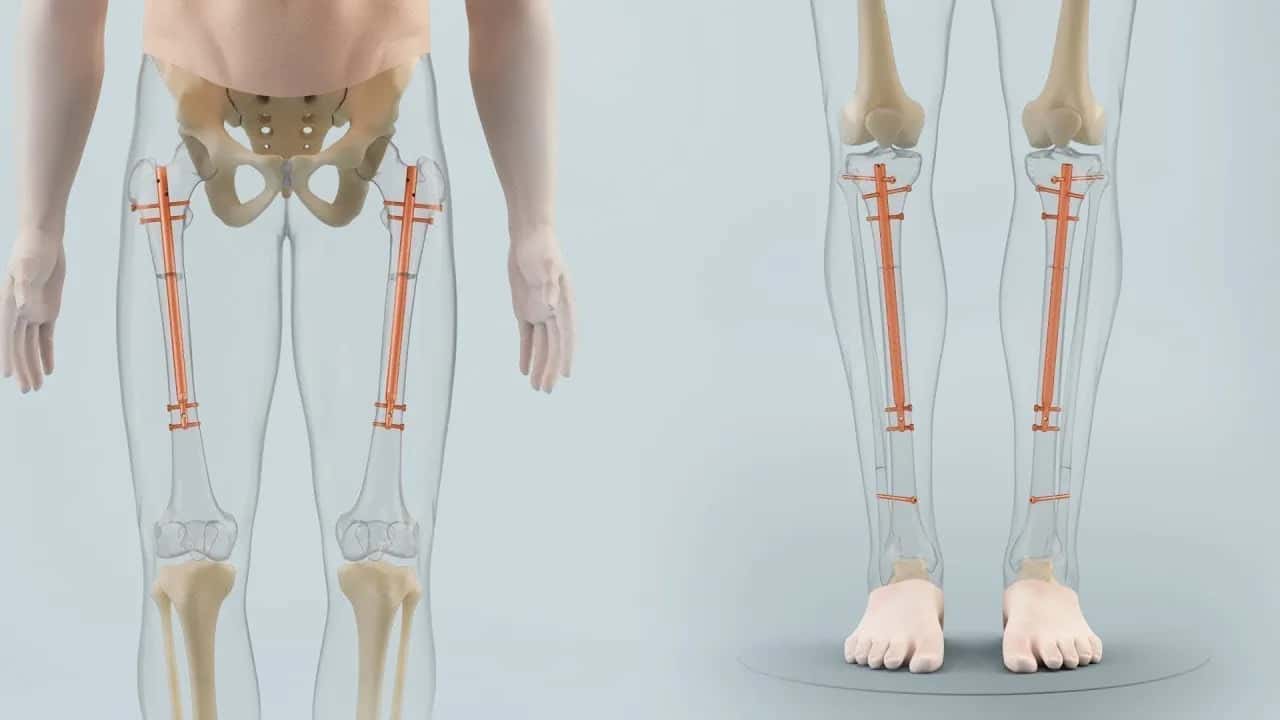
Height reduction surgery is a rare orthopedic procedure in which part of a leg bone is surgically shortened, primarily to correct meaningful limb-length differences rather than as a routine cosmetic operation for people who simply want to be shorter.
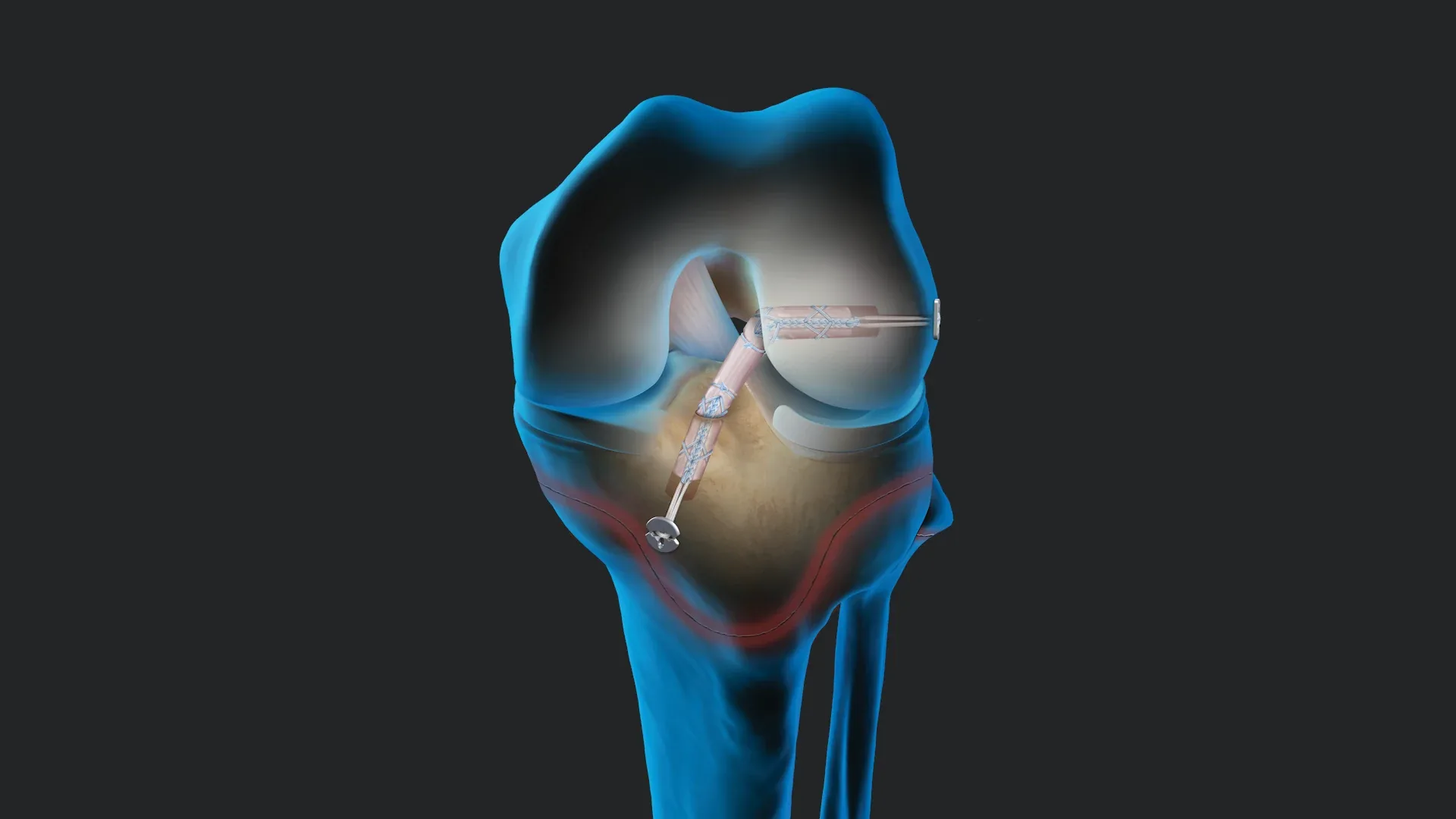
This guide compares ACL surgery costs around the world in 2026, including private treatment, graft choices, hospital packages, rehabilitation, insurance, and medical travel expenses.

Botox Treatment for Spasticity is a medical use of botulinum toxin injections to relax selected overactive muscles for a limited time. It is usually considered when muscle tightness, spasms, or stiffness affect comfort, movement, hygiene, caregiving, or daily activities.

Subscribe to the Medifinder newsletter and never miss our latest content.