










Are Screwless Dental Implants Cheaper? Costs and Long-Term Value
This guide explains whether screwless dental implants are cheaper, how their costs compare with conventional systems, and which treatment components determine the final price.

- Last updated
- 58 reads
- 9 min read


Are dental implants without screws cheaper?
Screwless dental implants are not necessarily cheaper, as the full cost is more dependent on the entire implant system, restoration, surgery and future maintenance.
The true screwless design generally uses a locking or friction implant-abutment interface rather than a retention screw. Some of the restorative designs can reduce the number of mechanical parts needed. However, proprietary abutments, laboratory procedures, crown materials and specialized instruments may offset those savings. Studies on conventional retention methods indicate that cement-retained restorations can be initially cost-effective. True screwless locking-taper systems are different, so you can’t just make that conclusion for every product that is called screwless.
What is a Screwless Implant?
Screwless dental implants generally refer to implant systems where the abutment is attached without a conventional retaining screw, usually using a locking taper or friction-fit connection.
The term is not always used consistently so needs careful interpretation. A true screwless Morse taper connection locks the abutment mechanically into the implant with matching surfaces in a precise fit. This design has been reported in the research as an alternative to conventional internal or external screw-retained implant-abutment connection . A cement-retained crown is sometimes informally called screwless, because no crown screw is visible. However, the underlying abutment can still be screwed onto the implant.
Are Screwless Implants Same as Cement-Retained Implants
Screwless implants and cement-retained implant crowns are not the same thing and cannot be interchanged. They are different elements of the implant restoration.
A locking-taper implant can be attached to the abutment without the use of a fixation screw. That abutment is then covered with a crown that can use another form of retention. Typically, a cement-retained restoration means screwing an abutment onto the implant and cementing a crown over the abutment. So, even if a prosthetic screw is underneath, the crown appears screwless. This difference has implications for costs, maintenance, retrievability and handling of complications. If patients are price shopping they should be able to distinguish between the implant-abutment connection and crown retention method.
How do screwless dental implants function?
True screwless dental implants are capable of utilizing a precisely designed taper connection that secures the abutment into the implant through friction instead of a fixation screw.
The abutment is seated into the matching internal implant connection to create a mechanical retention between the tapered surfaces. This design does not employ the conventional abutment screw for that connection. These systems have been studied in laboratory and mechanical environments specifically because they prevent screw loosening and screw fracture at the implant-abutment interface. Long-term data on locking-taper single crowns have demonstrated high survival rates of both the implant and prosthesis. However, the connection requires precise implant placement, compatible restorative components, and carefully manufactured prosthetic work.
What Influences the Cost of Screwless Dental Implants?
The cost of a screwless dental implant is primarily determined by the implant fixture, abutment system, crown material, surgical requirements, laboratory work and availability of replacement components.
Important cost drivers are:
- Implant and abutment parts
- Crown material (ceramic, zirconia or other)
- 3D imaging
- Implant surgery
- Bone grafting (if needed)
- Temporary restoration
- Lab work
- Follow-up appointments
- Maintenance and repairs
- Availability of compatible replacement parts
Removing one retention screw does not remove most of these costs. In such cases, the difference in cost between screwless and conventional implants can be relatively small, since similar restorative materials and surgical treatment can be used for both.
Are Screwless Implants Easier?
Some true screwless implant systems reduce the number of mechanical components, because the connection between implant and abutment does not have to be fixed with a separate screw.
Taking out that screw removes one little part and one potential mechanical problem. However, the overall restoration still requires an implant fixture, abutment, crown, impression or digital records and laboratory manufacturing. Other proprietary components may be required for taking the impression or fabricating the restoration. So fewer pieces do not automatically mean a cheaper treatment in proportion.” The component count is only one side of dental implant pricing. The cost savings of not having a screw may be less than the cost of the complexity and compatibility of the laboratory and implant system.
Screwless Implant Crowns: Cheaper to Fabricate?
Screwless implant crowns may be easier to fabricate at times, though they do not necessarily guaranty a lower final price to the patient.
Cost will vary by restoration chosen such as a friction fit abutment, cement retention, customized components or other design. The conventional cement retained crowns are made with standard laboratory techniques and have historically needed less specialized prosthetic parts than their screw retained counterparts. This can reduce manufacturing costs. However, true locking-taper systems may require system-specific abutments and laboratory components . Premium zirconia or ceramic restorations may also dominate the prosthetic cost regardless of retention design. Therefore, ease of fabrication should be considered in the light of the cost of the component and the restorative material rather than in isolation.
Are Cement-Retained Implant Crowns Less Expensive Than Screw-Retained Crowns?
Due to the use of less complex restorative procedures and fewer specialized parts, cement-retained implant crowns have been historically more cost-effective to produce than screw-retained restorations.
Several studies comparing the two methods of retention have consistently shown cement-retained designs are less expensive to initially fabricate. In a 15-year cost-effectiveness analysis, cement retention was also more cost-effective under the assumptions used in that model. However, cemented crowns have limited retrievability and may require destructive removal in case of complications. Another consideration is residual cement around the implant tissue. Nevertheless, contemporary data demonstrate equivalent clinical outcomes for well-managed cement- and screw-retained single crowns.
Screwless implants: Can they reduce maintenance costs?
Screwless implants may reduce maintenance costs relating specifically to loose or fractured abutment screws, but do not eliminate other implant maintenance costs.
In the case of traditional screw connections, the screws sometimes loosen . This is especially the case when mechanical forces or the construction of the components cause instability . A locking-taper connection eliminates that particular screw from the equation. A systematic review of locking-taper single crowns reported an implant survival of approximately 99 percent and a prosthesis success of 97 percent at five years. 9 “Approximately 2.9 percent of the cases studied had complications related to prostheses. These results support good performance but screwless systems may still require crown repair or periodontal maintenance or replacement of restorative components with prolonged use.
Does screwless implant use eliminate screw loosening cost?
True screwless implant-abutment connections eliminate the possibility of loosening a retention screw that is not present in that connection.
This may remove one of the causes of unscheduled maintenance appointments. In some cases, conventional screw-retained implant restorations need to be tightened or replaced if a prosthetic screw loosens. However, maintenance of the implant is not only about complications related to the screws. Regardless of the retention type, ceramic fractures, crown wear, esthetic changes, peri-implant inflammation, and other restorative problems may happen. Also in modern components the problem of screw loosening is less significant compared to older implant designs. Thus, avoiding a screw may reduce a specific technical risk without guaranteeing reduced lifetime costs for all implant restorations.
Cost of Repair for Screwless Dental Implants
Screwless dental implant repair costs can be pricier when proprietary components are used for restoration that are hard to replace or remove.
A key advantage of traditional screw-retained implant restorations is retrievability. Often the crown or bridge is unscrewed to allow for repair, inspection or component replacement. cement-retained restorations can be much more difficult to retrieve and require destruction of the crown at times. There are removal procedures for locking-taper systems and they require compatible instruments and parts. Therefore, part of the long-term repair costs depend on whether replacement parts are still readily available. An initial low price may not be worth it when future prosthetic servicing is complicated or complete replacement is required.
Screwless Implants – Are They the Same Price for Surgery?
The surgical procedure of a screwless dental implant is usually similar to conventional implant surgery as the implant still needs to be placed in the jawbone.
Both techniques may involve dissection, three dimensional imaging, local anesthesia, implant placement, healing and later restoration. Bone grafting may also be required in cases where the volume of bone available is inadequate. These surgical stages are not eliminated whether the abutment subsequently locks with friction or with a screw. Thus, most savings potential relates to prosthetic components or long-term maintenance rather than the procedure of implant placement. Therefore, when comparing quotations, the surgical price should be separated from the abutment and final crown price to identify a real screwless-system saving.
Are screwless implants cheaper for a single tooth?
A screwless implant is not predictably cheaper for a single missing tooth, as the cost of the crown material and the implant system can outweigh the savings from not using a retention screw.
A single-tooth treatment still requires one implant, one abutment, one final crown, diagnostic planning, surgery and follow-up care. A screwless connection may allow for the reduction of some selected mechanical components, but a proprietary abutment may cost more than a standard conventional component. The long-term results of locking-taper single crowns are excellent and the implant survival rate is about 99 percent after five years. That performance supports the treatment concept, but does not prove it universally cheaper. Financial comparisons should be made on full single tooth packages with similar crown materials.
Screwless implants in full arch treatment: do they cost less?
Screwless implants are not necessarily cheaper for full arch rehabilitation as the prosthetic bridge and number of implants are much more expensive than individual retention screws.
Full arch treatment can require four, six or more implants, temporary teeth, a lot of lab work and a definitive fixed bridge. The final prosthesis can be acrylic, composite, titanium frameworks or zirconia, so there is a lot of variation in price. Screw-retained full-arch bridges remain popular in part because they can be retrieved for maintenance and repair. A screwless system would simplify some mechanical connections, but system-specific parts might negate that. A more useful financial measure is to compare complete finished bridges, rather than to count how many fixation screws each design has.
What are the costs to consider when choosing an implant?
Therefore, a meaningful implant cost comparison should be based on all surgical/restorative/long-term components, not just the implant fixture price.
The full quote should identify imaging, implant placement, abutment, temporary restoration, final crown, crown material and any anticipated grafting. It should also indicate whether spare parts are readily available for maintenance or replacement. Proprietary abutment pricing and retrieval methods deserve further consideration in screwless systems. For conventional systems the relevant prosthetic screw and crown fabrication costs should be included. The future servicing is important because an initial restoration which is inexpensive may not be economical if the repair requires complete crown replacement. Therefore total treatment cost is a more relevant metric than the screwless label alone.
Screw Retained vs. Screwless Implants - Which Offers Better Value?
Screwless and screw-retained implants are not always better value. Long-term cost is driven by clinical appropriateness, component availability, maintenance and restoration design.
Long-term published evidence supports good survival and low complication rates for screwless locking-taper systems. Traditional screw-retained restorations provide a predictable retrievability, being able to undergo many repairs without harm to the crown. Cement-based methods may be lower in initial fabrication cost but have different maintenance considerations. Recent data comparing cemented versus screw-retained restorations also show generally similar biological and clinical outcomes when properly managed. So the more financially viable choice is the system that offers predictable restoration and easy future servicing, and not just the lowest component price.
How Much Do You Really Save with Screwless Dental Implants?
Current evidence does not establish a standard percentage or fixed price reduction over conventional systems, thus there is no reliable universal saving for screwless dental implants.
Removing a fixation screw can reduce some component or maintenance costs, but these savings may be offset by proprietary abutments and specialized restorative work. In the past, cement-retained implant crowns have demonstrated lower fabrication costs and advantageous cost-effectiveness in comparison to screw-retained crowns. But that comparison is not to be confused with the real screwless locking-taper implants. Long-term screwless systems can have a good track record, but choosing a long-term screwless system simply because it is less expensive is an oversimplification of implant pricing. The more useful financial measures are total treatment and projected lifetime maintenance.
- Last updated
- Language
- English
How did you find this article?
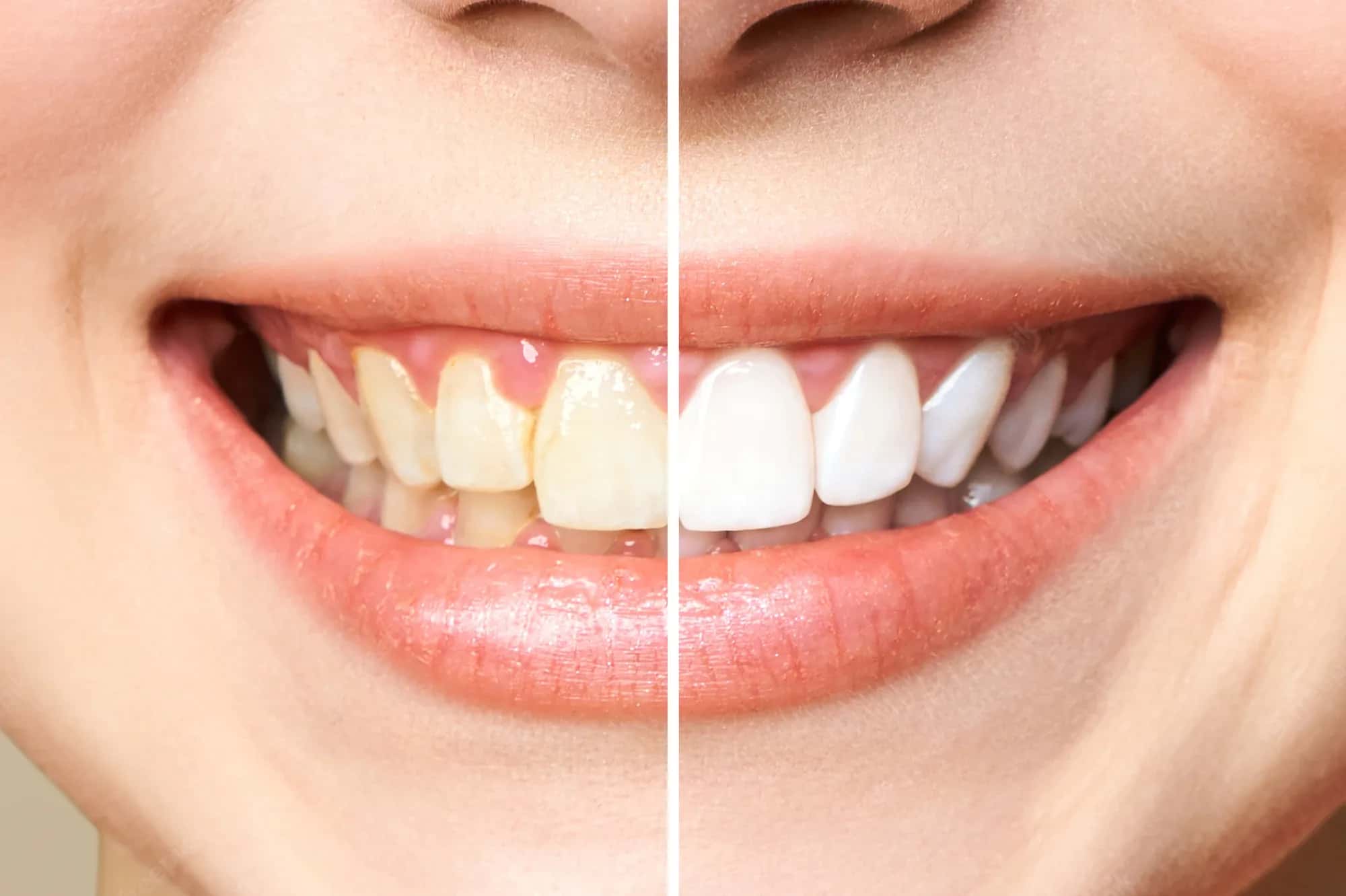
Teeth whitening costs around the world vary substantially, with professional treatment generally costing less in countries such as Turkey, Mexico and India than in the United States or United Kingdom.
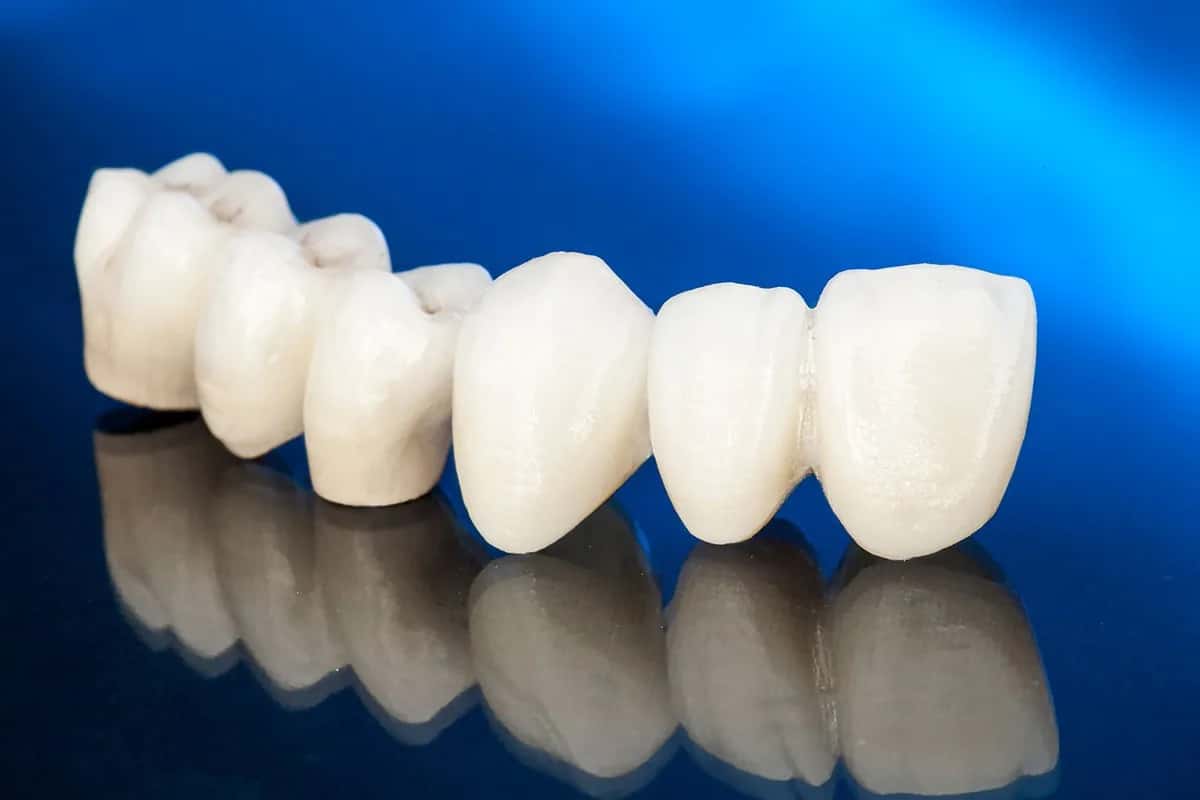
Zirconium crown costs around the world vary significantly, from approximately €180–€400 per tooth in Turkey to $1,000–$2,500 in the United States, based on published 2026 private-treatment prices.
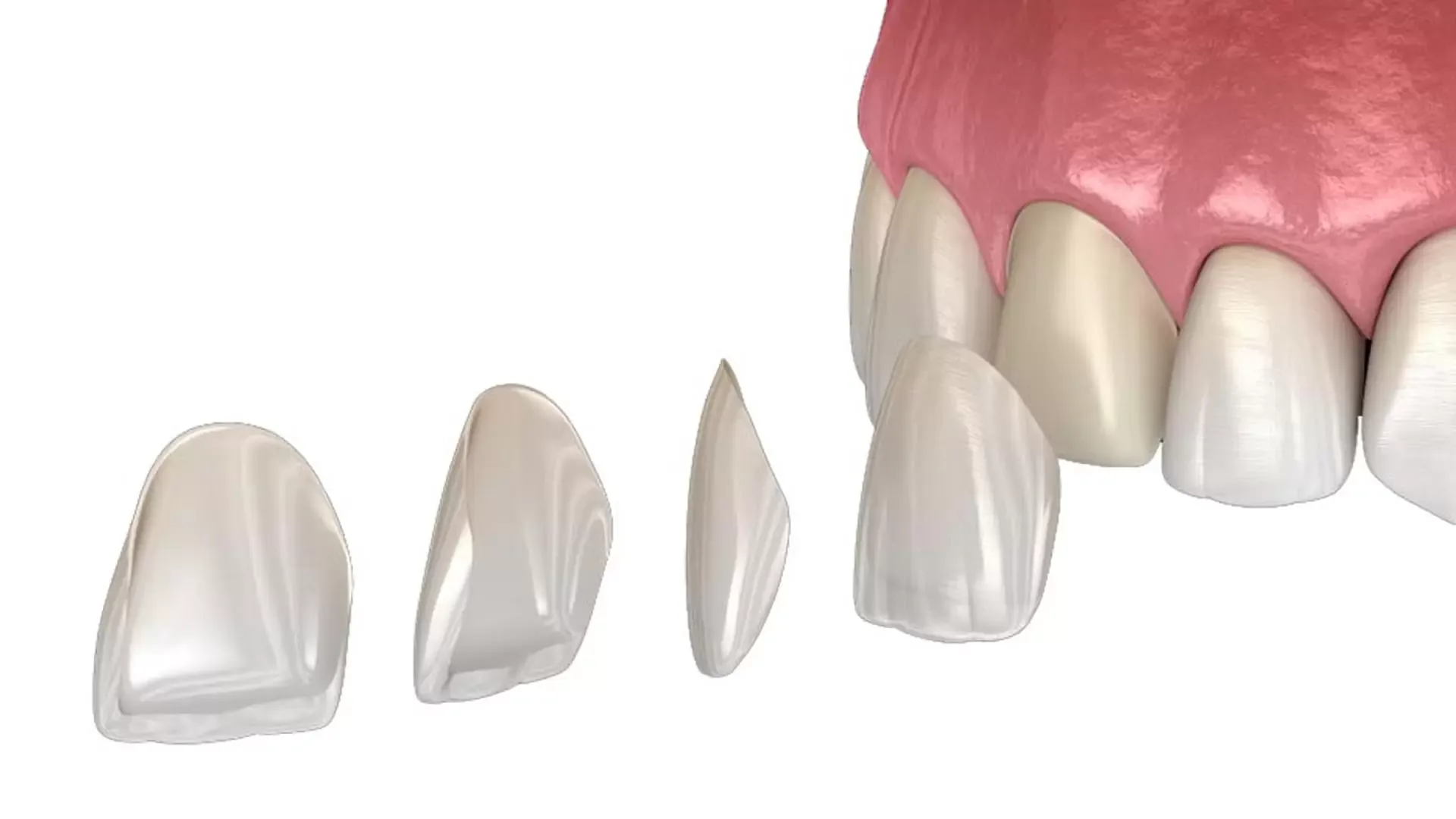
E-Max costs around the world differ significantly, with ceramic veneers and crowns available at lower published prices in countries such as Turkey, Mexico and Hungary than in the United States or United Kingdom.
Subscribe to the Medifinder newsletter and never miss our latest content.