










All-on-4 Dental Implants in Turkey: Cost and Treatment Guide
Current advertised prices for All-on-4-style treatment in Turkey vary substantially because clinics do not always quote the same treatment scope. The price may cover one arch or both arches, surgery alone or the complete restorative process, and either a temporary bridge or a final prosthesis.

- Last updated
- 223 reads
- 24 min read


Prices checked on June 19, 2026, included entry-level advertisements from about £1,600 per jaw where the final prosthesis was not clearly identified, single-arch packages around €3,000–€5,000 with broader restorative inclusions, and more comprehensive full-mouth zirconia packages beginning around £7,400. These figures are not directly comparable and should not be treated as a market average. Your final cost requires a clinical examination, imaging and an itemized treatment plan.
All-on-4® is a branded full-arch treatment concept associated with Nobel Biocare. It uses four strategically positioned implants to support a fixed restoration across one dental arch. Clinics may also use the term informally for other four-implant full-arch systems, so the name alone does not confirm the implant manufacturer or original branded protocol.
How Much Do All-on-4 Dental Implants Cost in Turkey?
There is no single reliable price for All-on-4 dental implants in Turkey. A meaningful quotation must identify the number of arches, implant system, temporary restoration, final restoration and any additional procedures.
The following table summarizes identifiable public offers checked on June 19, 2026. They are commercial advertisements rather than individual clinical quotations.
| Published offer | Advertised price | Apparent treatment scope | Clearly published inclusions | Important limitation |
|---|---|---|---|---|
| Entry-level per-jaw package | £1,600 | One jaw | Four Neodent implants, 12 temporary fixed teeth, consultation, imaging, local anesthetic, medication, laboratory work, hotel and transfers | Final prosthesis not clearly identified in the visible package list |
| Brand-based implant and temporary package | £1,750–£2,850 | Presented in a per-arch pricing context | Four implants and temporary denture; price changes by Neodent, Nobel Biocare or Straumann | Final bridge not included in the stated price description |
| Single-jaw zirconia package | €3,000 | One jaw | Four implants and 12 zirconia crowns | Temporary stage, imaging and travel services not fully detailed in the search-visible package |
| Both-arch zirconia package | €6,000 | Upper and lower arches | Eight implants and 24 zirconia crowns | Temporary restoration and additional procedures require written confirmation |
| Two-visit full-arch package | £4,200 / €5,000 / $5,500 | One full arch based on four implants and 12 teeth | Four implants, 12 temporary teeth, permanent teeth on the second visit and transfers | The price line does not explicitly say “per arch” |
| Full-mouth screw-retained zirconia package | From £7,400 | Advertised as full mouth | Temporary and permanent dentures, implant surgery, extractions, hotel and transfers; price varies by implant brand | The patient must still confirm the exact number of implants per arch and every exclusion |
Price-verification note
Prices checked: June 19, 2026
Currencies: GBP and EUR as published; one provider also displayed USD
Price unit: Some offers are per jaw, some cover upper and lower arches, and some require scope interpretation from the listed implant and tooth numbers
Price status: Advertised commercial offers, not guaranteed patient quotations
Conversions: No currency conversion has been performed
Clinical status: Final prices remain preliminary until a dentist examines your mouth, reviews suitable imaging and confirms the treatment plan
The available advertisements support a broad conclusion rather than a dependable average: a low headline price may cover only one arch, only the implant stage or only a temporary restoration. A higher price may include both arches, a final zirconia prosthesis, extractions, hotel accommodation and two treatment visits.
What Is Included in an All-on-4 Treatment Quote?
An All-on-4 quote may include some or all of the following:
- Initial consultation: A preliminary discussion of your missing teeth, current restorations, medical history, expectations and possible treatment options.
- Dental examination: An in-person assessment of your teeth, gums, bite, jaw relationships and oral hygiene. Remote photographs cannot replace this examination.
- Panoramic X-ray or CBCT: A panoramic image provides a broad dental overview. Cone-beam computed tomography, or CBCT, may be required to evaluate three-dimensional bone anatomy and nearby structures.
- Implant placement: The surgical fee for placing four implants in one arch. For both arches, a true All-on-4 plan would normally involve eight implants in total.
- Implant components and abutments: The quote should state whether cover screws, healing components, multi-unit abutments and prosthetic screws are included.
- Temporary fixed prosthesis: Some suitable patients receive an immediately loaded provisional bridge after implant placement. The temporary bridge should not be described as the final permanent prosthesis.
- Final prosthesis: The definitive implant-supported bridge may be manufactured after healing. Its material, framework, tooth number and laboratory charges should appear separately in the quotation.
- Anesthesia or sedation: Local anesthesia may form part of the surgical fee. Sedation or general anesthesia can be a separate charge and requires individual assessment.
- Tooth extractions: The clinic should state the number of routine and surgical extractions included.
- Medication: Antibiotics, pain medication or mouth rinses may be included, excluded or supplied only where clinically indicated.
- Follow-up appointments: Confirm whether reviews during both visits and remote follow-up after returning home are included.
- Laboratory fees: Temporary and final prostheses can involve separate laboratory stages. Ask whether scanning, framework production, trial fittings, adjustments and final manufacture are included.
- Hotel accommodation: Confirm the hotel, room type, number of nights, whether a companion is included and whether both visits are covered.
- Airport and clinic transfers: “VIP transfers” may cover airport pickup and scheduled clinic trips but not private transport throughout the stay.
- Translation or patient coordination: A coordinator may help with scheduling and communication, but coordination does not replace direct informed consent with the treating dentist.
Package definitions vary by provider. Obtain every inclusion, exclusion and possible additional charge in writing before paying a deposit.
Is the Advertised Price for One Arch or a Full Mouth?
A dental arch refers to all the teeth in either the upper jaw or the lower jaw. A full-arch restoration replaces the teeth across one of those jaws.
The pricing terms commonly mean:
- One upper arch: One implant-supported bridge in the upper jaw, usually supported by four implants under the relevant treatment concept.
- One lower arch: One bridge in the lower jaw.
- Both arches: One upper and one lower bridge, usually involving eight implants in total when four implants support each arch.
- Full arch: Usually one jaw, not both.
- Full mouth: Often upper and lower arches, but some commercial pages use the phrase imprecisely.
Two prices can appear similar while covering very different work. For example, a £1,600 advertisement for one jaw with temporary teeth cannot be compared directly with a €6,000 package for eight implants and 24 zirconia restorations across both arches.
Ask the clinic to write the following directly into the quotation:
- Upper arch, lower arch or both arches
- Total number of implants
- Number of prosthetic teeth in each bridge
- Temporary and final prosthesis specifications
- Number of clinical visits
Do not rely on “full mouth” as the only description of treatment scope.
What Affects the Cost of All-on-4 Implants in Turkey?
One arch or both arches
Restoring both arches requires more implants, surgical time, prosthetic work, laboratory production and follow-up than treating a single arch. A both-arch quotation should not simply be assumed to equal one advertised per-arch price.
Implant brand and system
Implant systems differ in component design, prosthetic compatibility, distribution networks and price. Ask for the manufacturer, product line and model rather than accepting a description such as “German,” “Swiss” or “premium.”
The clinic should provide implant traceability records after treatment. These records can become important when another dentist needs to identify compatible components.
Original All-on-4® protocol or another full-arch concept
All-on-4® is a Nobel Biocare treatment concept. A clinic may use another manufacturer’s four-implant full-arch protocol and advertise it as “All-on-4.” That treatment may still be clinically planned, but it is not automatically the original branded system.
Ask whether the quotation refers to:
- The original Nobel Biocare All-on-4® concept
- Nobel Biocare implants used in another configuration
- A four-implant protocol using a different implant manufacturer
- A generic full-arch bridge supported by four implants
Number of implants actually required
Four appropriately distributed implants can support a one-piece fixed full-arch prosthesis in selected circumstances. However, implant number should reflect anatomy, prosthetic design, bite forces, anticipated complications and the consequences of losing one implant.
A dentist may recommend more or fewer implants only after diagnostic planning. A higher implant count is not automatically better, and four implants are not automatically sufficient for every case.
Temporary prosthesis material
An immediately loaded temporary bridge commonly uses acrylic or PMMA because the laboratory can manufacture and adjust it during the provisional stage. Its cost may be included in surgery or listed separately.
Final prosthesis material
Acrylic hybrid, composite-based, zirconia and other framework-supported restorations have different material and laboratory costs. The word “permanent” does not mean the restoration will never require repair, adjustment or replacement.
Clinician involvement
The treatment may involve a general dentist with implant training, an oral surgeon, an oral and maxillofacial surgeon, a periodontist or a prosthodontist. The relevant issue is not the job title alone but who plans, performs and accepts responsibility for the surgical and restorative stages.
Diagnostic imaging
CBCT, panoramic imaging, intraoral scanning, photographs and digital planning may generate separate fees. Imaging should be used according to clinical need rather than added solely as a package feature.
Tooth extractions
The number, position and complexity of extractions affect surgical time. Removal of failed implants or impacted teeth may cost more than routine extraction.
Bone grafting or sinus procedures
The original treatment concept aims to use available bone strategically and may reduce the need for grafting in selected patients. It does not guarantee that grafting will never be necessary.
Some patients may need localized grafting, socket management, sinus-related procedures or an alternative implant plan. Bone grafting adds treatment stages, cost and healing time.
Sedation or general anesthesia
Local anesthesia, conscious sedation and general anesthesia involve different personnel, monitoring and facility requirements. The cheapest package may include only local anesthesia.
Dental laboratory quality
Full-arch rehabilitation requires accurate records, framework design, bite assessment, trial stages and manufacturing. An experienced laboratory, high-quality components and additional trial fittings can increase the fee but may also improve treatment control.
Length and number of visits
A package covering surgery, healing reviews and a separate final-prosthesis visit costs more to provide than a surgery-only offer. Additional trips may become necessary when healing, adjustments or complications do not follow the initial plan.
Accommodation and transfers
Hotel class, number of nights, companion accommodation and transfers for both visits can change the total package price. These services should remain separate from the clinical assessment of treatment quality.
Follow-up, repairs and maintenance
A low initial fee may exclude professional maintenance, replacement screws, repairs, relining, hygiene appointments and corrective travel. These expenses contribute to the long-term cost of ownership.
How Does the Final Prosthesis Material Affect the Price?
Clinics do not always use material terminology consistently. “Porcelain,” “ceramic,” “hybrid,” “zirconium” and “zirconia” can describe different constructions, frameworks or veneering systems.
Acrylic or PMMA temporary restorations
PMMA and acrylic materials are commonly used for provisional bridges.
Potential characteristics include:
- Relatively low manufacturing cost
- Lower weight than some final ceramic constructions
- Easier chairside or laboratory repair
- Suitability for testing bite, speech and appearance during healing
- Greater susceptibility to wear, fracture or staining than some definitive materials
A temporary PMMA bridge should not be marketed as though it were automatically the final long-term restoration.
Acrylic hybrid prostheses
An acrylic hybrid bridge may combine acrylic teeth and gum material with a metal or titanium framework.
Potential characteristics include:
- Lower initial cost than many zirconia options
- Lower weight
- Relatively straightforward repair of individual teeth or acrylic sections
- Possible wear, staining or fracture over time
- Ongoing maintenance requirements
Composite-based restorations
Composite materials may be applied over a framework or used in milled restorative systems.
Their characteristics vary considerably by manufacturer and design. They may offer repairability and reduced weight, but wear and surface maintenance can differ from ceramic restorations.
Zirconia restorations
Zirconia may be used as a monolithic bridge, a veneered framework or part of a multi-material construction.
Potential characteristics include:
- Higher laboratory and material cost
- High rigidity
- Good color stability
- Potentially refined aesthetic characterization
- More complex repair when substantial fracture occurs
- Greater weight in some full-arch designs
- Need for careful bite and opposing-arch planning
Zirconia is not universally the right material for every patient. Bruxism, available restorative space, opposing teeth, implant distribution and maintenance access can influence material selection.
Metal or titanium frameworks
Acrylic, composite or ceramic components may be supported by a cobalt-chromium or titanium framework. The framework can influence rigidity, weight, repair options and production cost.
Before comparing prices, request:
- Exact final prosthesis material
- Framework material
- Manufacturer or laboratory system
- Monolithic or layered construction
- Number of prosthetic teeth
- Screw-retained or cemented design
- Written repair and replacement policy
Are Temporary and Permanent Teeth Included in the Price?
Not necessarily. Some advertisements cover only implant surgery and an acrylic temporary bridge. Others include the final restoration during a second visit.
A typical staged model may involve:
- Implant placement
- A provisional fixed bridge when immediate loading is clinically appropriate
- A healing and osseointegration period
- Review and updated impressions or scans
- Manufacture and fitting of the final prosthesis
Nobel Biocare describes same-day teeth under the original concept as a provisional restoration for patients who meet immediate-loading criteria. Its patient information distinguishes this temporary bridge from the permanent restoration fitted after healing.
The quotation should confirm:
- Whether the temporary bridge is fixed or removable
- Temporary material
- Whether temporary repairs and adjustments are included
- Whether relining is expected
- Whether the final bridge replaces the temporary bridge
- Final bridge material
- Laboratory trial stages
- Additional laboratory fees
- What happens if immediate loading is not possible
“Teeth in a day” should not automatically be interpreted as a final zirconia bridge on the day of implant placement.
Can Additional Procedures Increase the Total Cost?
Yes. Additional treatment may be identified during the clinical examination or after reviewing imaging.
Potential additional procedures include:
- Tooth extraction: Particularly when multiple failed or infected teeth remain.
- Gum-disease treatment: Active periodontal or peri-implant disease may need management before or alongside implant planning.
- Treatment of infection: Acute or chronic infection may affect the timing and design of treatment.
- Bone grafting: Localized or more extensive augmentation may be required when available bone does not support the proposed implant plan.
- Sinus lift: A sinus-related augmentation procedure may be considered in selected upper-jaw cases.
- Alveoloplasty: Bone reshaping may create restorative space or a suitable ridge form for the prosthesis.
- Sedation: Sedation services can add clinician, medication, monitoring and facility fees.
- Removal of failed implants: Existing implants may require additional surgery and can complicate the new plan.
- Temporary dentures: A removable interim denture may be needed when immediate fixed loading is not suitable.
- Additional implants: The definitive plan may use more than four implants when clinically justified.
The dentist should explain which procedures are confirmed, which are possible contingencies and how each would change the cost.
Who May Be Suitable for All-on-4 Dental Implants?
All-on-4 may be considered for some adults who have:
- Complete tooth loss in one or both arches
- Multiple missing teeth
- Remaining teeth with a poor long-term prognosis
- An unstable conventional denture
- Sufficient bone in suitable locations for the proposed implant distribution
- The ability to maintain the bridge and surrounding tissues
- Realistic expectations about maintenance and complications
Suitability also depends on factors such as:
- Gum and oral health
- Bone volume and quality
- Bite forces
- Smoking
- Diabetes control
- Cardiovascular and other systemic conditions
- Medications that affect healing or bone metabolism
- Previous radiotherapy
- Oral hygiene
- Ability to follow a modified diet during healing
- Availability for reviews and long-term maintenance
All-on-4 is not automatically appropriate simply because a person has extensive tooth loss. Preserving maintainable natural teeth, using a removable prosthesis or selecting another implant configuration may sometimes be more appropriate.
An individual examination and diagnostic work-up remain essential.
How Does the All-on-4 Treatment Process Work in Turkey?
1. Remote preliminary assessment
The clinic may request photographs, a panoramic X-ray, an existing CBCT scan, medical information and a description of your concerns. This stage can support an initial estimate but cannot confirm suitability or the final price.
2. Medical and dental history
The treatment team should review medical conditions, medications, allergies, smoking, previous implant treatment and relevant surgical history.
3. Clinical examination in Turkey
A dentist examines your teeth, gums, bite, jaw relationship and oral tissues. The examination may identify findings that were not visible in remote photographs.
4. Imaging and final treatment plan
The team may use panoramic imaging and CBCT to assess available bone, implant positions and relevant anatomy. The written plan should identify the arches, implant number, implant system, provisional restoration, definitive restoration and possible additional procedures.
5. Extractions where required
The dentist may remove teeth that cannot be retained. Extraction does not automatically mean that implants can or should be loaded immediately.
6. Implant placement
The clinician places the planned implants. Under the original All-on-4® concept, two anterior implants generally follow a straighter position while the posterior implants may be tilted to use available bone and avoid anatomical structures.
7. Temporary prosthesis where immediate loading is appropriate
Immediate loading requires adequate clinical conditions, including appropriate implant stability and a suitable prosthetic plan. If those conditions are not achieved, the dentist should use the alternative approach discussed during consent.
8. Healing and review
The implants and surrounding tissues need time to heal. The temporary prosthesis may require bite adjustments or repairs during this period.
9. Final prosthesis
After suitable healing, the restorative team records the new tissue and implant positions, evaluates the bite and manufactures the final implant-supported bridge.
10. Long-term maintenance
Implants and full-arch bridges require professional review, hygiene care and possible technical maintenance. The final bridge should allow you and the dental team to clean and monitor the surrounding tissues.
How Many Trips to Turkey May Be Required?
Some clinics promote a single-visit workflow, while others routinely plan two treatment visits.
A two-stage model commonly separates:
- First visit: Examination, imaging, confirmed planning, extractions, implant surgery and a temporary restoration
- Healing period: Monitoring and osseointegration
- Second visit: Updated records, trial stages, adjustments and fitting of the final prosthesis
A single-visit claim may refer only to surgery and provisional teeth. It may not include the definitive restoration.
The required stay can change because of:
- Number of treated arches
- Extractions
- Sedation
- Laboratory workflow
- Immediate-loading eligibility
- Need for trial fittings
- Healing progress
- Complications or prosthetic adjustments
- Flight availability and postoperative review requirements
Do not book non-changeable travel based only on a website timeline. Obtain a patient-specific schedule and ask what happens when treatment cannot proceed as initially expected.
All-on-4 Cost in Turkey vs the UK, Europe and the United States
A defensible numeric country comparison requires equivalent treatment definitions. The reviewed public offers did not provide sufficiently standardized data to produce a fair Turkey-versus-UK-versus-Europe-versus-US price table.
A valid comparison would need to match:
- One arch or both arches
- Four implants per arch
- Identical or comparable implant systems
- Temporary bridge inclusion
- Final bridge inclusion
- Final prosthesis material
- Extractions
- Bone procedures
- Sedation
- Imaging
- Laboratory stages
- Follow-up
- Repair policy
- Travel and accommodation
A Turkish headline price may be lower than a quotation obtained elsewhere, but the comparison can change after flights, hotels, unpaid leave, additional visits, local maintenance and corrective travel are included.
Price alone does not prove better or worse clinical quality. Compare the diagnosis, treatment design, clinician responsibility, component traceability and long-term support behind each quotation.
Are All-Inclusive All-on-4 Packages Really All-Inclusive?
“All-inclusive” has no universal clinical definition. It may describe travel coordination rather than every possible treatment cost.
Use this checklist:
| Component | Questions to confirm |
|---|---|
| Implant surgery | Is surgery included for one arch or both? |
| Implant brand | What manufacturer, model and surface will be used? |
| Abutments | Are multi-unit abutments and prosthetic screws included? |
| Temporary bridge | Is it fixed, and what material will be used? |
| Final bridge | Is it included, and what is its exact construction? |
| Extractions | How many routine and surgical extractions are covered? |
| Bone procedures | Are grafting, membranes, sinus procedures or alveoloplasty included? |
| Anesthesia | Does the price include local anesthesia, sedation or neither? |
| Imaging | Are panoramic imaging and CBCT included? |
| Laboratory work | Are scans, trials, framework and adjustments covered? |
| Hotel | Which hotel, room and number of nights? |
| Transfers | Which airport and clinic journeys are covered? |
| Flights | Flights are usually separate unless the quotation explicitly includes them |
| Medication | Which prescribed medicines are included? |
| Aftercare | Who reviews healing after you return home? |
| Repairs | Are temporary or final bridge repairs covered? |
| Complications | Which corrective procedures, components and travel expenses are excluded? |
A package can still generate additional costs when the clinical examination reveals different treatment needs. Ask the clinic to distinguish a fixed inclusion from a provisional assumption.
What Should You Ask Before Accepting a Quote?
- Is the quotation for the upper arch, lower arch or both arches?
- How many implants are included in total and per arch?
- Which implant manufacturer, model and product line will you use?
- Is this the original Nobel Biocare All-on-4® treatment concept or another four-implant full-arch protocol?
- Who will perform the surgical stage?
- Who will plan and fit the prosthesis?
- What are the clinicians’ relevant qualifications and professional registrations?
- Is a fixed temporary prosthesis included?
- What material and framework will the temporary prosthesis use?
- Is the final prosthesis included in the advertised price?
- What exact material, framework and manufacturer will be used for the final bridge?
- Are multi-unit abutments, prosthetic screws and implant components included?
- How many extractions does the quote include?
- Are bone grafting, sinus procedures or bone reshaping included?
- Which costs can be added after the clinical examination or CBCT?
- How many visits and nights are expected for each treatment stage?
- What happens if the implants do not achieve sufficient stability for immediate loading?
- Will you provide a removable temporary option if a fixed temporary bridge cannot be fitted?
- Who provides urgent and routine aftercare after I return home?
- Will you communicate directly with my local dentist if needed?
- What professional maintenance will the bridge require?
- What repair and component-replacement costs should I expect?
- What does the written guarantee cover, exclude and require?
- Does smoking, missed maintenance or treatment by another dentist invalidate the guarantee?
- Who pays for flights, accommodation and local treatment if a complication requires another visit?
How Should You Compare All-on-4 Clinics in Turkey?
Verify the clinicians
Ask for the full names of the clinicians who will perform the surgery and prosthetic treatment. The Turkish Dental Association provides a dentist-search facility, and practicing dentists in the private sector generally have professional chamber-registration obligations.
A clinic’s marketing coordinator should not be your only source of information about the treating clinician.
Check international-patient authorization
Turkey maintains official systems related to facilities authorized for international health tourism. Check the current status through official Turkish sources rather than relying only on a badge displayed on the clinic website.
Authorization does not guarantee a particular outcome, but it is a verifiable administrative criterion.
Assess full-arch experience
Ask how the clinicians plan complex full-arch cases, manage immediate loading and handle cases where four implants are not appropriate. Avoid relying solely on the number of procedures claimed in marketing copy.
Review the diagnostic process
A provider should explain how clinical findings, CBCT imaging, bite analysis, restorative space and hygiene access influence the plan.
A quotation based only on photographs should remain preliminary.
Confirm implant traceability
Request the implant manufacturer, model, lot information and component records. Ask whether compatible components are available in your home country.
Require treatment-plan transparency
The plan should define:
- Treatable and non-treatable teeth
- Number of arches
- Implant positions and count
- Temporary restoration
- Final restoration
- Additional procedures
- Alternative plans
- Material choices
- Fees for each stage
Ask about the dental laboratory
Find out whether the laboratory is in-house or external, who designs the bridge and how adjustments are managed. Laboratory ownership alone does not establish quality, but transparent responsibility matters.
Examine clinical and sterilization information
Ask about infection-control procedures, surgical facilities, emergency arrangements and the setting used for sedation.
Read the consent documentation
Consent should describe alternatives, material limitations, immediate-loading contingencies, maintenance and foreseeable complications. It should not function merely as a financial disclaimer.
Understand cancellation, complication and refund policies
Ask what happens if the clinical examination changes the plan, treatment must be postponed or the proposed fixed temporary bridge cannot be fitted.
Evaluate long-term communication
Confirm who answers clinical questions after you return home, how records are transferred and whether the clinic coordinates with local providers.
Treat reviews as supporting—not decisive—evidence
Independent reviews may reveal communication patterns and recurring logistical problems. They cannot establish clinical suitability or prove the cause of an implant outcome.
MediFinder can help you research relevant dentists and dental clinics, but you should still verify credentials, treatment responsibility and package details directly.
What Are the Risks and Limitations?
All-on-4 treatment combines implant surgery with complex full-arch prosthodontics. Potential risks and limitations include:
- Infection: Infection may occur after extraction, implant surgery or around implants later.
- Implant failure: An implant may fail to integrate or may lose support after loading.
- Insufficient initial stability: Immediate loading may not be appropriate when implants do not achieve the required clinical stability.
- Nerve-related complications: Lower-jaw surgery may involve structures associated with sensation in the lip, chin or tongue.
- Sinus-related complications: Upper-jaw planning must consider sinus anatomy and available bone.
- Temporary bridge fracture: Interim acrylic restorations can fracture, wear or loosen. Reported technical complications include acrylic fracture and screw-related problems.
- Final prosthesis complications: Veneering material can chip, teeth may wear, screws can loosen and frameworks or prosthetic components may require repair.
- Peri-implant disease: Plaque-associated inflammation can affect tissues around implants and may lead to supporting-bone loss. Hygiene access and professional maintenance remain important.
- Speech or bite adaptation: A full-arch bridge changes tooth position, contours and oral space. Some patients need time and adjustments to adapt.
- Hygiene difficulty: A bridge that is difficult to clean can complicate long-term tissue care.
- Repair or replacement: Neither the implants nor the bridge should be described as maintenance-free or guaranteed for life.
- Corrective travel: A complication may require treatment in Turkey or by another clinician closer to home.
Individual risk varies with anatomy, health, smoking, oral hygiene, bite forces, clinician experience and prosthetic design. A dentist or relevant specialist must assess these issues before recommending treatment.
What Costs May Arise After Treatment?
The original package price is not the lifetime cost of full-arch implant treatment.
Possible later expenses include:
- Routine dental examinations
- Professional implant and bridge cleaning
- Periodic imaging when clinically indicated
- Bite adjustments
- Temporary bridge repairs
- Relining or adaptation during tissue change
- Screw tightening
- Replacement of worn or fractured screws
- Replacement of chipped or worn prosthetic teeth
- Repair of acrylic, composite or ceramic material
- Treatment of peri-implant mucositis or peri-implantitis
- Replacement of abutments or other components
- Removal and refitting of the bridge for maintenance
- Replacement of the definitive prosthesis
- Travel and accommodation for clinic-based repairs
Patients with implant-supported fixed restorations need an individualized recall and maintenance program. The interval should reflect oral hygiene, disease history, prosthesis design and biological or mechanical risk.
Are There Alternatives to All-on-4 Treatment?
Conventional removable dentures
A conventional denture does not require implant surgery. It may cost less initially but can differ in stability, chewing function, coverage and maintenance.
Implant-retained overdentures
An overdenture attaches to implants but remains removable for cleaning. It may use fewer implants and can offer a different balance of cost, hygiene access and stability.
Fixed bridges supported by a different number of implants
Some full-arch plans use more than four implants or a segmented bridge. The appropriate number depends on anatomy, restorative design and treatment goals.
Individual dental implants
When maintainable teeth remain or only certain teeth are missing, individual implants or shorter bridges may preserve more natural structures than extracting all teeth for a full-arch restoration.
All-on-6 and other full-arch concepts
Six or another number of implants may be considered in selected cases. More implants do not automatically produce a better result, and the decision should follow clinical and prosthetic planning.
The most appropriate alternative depends on which teeth can be retained, available bone, hygiene ability, medical factors, budget and tolerance for maintenance.
Frequently Asked Questions
How much is All-on-4 in Turkey per arch?
Advertised prices checked on June 19, 2026, began around £1,600 per jaw for a package that clearly listed implants and temporary teeth but did not clearly identify the final bridge. More extensive single-arch offers reached approximately €3,000–€5,000. Because inclusions differ, these figures should not be combined into an average.
How much does full-mouth All-on-4 cost in Turkey?
“Full mouth” should mean treatment of the upper and lower arches, involving eight implants when four support each arch. Verified advertisements included €6,000 for eight implants and 24 zirconia crowns and full-mouth zirconia packages beginning around £7,400. The final figure can increase with implant brand, surgery and additional procedures.
Does the price include temporary teeth?
Some packages include a fixed temporary bridge, while others quote implant placement separately. Confirm whether the provisional restoration is fixed or removable, its material, the number of teeth and whether repairs or adjustments during healing are included.
Does the price include the final zirconia bridge?
Not always. Some low advertised prices list only implants and temporary acrylic teeth. Other packages include a final zirconia bridge during a second visit. Ask for the final bridge material, framework, tooth number and laboratory fees in writing.
Are tooth extractions included?
Some all-inclusive packages advertise extractions, but the number and complexity may be limited. Surgical removal, treatment of infection or removal of failed implants may cost more. The written quotation should state exactly which teeth and extraction types it covers.
Is bone grafting included in the package?
You should not assume so. The All-on-4 concept can reduce the need for extensive grafting in selected cases, but it does not eliminate grafting for every patient. Ask whether localized grafting, membranes, sinus procedures and bone reshaping are included or charged separately.
How many days do you need to stay in Turkey?
There is no universal stay length. The surgical visit may require several days for examination, treatment and review, followed by a second visit after healing for the final prosthesis. Extractions, laboratory stages, sedation and adjustments can lengthen either visit.
Can permanent teeth be fitted on the same day?
Same-day loading generally refers to a provisional fixed bridge, not necessarily the final permanent prosthesis. Immediate loading also requires suitable clinical conditions and adequate implant stability. The final bridge is commonly manufactured after healing and updated restorative records.
Is All-on-4 cheaper than individual implants?
It may use fewer implants than replacing every missing tooth individually, but that does not guarantee a lower total price in every case. Full-arch surgery, abutments, laboratory work, temporary teeth and a definitive bridge still represent substantial treatment. Preserving suitable natural teeth may also change the comparison.
How long do All-on-4 implants last?
No dentist can promise a fixed lifespan. Implant and prosthesis outcomes depend on health, smoking, hygiene, bite forces, planning, component quality and maintenance. Even when implants remain integrated, the bridge, screws or veneering material may need adjustment, repair or replacement.
What happens if an implant fails after returning home?
The response depends on the timing and cause of failure, remaining implant support, prosthesis design and clinic policy. You may need imaging, removal, healing, another implant or prosthetic modification. Ask in advance who pays for local assessment, replacement components, travel and corrective treatment.
Is All-on-4 treatment suitable for everyone?
No. Suitability depends on your remaining teeth, gum health, bone anatomy, medical history, smoking, medications, hygiene ability and restorative needs. Some patients may be better suited to an overdenture, another implant configuration or treatment that preserves maintainable natural teeth.
Conclusion
The cost of All-on-4 dental implants in Turkey depends primarily on whether treatment covers one or both arches, which implant system the clinic uses, whether temporary and final bridges are included, the definitive prosthesis material and any additional surgical procedures.
Headline prices have limited value without a defined treatment scope. Compare itemized plans that identify the number of implants, arches, abutments, provisional restoration, final restoration, laboratory work, extractions, imaging, travel services, aftercare and possible additional charges.
Through MediFinder, you can research relevant dentists and dental clinics before requesting an individual assessment. Confirm the provider’s credentials and obtain a final written treatment plan after an appropriate clinical examination.
Sources:
https://dentatur.com/packages/implant-packages/
https://www.nobelbiocare.com/en-us/all-on-4-treatment-concept
- Last updated
- Language
- English
How did you find this article?
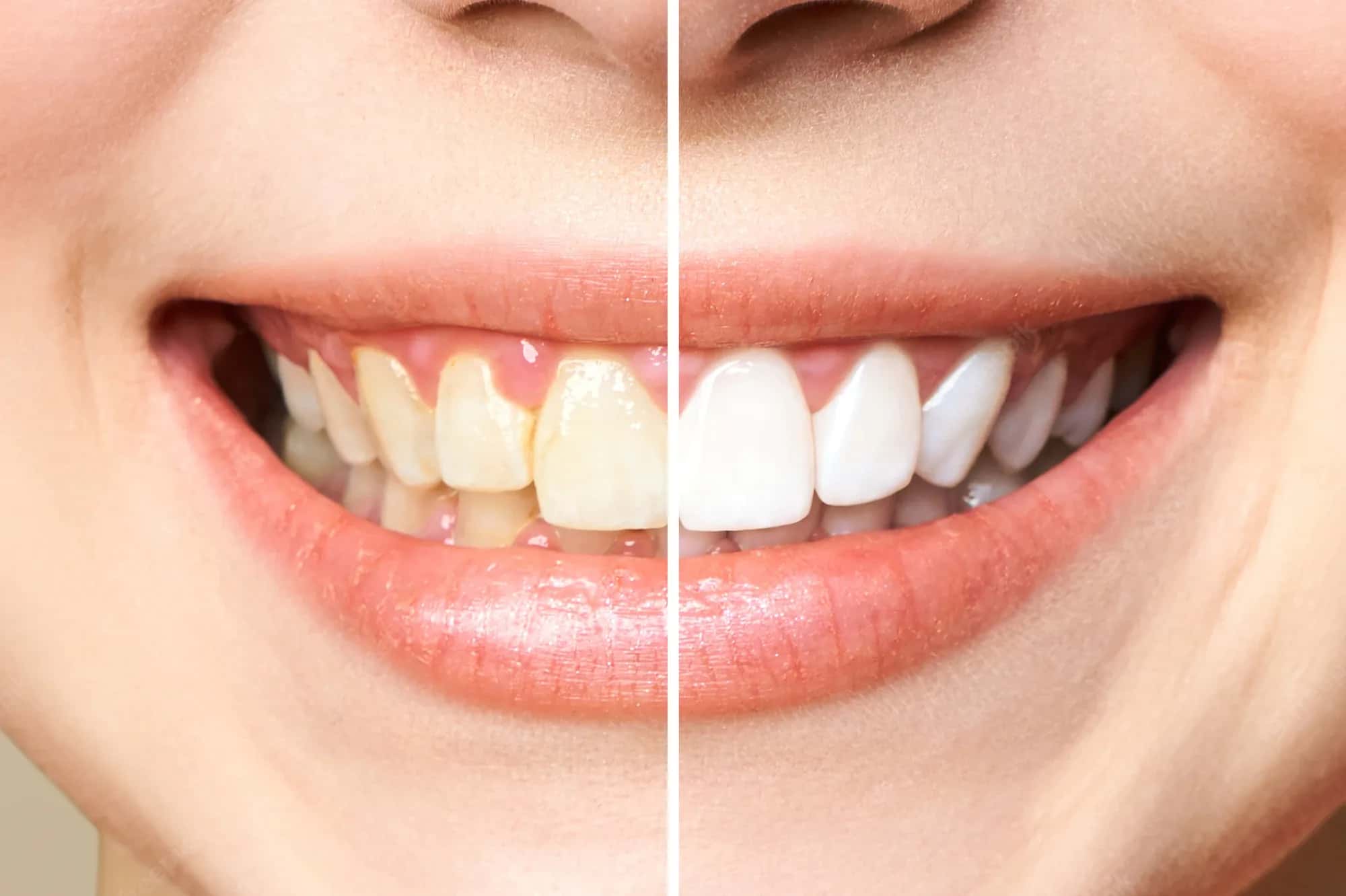
Teeth whitening costs around the world vary substantially, with professional treatment generally costing less in countries such as Turkey, Mexico and India than in the United States or United Kingdom.
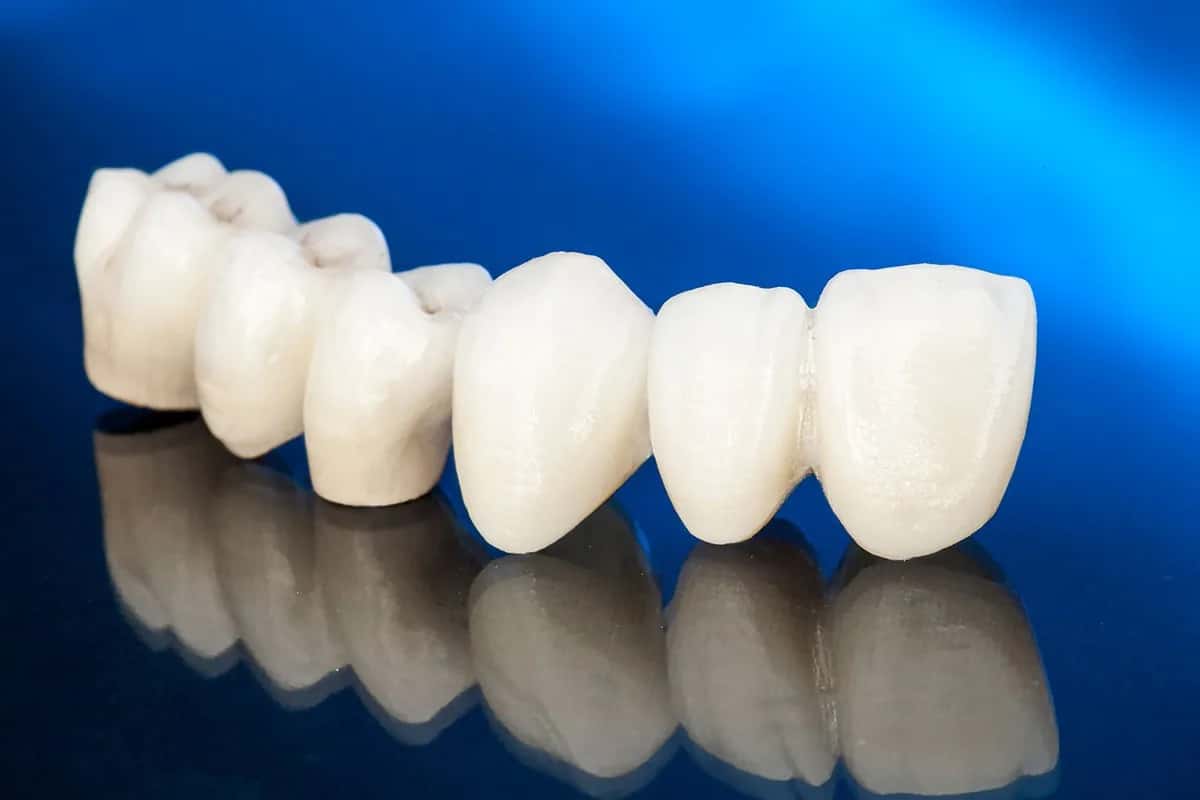
Zirconium crown costs around the world vary significantly, from approximately €180–€400 per tooth in Turkey to $1,000–$2,500 in the United States, based on published 2026 private-treatment prices.
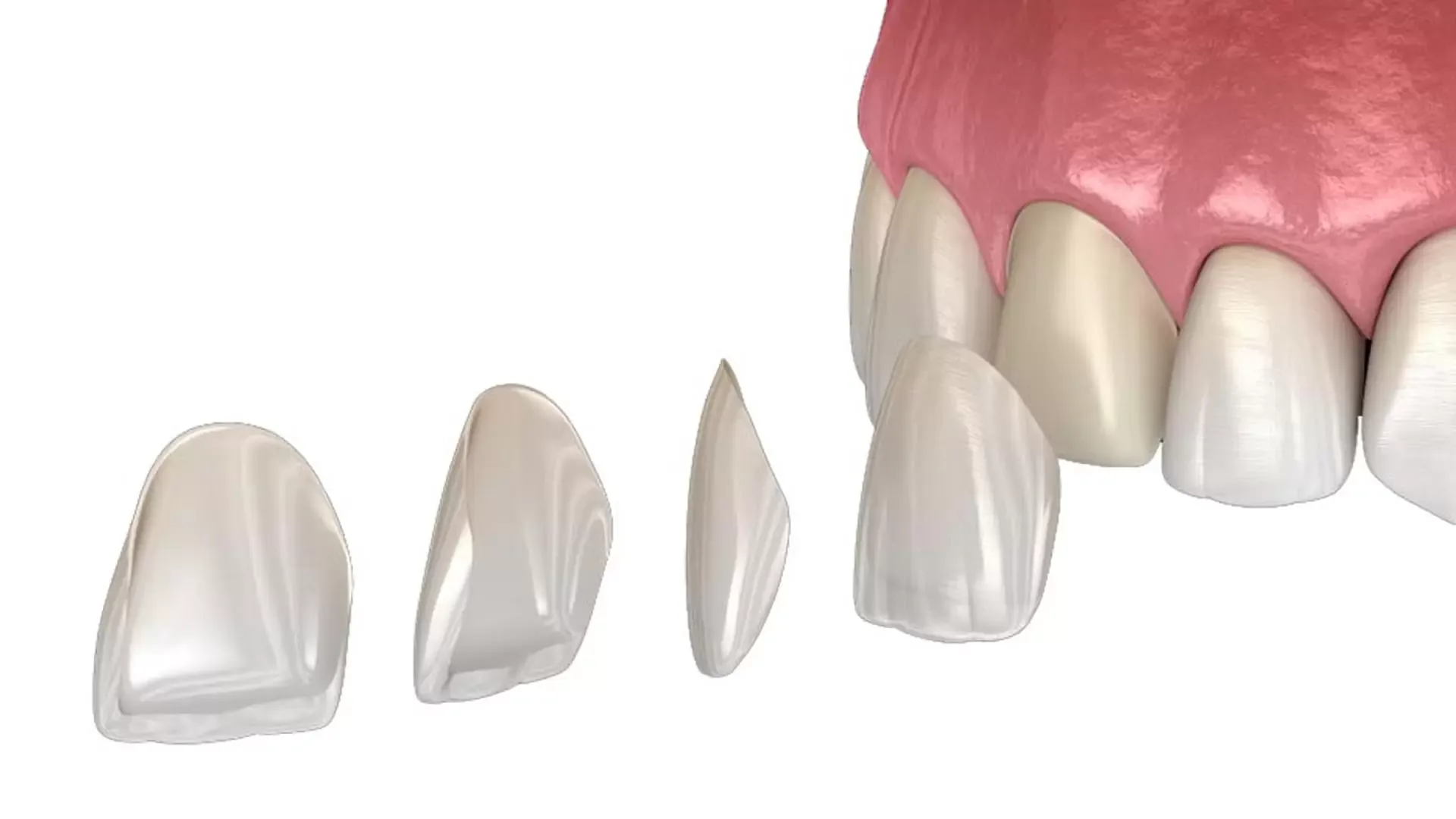
E-Max costs around the world differ significantly, with ceramic veneers and crowns available at lower published prices in countries such as Turkey, Mexico and Hungary than in the United States or United Kingdom.
Subscribe to the Medifinder newsletter and never miss our latest content.