










5 Things to Consider Before a Blood Test
A blood test is a commonly used evaluation method that provides important clues about the body’s general condition. 5 things to consider before a blood test.

- Last updated
- 111 reads
- 9 min read


5 Things to Consider Before a Blood Test
A blood test is a commonly used evaluation method that provides important clues about the body’s general condition. Many values such as blood sugar, cholesterol, liver enzymes, kidney functions, vitamin levels, hormones, and infection markers can be examined through a blood sample. Therefore, small mistakes made before the test may cause some results to appear different than expected.
Things to consider before a blood test may vary depending on the type of test to be performed. Some tests require fasting, while others allow you to continue your daily eating routine. Therefore, there is no single rule for everyone. Still, there are some basic points that apply before most blood tests.
Factors such as fasting duration, water intake, medication use, exercise, alcohol, and caffeine may affect blood values. Preparation is especially important for glucose, triglycerides, lipid profile, and some metabolic tests. In blood tests that require fasting, usually only water is allowed, and the fasting duration varies depending on the test type.
1. Follow the Required Fasting Duration
The most commonly asked question before a blood test is about fasting. Not every blood test is performed on an empty stomach. However, for some tests, food and drinks should not be consumed for a certain period to obtain accurate results. This period often ranges between 8 and 12 hours.
The reason fasting is required is that foods may enter the bloodstream and alter certain values. Blood sugar and fat levels in particular may be affected by the last meal. A heavy meal eaten late at night may cause some results to appear higher in a morning test.
During fasting, generally nothing other than water should be consumed. Tea, coffee, fruit juice, milk, chewing gum, and sugary products may break the fasting state. Even unsweetened coffee may not be suitable for some tests. Therefore, when fasting is mentioned, only water should be considered.
Extending the fasting period more than necessary is also not correct. Some people may fast for 16 or 18 hours thinking the results will be more accurate. This may cause weakness, dizziness, and low blood sugar. It may also affect some values unexpectedly.
When your blood test is scheduled for the morning, the fasting process is easier. Most of the fasting period is completed during sleep at night. Going to the test location in the morning after drinking only water is more comfortable for most people.
If you accidentally break the fasting rule, you should definitely report it. Even a small snack, coffee, or chewing gum may be important for some tests. In such a case, the test may need to be postponed or the result may need to be interpreted accordingly.
2. Do Not Completely Stop Drinking Water
Drinking water before a blood test is allowed in most cases. In fact, adequate water intake may make blood collection easier. When dehydrated, veins may become harder to identify and discomfort during the procedure may increase.
In tests requiring fasting, food and drinks other than water are generally avoided. Water is usually the only drink allowed in most preparation instructions. In laboratory preparation information, fasting is generally described as not consuming food or drinks except water.
The important point here is not to overdo it. Drinking too much water immediately before the test is not necessary. An amount close to normal daily water intake is sufficient. Small sips of water may be taken to relieve dry mouth.
Completely stopping water intake may cause headache and weakness in some people. This is more commonly felt by people going for blood collection early in the morning. Dehydration may unnecessarily make the blood draw more difficult.
Coffee and tea do not replace water. Especially in tests requiring fasting, caffeinated drinks should not be preferred. Even if consumed without sugar, they may affect metabolic responses. They may also cause palpitations and stomach sensitivity in some people.
If you have been given a specific warning about whether you can drink water before a blood test, follow that instruction. Fluid intake may be regulated differently for some special tests. However, plain water is considered safe for most routine blood tests.
3. Do Not Stop Medications and Supplements on Your Own
Medication use before a blood test requires attention. Some medications may affect test results. However, this does not mean that the person should stop taking medication on their own. Medications, vitamins, and herbal supplements used should definitely be reported before the test.
Blood thinners, diabetes medications, thyroid medications, hormone-containing products, and some vitamins are especially important. Depending on why the test was requested, the use of these products may be evaluated differently. In some cases, the medication is continued. In other cases, the test time is planned according to the medication time.
Stopping medications without a plan may create a bigger problem than the results. For example, not taking diabetes medication may disrupt blood sugar balance. Skipping blood pressure medication may cause discomfort during the day. Therefore, the decision should not be made based on personal assumptions.
Some blood tests are performed to measure medication levels. In such a test, when the medication was taken is very important. The blood sample may be scheduled according to the medication intake time. If this information is not provided, the result may be misinterpreted.
Supplements should not be considered harmless either. Vitamins, mineral supplements, and herbal products may affect some laboratory values. During test preparation, it is especially emphasized that medications, vitamins, and herbal products should be reported.
It is useful to bring a list of the products you use when going for a blood test. Noting the doses and times of use makes things easier. This allows test preparation to be managed more accurately.
4. Avoid Heavy Exercise, Alcohol, and Excessive Caffeine
You should avoid overstraining your body the day before a blood test. Heavy exercise may affect some muscle enzymes and metabolic values. After a long run, intense weight training, or unusual physical activity, some test results may appear different.
This may be more noticeable especially in people who do not exercise regularly. The body reacts to an unfamiliar load. Muscle pain, fluid loss, and temporary biochemical changes may occur. Therefore, it is more appropriate to stay at a light pace the day before the test.
Alcohol is another factor that should be considered before a blood test. It may affect values such as liver enzymes, triglycerides, and blood sugar. In tests requiring fasting, alcohol use may make the result even more misleading. Some tests may require avoiding alcohol for a longer period.
Caffeine consumption should also be moderate. In tests requiring fasting, avoiding coffee is safer. Caffeine may affect heart rhythm, stress response, and fluid balance in some people. Coffee consumed out of morning habit may unknowingly disrupt preparation.
Smoking may also affect results in some tests. Smoking immediately before the test may change vascular structure, pulse, and some metabolic responses. If possible, it is better to avoid it during the pre-test period.
A simple and balanced meal should be preferred the evening before the blood test. Very fatty, very sugary, and heavy meals may affect some values. This point is especially important if a lipid profile has been requested.
5. Check the Test Time and Preparation Instructions
The most practical thing to do before a blood test is to learn why the test was requested and whether preparation is needed. This is because not every test has the same preparation. Some hormone tests may be requested at specific times. Some metabolic tests require fasting. Some tests require no special preparation.
Morning hours are more suitable for many blood tests. If fasting is required, these hours are less difficult for the person. In addition, some values may naturally change throughout the day. Therefore, following the test time helps the results be evaluated more accurately.
Sleep pattern should not be overlooked either. Lack of sleep may affect stress hormones and general metabolic balance. Maintaining a normal sleep routine as much as possible before the test is good preparation. Going to bed very late may make the fasting period harder in the morning.
When going for a blood test, your ID, previous results, and medication list should be ready. This simple preparation reduces confusion on the day of the procedure. Especially if a value is being monitored regularly, previous results may be useful for comparison.
If you do not feel well before the test, state this. Fever, diarrhea, vomiting, intense stress, or an acute illness may affect some results. In such a case, the timing of the test may need to be reassessed.
People who may experience mild dizziness after blood collection may consider not going to the test location alone. Sitting for a short time instead of standing up immediately after the procedure may be more comfortable. If the fasting period ends after blood is drawn, you may keep a small snack with you.
Frequently Asked Questions
What Should Not Be Eaten Before a Blood Test?
Food should not be eaten in blood tests that require fasting. For tests that do not require fasting, it is more appropriate to avoid very heavy and fatty foods. Fried foods, pastries, very sugary desserts, and large portions in particular may affect some values.
Completely changing your usual diet the day before the test is also not correct. Eating much lighter than usual or following an extremely different eating pattern may affect the results. The goal is not to surprise the body, but to maintain daily balance.
Eating late at night may also affect morning values. The timing of the last meal is especially important in blood sugar and triglyceride measurements. Even if the fasting duration is calculated correctly, a heavy late-night meal may change the result.
Can Coffee Be Drunk Before a Blood Test?
It is more appropriate not to drink coffee before blood tests that require fasting. Even if it is unsweetened and without milk, coffee may affect some metabolic responses. It may also increase stomach acid and cause palpitations in some people.
For people with a coffee habit, postponing morning coffee may be difficult. Still, drinking it after the test is a safer choice. Coffee should be approached more carefully, especially if blood sugar, lipid profile, or hormone tests will be performed.
For tests that do not require fasting, coffee is not always prohibited. However, this may vary depending on the test type. Therefore, the most accurate approach is to follow the instructions given before the test.
Can Water Be Drunk Before a Blood Test?
Water can be drunk before most blood tests. In fact, adequate water intake may make it easier to find a vein. Plain water is generally allowed even in tests that require fasting.
The goal when drinking water is not to consume excessive amounts. Drinking a normal amount of water is sufficient. Drinking too much water may cause nausea and discomfort in some people.
Drinks other than plain water should be evaluated differently. Mineral water, herbal tea, coffee, fruit juice, and flavored drinks do not replace water. If fasting is required, these drinks should be avoided.
What Should Be Considered After a Blood Test?
After blood is drawn, pressure should be applied to the cotton-covered area for a short time. This may reduce the risk of bruising. Avoiding immediate strain on the arm may feel more comfortable.
After a fasting blood test, a light meal may be preferred. Eating very quickly and heavily may disturb the stomach. If you have fasted for a long time, it is better to start slowly.
If you feel dizziness, sweating, or weakness, sit down immediately. This usually passes within a short time. However, if the complaints continue, help should be requested.
The 5 things to consider before a blood test help results be evaluated more reliably. Following the fasting duration, not neglecting water intake, not stopping medications without a plan, avoiding heavy exercise and alcohol, and checking test instructions make the process smoother.
Source: https://medlineplus.gov/lab-tests/fasting-for-a-blood-test/
- Last updated
- Language
- English
How did you find this article?
This guide compares varicose vein surgery costs around the world in 2026, including EVLA, radiofrequency ablation, sclerotherapy, phlebectomy, vein stripping, insurance, and travel expenses.
Blood tests can reveal important clues about your heart and blood vessels long before a problem becomes obvious. They do not tell the whole story on their own, but they help your healthcare provider understand risk, investigate symptoms, monitor known conditions, and decide what steps may protect your long-term health.
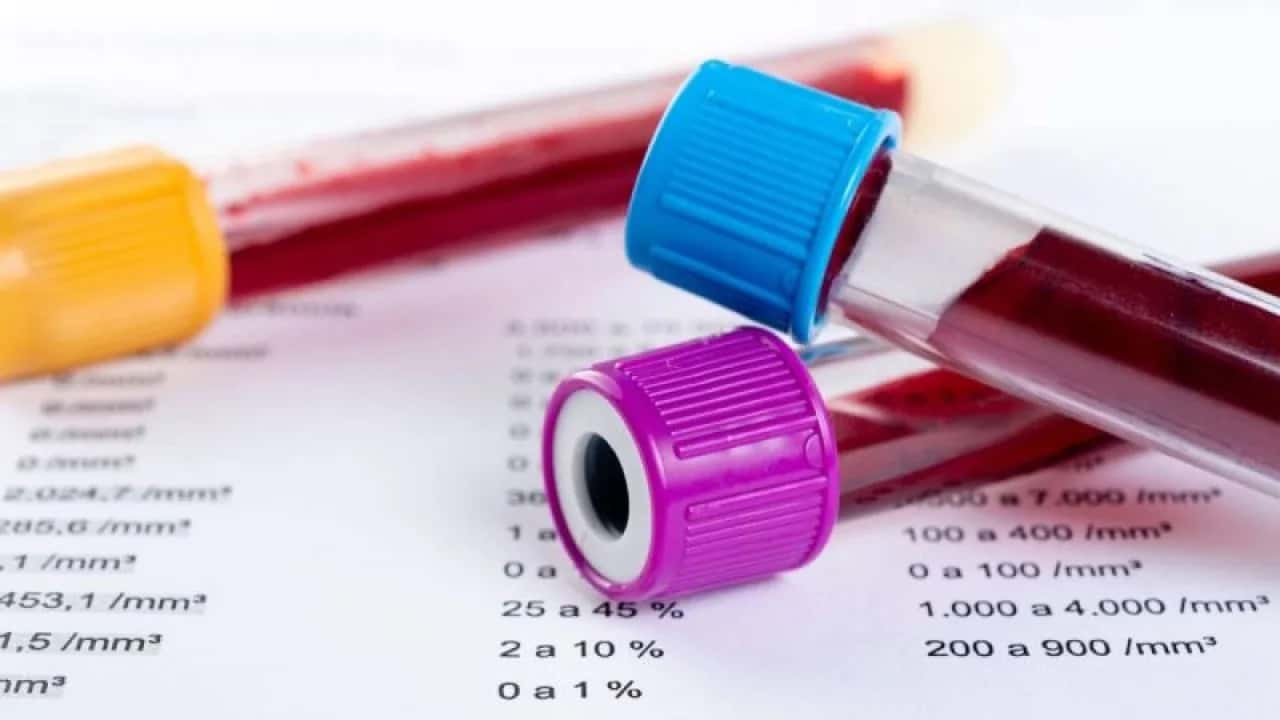
Cardiac Blood Tests are used to look for signs of heart muscle damage, heart strain, inflammation, and risk factors that may affect long-term cardiovascular health. They do not tell the whole story on their own, but they can give clinicians important clues when combined with symptoms, examination findings.
Subscribe to the Medifinder newsletter and never miss our latest content.