










5 Solutions for Lower Back Pain
Discover five practical solutions for lower back pain, including safe movement, heat therapy, exercise, ergonomic changes and careful medication use.

- Last updated
- 101 reads
- 9 min read


Lower back pain can make sitting, walking, sleeping and even putting on your shoes uncomfortable. It may begin after lifting something heavy, spending hours at a desk or making a sudden movement. In other cases, the pain develops gradually without one obvious cause.
Most episodes of uncomplicated lower back pain improve with time and sensible self-care. Staying completely still is rarely the best approach. Gentle activity, symptom control and a gradual return to normal movement are usually more helpful than spending several days in bed.
The right solution depends on the nature of your symptoms. A dull muscular ache across the lower back is different from pain that travels down one leg with numbness or weakness. Severe pain after an accident, pain accompanied by fever or changes in bladder and bowel control requires medical assessment rather than home treatment.
The following five approaches can help you manage many common forms of lower back pain safely.
1. Keep Moving Without Forcing the Pain
When your back hurts, your first instinct may be to lie down and avoid movement. A brief period of rest can feel comfortable, but prolonged bed rest often increases stiffness and makes returning to normal activities more difficult.
Try to remain as active as your symptoms allow. This does not mean continuing every task despite severe pain. It means avoiding complete inactivity and using gentle, tolerable movement throughout the day.
Short walks can be a useful starting point. You might walk around your home for a few minutes, rest and then repeat the activity later. If walking outside feels manageable, begin with a comfortable distance rather than testing how far you can push yourself.
Change position regularly. Remaining seated, standing or lying in one posture for a long time may increase discomfort. If you work at a desk, stand up periodically and take a few steps. If standing is painful, alternate it with supported sitting.
Movement should feel controlled. Avoid sudden twisting, heavy lifting and deep bending during the most painful stage. You do not need to keep your back perfectly straight at all times, but you should avoid repeatedly performing movements that sharply increase your symptoms.
A little soreness during recovery does not always mean that you are damaging your spine. However, stop and seek advice if movement causes new weakness, spreading numbness, loss of balance or rapidly increasing leg pain.
For persistent lower back pain, exercise and education are central parts of recommended nonsurgical care. The most useful programme is usually one that matches your ability, preferences and health rather than a single exercise routine applied to everyone.
2. Use Heat or Cold for Short-Term Comfort
Heat and cold cannot correct every cause of back pain, but they may make the early stages more comfortable.
A cold pack may help after a recent strain or sudden increase in pain, particularly when the area feels irritated. Wrap the pack in a thin towel and apply it for a short period. Do not place ice directly on your skin or fall asleep with it in place.
Heat may feel better when stiffness and muscle tension are the main symptoms. A warm shower, heating pad or wrapped hot-water bottle can help the muscles relax and make gentle movement easier.
The choice between heat and cold is often personal. Some people find warmth soothing from the beginning, while others prefer cooling after activity. You can use whichever method improves comfort without irritating your skin.
Avoid extreme temperatures. Heat should feel pleasantly warm rather than painfully hot. People with diabetes, reduced sensation, circulation problems or fragile skin should be especially cautious because they may not notice a burn or cold injury immediately.
Heat and cold should support movement rather than replace it. For example, you might use warmth for a short period before walking or performing gentle exercises. If a pack temporarily reduces pain but the symptoms return as soon as you move, the underlying problem may still need assessment.
Massage can also provide temporary relief for muscular tension. It should remain gentle, particularly when the pain is recent. Forceful spinal manipulation or aggressive pressure is not appropriate for every patient. Manual therapy is generally considered more useful when combined with exercise rather than used as a stand-alone treatment.
3. Adjust Daily Habits, Work Position and Sleep
Lower back pain is not always caused by one “bad” posture. Problems often arise when you remain in the same position for too long or repeatedly perform a task your body is not currently prepared to tolerate.
At a desk, place your screen where you can view it without constantly leaning forward. Keep your feet supported and position the keyboard close enough that your shoulders can remain relaxed. A small cushion behind the lower back may feel comfortable, but you do not need to force your spine into an exaggerated arch.
The best sitting position is usually the next one. Shift your weight, stand up regularly and change the angle of your hips and knees. A costly ergonomic chair cannot compensate for sitting without breaks for many hours.
When lifting an object, bring it close to your body before standing. Avoid combining heavy lifting with rapid twisting. If an object feels too heavy or awkward, divide the load or ask for assistance.
Sleep position can also affect comfort. If you sleep on your side, placing a pillow between your knees may reduce twisting through the pelvis. If you sleep on your back, a pillow beneath your knees may feel more comfortable. The ideal mattress is not necessarily the hardest one; it should support you without creating painful pressure.
Try to maintain regular sleep hours. Pain can disturb sleep, while poor sleep can make pain feel more intense the following day. If discomfort repeatedly wakes you, or you cannot find any position that provides relief, arrange a medical assessment.
A lumbar belt or corset may feel supportive for a short task, but it should not become your main treatment for ordinary back pain. Relying on a brace for every activity may reduce confidence in normal movement without addressing strength, mobility or the reason for your symptoms.
4. Build Strength and Mobility Gradually
Once the most painful stage begins to settle, gradual exercise can improve your ability to move, work and tolerate daily activity. You do not need an exhausting gym programme. Consistency is more important than intensity.
Walking is often accessible, but it is not the only option. Swimming, water exercise, cycling, yoga, Pilates-style movement and structured strengthening may suit different people. The correct choice depends on your symptoms and general fitness.
A balanced programme may include exercises for the abdominal muscles, back, hips and legs. Stronger surrounding muscles can help you tolerate lifting, standing and repeated movement more comfortably. Mobility exercises may also reduce stiffness, particularly around the hips and upper back.
Begin at a level you can recover from. If you perform a difficult workout on a relatively good day and remain substantially worse for the next several days, the increase was probably too large. Reduce the intensity or duration and progress more slowly.
Avoid copying advanced exercises simply because they are advertised for a slipped disc or sciatica. The same movement can help one person and aggravate another. A physiotherapist can assess your strength, movement pattern, work demands and fear of movement before creating a plan.
For chronic lower back pain, recommended care may combine exercise with education, psychological support or multidisciplinary rehabilitation. Pain lasting for months is influenced not only by muscles and joints but also by sleep, stress, confidence, working conditions and the sensitivity of the nervous system.
Exercise should be stopped and reviewed if it causes progressive weakness, numbness around the groin, bladder symptoms or a major increase in pain below the knee.
5. Use Pain Medication Carefully and Seek Assessment When Needed
Pain medication may help you remain active during a short episode, but it should be used carefully. A medicine that is suitable for another person may not be safe for you.
Anti-inflammatory medicines can cause stomach irritation, bleeding, kidney problems and cardiovascular complications in some patients. Their suitability may also change if you are pregnant, take blood-thinning medication or have high blood pressure.
Paracetamol, also known as acetaminophen, can damage the liver when the recommended dose is exceeded or when several products containing the same ingredient are combined. Cold and flu products may contain pain-relieving ingredients, so read labels before taking different medicines together.
Ask a doctor or pharmacist for advice if you have a long-term medical condition, use regular medication or are uncertain which product is appropriate. Painkillers and anti-inflammatory medicines can cause serious side effects when taken in high doses, used for extended periods or combined incorrectly.
Medication should make safe activity easier; it should not be used to hide pain so that you can continue heavy lifting or strenuous work. If you need pain relief every day, or the effect lasts only briefly, arrange an examination.
You may not need an X-ray or MRI for every episode. Imaging is generally reserved for situations in which serious disease is suspected, neurological symptoms are severe or progressive, or the result is likely to change treatment.
Is Lower Back Pain Caused by a Herniated Disc?
A herniated disc is one possible cause, but many people with lower back pain do not have a clinically significant disc problem. Changes seen on scans may also exist in people who have no pain.
Nerve irritation becomes more likely when pain travels through the buttock and down one leg. Tingling, numbness or weakness may accompany it. This pattern is often described as sciatica.
Mild sciatica may improve with conservative care, but progressive weakness requires prompt assessment. You should also seek advice if you begin tripping, cannot lift the front of your foot normally or notice increasing loss of sensation.
Do not assume that a massage, brace or exercise can “push the disc back into place.” Treatment should be based on your symptoms, examination and functional problems rather than a dramatic explanation seen online.
When Should You See a Doctor?
Arrange a medical appointment if your pain is severe, continues to worsen or does not begin to improve with basic self-care. Repeated episodes that interfere with work or sleep also deserve assessment.
Seek medical advice when lower back pain occurs with:
- Pain spreading down one or both legs
- Persistent numbness or tingling
- New weakness in a foot or leg
- Fever, chills or recent infection
- Unexplained weight loss
- A history of cancer
- Known osteoporosis or long-term steroid use
- Pain following a fall or accident
- Symptoms that remain intense at night
- Abdominal, urinary or pelvic symptoms
These features do not always mean that a serious condition is present, but they should not be managed solely with home remedies.
When Is Lower Back Pain an Emergency?
Seek emergency medical care if you develop difficulty controlling your bladder or bowels, numbness around the genitals, buttocks or inner thighs, or rapidly increasing weakness in both legs.
You should also seek urgent help after major trauma or when back pain is accompanied by severe abdominal pain, fainting, chest pain or difficulty breathing.
Do not wait for these symptoms to improve with heat, rest or medication. Loss of bladder or bowel control and progressive neurological weakness can indicate serious nerve compression requiring urgent assessment.
Conclusion
Five practical solutions for lower back pain are staying gently active, using heat or cold for temporary comfort, adjusting daily habits, building strength gradually and using medication responsibly.
Complete bed rest is rarely the best answer for uncomplicated pain. Short walks, frequent position changes and gradual exercise can help you return to normal activity. Heat, cold and medication may reduce discomfort, but they should support recovery rather than become the entire treatment plan.
Persistent leg symptoms, repeated episodes or pain that steadily worsens should be assessed professionally. Bladder or bowel changes, saddle-area numbness and rapidly progressing weakness require emergency medical care.
- Last updated
- Language
- English
How did you find this article?
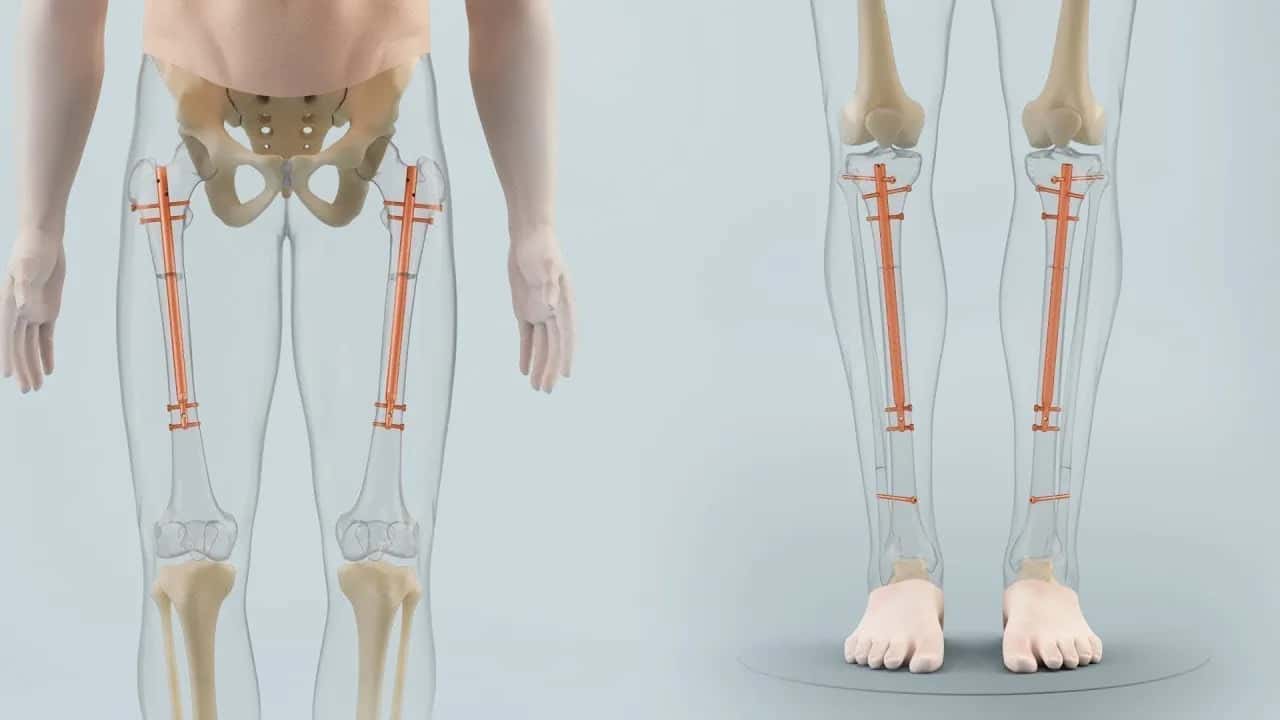
Height reduction surgery is a rare orthopedic procedure in which part of a leg bone is surgically shortened, primarily to correct meaningful limb-length differences rather than as a routine cosmetic operation for people who simply want to be shorter.
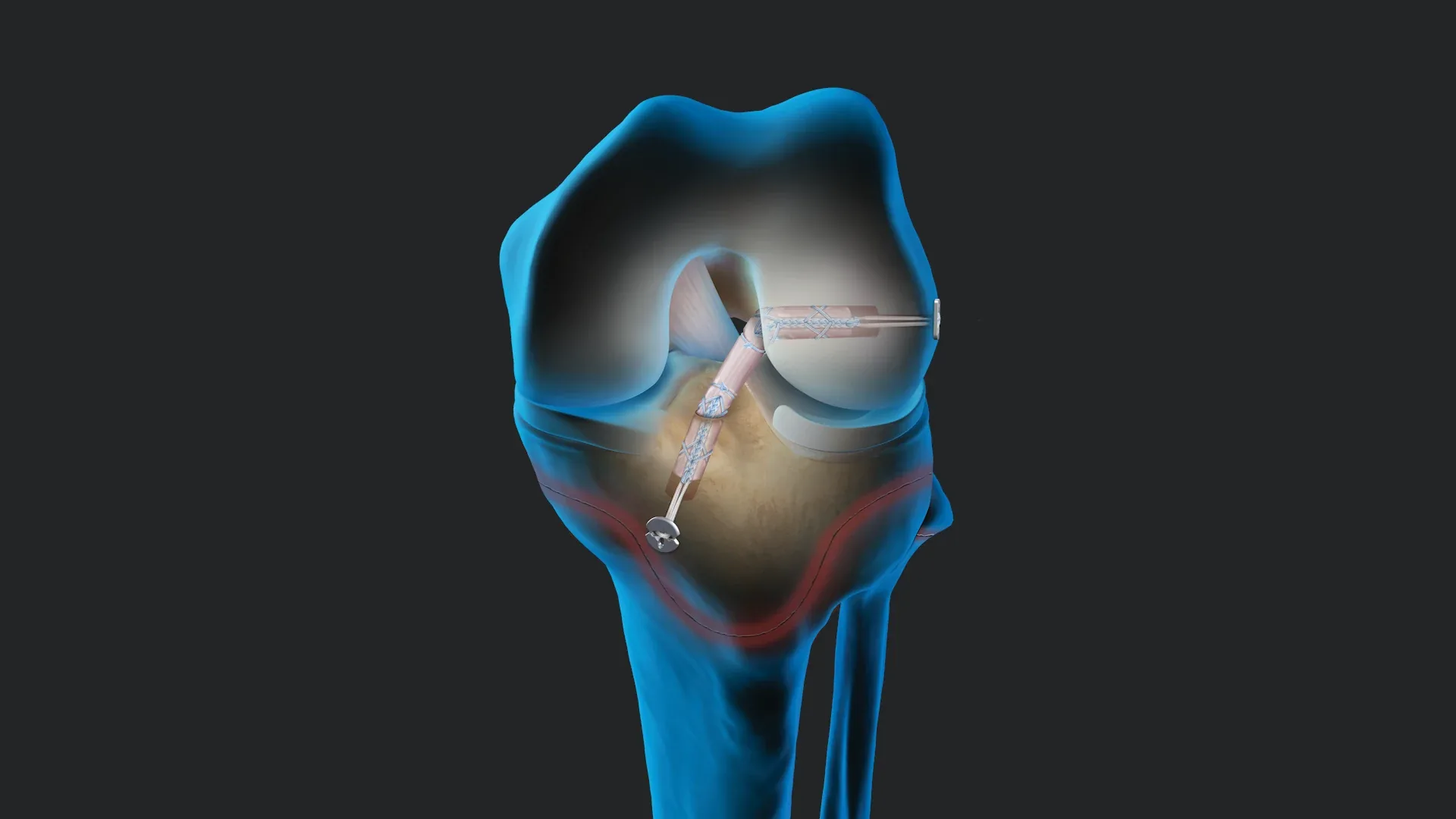
This guide compares ACL surgery costs around the world in 2026, including private treatment, graft choices, hospital packages, rehabilitation, insurance, and medical travel expenses.

Botox Treatment for Spasticity is a medical use of botulinum toxin injections to relax selected overactive muscles for a limited time. It is usually considered when muscle tightness, spasms, or stiffness affect comfort, movement, hygiene, caregiving, or daily activities.

Subscribe to the Medifinder newsletter and never miss our latest content.