










5 Drug-Free Mixtures for Toothache Relief
This guide explains five simple drug-free mixtures that may temporarily ease toothache discomfort and shows how to prepare and use each option safely.

- Last updated
- 43 reads
- 7 min read



What Are the Best Drug-Free Mixtures for Toothache Relief?
Five simple drug-free mixtures can provide temporary comfort by cleaning the mouth, soothing irritated tissues, or supporting a calmer oral environment.
-
Warm saltwater rinse helps clean the mouth and may soothe irritated gum tissue surrounding a painful tooth.
-
Baking soda rinse offers a mild cleansing option and can help reduce acidity inside the mouth.
-
Clove infusion contains naturally occurring compounds associated with temporary pain relief in dental applications.
-
Ginger and warm water create a mild herbal preparation with potential soothing and anti-inflammatory properties.
-
Turmeric and warm water provide another gentle herbal rinse that may support temporary oral comfort.
These mixtures should remain simple because concentrated ingredients can irritate sensitive gums or damaged oral tissues.
How Do You Make a Saltwater Rinse for Toothache?
A saltwater toothache rinse can be prepared by dissolving half a teaspoon of table salt in one cup of comfortably warm water.
Mix the solution until the salt has completely dissolved and the water looks clear. Take a small mouthful and gently move it around the painful area. Continue rinsing for approximately 20 to 30 seconds before spitting the mixture out. Avoid swallowing the solution.
The water should feel warm rather than hot because excessive heat can make a sensitive tooth more uncomfortable. A freshly prepared mixture is preferable for each use. This simple preparation requires no concentrated oils, extracts, or additional ingredients.
How Does Saltwater Help With Toothache?
Warm saltwater may temporarily ease toothache discomfort by gently cleaning the affected area and helping remove loose debris around teeth and gums.
The rinsing action can reach spaces that may feel uncomfortable when food particles become trapped near a sensitive tooth. Warm water can also feel soothing when gum tissue surrounding the painful area feels tender. Saltwater rinsing is commonly used as supportive oral self-care.
However, the mixture does not repair decay, seal a cracked tooth, or eliminate an infection inside a tooth. Its main role is temporary comfort and gentle cleansing while avoiding unnecessary irritation.
How Do You Make a Baking Soda Rinse for Toothache?
A mild baking soda rinse can be made by mixing half a teaspoon of baking soda into one cup of lukewarm water.
Stir the mixture thoroughly until the powder disperses throughout the water. Take a small amount into the mouth and gently rinse around the uncomfortable tooth for about 20 seconds. Spit out the liquid instead of swallowing it.
The mixture should remain watery rather than becoming a thick paste. Adding excessive baking soda does not make the rinse more effective and may create an unpleasant taste. Baking soda rinses are used in oral self-care because they provide a simple cleansing option.
Can a Baking Soda Rinse Reduce Toothache Discomfort?
A baking soda rinse may provide temporary comfort by creating a mild cleansing environment around the teeth and irritated gum tissue.
Baking soda can help neutralize acids inside the mouth, which makes it useful in several oral-care preparations. The rinse may also help loosen minor food residue surrounding a sensitive area. However, evidence for directly relieving toothache is more limited than evidence supporting warm saltwater rinsing.
For that reason, baking soda water should be considered a temporary comfort measure rather than a treatment for dental pain. Keep the mixture diluted and rinse gently. Stop using it if the mouth develops noticeable burning, irritation, or increased sensitivity.
How Do You Prepare a Clove Infusion for Toothache?
A mild clove infusion can be prepared by steeping two or three whole cloves in one cup of hot water and allowing it to cool completely.
Leave the cloves in the water for approximately five to ten minutes. Remove them once the water develops a light clove aroma. When the liquid reaches a comfortable temperature, gently rinse a small amount around the painful tooth. Spit the infusion out after rinsing.
Using a mild infusion avoids exposing sensitive oral tissue to highly concentrated clove essential oil. Concentrated oil can cause irritation when applied incorrectly. Keep the preparation simple and discontinue use if it produces burning or discomfort.
How Can Clove Infusion Help With Toothache?
Clove may temporarily reduce toothache discomfort because it naturally contains eugenol, a compound studied for analgesic and anti-inflammatory properties in dental applications.
Research on plant-derived approaches to dental pain has identified clove and eugenol among ingredients with potential pain-relieving activity. However, a homemade clove infusion is much less concentrated than standardized preparations used in research. Its effects can therefore be mild and unpredictable.
A gentle cooled infusion is preferable to placing concentrated essential oil directly against painful gums. The goal is temporary soothing without exposing irritated tissue to unnecessarily strong substances that could increase discomfort.
How Do You Make a Ginger Mixture for Toothache?
A mild ginger mixture can be prepared by steeping fresh grated ginger in warm water and using the cooled liquid as a gentle oral rinse.
Add approximately half a teaspoon of freshly grated ginger to one cup of hot water. Allow the mixture to steep for several minutes before straining it. Wait until the liquid becomes comfortably lukewarm before rinsing.
Ginger contains naturally occurring compounds studied for anti-inflammatory and pain-related effects, although evidence specifically involving homemade toothache rinses remains limited.
Use a mild preparation rather than concentrated ginger extracts. Spit the liquid out after rinsing and stop immediately if it irritates sensitive oral tissue.
How Do You Make a Turmeric Mixture for Toothache?
A simple turmeric mixture can be prepared by adding a small amount of turmeric powder to lukewarm water and gently rinsing the affected area.
Mix approximately half a teaspoon of turmeric powder with one cup of water. Stir thoroughly because turmeric does not completely dissolve. Take a small mouthful and gently move the mixture around the uncomfortable tooth before spitting it out.
Curcumin, a major component of turmeric, has been investigated for anti-inflammatory and pain-related properties, including dental applications.
A homemade rinse remains different from standardized preparations used in studies. Turmeric can also temporarily stain surfaces, so rinse the mouth gently with plain water afterward.
How Often Can You Use Drug-Free Toothache Mixtures?
Mild drug-free toothache rinses can generally be used periodically for temporary comfort, but repeated use should remain gentle and moderate.
Warm saltwater is the simplest option for occasional rinsing and has established use in oral self-care. Herbal mixtures require more caution because concentrations can vary considerably between homemade preparations.
Avoid continuously rinsing throughout the day or making mixtures progressively stronger when discomfort continues. Stronger preparations may irritate already sensitive gums without addressing the source of pain.
Use one mild mixture at a time. This approach also makes it easier to identify irritation or sensitivity caused by a particular ingredient.
Which Drug-Free Mixture Should You Try First for Toothache?
Warm saltwater is the most practical first drug-free mixture because it is simple, inexpensive, easy to prepare, and widely used for oral rinsing.
A basic saltwater rinse also avoids the variable concentrations found in homemade herbal preparations. This makes preparation more consistent and reduces unnecessary exposure to strong plant compounds.
Baking soda water can provide an alternative cleansing rinse. Mild clove, ginger, or turmeric mixtures may also be considered when the ingredients are well tolerated.
Using several mixtures simultaneously offers no clear advantage. Begin with the simplest preparation and avoid increasing ingredient concentrations in an attempt to achieve stronger pain relief.
What Should You Avoid Adding to a Toothache Mixture?
Toothache mixtures should not contain harsh, highly concentrated, or irritating ingredients that can damage sensitive gum and oral tissue.
Avoid placing aspirin or crushed pain tablets directly against the painful tooth or gums because direct contact can injure oral tissue. Undiluted essential oils should also be avoided because concentrated preparations may produce burning or irritation.
Very hot water is unsuitable because heat can intensify sensitivity and make inflamed tissue more uncomfortable. Strong alcohol mixtures and excessively acidic preparations should also be avoided.
Simple ingredients and mild concentrations are preferable. Adding more ingredients rarely improves a homemade rinse and can make unwanted reactions more difficult to identify.
Can Drug-Free Mixtures Cure the Cause of Toothache?
Drug-free mixtures can temporarily ease discomfort, but they cannot reliably cure the underlying condition responsible for a persistent toothache.
Dental pain can originate from decay, damaged teeth, inflammation, infection, gum problems, or other conditions requiring specific treatment. A rinse cannot rebuild damaged tooth structure or remove an infection inside a tooth.
For this reason, temporary improvement after rinsing does not necessarily mean the underlying problem has disappeared. These mixtures work best as short-term comfort measures rather than permanent solutions.
Persistent pain should not be repeatedly masked with increasingly concentrated homemade preparations because the original dental problem may continue progressing despite temporary relief.
When Should You Stop Relying on Home Mixtures for Toothache?
Home mixtures should stop being the main approach when toothache lasts longer than two days, becomes severe, or appears alongside swelling or fever.
Pain while biting, noticeably red gums, an unpleasant taste, or swelling around the jaw can also indicate a problem needing dental assessment.
Swelling extending toward the eye or neck requires greater urgency. Difficulty breathing, speaking, or swallowing together with dental swelling requires immediate medical attention.
Drug-free rinses may provide temporary comfort during mild symptoms, but they should not delay appropriate care when warning signs develop or pain continues.
- Last updated
- Language
- English
How did you find this article?
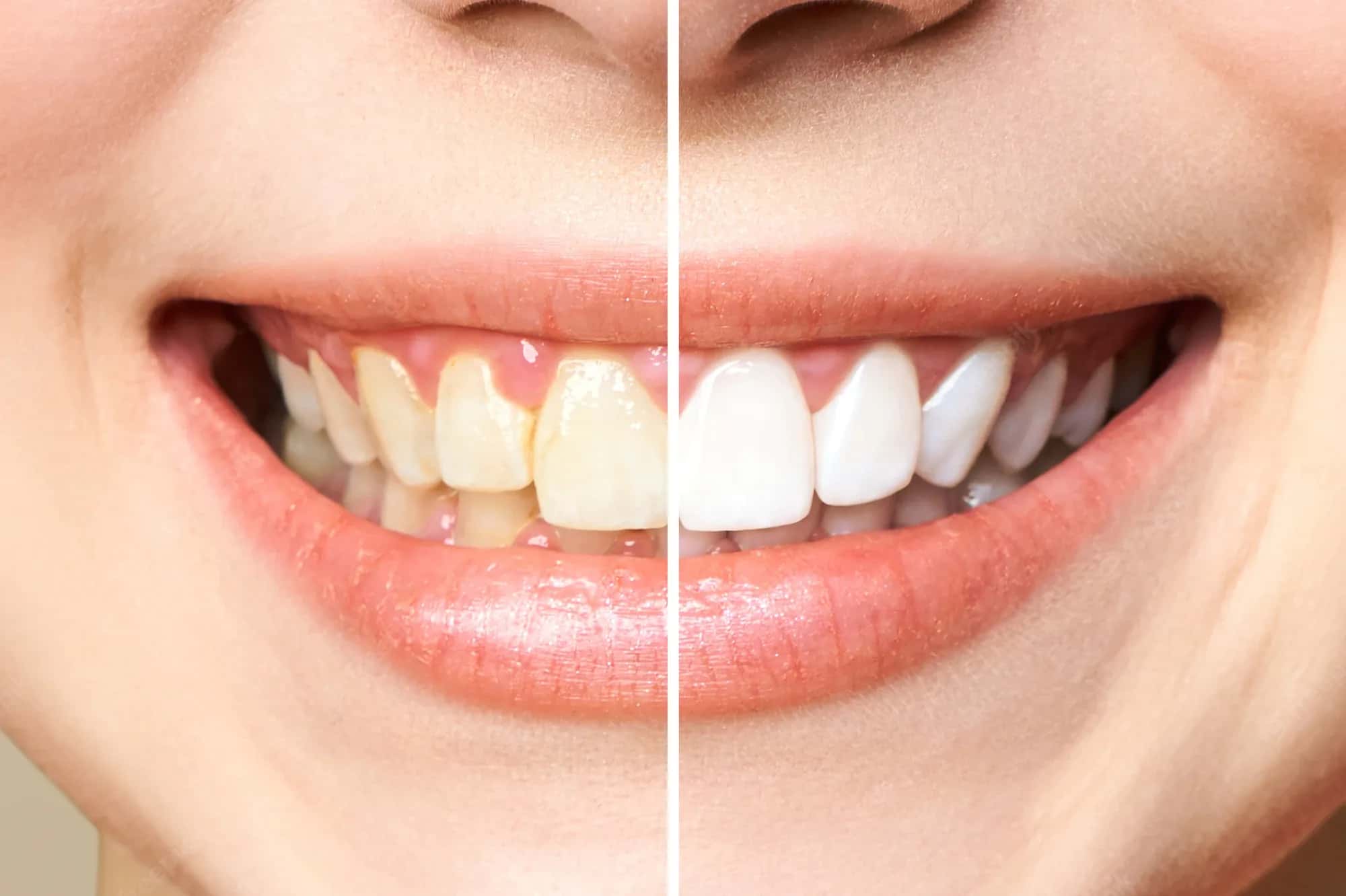
Teeth whitening costs around the world vary substantially, with professional treatment generally costing less in countries such as Turkey, Mexico and India than in the United States or United Kingdom.
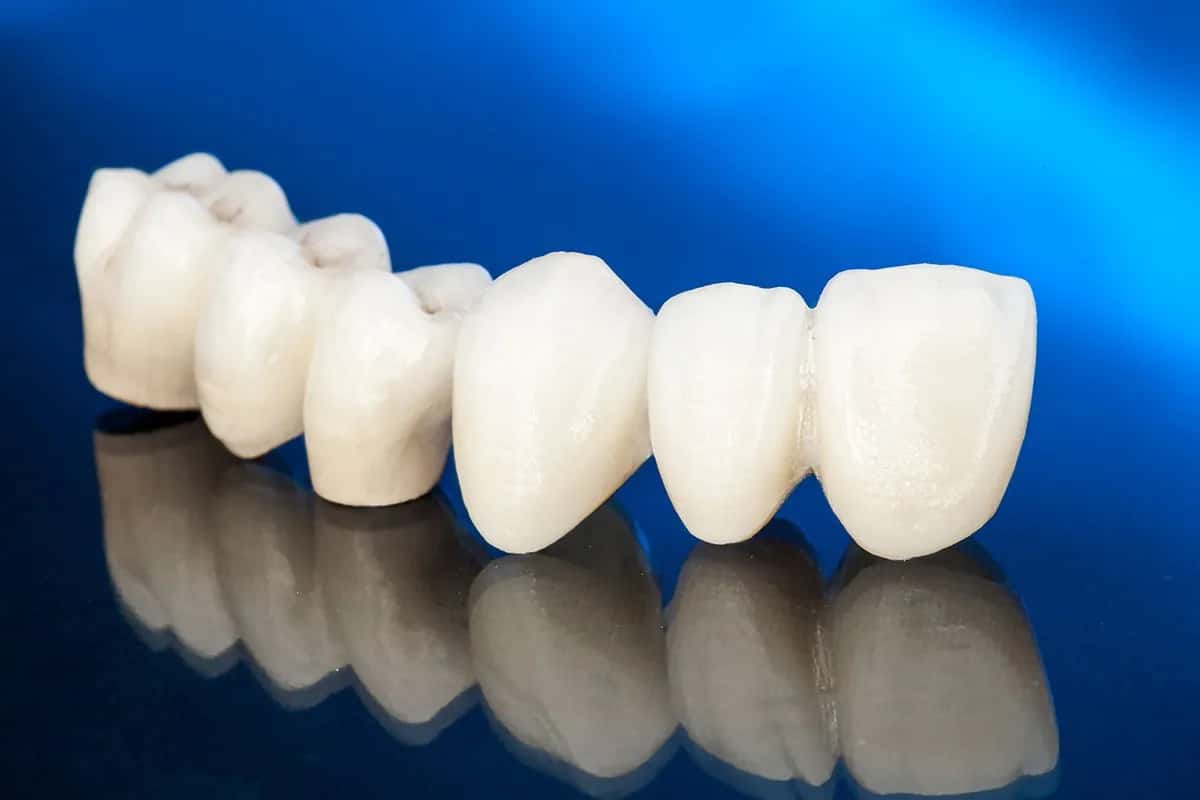
Zirconium crown costs around the world vary significantly, from approximately €180–€400 per tooth in Turkey to $1,000–$2,500 in the United States, based on published 2026 private-treatment prices.
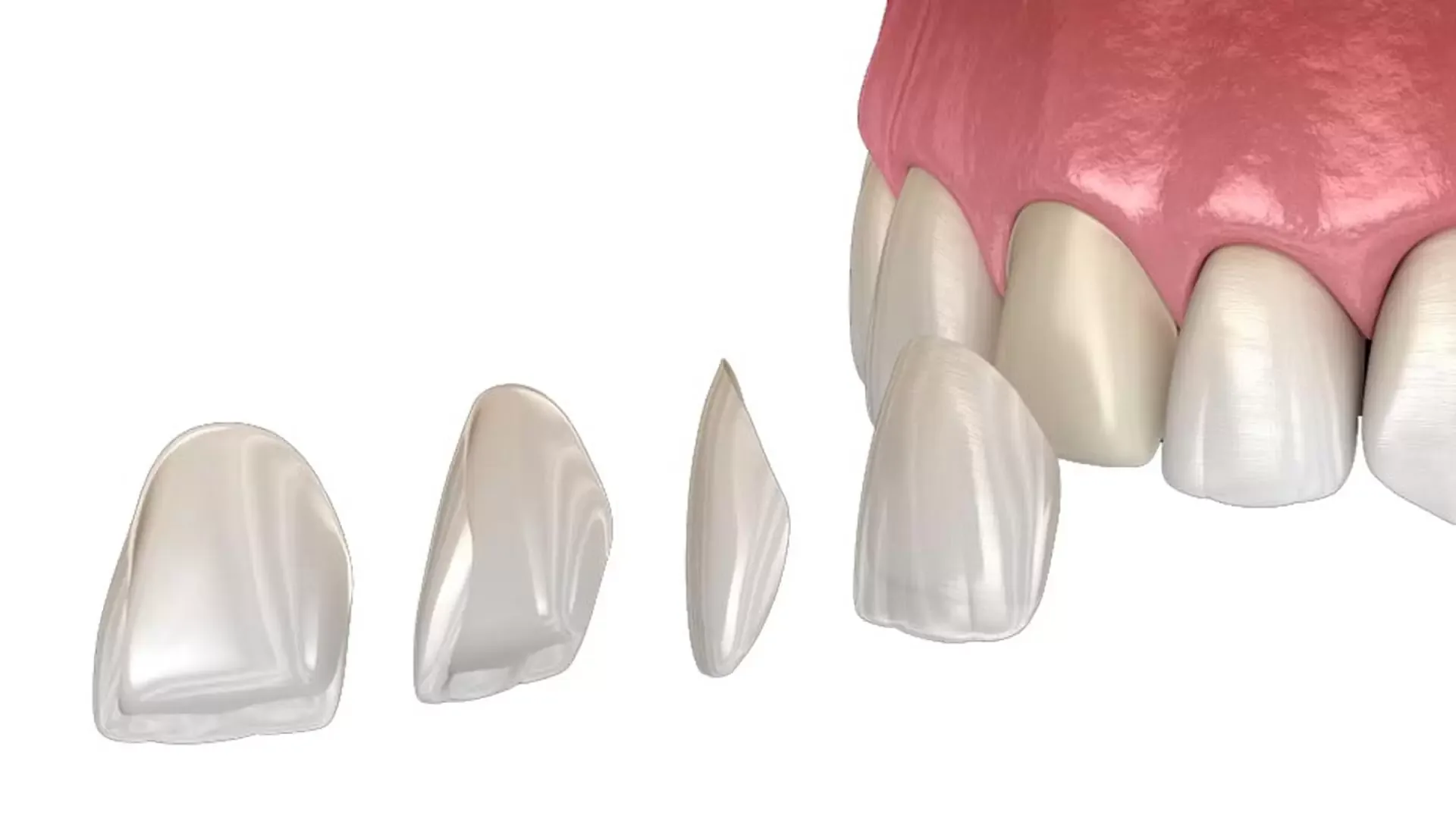
E-Max costs around the world differ significantly, with ceramic veneers and crowns available at lower published prices in countries such as Turkey, Mexico and Hungary than in the United States or United Kingdom.
Subscribe to the Medifinder newsletter and never miss our latest content.