










Insulin Resistance Symptoms
This guide explains the most common signs of insulin resistance, which symptoms are indirect, how metabolic changes appear, and when blood testing becomes more informative than symptoms alone.

- Last updated
- 22 reads
- 9 min read



What Are the Symptoms of Insulin Resistance?
Insulin resistance often causes no obvious symptoms, but several metabolic and physical changes can appear as the condition becomes more established. The body initially compensates by producing more insulin, which can keep blood glucose within a normal range for a long period.
Possible signs include:
-
Increased waist circumference
-
Difficulty managing body weight
-
Darkened skin folds
-
Skin tags
-
Elevated triglycerides
-
Lower HDL cholesterol
-
Higher blood pressure
-
Prediabetes or rising blood glucose
-
PCOS-related metabolic changes
These findings do not confirm insulin resistance individually. Their importance increases when several appear together alongside relevant blood-test abnormalities.
Can You Have Insulin Resistance Without Symptoms?
Insulin resistance can remain completely silent for years because the pancreas often compensates by producing additional insulin to maintain normal blood glucose. This compensation can hide the underlying metabolic problem before routine glucose measurements begin rising.
Someone may therefore feel well while insulin levels remain higher than the body previously required. Over time, compensation can become less effective and prediabetes or type 2 diabetes may develop.
The absence of symptoms does not rule out insulin resistance, particularly when abdominal obesity, family history, PCOS, abnormal cholesterol, or elevated blood pressure increases metabolic risk.
Does Insulin Resistance Cause Fatigue?
Insulin resistance can accompany fatigue, but tiredness alone does not reliably identify the condition because many unrelated problems produce the same symptom. Changes in glucose regulation, sleep quality, diet, physical activity, and body weight can all influence energy levels.
Some people notice reduced energy after large meals, particularly when meals contain substantial refined carbohydrates. However, this pattern can occur without insulin resistance as well.
Persistent fatigue becomes more informative when it appears alongside metabolic findings such as increasing waist circumference, elevated glucose, abnormal triglycerides, or PCOS. Blood testing provides stronger evidence than fatigue by itself.
Can Insulin Resistance Cause Weight Gain?
Insulin resistance often occurs alongside weight gain, particularly increased abdominal fat, although it does not automatically explain every change in body weight. Excess body fat can itself worsen insulin sensitivity, creating a cycle in which metabolic health becomes progressively harder to manage.
Higher insulin levels also influence how the body handles glucose and stored energy. However, total calorie intake, activity, sleep, medications, hormones, and genetics still contribute substantially to weight change.
Weight gain therefore works better as a metabolic clue than as a diagnostic symptom. The pattern becomes more relevant when central obesity develops alongside other insulin-resistance markers.
Is Belly Fat a Sign of Insulin Resistance?
Excess abdominal fat is strongly associated with insulin resistance because visceral fat can release signals that interfere with normal insulin activity. Waist circumference can therefore provide useful information about metabolic risk even when total body weight appears only moderately elevated.
Not everyone with abdominal fat has insulin resistance, and some people with insulin resistance do not have obesity. However, central fat accumulation remains an important clue when combined with abnormal glucose, triglycerides, blood pressure, or family history.
Reducing visceral fat through sustainable weight management and regular physical activity can improve insulin sensitivity and lower future metabolic risk.
Does Insulin Resistance Cause Increased Hunger?
Insulin resistance may contribute to increased hunger in some people, but hunger patterns alone cannot diagnose impaired insulin sensitivity. When cells respond less effectively to insulin, glucose regulation and appetite signaling can become less stable throughout the day.
Large meals rich in rapidly absorbed carbohydrates may produce stronger rises and falls in blood glucose, which can make hunger return sooner. Protein, fiber, and minimally processed foods often create longer-lasting satiety.
Persistent hunger should still be interpreted broadly because sleep deprivation, stress, restrictive dieting, medications, and many hormonal factors can produce similar changes without insulin resistance.
Can Sugar Cravings Be a Sign of Insulin Resistance?
Sugar cravings can occur alongside insulin resistance, but cravings are not a specific medical sign and cannot confirm the condition. Rapidly digested carbohydrates can create short-lived energy changes that encourage repeated snacking in some people.
Frequent intake of sugary foods can also reinforce behavioral preferences for sweet tastes, making cravings stronger regardless of metabolic status. Stress, poor sleep, restrictive dieting, and habitual eating patterns can produce the same effect.
Cravings become more meaningful when they occur with central weight gain, prediabetes, abnormal triglycerides, or other metabolic findings. Laboratory testing remains more reliable than food preferences alone.
Does Insulin Resistance Cause Sleepiness After Eating?
Insulin resistance can accompany post-meal sleepiness, although feeling tired after eating is not specific enough to diagnose the condition. Large meals, alcohol, poor sleep, high carbohydrate intake, and normal digestive responses can all reduce alertness temporarily.
People with impaired glucose regulation may experience stronger fluctuations after meals, which can contribute to feelings of low energy. However, the sensation does not reveal insulin levels or confirm abnormal insulin signaling.
Frequent post-meal fatigue becomes more relevant when metabolic risk factors are already present. A broader assessment of glucose, body composition, cholesterol, blood pressure, and lifestyle provides more useful information.
Can Insulin Resistance Cause Dark Skin Patches?
Insulin resistance can contribute to dark, thickened skin patches called acanthosis nigricans, which commonly appear around the neck, armpits, groin, or other skin folds. Higher circulating insulin levels can stimulate skin cells and encourage characteristic pigmentation and thickening.
The skin may feel velvety rather than simply darker, helping distinguish the condition from ordinary tanning or pigmentation changes. Acanthosis nigricans can also occur for other reasons.
When this skin change appears alongside obesity, PCOS, family history of diabetes, or abnormal blood glucose, investigating metabolic health becomes particularly important.
Are Skin Tags Associated With Insulin Resistance?
Multiple skin tags can appear more frequently in people with insulin resistance, especially around the neck, armpits, and other areas where skin folds together. Their presence does not prove insulin resistance because skin tags are common and can develop from age, friction, genetics, and other factors.
The association becomes more relevant when numerous tags appear alongside acanthosis nigricans or other metabolic risk markers. Skin changes sometimes provide an early visible clue before glucose rises significantly.
Removing skin tags addresses their appearance but does not correct underlying metabolic problems. Their broader significance depends on the complete metabolic picture.
Can Insulin Resistance Affect Women With PCOS?
Insulin resistance frequently affects women with PCOS and can contribute to difficulties involving weight management, irregular ovulation, and higher androgen activity. Elevated insulin can stimulate hormonal pathways that worsen several metabolic and reproductive features associated with PCOS.
Not every woman with PCOS has insulin resistance, and insulin resistance can also occur without PCOS. The two conditions nevertheless overlap often enough that metabolic assessment commonly becomes relevant.
Signs such as irregular periods, central weight gain, acne, increased facial hair, and abnormal glucose should be considered together rather than treated as proof of one underlying cause.
Can Insulin Resistance Affect Men?
Insulin resistance can affect men and may develop alongside central obesity, elevated triglycerides, high blood pressure, prediabetes, fatty liver, or reduced metabolic fitness. Men often develop visceral fat around the abdomen, which can strongly influence insulin sensitivity.
The condition may remain unnoticed because early insulin resistance rarely produces distinctive symptoms. A person can therefore feel healthy while metabolic risk gradually increases.
Changes in waist circumference, blood pressure, fasting glucose, and lipid levels provide more useful clues than subjective symptoms alone. Family history and physical inactivity can further increase the likelihood of developing impaired insulin sensitivity.
Does Insulin Resistance Cause High Blood Sugar?
Insulin resistance can eventually cause high blood sugar when the pancreas can no longer produce enough extra insulin to compensate for reduced cellular sensitivity. During earlier stages, blood glucose may remain normal despite elevated insulin levels.
This progression explains why insulin resistance can exist before prediabetes appears. As compensation becomes less effective, fasting glucose and HbA1c may begin moving into abnormal ranges.
Rising blood sugar therefore often represents a later metabolic sign rather than the first detectable change. Monitoring trends over time can identify deterioration earlier than waiting for obvious diabetes symptoms.
Can Insulin Resistance Cause High Triglycerides?
Insulin resistance can contribute to elevated triglycerides because impaired insulin signaling changes how the liver processes and stores fats. High triglycerides often appear together with lower HDL cholesterol, abdominal obesity, and rising blood glucose.
This pattern forms part of a broader metabolic profile rather than an isolated symptom. A person may discover possible insulin resistance during routine blood testing despite feeling completely well.
Abnormal triglycerides should therefore prompt attention to diet, body weight, physical activity, alcohol intake, glucose regulation, and other cardiovascular risk factors. The complete lipid pattern provides more information than one laboratory result alone.
Is High Blood Pressure Linked to Insulin Resistance?
High blood pressure frequently occurs alongside insulin resistance as part of the cluster of metabolic changes associated with increased cardiovascular risk. Excess abdominal fat, inflammation, altered vascular function, and abnormal sodium handling can connect these conditions.
Blood pressure usually rises silently, just as insulin resistance often develops without clear symptoms. Their combination can therefore remain unnoticed unless routine measurements identify the problem.
A person with increased waist circumference, elevated triglycerides, high glucose, and high blood pressure has a stronger metabolic risk pattern than someone with only one finding. These markers should be interpreted together.
Does Insulin Resistance Cause Frequent Urination or Thirst?
Frequent urination and excessive thirst usually appear when blood glucose has become significantly elevated rather than during uncomplicated early insulin resistance. These symptoms may therefore suggest progression toward diabetes rather than insulin resistance alone.
When glucose rises above the kidneys ability to reabsorb it, glucose enters the urine and pulls additional water with it. This process increases urination and can create persistent thirst.
Unexplained frequent urination, strong thirst, blurry vision, or unexpected weight loss deserves timely blood glucose testing. Waiting for these symptoms before assessing metabolic health can miss earlier stages of insulin resistance.
Can Insulin Resistance Affect Energy During Exercise?
Insulin resistance can influence exercise tolerance indirectly through excess body weight, reduced metabolic fitness, blood glucose fluctuations, and associated cardiovascular risk factors. The condition does not usually cause one distinctive exercise symptom that reliably identifies it.
Regular physical activity can improve insulin sensitivity because working muscles use glucose more effectively and become more responsive to insulin over time. Both aerobic exercise and resistance training can support this process.
Unusual exercise intolerance should still be evaluated broadly because anemia, heart disease, lung conditions, sleep problems, and many other causes can reduce energy. Insulin resistance represents only one possible contributor.
How Is Insulin Resistance Detected?
Insulin resistance is usually identified through a combination of metabolic risk factors, physical findings, and blood tests rather than one symptom or single routine laboratory value. Fasting glucose and HbA1c help detect prediabetes or diabetes, while lipid testing can reveal associated metabolic changes.
Waist circumference, blood pressure, PCOS, fatty liver, and acanthosis nigricans can provide additional context. Fasting insulin or calculated insulin-resistance indices may sometimes add information, but they are not universally used as standalone diagnostic tests.
The most useful assessment therefore examines the overall metabolic pattern rather than searching for one definitive symptom.
When Should You Get Tested for Insulin Resistance?
Testing becomes especially important when metabolic risk factors accumulate even if no obvious symptoms are present. Increased waist circumference, prediabetes, PCOS, fatty liver, abnormal cholesterol, high blood pressure, or a strong family history can justify closer assessment.
Testing also becomes relevant when dark velvety skin patches develop or previous glucose results begin trending upward. Early identification matters because insulin resistance can progress silently for years.
Waiting until excessive thirst or frequent urination appears may delay recognition until blood glucose has already increased substantially. Routine metabolic screening can identify risk at an earlier and more manageable stage.
Can Insulin Resistance Improve?
Insulin resistance can improve significantly when body composition, physical activity, sleep, nutrition, and underlying metabolic conditions move in a healthier direction. Losing excess visceral fat often produces a meaningful improvement because abdominal fat strongly influences insulin sensitivity.
Regular resistance and aerobic exercise can also help muscles use glucose more efficiently, even before major weight loss occurs. Dietary patterns emphasizing minimally processed foods, adequate protein, fiber, and appropriate calorie intake can support the same goal.
The degree of improvement depends on the underlying metabolic situation, but early intervention can reduce progression toward prediabetes and type 2 diabetes.
- Last updated
- Language
- English
How did you find this article?
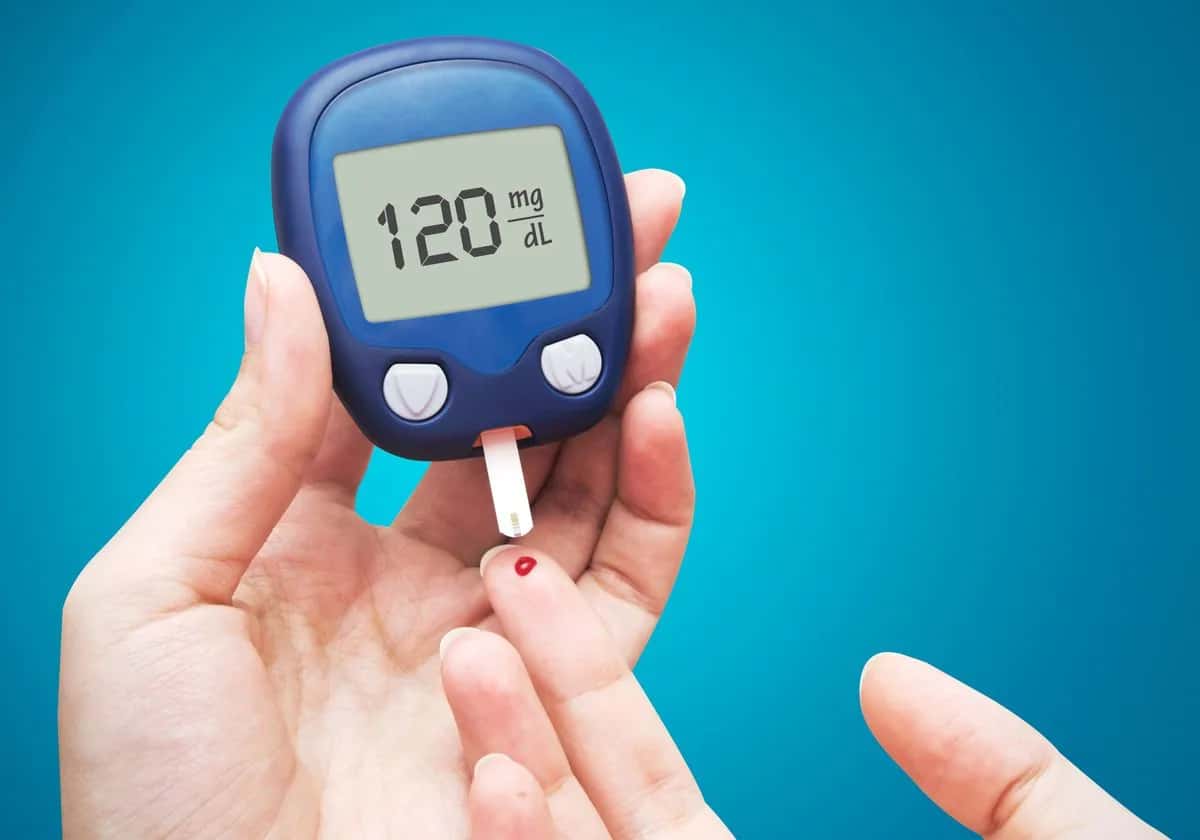
This guide explains healthy fasting blood sugar levels, prediabetes and diabetes ranges, testing requirements, common causes of abnormal results, and how fasting glucose should be interpreted.
This guide explains what HOMA-IR measures, how it is calculated, what higher values can suggest, and why the result should be interpreted with other metabolic findings.

This guide explains how Mounjaro can affect weight, appetite, body composition, weight-loss plateaus, side effects, treatment discontinuation, and realistic long-term weight management.
Subscribe to the Medifinder newsletter and never miss our latest content.