










What is the Lumecca BBL Laser?
Learn how Lumecca and BBL light treatments work, which pigmentation and redness concerns they may improve, what recovery involves, and who should avoid treatment.

- Last updated
- 149 reads
- 9 min read


The phrase “Lumecca BBL laser” often appears in clinic menus and online searches, but it combines two different brand names. Lumecca is an intense pulsed light system made by InMode, while BBL, or BroadBand Light, refers to a separate light-based platform made by Sciton. Both treatments use controlled pulses of broad-spectrum light, but they are not the same machine.
Neither treatment is technically a traditional laser. A laser usually emits one concentrated wavelength of light. Lumecca and BBL use a broader range of wavelengths that practitioners can filter and adjust for different skin concerns. The devices direct this light toward pigment, redness, superficial blood vessels and visible signs of sun damage.
You may consider one of these treatments when your skin shows freckles, sun spots, uneven colour, facial redness or small visible vessels. The results depend on the type of concern, your natural skin tone, recent sun exposure and the experience of the person operating the device.
Is Lumecca the Same as BBL?
Lumecca and BBL belong to the same general category of aesthetic light treatment, but they use different hardware, software, filters and treatment protocols.
Lumecca uses intense pulsed light, commonly shortened to IPL. Current versions include cooling technology and adjustable settings designed for pigmented and vascular concerns. BBL also uses an advanced form of intense pulsed light and allows practitioners to select filters and pulse settings for different targets.
The difference resembles two manufacturers producing cars for a similar purpose. Both devices may treat sun damage and redness, but their controls, treatment tips and delivery systems differ.
You should not choose treatment based only on the brand name. The practitioner’s assessment, your skin type and the settings used often matter more than whether the clinic offers Lumecca or BBL.
Why Is It Often Called a Laser?
Many clinics use the word “laser” because patients recognise it as a general term for energy-based skin treatment. From a technical perspective, IPL and BBL devices are non-laser light systems.
A traditional laser produces a narrow, focused wavelength. IPL devices emit multiple wavelengths in rapid pulses. Filters remove unwanted parts of the spectrum so that the remaining light reaches the intended target.
This broader range allows one platform to address several colour-related concerns. However, it also requires careful setting selection. The same pulse that treats a brown spot may not suit facial redness, darker skin or recently tanned skin.
Regulatory classifications describe IPL as a light-based, non-laser device that creates a controlled thermal effect within tissue.
How Does Lumecca BBL Technology Work?
These treatments rely on a process called selective photothermolysis. The device delivers a pulse of light, and specific coloured structures within the skin absorb it.
Melanin absorbs light when the practitioner targets brown pigmentation. Haemoglobin absorbs light when the practitioner treats redness or small blood vessels. The absorbed energy changes into heat, which damages the selected target while aiming to limit injury to the surrounding skin.
After treatment, dark spots may become temporarily darker. The skin gradually brings the treated pigment toward the surface, where it flakes or fades. Small vessels may darken, collapse or become less noticeable as the body clears the treated tissue.
The practitioner must match the wavelength range, pulse duration and energy level to your skin. Incorrect settings can overheat the surface and cause burns or pigment changes.
What Can Lumecca or BBL Treat?
Lumecca and BBL treatments mainly target visible colour irregularities. They may improve sun-related pigmentation, freckles, age spots, redness and selected superficial vessels.
Common treatment areas include the face, neck, chest, shoulders, arms and hands. These areas often collect sun exposure over many years and may show uneven pigmentation before less exposed parts of the body.
You may consider treatment for:
-
Freckles and sun spots
-
Uneven-looking skin tone
-
Facial redness
-
Small visible vessels
-
Selected signs of photodamage
-
Patchy discolouration on the chest or hands
-
General loss of skin clarity
Lumecca is marketed for pigmented and vascular lesions, superficial vessels and photodamage, while BBL systems offer protocols for pigmentation, redness and signs of ageing.
What Can It Not Treat?
A light treatment cannot correct every skin concern. It does not remove loose skin, replace lost facial volume or produce the lifting effect of surgery.
Deep acne scars, strong expression lines and significant sagging require different approaches. You may need resurfacing, microneedling, radiofrequency treatment, injectable treatment or surgery, depending on the cause.
IPL also does not remove every type of pigmentation safely. A dark mark may represent sun damage, post-inflammatory pigmentation, melasma or a suspicious skin lesion. These conditions can look similar but respond differently.
You should not allow a clinic to treat an unidentified mole or changing lesion as a cosmetic spot. A dermatologist should assess any area that changes in shape, colour, size or behaviour.
What Happens During a Treatment Session?
The appointment should begin with a consultation. The practitioner examines your skin, asks about sun exposure and reviews medicines, supplements and previous cosmetic procedures.
You receive protective eyewear before treatment. The practitioner cleans the area and may apply cooling gel, depending on the device and protocol.
The treatment tip rests against the skin and releases short flashes of light. You may see brightness even with your eyes covered. Each pulse may feel like a quick snap, heat or mild sting.
The session length depends on the size of the area. A small facial treatment may finish relatively quickly, while the face, neck and chest require more time.
The practitioner may cool the skin during or after the procedure. You can usually leave the clinic soon afterward.
Does Lumecca BBL Treatment Hurt?
Most patients tolerate the procedure without injectable anaesthesia. The sensation often feels like a warm elastic-band snap.
Sensitive areas around the nose and upper lip may feel sharper. Dark pigment can also absorb more energy and produce a stronger sensation during the pulse.
Pain should remain brief and manageable. You should tell the practitioner if the heat feels excessive or continues building. Severe pain does not indicate that the treatment is working better.
Cooling technology and conservative settings can improve comfort. A clinic should never increase the power simply to create a dramatic reaction.
How Many Sessions Do You Need?
Some patients notice improvement after one session, particularly when they have clear, superficial sun spots. Other concerns require several appointments.
Redness, widespread photodamage and recurring pigmentation may need a course of treatments. The practitioner should allow enough time between sessions for your skin to recover and for the treated pigment to clear.
Your response depends on:
-
The depth and type of pigmentation
-
The amount of redness
-
Your natural skin tone
-
The treatment area
-
Previous sun exposure
-
The settings used
-
Your aftercare habits
A fixed treatment package does not suit everyone. Your practitioner should assess the response before repeating the procedure.
What Does Recovery Look Like?
Your skin may appear red, warm or slightly swollen immediately after treatment. These effects usually improve gradually.
Brown spots often become darker during the first few days. They may look like tiny specks of coffee grounds before fading or flaking. You should allow them to clear naturally rather than scratching or scrubbing them.
Facial redness may initially appear stronger before it settles. Small vessels can darken temporarily after the light affects them.
Most patients continue ordinary daily activities, but visible redness or darkened spots may remain for several days. The intensity of recovery depends on the settings and the amount of pigment treated.
How Should You Care for Your Skin Afterwards?
Use a gentle cleanser and moisturiser while your skin feels sensitive. Avoid scrubs, exfoliating acids, retinoids and strong active ingredients until the practitioner advises you to restart them.
Do not pick at darkened spots or flaking skin. Removing them early may increase irritation and post-inflammatory pigmentation.
Apply broad-spectrum sunscreen every day. Wear a hat and avoid deliberate tanning. Sun exposure after treatment can reduce improvement and raise the risk of uneven colour.
You may also need to avoid hot baths, saunas, steam rooms and intense exercise for a short period. Follow the instructions provided for your skin and treatment intensity.
Is Lumecca BBL Suitable for Dark Skin?
Practitioners must use additional caution when treating darker skin because natural melanin absorbs light. If the device delivers too much energy to the skin surface, it may cause burns, darkening or lightening.
This does not mean that every person with darker skin must avoid IPL. Newer systems may offer settings for a broader range of skin tones. However, suitability depends on the device, the target and the practitioner’s experience.
A test spot may help the practitioner observe how your skin responds before treating a large area. You should also disclose any history of dark marks after acne, cuts, burns or cosmetic procedures.
Never undergo treatment while tanned. A tan increases the amount of melanin near the surface and makes it harder for the device to distinguish between normal skin and unwanted pigment. Light-based procedures can cause burns, blisters and colour changes, particularly when settings do not match the skin.
Who Should Postpone or Avoid Treatment?
You may need to postpone Lumecca or BBL treatment if you have recent sun exposure, sunburn or an active tan.
The practitioner should also review:
-
Photosensitising medicines
-
Active skin infection
-
Open wounds
-
Current cold sores
-
Severe inflammatory skin conditions
-
Previous abnormal scarring
-
Pregnancy
-
Recent chemical peels or laser treatment
-
A history of pigment problems after procedures
-
Suspicious or undiagnosed skin lesions
Some antibiotics, acne medicines and herbal products can increase sensitivity to light. Do not stop prescribed treatment independently. Ask the prescribing clinician and the treating practitioner for advice.
What Are the Risks?
Common temporary effects include redness, warmth, swelling, tenderness and darkening of treated spots.
More significant complications can include blistering, burns, prolonged redness, infection, scarring and permanent changes in skin colour. Eye injury can occur without appropriate protection, which is why protective eyewear remains essential during the procedure.
Contact the clinic if you develop increasing pain, blisters, grey skin, open wounds, pus or rapidly worsening swelling. Do not apply random creams or home remedies to a possible burn.
Prompt assessment can reduce the likelihood of long-term marks.
How Do You Choose Between Lumecca and BBL?
Both platforms can provide improvement when a trained practitioner chooses the correct patient and settings. You do not need to select a device based on marketing claims alone.
Ask the clinic which exact machine they use, who performs the treatment and how often they treat your skin tone. Request realistic photographs taken under consistent lighting.
A careful practitioner should explain:
-
Which concern they plan to target
-
Why light treatment suits it
-
How many sessions you may need
-
What reaction you should expect
-
Which risks apply to your skin
-
What alternatives are available
Avoid treatment when a clinic promises complete removal of every spot or describes the procedure as risk-free.
Conclusion
The term “Lumecca BBL laser” usually refers to advanced intense pulsed light treatment, but Lumecca and BBL are separate branded systems. Neither device works as a traditional single-wavelength laser.
Both technologies deliver controlled pulses of broad-spectrum light. Pigment and blood vessels absorb selected wavelengths, convert them into heat and gradually become less visible.
The treatment may improve sun spots, freckles, redness, small vessels and general uneven tone. It cannot lift significant loose skin, replace lost volume or treat every type of pigmentation.
Your natural skin tone, sun exposure and the practitioner’s settings strongly influence safety. Choose an experienced medical professional, avoid treatment while tanned and follow careful sun protection afterwards.
A successful result should produce clearer, more even-looking skin without using more heat or energy than your skin can safely tolerate.
- Last updated
- Language
- English
How did you find this article?
Many singers, actors, reality stars and influencers have talked openly about getting lip filler, and a growing number have also shared why they later had it dissolved. This guide looks at what 20 of these public figures said about their own lip treatments and what their experiences can teach anyone considering filler.

Filler fatigue describes the point where repeated dermal filler treatments leave a face looking heavier, puffier or less like itself, and it is pushing many people to rethink how they approach injectables. This guide explains what causes it, how to recognize an overfilled face.
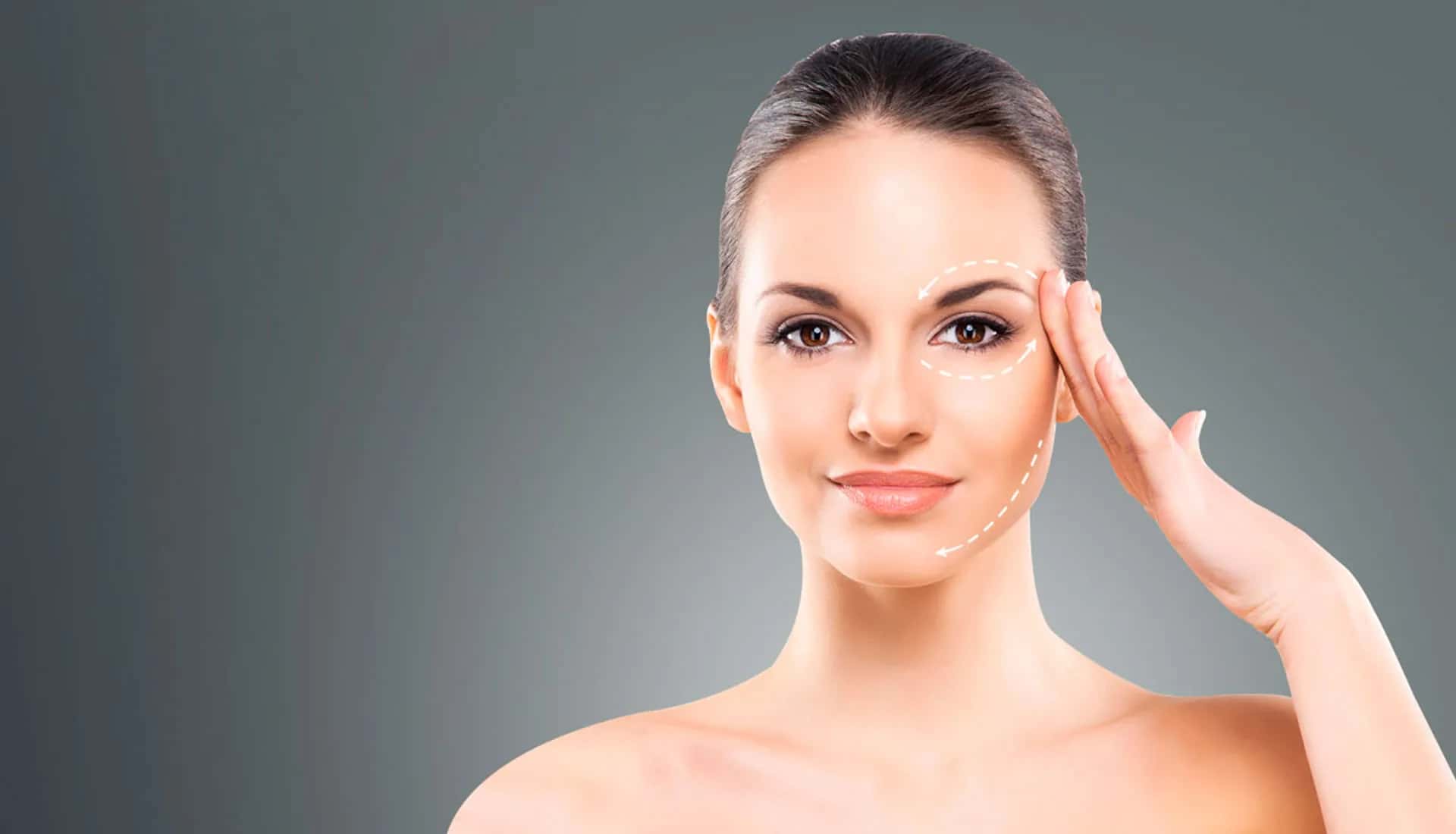
Overfilled faces develop when injectable treatments add more volume than the facial anatomy can accommodate naturally, altering contours, proportions and sometimes facial expression.
Subscribe to the Medifinder newsletter and never miss our latest content.