










Sculptra: Can Collagen Stimulation Help Restore a Youthful Look?
Learn what Sculptra is, how its collagen-stimulating action works, what results to expect, recovery steps and important safety considerations.

- Last updated
- 9 reads
- 7 min read



Sculptra is an injectable collagen biostimulator used to improve the appearance of gradual facial volume loss, fine lines and soft contour changes. Unlike a traditional filler that creates visible volume soon after injection, Sculptra works progressively by encouraging the skin to rebuild part of its own supportive framework. The result develops over time and is intended to look subtle, rested and natural.
What Is Sculptra?
Sculptra contains poly-L-lactic acid, a biodegradable material that has been used in medical applications for many years. When it is placed in the correct tissue plane, the product acts as a stimulus for collagen production. The liquid used during treatment provides temporary expansion, while the longer-term change comes from the body’s gradual response.
Because the process is gradual, Sculptra is not usually chosen for an instant transformation. It is better suited to people who want a measured improvement in facial structure and skin quality. The face can look fuller and smoother without the firm, sharply defined effect that may occur when too much immediate volume is placed in one area.
How Does Sculptra Work?
After injection, the poly-L-lactic acid particles are slowly processed by the body. This activity encourages fibroblasts to produce new collagen around the treated areas. As collagen develops, thin skin may appear more supported and shallow depressions can look less noticeable.
The early appearance can be misleading because some of the first fullness comes from the treatment liquid and temporary swelling. That initial effect fades, while the collagen response continues. For this reason, progress is usually assessed over several weeks rather than judged on the day of treatment.
Which Concerns Can Sculptra Address?
Sculptra is commonly used for facial volume loss that creates a hollow or tired appearance. It may help soften the temples, improve cheek support, reduce the look of deeper folds and create a smoother transition through the lower face. It can also improve the overall quality of thin, crepey skin when loss of collagen is part of the concern.
The treatment is not designed to replace every type of filler. Areas that need precise projection, such as the lips or a sharply defined chin, may require a different product. Sculptra is generally valued for broad, gradual support rather than a small, highly sculpted change.
Sculptra For The Face
Facial treatment is planned around structure and proportion. The cheeks may need support before the lower face is treated, because midface volume can influence folds and shadows below. Temples may require a different injection pattern from cheeks, and the amount used should reflect the thickness of the skin and the shape of the underlying tissue.
A balanced plan avoids chasing every line individually. Improving the foundation can create a softer appearance across several areas at once. The aim is to preserve facial movement and identity while reducing the signs associated with collagen loss.
Can Sculptra Be Used On The Neck Or Body?
Poly-L-lactic acid products are also discussed for selected areas outside the face, including the neck, décolletage, arms and buttocks. These areas have different skin thickness, movement and treatment goals. A plan for body skin should not simply copy a facial protocol.
Body use may focus on texture, crepiness or a mild loss of firmness rather than facial contour. The surface can take longer to assess because collagen remodeling is gradual. Clear photographs and consistent follow-up help track changes that are easy to miss from day to day.
What Happens During A Sculptra Session?
The session begins with an assessment of facial movement, volume distribution, skin quality, medical history and previous injectable treatments. The skin is cleaned carefully, and a topical or local anesthetic may be used for comfort. Sculptra is then placed through a needle or cannula in selected areas.
After injection, the treated regions are gently massaged according to the aftercare plan. This step supports an even distribution while the product settles. The appointment itself is usually completed in a short period, but the total time depends on the number of areas addressed.
How Many Sessions Are Usually Needed?
Sculptra is often performed as a series rather than a single event. Sessions may be spaced several weeks apart so that the skin can begin its collagen response before another treatment is considered. The number of visits depends on the degree of volume loss, the area treated and the pace of visible improvement.
A staged approach makes it easier to keep the result balanced. Adding a large amount at once can make early swelling harder to interpret. Reviewing the face between sessions supports a more controlled progression.
When Do Sculptra Results Appear?
Some fullness may be visible immediately after treatment, but this is not the final result. Swelling generally settles first. The collagen response then develops gradually, often becoming easier to appreciate after several weeks and continuing to mature over the following months.
Many people describe the change as looking healthier or less fatigued rather than obviously treated. The skin may feel more supported, shadows can soften and facial transitions may appear smoother. Because the result builds slowly, patience is an important part of the process.
How Long Can Sculptra Results Last?
Longevity varies with the amount of collagen formed, the treated area, age, metabolism, sun exposure and lifestyle. Results may remain visible for a prolonged period, but they are not permanent. The body continues to remodel collagen, and gradual maintenance may be considered when the improvement begins to fade.
Sun protection, good nutrition, stable weight and avoidance of smoking support the quality of the skin around any injectable treatment. These habits do not stop aging, but they can help preserve a smoother and more even appearance.
Sculptra Aftercare
Temporary redness, swelling, tenderness and bruising are common after injection. Cool compresses can make the first hours more comfortable. The skin should be handled gently, and strenuous exercise, intense heat and alcohol are best avoided during the early recovery period.
Massage instructions are important because Sculptra is distributed differently from an immediately visible gel filler. Follow the recommended schedule and use clean hands. Do not press firmly, attempt to reshape the area or apply unapproved products to the skin.
Possible Side Effects And Safety
Short-term effects can include swelling, redness, bruising, itching and tenderness. Small palpable areas may occur while the product settles. Less common complications include persistent nodules, inflammatory reactions, infection, asymmetry or an uneven contour.
Seek urgent medical attention for severe pain, rapidly changing skin color, marked swelling, fever, vision changes or new weakness after an injection. These symptoms are not expected parts of ordinary recovery. A history of allergies, immune conditions, bleeding problems, active skin infection and previous reactions should be discussed before treatment.
Who Should Avoid Or Delay Sculptra?
Treatment should be delayed when the intended area has an open wound, active infection or significant inflammation. Pregnancy and breastfeeding require caution because cosmetic injectable safety data is limited. People with a tendency to form prominent scars, severe allergies or a history of difficult reactions should disclose this before an appointment.
Recent dental work, illness or another facial procedure may affect timing. A complete list of medicines and supplements is useful, especially products that can increase bruising or interfere with healing.
Sculptra Compared With Hyaluronic Acid Filler
Hyaluronic acid filler is a gel that can add visible volume and shape soon after injection. Sculptra is a biostimulator that relies on gradual collagen production. One is not automatically better than the other; they solve different problems.
Hyaluronic acid may suit a precise area that needs projection or contour. Sculptra may suit broad volume loss and skin support that should develop slowly. Some treatment plans use both approaches at different times, with each product chosen for a specific purpose.
Sculptra works differently from traditional dermal fillers, making it important to understand the available options before choosing a treatment. For a broader look at injectable facial rejuvenation, explore what a liquid facelift involves and how different treatments may be used to address facial volume and contour.
Sculptra Compared With A Surgical Facelift
Sculptra does not remove loose skin or reposition descended facial tissue. A surgical facelift can create a stronger lift for advanced laxity but involves incisions, anesthesia and a longer recovery. Sculptra is a less invasive option for gradual improvement when the main concern is early volume loss or declining skin support.
Expectations matter. An injectable biostimulator can refresh the face, but it cannot duplicate the effect of surgery on substantial jowling or heavy neck skin.
Is Sculptra A Traditional Dermal Filler?
Sculptra is an injectable collagen biostimulator rather than a conventional gel filler. Its visible effect develops as the body produces new collagen over time.
Does Sculptra Look Natural?
The change is designed to build gradually, which can create a soft and natural appearance. The final look depends on the amount used, the treated areas and the way the skin responds.
How Long Does Sculptra Take To Work?
Early swelling settles first, while collagen remodeling continues over several weeks and months. Progress is best judged during scheduled follow-up rather than immediately after injection.
Is Sculptra Painful?
Brief stinging, pressure or tenderness can occur. Numbing measures and careful technique can make the session more comfortable, while mild soreness may continue for a short time.
Can Sculptra Be Reversed?
Sculptra is not dissolved in the same way as a hyaluronic acid gel. Careful planning and conservative staging are therefore important before each session.
- Last updated
- Language
- English
How did you find this article?

What are the differences between Vaser liposuction and traditional liposuction? Let's look at the techniques, the recovery process and how to choose the right method.
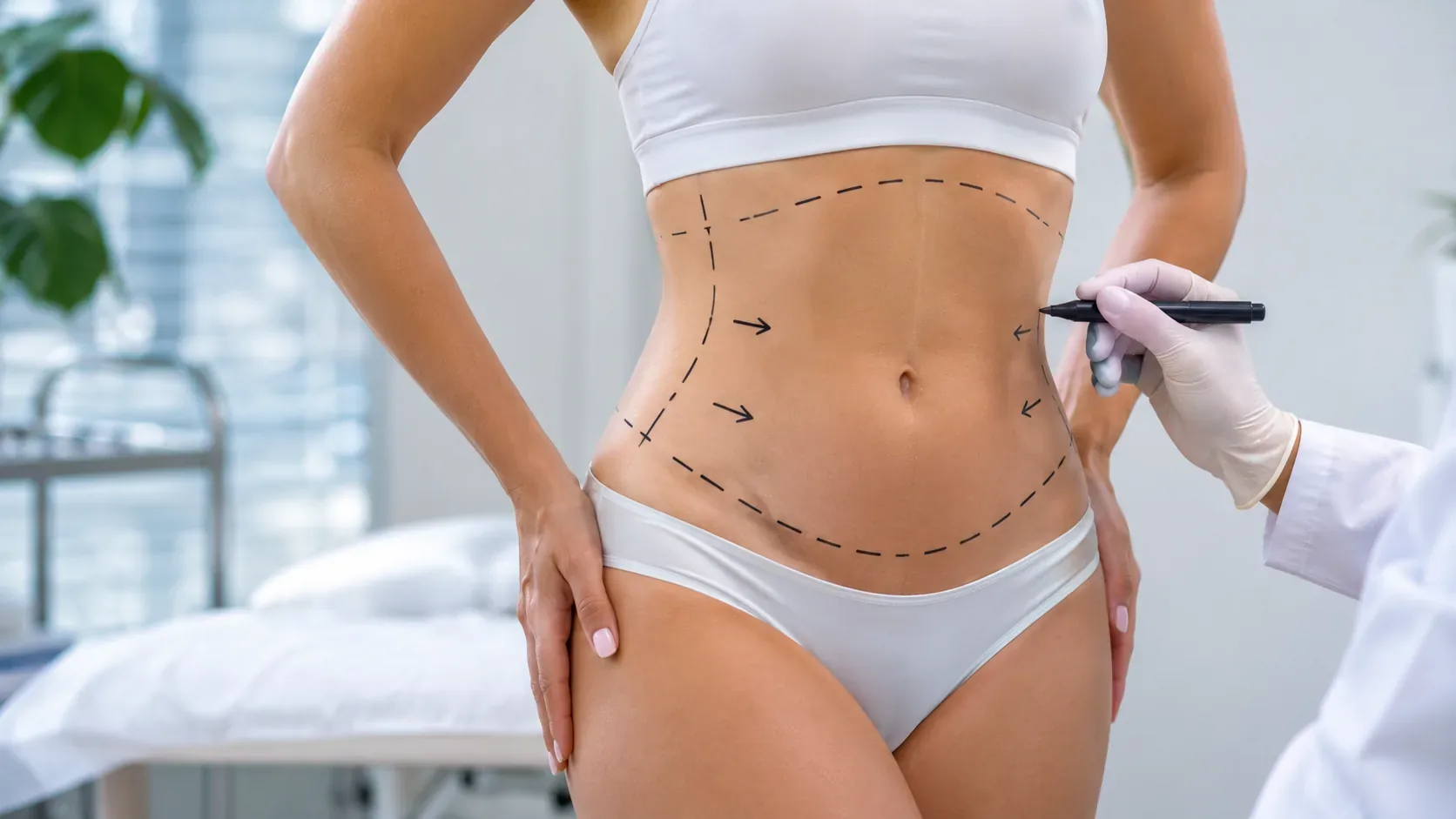
What is liposuction and how is it performed? Learn about fat removal surgery, treatment areas, techniques, recovery and prices.


Which surgery is better suited to loose skin on the abdomen? Discover the key details of both procedures, from the treatment area to the recovery process.
Subscribe to the Medifinder newsletter and never miss our latest content.