










What Is Liposuction? Everything You Want to Know About Fat Removal Surgery
What is liposuction and how is it performed? Learn about fat removal surgery, treatment areas, techniques, recovery and prices.

- Last updated
- 3 reads
- 7 min read
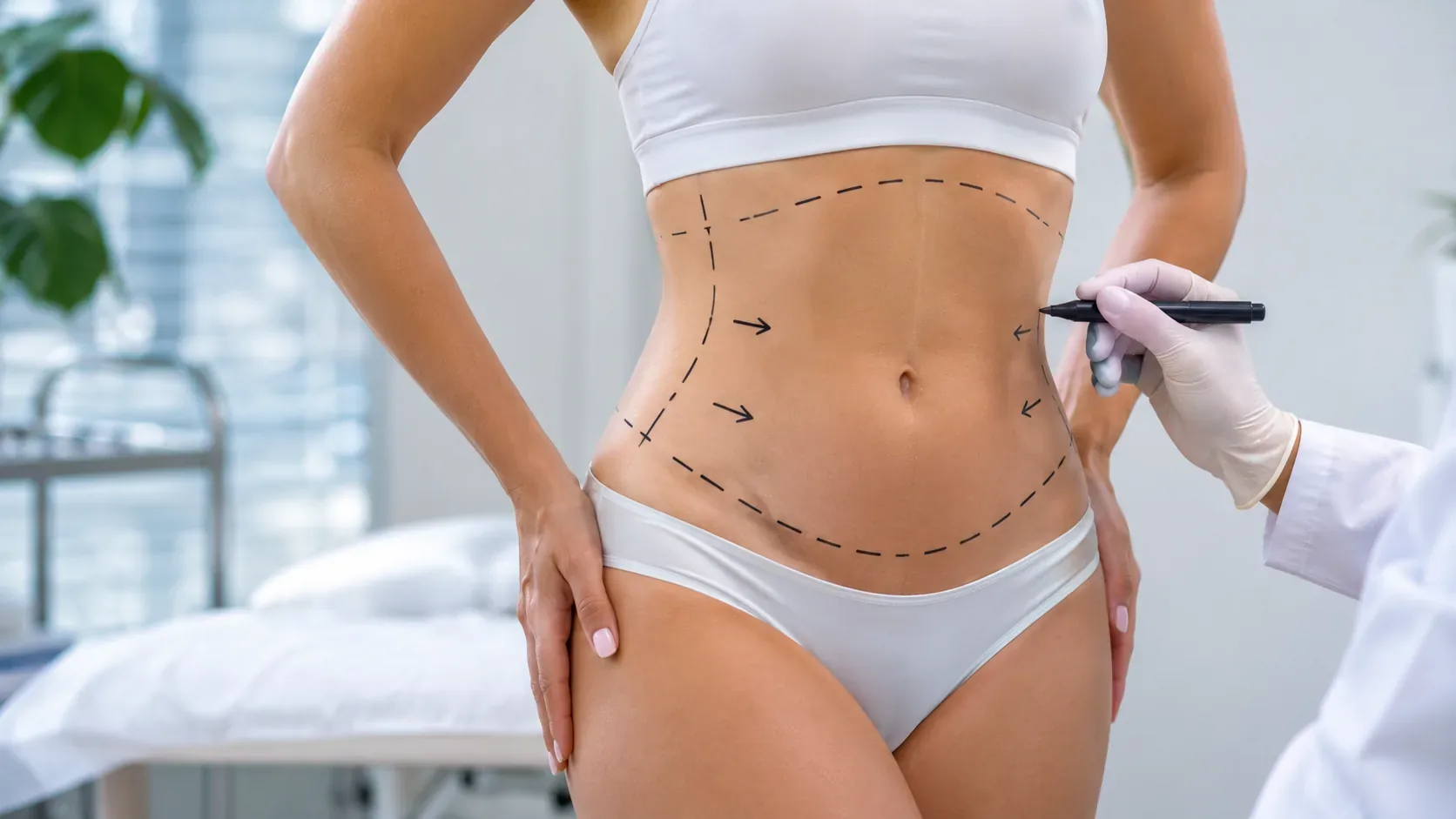


You may exercise regularly and watch what you eat, yet still be unable to shift the fat in certain areas of your body. Fat deposits around the abdomen, waist, hips and under the chin in particular can persist regardless of changes in your weight.
This is where liposuction, commonly known as fat removal surgery, comes in as one of the options people research when they want to reshape their body contours. So what is liposuction, how is it performed and who is it really suitable for? How does the body change after the procedure? We have brought together everything you need to know about the risks of the surgery and the recovery process.
A Very Different Goal From Weight Loss: What Is Liposuction?
Liposuction is a surgical body contouring procedure in which subcutaneous fat that has accumulated in specific areas of the body is removed using thin cannulas and suction. Often the first answer people find when they search “what is lipo?”, this procedure mainly aims to reduce localized fat deposits and improve body proportions.
It is worth stressing, however, that liposuction is not a treatment for obesity or a general weight-loss method.
Although you may see some change on the scales after the procedure, the main goal is not weight loss but reshaping the body's contours. What's more, liposuction targets the fat beneath the skin, not the visceral fat that surrounds the internal organs.
Which Areas of the Body Can Liposuction Treat?
The abdomen may be the first area that comes to mind when people think of liposuction, but its use is not limited to this.
- Abdomen and waist: Reducing localized fat deposits around the waist
- Hips and buttock area: Rebalancing body proportions
- Inner and outer thighs: Contouring fat deposits in the thigh area
- Arms: Reducing localized fat around the upper arms
- Back: Removing fat, particularly along the back and waistline
- Double chin: Reducing fat under the chin to define the facial contour
Whether an area is suitable for treatment depends not only on the amount of fat but also on skin quality and the person's overall health.
Who Is Liposuction Suitable For? Not All Localized Fat Is the Same
Good candidates for liposuction are usually people whose weight is relatively stable but who are bothered by fat deposits in specific areas.
Before fat removal surgery, the assessment looks in particular at the following factors:
- Whether the person's general health is suitable for surgery
- Whether the skin has sufficient elasticity
- The nature and distribution of the localized fat
- Whether the person's expectations of the surgery are realistic
- Whether the person is in a position to follow the recovery process
Skin elasticity is especially important, because once the fat tissue is removed, the skin is expected to adapt to the new body contour. In people with significant skin laxity, fat removal alone may not achieve the desired look. In such cases, other procedures such as a tummy tuck may be considered.
How Is Liposuction Performed? What Happens During Surgery?
Before liposuction surgery, the surgeon assesses the areas where fat is to be removed and marks the treatment areas.
The general stages of fat removal surgery are as follows:
- Anesthesia is given. Depending on the extent of the procedure, local anesthesia, sedation or general anesthesia may be used.
- A special fluid is injected. The solution applied to the treatment area helps make fat removal easier and reduces bleeding.
- Small incisions are made. Thin tubes called cannulas are inserted through these incisions.
- The fat tissue is removed. Fat is extracted from the planned areas using the cannula and a suction system.
- Recovery begins. The treatment areas are closed and, if needed, a compression garment is used.
The length of the operation varies depending on the number of areas treated, the amount of fat to be removed and the technique used.
Traditional Liposuction, Vaser and Laser: Why Are the Techniques Different?
Liposuction is not a single technique. Today, a range of technologies are used to make fat removal easier.
Traditional liposuction: Fat tissue is removed through the movement of the cannula and suction.
Vaser liposuction: Ultrasound energy is used to help break up the fat tissue. This is the basic answer to the question “What is Vaser liposuction?”
Laser liposuction: Laser energy is used to act on the fat tissue. Because it works with heat energy, this method also carries specific risks such as burns.
Power-assisted liposuction (PAL): Vibrating cannulas are used to make fat removal easier.
So which fat removal technique is better?
No single technique has been proven superior for every patient. The treatment area, skin type, the surgeon's experience and the extent of the procedure all determine which method is chosen.
What Is 360 Liposuction?
Increasingly common in recent years, 360 liposuction is a body contouring approach that focuses not only on the front of the waist but on the surrounding areas together, such as the abdomen, flanks and back.
The term refers to the scope of the treatment rather than a separate surgical technology. Treating all of the surrounding areas is not necessary or suitable for every patient.
What Will You See in the Mirror After Surgery?
It may not be easy to judge your body's new shape immediately after liposuction. Swelling, bruising, tenderness and temporary numbness may occur in the first few days. For this reason, the appearance right after surgery should not be considered the final result.
As healing progresses, the swelling goes down and the body contours become more defined. It can take several months for the result to settle. During this time, it is important to wear the compression garment recommended by your surgeon, attend follow-up appointments and return to physical activity gradually.
The answer to the question “How long should you wear a compression garment after liposuction?” depends on the extent of the procedure and your surgeon's plan.
Does the Fat Come Back? Are the Results Permanent?
Fat cells removed by liposuction do not grow back in the same way. However, this does not mean that you will not put on fat again in the years ahead. If you gain weight, the remaining fat cells in the body can grow and your body proportions can change again.
Therefore, a balanced diet, physical activity and weight control play an important role in maintaining the look achieved after liposuction.
Another point to bear in mind: liposuction is not designed to treat cellulite, stretch marks or significant skin laxity.
Is Liposuction Dangerous? Risks You Should Know About
Like any surgical procedure, liposuction carries certain risks. Possible complications include:
- Infection and bleeding
- Prolonged swelling or numbness
- Irregularities and asymmetry on the skin surface
- Fluid build-up
- Anesthesia-related complications
- Blood clots forming in the veins
- In rare cases, internal organ injury or serious circulatory problems
The risks can vary depending on the amount of fat removed, the areas treated, the person's health and any surgeries performed at the same time. For this reason, it is important that the procedure is planned by a relevant specialist in a properly equipped healthcare facility.
If shortness of breath, chest pain or any sudden, serious symptoms develop after surgery, seek emergency medical help.
What Affects the Price of Liposuction?
Liposuction prices cannot be explained with a single fixed figure, because the scope of each operation is different. The main factors that can affect the price include:
- The number of areas to be treated
- The liposuction technique used
- Anesthesia and operating room requirements
- Length of hospital stay
- The extent of the procedure and any additional surgery
- Post-operative follow-up services
Rather than deciding on price alone, you should also consider the surgeon's expertise, the conditions at the healthcare facility and the follow-up services offered.
How much weight can you lose with liposuction?
The aim of liposuction is not significant weight loss. The amount of fat that can be removed is determined by safety limits and the individual's characteristics. The success of the procedure is judged by the body's contours rather than by the change on the scales.
Does liposuction leave scars?
Scars may form because of the small incisions through which the cannulas are inserted. How visible these scars are depends on the incision site, skin type and the healing process.
Does liposuction completely remove belly fat?
No. The procedure can reduce some of the subcutaneous fat in the abdominal area, but it does not remove all fat tissue or the fat around the internal organs.
Are liposuction and a tummy tuck the same thing?
No. Liposuction aims to reduce fat tissue, whereas tummy tuck surgery (abdominoplasty) is performed to remove excess skin and, where necessary, repair the abdominal wall.
When can you return to work after liposuction?
The time it takes to return to work depends on the scale of the operation and the physical demands of your job. Some people can return to desk jobs within a few days, while more extensive procedures may require a longer break. Liposuction is a surgical method that can change body contours by reducing localized fat. However, it is not a substitute for weight-loss treatments and does not deliver the same result for everyone. For this reason, before the operation it is important to consider not only which areas fat will be removed from, but also how the skin will respond after the procedure, the recovery process and the possible risks.
By browsing plastic surgery clinics on MediFinder, you can research different healthcare facilities and start weighing up the options that suit you.
This content has been prepared for general information purposes. Suitability for liposuction and the choice of surgical technique require assessment by a specialist physician.
To learn more about one of the most popular techniques, read Vaser Liposuction: Procedure, Benefits, Recovery.
- Last updated
- Language
- English
How did you find this article?
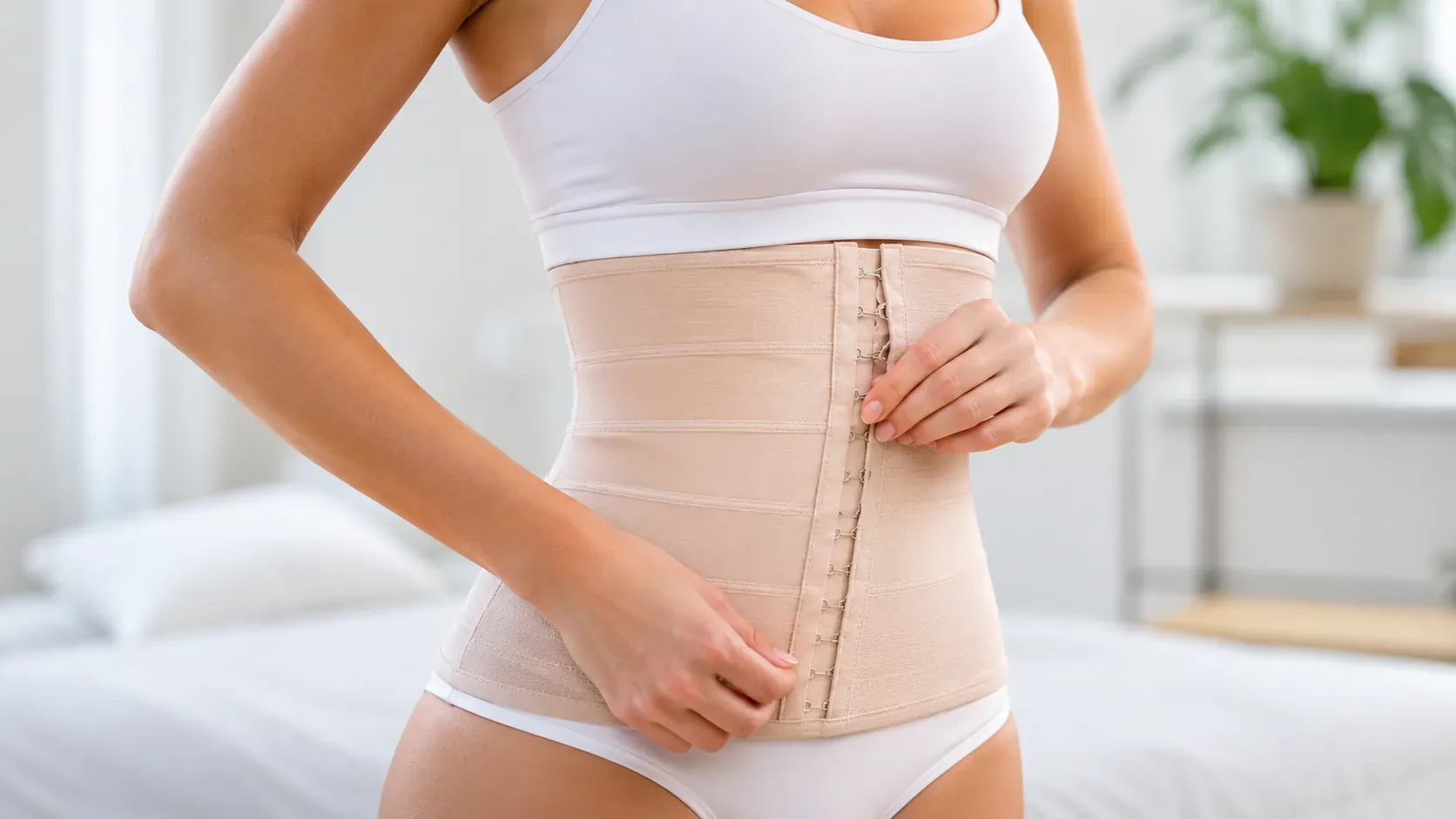
Wearing a compression garment correctly after liposuction matters. We have put together what you need to keep in mind during your recovery after fat removal surgery.


How does recovery progress after a tummy tuck? Find out what to expect in the first days, from wearing a compression garment to getting back to daily life.

What are the differences between Vaser liposuction and traditional liposuction? Let's look at the techniques, the recovery process and how to choose the right method.
Subscribe to the Medifinder newsletter and never miss our latest content.