










What Is Piezo Rhinoplasty? 5 Things to Know About Ultrasonic Rhinoplasty
What is piezo rhinoplasty? Learn how ultrasonic rhinoplasty differs from traditional techniques, its advantages and what recovery looks like, in 5 questions.

- Last updated
- 3 reads
- 4 min read
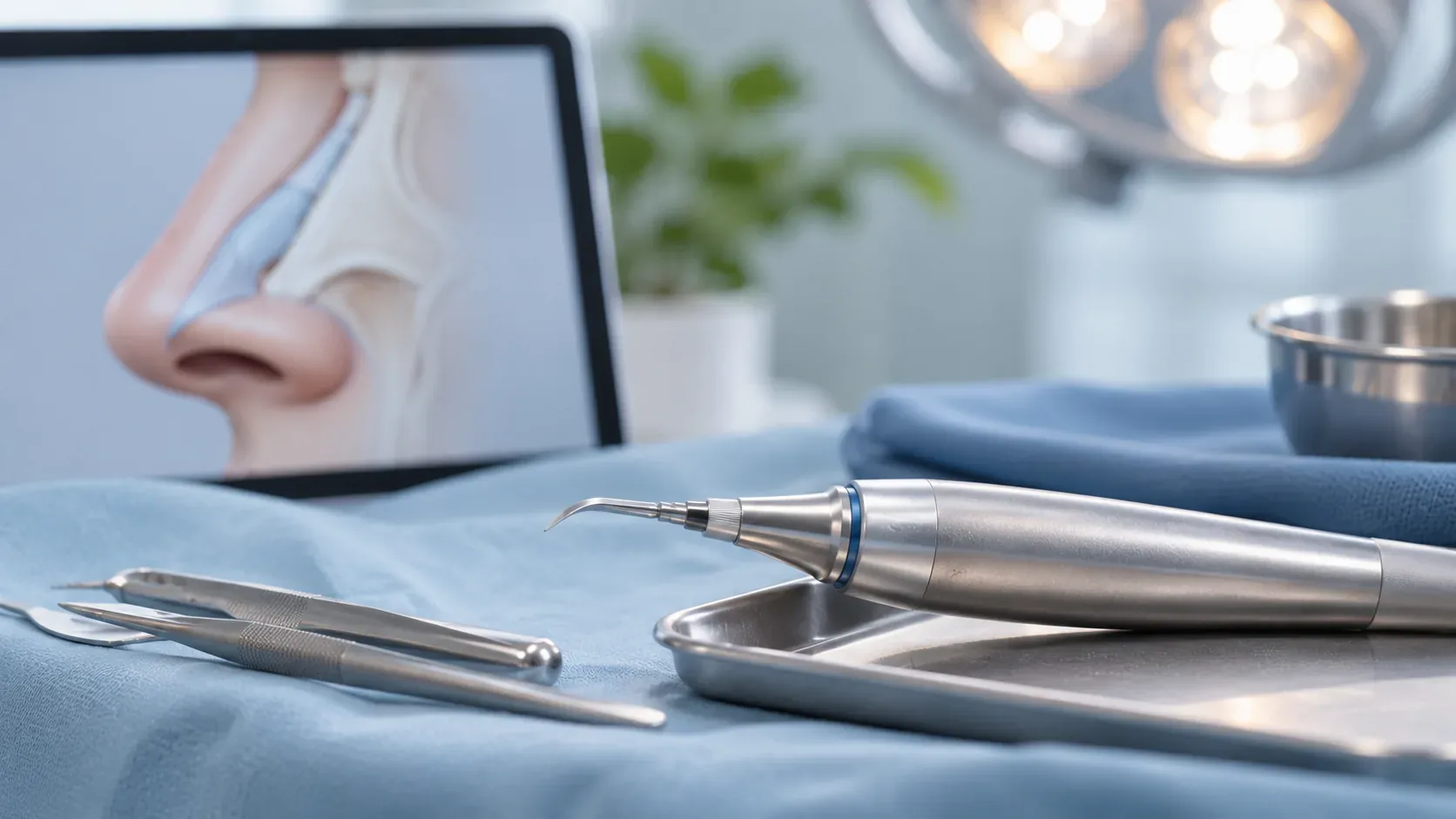


As the technologies used in nose surgery advance, people are becoming increasingly curious about the different surgical techniques available. Piezo rhinoplasty, a name we have been hearing more and more in recent years, is one of them.
So what is piezo rhinoplasty, how does it differ from traditional rhinoplasty, and does it really lead to a faster recovery? We have looked into the 5 most common questions about ultrasonic rhinoplasty for you.
1. What Is Piezo Rhinoplasty and Why Might It Be Preferred?
Piezo rhinoplasty is a form of rhinoplasty in which special surgical devices powered by ultrasonic vibrations are used to reshape the nasal bones. Instead of some of the mechanical instruments used to work on the nasal bones in traditional techniques, it relies on piezoelectric technology.
This technology allows the surgeon to work on the bone in a controlled and precise way.
There is, however, one important detail about piezo rhinoplasty: it is not an entirely separate type of surgery from open or closed rhinoplasty, but rather a technology that can be used while the nasal bones are being reshaped.
2. What Is the Difference Between Piezo Rhinoplasty and Classic Rhinoplasty?
The main difference between piezo rhinoplasty and traditional rhinoplasty lies in the instruments used to work on the nasal bones.
In classic techniques, bone reshaping can be carried out with mechanical surgical instruments. Piezo technology, on the other hand, uses ultrasonic vibrations.
The potential advantages of this method include:
- More controlled reshaping of the bone
- Less unwanted trauma to the surrounding soft tissues
- More limited post-operative swelling and bruising in some patients.
That said, these advantages are not seen to the same degree in every patient, and the extent of the surgery and the surgeon's experience also affect the outcome.
3. Is Recovery Faster After Piezo Rhinoplasty?
Among the most frequently asked questions about piezo rhinoplasty are how long recovery takes and whether piezo rhinoplasty causes bruising. Some clinical studies suggest that rhinoplasty procedures performed with ultrasonic devices may result in less swelling and bruising in the early period. However, the use of piezo does not mean that recovery will always be faster or completely painless.
After rhinoplasty, you may experience swelling, tenderness and temporary nasal congestion. And it can take months for the nose to settle into its final shape, regardless of the bone-shaping tool used.
For more details on the recovery period, take a look at our guide 7 Things to Keep in Mind During Recovery After Rhinoplasty.
4. Who Is Piezo Rhinoplasty Suitable For?
Piezo technology may be preferred particularly in rhinoplasty procedures where reshaping of the nasal bones is planned, but not every rhinoplasty patient needs this technology.
The structure of the nose, whether any work on the bone is required, the planned changes and the techniques the surgeon uses all determine which method is chosen. That is why, rather than deciding on surgery based solely on how popular a technology is, it is important to have a personalized surgical assessment.
5. Is Piezo Rhinoplasty Performed Open or Closed?
One common misconception about piezo rhinoplasty is that this technology can only be used in open rhinoplasty. Under suitable surgical conditions, piezo devices can be used with either an open or a closed approach. However, the degree of access and the technique used vary depending on the surgeon's plan.
Two concepts need to be distinguished here:
Open and closed rhinoplasty describe the route by which the surgeon reaches the structures of the nose, whereas piezo technology refers to the tool used to reshape the nasal bones.
To learn more about this topic, see our article Open or Closed? 5 Key Differences Between Rhinoplasty Techniques.
Frequently Asked Questions About Piezo Rhinoplasty
Is piezo rhinoplasty painless?
No. Using piezo technology does not guarantee that the surgery or the recovery period will be completely painless. The level of post-operative discomfort can vary from person to person.
Are the results of piezo rhinoplasty permanent?
Changes made to the bone and cartilage structure in rhinoplasty are generally long-lasting. However, healing, aging and changes in the tissues can affect the appearance of the nose over time.
Is piezo rhinoplasty suitable for everyone?
No. Whether this technology is necessary or appropriate is assessed based on the anatomy of the nose and the planned surgical procedures.
Is piezo rhinoplasty a better cosmetic surgery option?
Piezo rhinoplasty is a technology that allows the nasal bones to be reshaped using ultrasonic vibrations. In some patients, it may offer advantages in terms of more controlled work on the bone and reduced swelling in the early period. However, the use of piezo technology alone does not guarantee a better cosmetic result. Successful rhinoplasty depends on surgical planning tailored to the patient's anatomy and on the surgeon's experience.
If you are also researching the different rhinoplasty techniques, you can browse plastic surgery clinics on MediFinder.
- American Society of Plastic Surgeons (ASPS) — Rhinoplasty
- PubMed / NCBI — Clinical studies comparing piezoelectric osteotomy with traditional rhinoplasty techniques
- Cleveland Clinic — Rhinoplasty
To learn how rhinoplasty is tailored to different nasal structures, read What Are the Different Types of Ethnic Rhinoplasty?
- Last updated
- Language
- English
How did you find this article?

What should you pay attention to during recovery after rhinoplasty? Learn 7 key tips on swelling, sleeping position, exercise and getting back to daily life.

When is revision rhinoplasty needed? Discover how a second nose surgery differs from the first, who it is suitable for, and what the process involves.

What is septorhinoplasty and who is it for? Learn how this surgery addresses both nose shape and breathing problems, and how it differs from septoplasty.
Subscribe to the Medifinder newsletter and never miss our latest content.