










Vaser Liposuction: Procedure, Benefits, Recovery
This guide explains Vaser Liposuction, including how it works, suitable treatment areas, candidacy, recovery, expected results, skin contraction, safety, risks, and long-term outcomes.

- Last updated
- 54 reads
- 8 min read
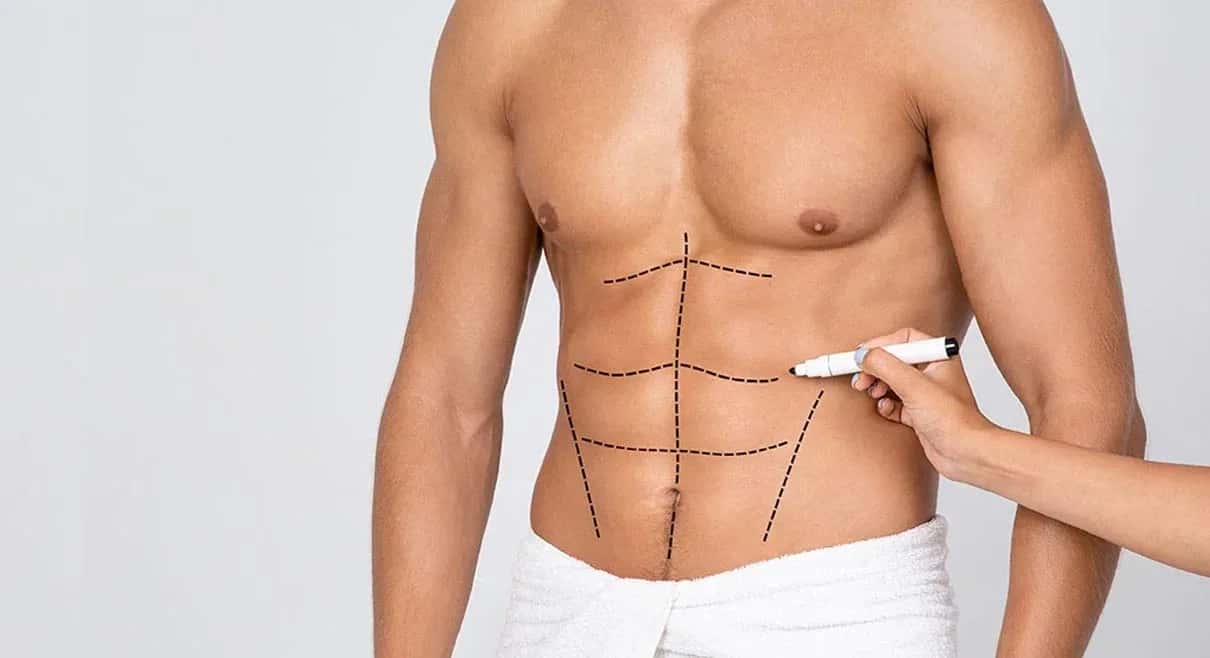


What Is Vaser Liposuction?
Vaser Liposuction is an ultrasound-assisted body contouring procedure that emulsifies subcutaneous fat before the loosened fat is removed through liposuction cannulas.
The name refers to vibration amplification of sound energy at resonance. It is considered a third-generation ultrasound-assisted liposuction technology. Ultrasound energy helps separate fat cells from surrounding tissue before aspiration, allowing controlled removal from selected areas. The technique can be used for conventional body contouring or more detailed muscular definition. Vaser Liposuction remains a surgical liposuction procedure, so it requires incisions, fluid infiltration, fat aspiration, and a structured postoperative recovery period.
How Does Vaser Liposuction Work?
Vaser Liposuction works by delivering ultrasound energy into infiltrated fatty tissue, helping separate and emulsify fat before it is removed through suction.
Treatment usually begins with the introduction of a wetting solution into the targeted subcutaneous layer. A specialised ultrasound probe is then passed through small access points. The device operates at approximately 36 kHz and uses acoustic effects to help disrupt fat within the tissue matrix. Once the fat has been sufficiently emulsified, it is aspirated using liposuction cannulas. The objective is controlled fat removal while preserving surrounding structures as much as possible during body contouring.
How Is Vaser Liposuction Different From Traditional Liposuction?
Vaser Liposuction differs from traditional suction-assisted liposuction because ultrasound energy is used to emulsify fat before mechanical aspiration takes place.
Traditional liposuction relies primarily on cannula movement and suction to separate and remove fatty tissue. Vaser adds an ultrasound-assisted stage before aspiration, which can make fat extraction easier in selected tissues. A controlled comparison reported 53 percent greater measured skin retraction and 26 percent less blood loss with Vaser-assisted treatment. However, pain, swelling, appearance, and patient preference showed no significant difference between the techniques at six months in that trial.
Which Areas Can Be Treated With Vaser Liposuction?
Vaser Liposuction can be used on many areas containing removable subcutaneous fat, from larger body regions to smaller areas requiring more detailed contouring.
Common treatment areas include:
-
Abdomen
-
Waist and flanks
-
Lower back
-
Upper back
-
Chest
-
Upper arms
-
Inner thighs
-
Outer thighs
-
Hips
-
Knees
-
Chin and submental area
-
Selected areas requiring muscular definition
The technique can address superficial fat planes, which makes it particularly useful when detailed contouring is planned. Suitability still depends on local anatomy, skin condition, fat distribution, and the amount of tissue requiring removal.
Who Is a Suitable Candidate for Vaser Liposuction?
A suitable Vaser Liposuction candidate generally has localised subcutaneous fat, realistic contouring goals, acceptable skin quality, and health compatible with elective surgery.
Liposuction is intended to reshape selected areas rather than provide a primary treatment for obesity. Body mass index also deserves consideration because higher BMI has been associated with more postoperative complications in Vaser patients. A 2024 study involving 117 procedures found contusions, hematomas, and abnormal skin retraction more frequently among patients with BMI above 25. Patient selection should therefore consider body composition, treatment volume, anatomy, medical history, and the planned extent of surgery together.
Is Vaser Liposuction a Weight Loss Procedure?
Vaser Liposuction is primarily a body contouring procedure rather than a weight loss treatment, even though removing fat can reduce body weight to some degree.
The procedure removes a measured volume of subcutaneous fat from targeted areas. It does not treat visceral fat surrounding internal organs and does not replace sustainable weight management. A study involving 51 patients documented measurable weight and BMI reductions one month after Vaser-assisted liposuction. However, the central purpose remained body contouring rather than general obesity treatment. Patients seeking significant overall weight reduction require a different strategy because liposuction is designed to alter shape and proportions.
How Much Fat Can Vaser Liposuction Remove?
The amount of fat removed with Vaser Liposuction must remain within safe surgical limits rather than being determined solely by the amount a patient wants removed.
Treatment volume depends on body size, medical condition, fluid management, treatment areas, combined procedures, and postoperative monitoring requirements. Research involving Vaser procedures has included substantial aspiration volumes, but larger-volume surgery requires greater safety planning. Large-volume liposuction can affect fluid balance, body temperature, and thromboembolic risk. Evidence-based precautions become increasingly important as treatment expands. Removing more fat does not automatically produce a better contour because excessive aspiration can also create irregularities and compromise tissue quality.
What Type of Anaesthesia Is Used for Vaser Liposuction?
Vaser Liposuction can be performed with local anaesthesia, sedation, or general anaesthesia depending on the extent and number of areas being treated.
Small treatment areas require different anaesthetic planning from circumferential abdominal, back, or multi-area liposuction. Wetting solution containing local anaesthetic and fluid is commonly introduced into the tissue before ultrasound treatment. More extensive procedures can require general anaesthesia and closer physiological monitoring. Anaesthesia planning is particularly important when Vaser Liposuction is combined with abdominoplasty, breast surgery, or fat transfer. Larger combinations increase operative complexity and require appropriate measures for fluid management, temperature control, and thrombosis prevention.
How Long Does Vaser Liposuction Take?
Vaser Liposuction can take from roughly one hour to several hours because treatment time increases with the number of areas and complexity of contouring.
The procedure includes several separate stages rather than fat aspiration alone. These include marking, wetting-solution infiltration, ultrasound treatment, aspiration, and final contour assessment. High-definition procedures can require additional time because superficial and deep layers are shaped to reveal anatomical transitions. Combining liposuction with another operation also extends total surgical time. Consequently, a limited chin or abdominal procedure cannot be compared directly with circumferential torso sculpting when estimating how long the operation will require.
What Is Recovery Like After Vaser Liposuction?
Recovery after Vaser Liposuction commonly involves swelling, bruising, tenderness, temporary firmness, and compression while the treated tissues gradually settle into their new contour.
Early discomfort usually improves progressively rather than disappearing immediately. Swelling can temporarily hide the intended result and may fluctuate during the first several weeks. Compression garments are commonly used to support treated tissues during early recovery. Physical activity is generally increased gradually as healing progresses. The recovery period becomes more demanding when multiple body areas receive treatment or Vaser is combined with additional surgery. Final contour assessment should therefore occur after swelling and tissue firmness have substantially resolved.
Is Vaser Liposuction Painful?
Vaser Liposuction can cause postoperative soreness and tenderness, although available comparative evidence has not shown a consistent long-term pain advantage over conventional liposuction.
Ultrasound-assisted fat separation is intended to reduce unnecessary mechanical trauma during aspiration. Earlier clinical reports described reduced bruising and discomfort with the technology. However, a controlled comparison found no statistically significant difference in subjective pain between Vaser-assisted and conventional suction-assisted treatment at the evaluated endpoint. Individual discomfort also reflects the volume treated and number of areas involved. Postoperative pain should gradually improve, while severe or increasing pain deserves assessment because it can indicate a complication rather than ordinary recovery.
How Long Does Swelling Last After Vaser Liposuction?
Swelling after Vaser Liposuction is most noticeable during early recovery and can continue improving for several weeks or months as tissues gradually stabilise.
Immediate postoperative appearance does not represent the final contour because inflammation and retained fluid temporarily increase tissue volume. Some areas can also feel firm or uneven while oedema and postoperative fibrosis resolve. High-definition procedures may produce more noticeable temporary firmness because superficial contouring is more extensive. Compression and postoperative movement are commonly incorporated into recovery protocols. Persistent one-sided swelling, rapidly increasing volume, or a fluid-like collection requires assessment because seroma or another complication may be responsible.
When Are Vaser Liposuction Results Visible?
Vaser Liposuction results become visible as early swelling decreases, but the contour continues changing for several months before a stable result can be evaluated.
Some reduction in localised fat is apparent relatively early, although swelling can obscure definition during the initial recovery period. The skin and soft tissues then adapt progressively to the reduced underlying volume. High-definition abdominal or torso sculpting can take longer to display its intended definition because postoperative swelling initially masks anatomical lines. A result should therefore be assessed through staged follow-up rather than immediately after surgery. Stable body weight also helps maintain the proportions created during the procedure.
Does Vaser Liposuction Tighten Loose Skin?
Vaser Liposuction may produce greater skin retraction than conventional suction-assisted liposuction, but it cannot reliably correct substantial loose or hanging skin.
A prospective controlled study measured 53 percent greater skin retraction on Vaser-treated sides relative to conventional suction-assisted treatment. This finding suggests that ultrasound-assisted treatment can support tissue contraction after fat removal. However, percentage improvement in retraction should not be confused with removing excess skin. Significant laxity after pregnancy, major weight loss, or ageing can remain after liposuction because the skin itself is still present. When skin excess is substantial, fat removal alone may produce an incomplete contour despite successful reduction of the underlying fatty layer.
What Is High-Definition Vaser Liposuction?
High-definition Vaser Liposuction is an advanced body sculpting approach that removes fat strategically around natural muscle boundaries to create greater anatomical definition.
The goal is different from simply making an area smaller. Superficial and deeper fat layers are shaped selectively to highlight structures such as abdominal muscles, obliques, the chest, back, or waist. Because the technique involves more detailed superficial contouring, uneven removal can create visible irregularities when the result is not balanced. A large high-definition series involving 417 patients reported high satisfaction but also documented seromas, fibrosis, pigmentation changes, contour issues, and rare ultrasound-related burns.
What Are the Risks of Vaser Liposuction?
Vaser Liposuction carries surgical and ultrasound-related risks, including seroma, bruising, contour irregularity, infection, pigmentation changes, fibrosis, burns, and thromboembolic complications.
A series of 261 third-generation ultrasound-assisted procedures reported an overall complication rate of 4.6 percent. Contour irregularity occurred in 1.9 percent, while seroma and cellulitis each occurred in 0.8 percent. High-definition surgery can produce additional local problems, including nodular fibrosis and thermal injury. Serious complications remain possible with liposuction generally, especially during extensive combined operations. Safe treatment therefore requires careful patient selection, appropriate surgical volume, thrombosis prevention, and postoperative monitoring when indicated.
Are Vaser Liposuction Results Permanent?
Fat cells removed during Vaser Liposuction do not regenerate in the treated area, but remaining fat cells can enlarge if substantial weight gain occurs later.
The procedure therefore produces potentially long-lasting contour changes rather than permanent protection from future body-fat accumulation. Weight gain can alter treated and untreated regions, changing the proportions created by surgery. Ageing, pregnancy, skin laxity, and lifestyle changes can also influence appearance over time. Maintaining a relatively stable weight provides the best opportunity to preserve the original contour. Vaser Liposuction should therefore be understood as surgical reshaping of existing subcutaneous fat distribution rather than a permanent metabolic treatment for future weight changes.
- Last updated
- Language
- English
How did you find this article?

Liposuction has become part of a more open conversation about cosmetic surgery, with celebrities discussing everything from subtle body contouring to difficult recoveries and results they later regretted. These 20 public figures have personally acknowledged undergoing liposuction, offering different perspectives.

Many actors, models, musicians and television personalities have spoken openly about having rhinoplasty, some for cosmetic reasons and others to repair an injury or improve their breathing. This guide looks at what 20 of these celebrities said about their own nose surgery and what their experiences can teach anyone.

Several well-known musicians, reality stars and influencers have spoken openly about having a Brazilian butt lift, and many of them have also shared regret, reduction surgery or difficult recoveries. This guide looks at what these celebrities said about their own procedures and what their experiences can teach anyone.
Subscribe to the Medifinder newsletter and never miss our latest content.