










Vaccination Schedule for Children
Since vaccination schedules for children may be updated from country to country, it is important to follow the current program from health authorities. Click for more information.

- Last updated
- 89 reads
- 7 min read
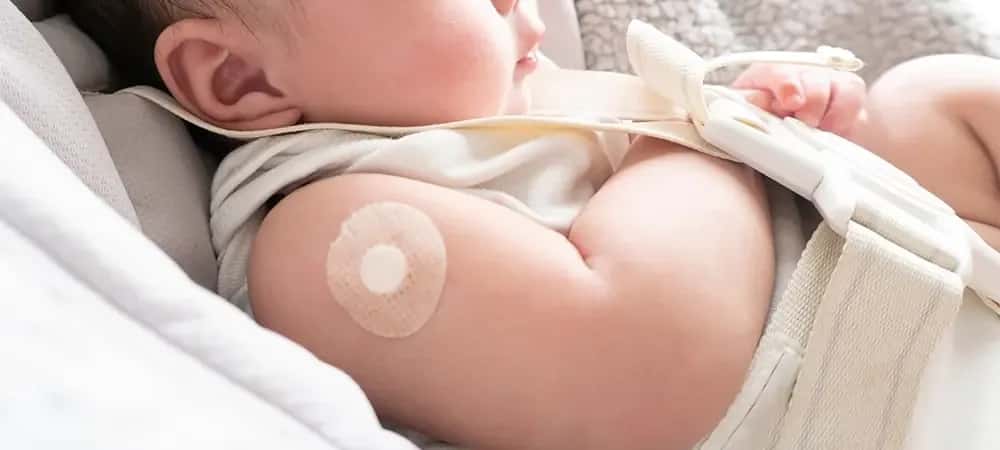


Example Vaccination Schedule for Children
Childhood vaccines are administered at specific age intervals to protect babies and children against various infectious diseases. Since vaccination schedules may be updated from country to country, it is important to follow the current program from health authorities. The table below is an example childhood vaccination schedule prepared for general informational purposes.
| Age Period | Vaccines That May Be Administered |
|---|---|
| Birth | Hepatitis B |
| 1st Month | Hepatitis B (2nd dose) |
| 2nd Month | DTaP-IPV-Hib, PCV, BCG, Rotavirus |
| 4th Month | DTaP-IPV-Hib, PCV, Rotavirus |
| 6th Month | DTaP-IPV-Hib, Hepatitis B, PCV |
| 12th Month | MMR, Chickenpox, PCV Booster |
| 18th Month | DTaP-IPV-Hib Booster, Hepatitis A |
| 24th Month | Hepatitis A (2nd dose) |
| Primary School Period | MMR Booster, DTaP-IPV Booster |
| Adolescence Period | Td (Tetanus-Diphtheria) Booster |
Why Is the Vaccination Schedule Important in Children?
The vaccination schedule in children ensures that immunity develops at the right time and provides protection against preventable diseases. Vaccines are administered at specific periods according to the child’s age and the immune system’s response capacity. This timing helps protective immunity develop before disease risk begins.
A delayed or incomplete schedule may leave the child vulnerable to certain infections for a longer period. Regular vaccination follow up supports not only individual protection but also the reduction of disease spread in society.
Which Diseases Do Vaccines Protect Children Against?
Vaccines help protect children against serious infections, permanent health problems, and life threatening risks related to certain diseases. Childhood vaccines allow the immune system to develop defense before encountering the disease.
Routine childhood vaccines in Turkey aim to protect children against many contagious and preventable diseases. These diseases include hepatitis B, hepatitis A, tuberculosis, diphtheria, pertussis, tetanus, polio, Hib infections, pneumococcal infections, measles, rubella, mumps, and chickenpox.
Diseases Protected Against by Childhood Vaccines:
- Hepatitis B: A serious viral infection that affects the liver.
- Hepatitis A: A contagious disease that may cause liver inflammation.
- Tuberculosis: A bacterial infection that may especially affect the lungs.
- Diphtheria: A serious disease that may affect the throat and respiratory tract.
- Pertussis: May cause severe coughing attacks and breathing problems in babies.
- Tetanus: A serious infection that affects the nervous system.
- Polio: A viral disease that may cause permanent paralysis.
- Hib infections: May cause serious conditions such as meningitis, pneumonia, and bloodstream infection.
- Pneumococcal infections: May cause pneumonia, meningitis, middle ear infection, and bloodstream infections.
- Measles, rubella, mumps, and chickenpox: Viral diseases that may be common in children and may cause serious complications in some cases.
Timely vaccination is important for protective immunity to develop. For missing or delayed vaccines, a new plan may be created according to the child’s age and health condition.
How Does the Vaccination Schedule Start in Babies?
The vaccination schedule in babies starts with the Hepatitis B vaccine administered after birth. This first dose aims to help the baby gain immunity against Hepatitis B infection in the early period. Subsequent vaccines are administered at regular times determined according to the baby’s age in months.
The 2nd, 4th, 6th, 12th, 18th, and 24th months are the main vaccination periods in the schedule. Each dose is planned to complete or strengthen the previous immune response. Timely vaccination reduces the period during which the baby remains unprotected. Follow up should be maintained regularly with the vaccination card and family physician check-ups.
Vaccines Given at Birth
The main vaccine given at birth is the first dose of the Hepatitis B vaccine.
This dose starts early protection against the Hepatitis B virus, which may be transmitted especially in the first days of life. The vaccine is usually administered within the first 24 hours after birth. If the mother is a Hepatitis B carrier, additional protective applications may be required for the baby. Therefore, screening results during pregnancy affect the postnatal plan. The birth dose is connected to the immunization process with combination vaccines administered in the following months.
Vaccines Given in the First 2 Months
In the first 2 months, BCG, conjugate pneumococcal vaccine, and the six component combination vaccine are administered.
The six component combination vaccine is used against diphtheria, pertussis, tetanus, polio, Hib, and Hepatitis B. The BCG vaccine is administered during this period to create an immune response against tuberculosis. The conjugate pneumococcal vaccine is planned against serious infections caused by pneumococcus. This month is the period when the baby’s regular immunization process against multiple diseases begins. Applications are performed after evaluating the baby’s health condition.
4th Month Vaccines
In the fourth month, follow up doses of the six component combination vaccine and the conjugate pneumococcal vaccine are administered.
These doses are administered to strengthen the immune response started in the second month. The six component combination vaccine aims to maintain the protective response against the same diseases. The conjugate pneumococcal vaccine also contributes to reinforcing immunity against pneumococcal infections. Timely administration of doses is important for the effective progression of the immunization program. If there is a delay, the schedule may be rearranged by healthcare personnel.
6th Month Vaccines
In the sixth month, a follow up dose of the six component combination vaccine and the oral polio vaccine may be administered for polio.
This period is an important step in completing basic infant vaccinations. The six component combination vaccine aims to make the immunity started with previous doses more lasting. The oral polio vaccine is administered by mouth and supports intestinal immunity against polio. Some application details may vary according to the baby’s previous doses and the current schedule. Therefore, the vaccination card should be evaluated together during the sixth month check-up.
12th Month Vaccines
In the twelfth month, MMR, chickenpox, and conjugate pneumococcal vaccines are administered.
The MMR vaccine aims to create immunity against measles, rubella, and mumps. The chickenpox vaccine is administered during this period to provide protection against chickenpox infection. The booster dose of the conjugate pneumococcal vaccine strengthens previous pneumococcal immunity. The one year period is considered important in terms of the transition from infant vaccines to childhood vaccines. Applications are performed according to the child’s general health condition and previous vaccination records.
18th Month Vaccines
In the eighteenth month, the six component combination vaccine, oral polio vaccine, and Hepatitis A vaccine are administered.
This dose of the six component combination vaccine functions as a booster dose that reinforces previous immunity. The oral polio vaccine provides additional immune support against polio. The first dose of the Hepatitis A vaccine is also added to the program during this period. Vaccines administered in this month are planned against both early childhood infections and infections affecting the liver. Evaluating vaccines during the same check-up makes it easier to identify missing doses.
24th Month Vaccines
In the twenty fourth month, the second dose of the Hepatitis A vaccine is administered.
This dose is given to complete the Hepatitis A immunity started in the 18th month. The two dose application supports a stronger and longer lasting protective response. During this period, the child’s previous vaccination records should also be checked again. If there is a missing or delayed dose, the schedule may be completed at appropriate intervals by healthcare personnel. In this way, the immunization process during infancy and early childhood is monitored more regularly.
Vaccines Included in the Ministry of Health Vaccination Schedule
The vaccines included in the Ministry of Health vaccination schedule are administered at specific months and ages to protect babies and children against serious vaccine preventable diseases. In Turkey, routine childhood vaccination is provided against 13 diseases in the childhood vaccination schedule.
Main Vaccines Included in the Vaccination Schedule
- The Hepatitis B vaccine provides protection against Hepatitis B infection, which can affect the liver, starting from birth. In current practice, while the birth dose continues, subsequent doses are administered within the six component combination vaccine.
- The BCG vaccine is administered against tuberculosis and is usually given during infancy.
- The six component combination vaccine provides protection against diphtheria, pertussis, tetanus, polio, Hib infections, and Hepatitis B with a single injection. This vaccine has been included in the schedule to be administered at 2, 4, 6, and 18 months.
- The PCV vaccine is administered to protect against pneumonia, meningitis, middle ear infection, and bloodstream infections that may be caused by pneumococcal bacteria.
- The OPV vaccine is an orally administered vaccine against polio and is included in the schedule at specific periods.
- The MMR vaccine is administered against measles, rubella, and mumps.
- The chickenpox vaccine provides protection against chickenpox disease and complications that may develop from it.
- The Hepatitis A vaccine is administered against Hepatitis A infection, which affects the liver.
- The Td vaccine is administered as a booster dose against tetanus and diphtheria in later childhood.
Source:
https://asi.saglik.gov.tr/bagisiklama-programi-ve-asi-takvimi/asi-takvimi.html
https://www.turgutlu12noluasm.com/hizmetler/bebek-asi-takvimi
- Last updated
- Language
- English
How did you find this article?
Subscribe to the Medifinder newsletter and never miss our latest content.