










Understanding Botox Safety with Blood Thinners
Botox is a common injectable treatment, but if you take blood thinners, it deserves a little extra planning. The main concern is usually not whether Botox will “mix” badly with your medication, but whether injections may raise your chance of bruising or bleeding at the treatment site.

- Last updated
- 114 reads
- 5 min read


Is it safe to get Botox while on blood thinners?
For many people, Botox may still be possible while taking blood thinners, but the safest answer is: it depends on your health history, the reason you take the medication, and your provider’s judgment. Major medical resources advise patients to tell their healthcare provider if they take blood thinners before Botox injections, and they list bruising, swelling, pain, or bleeding at the injection site as possible side effects.
Blood thinners can make it easier to bruise after a needle stick. Botox uses small injections, so the treatment is usually brief, but “small” does not mean “risk-free.” A tiny blood vessel can still be irritated, especially around delicate facial areas such as the eyes or forehead.
The most important rule is simple: do not stop a prescribed blood thinner on your own just to reduce bruising. These medications are often used to lower the risk of serious health problems, and stopping them without medical advice can be dangerous. Instead, tell both your injector and prescribing clinician what you are considering so they can guide you.
Why blood thinners matter for Botox safety
Blood thinners include medications that reduce clotting or affect how platelets work. Some people take them after a blood clot, stroke, heart procedure, irregular heartbeat diagnosis, or another medical condition. Even over-the-counter products such as aspirin or anti-inflammatory pain relievers can affect bruising risk for some patients.
Botox safety starts with a complete health conversation. The American Academy of Dermatology advises people preparing for botulinum toxin therapy to tell their dermatologist about pain relievers, blood thinners, and other medicines. This matters because your provider can adjust the plan, discuss likely downtime, and decide whether treatment should move forward now or wait.
The practical takeaway is not that blood thinners automatically rule out Botox. It is that your injector should know about them before the appointment, not after a bruise appears. A careful provider may ask about your medication list, past bruising, bleeding problems, recent procedures, and any history of complications with injectables.
Common side effects to expect and watch
The most likely issue with Botox and blood thinners safety is bruising. The American Academy of Dermatology notes that bruising can happen with botulinum toxin therapy and may last about a week. Some people see only a tiny mark. Others may have more noticeable discoloration, especially if they bruise easily.
You may also notice temporary redness, tenderness, swelling, or a small bump where the needle entered the skin. These effects are usually short-lived, but your provider should explain what is normal and what deserves a call.
Contact your healthcare provider promptly if you notice:
-
Bleeding that does not stop with gentle pressure
-
A rapidly expanding bruise or swelling
-
Severe pain, warmth, or signs of infection
-
New weakness, trouble swallowing, breathing difficulty, or vision changes
-
Any symptom that feels unusual for you or worse than expected
These more concerning symptoms are not typical cosmetic aftereffects, but they are worth taking seriously. When in doubt, ask for medical guidance instead of waiting it out.
A safer pre-appointment checklist
A good Botox appointment begins before you sit in the treatment chair. If you take blood thinners, preparation is less about doing something dramatic and more about sharing accurate information.
Before treatment, consider these steps:
-
Make a full medication list. Include prescriptions, aspirin, anti-inflammatory pain relievers, supplements, and vitamins.
-
Share why you take the blood thinner. Your injector does not need to replace your prescribing clinician, but context helps them understand your risk.
-
Ask whether your prescribing clinician should be contacted. This is especially important if you have a recent clot, heart condition, stroke history, or medication change.
-
Tell your provider if you bruise easily. Past experience can shape expectations and planning.
-
Avoid changing medication without approval. If anyone suggests stopping a blood thinner, confirm that advice with the clinician who prescribed it.
-
Schedule around important events. If bruising would be stressful before photos, travel, or a celebration, leave extra time.
These steps support better botox safety because they help your provider personalize the treatment instead of relying on a one-size-fits-all approach.
What can reduce bruising risk?
You cannot control every bruise, but you can reduce avoidable risks. Choosing a qualified, experienced medical provider is one of the most important decisions. Mayo Clinic notes that Botox injections are usually safe when performed by a licensed and skilled healthcare provider.
Technique also matters. A provider who understands facial anatomy, dosing, placement, and aftercare can help lower the chance of unnecessary trauma. They may use a careful injection approach, apply pressure when appropriate, and give you instructions based on your medication profile.
After your appointment, follow the guidance you receive. Cleveland Clinic notes that exercise can raise blood pressure and may increase bruising, so people who tend to bruise may want to avoid exercise for a few hours after Botox. Your provider may also suggest avoiding rubbing the treated areas for a period of time.
Helpful aftercare habits may include:
-
Keep the treated area clean.
-
Avoid pressing, massaging, or manipulating injection sites unless your provider tells you otherwise.
-
Use gentle pressure if a spot bleeds briefly.
-
Ask before using ice, especially if you have sensitive skin or circulation concerns.
-
Follow any activity limits your injector recommends.
The right conversation with your provider
The best Botox and blood thinners safety plan is built through open communication. Be honest about every medication, even if you think it is unrelated. Also share whether you have had previous Botox treatments, fillers, dental injections, surgery, or any unusual bruising.
Useful questions to ask include:
-
“Given my medication, what level of bruising risk should I expect?”
-
“Do you need clearance from the clinician who manages my blood thinner?”
-
“Are there areas you would avoid or treat more conservatively?”
-
“What aftercare instructions are most important for me?”
-
“When should I call you after treatment?”
A confident provider should welcome these questions. If you feel rushed, dismissed, or pressured to stop medication without medical coordination, it is reasonable to pause and seek another opinion.
The bottom line
So, is it safe to get Botox while on blood thinners? It can be for some people, but it should never be treated as a casual detail. Blood thinners may increase bruising or bleeding from injections, and your individual medical reason for taking them matters.
The safest path is to choose a qualified injector, disclose your full medication list, and avoid stopping prescribed medication unless your prescribing clinician specifically tells you to. With thoughtful planning, realistic expectations, and clear aftercare, you can make a decision that puts your health first while still exploring whether Botox is right for you.
Sources:
- https://health.clevelandclinic.org/botox-aftercare
- https://www.mayoclinic.org/tests-procedures/botox/about/pac-20384658
- https://www.aad.org/public/cosmetic/wrinkles/botulinum-toxin-faqs
- Last updated
- Language
- English
How did you find this article?
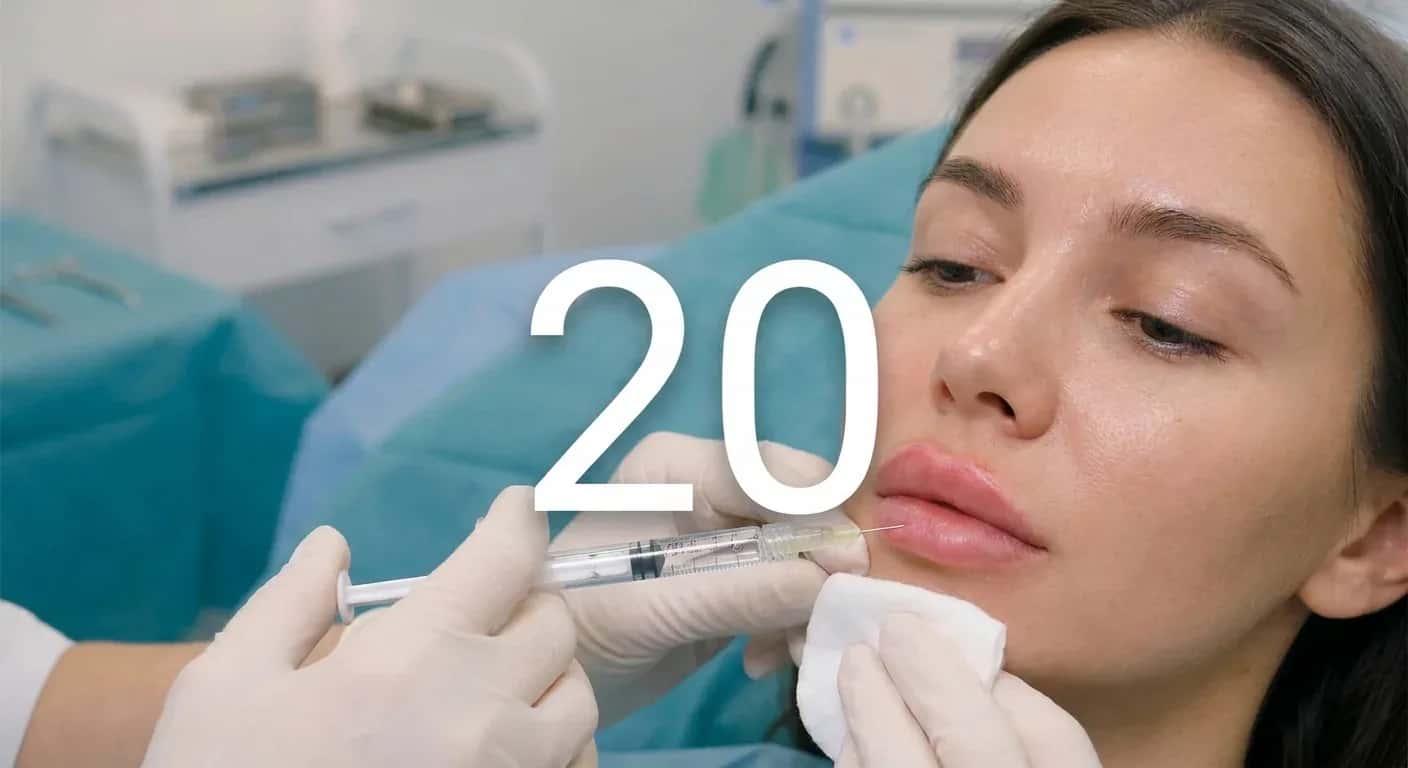
Many singers, actors, reality stars and influencers have talked openly about getting lip filler, and a growing number have also shared why they later had it dissolved. This guide looks at what 20 of these public figures said about their own lip treatments and what their experiences can teach anyone considering filler.


Filler fatigue describes the point where repeated dermal filler treatments leave a face looking heavier, puffier or less like itself, and it is pushing many people to rethink how they approach injectables. This guide explains what causes it, how to recognize an overfilled face.

Overfilled faces develop when injectable treatments add more volume than the facial anatomy can accommodate naturally, altering contours, proportions and sometimes facial expression.
Subscribe to the Medifinder newsletter and never miss our latest content.