










Russian Lip Filler Technique: Results, Procedure, Risks and Aftercare
The Russian lip filler technique is an injectable cosmetic approach generally intended to create vertical lip height and central definition rather than simply adding forward volume. If you are seeking a more pronounced Cupid’s bow or a lifted lip shape, you will likely encounter this term. However, the "Russian lip tec

- Last updated
- 765 reads
- 20 min read


What Is the Russian Lip Filler Technique?
The Russian lip filler technique is an approach to lip augmentation using hyaluronic acid filler. It generally focuses on increasing vertical lip height and enhancing the central contour of the lips. During the procedure, the practitioner often aims to give the Cupid’s bow greater visual emphasis and create lip eversion (a slight outward rolling of the lip border) rather than only outward, forward projection.
The final result depends heavily on your baseline anatomy and the practitioner's treatment planning. Because the term is used inconsistently across different clinics, patients should ask their practitioner to explain the intended result using medically appropriate language, rather than relying solely on the "Russian lips" label.
Is the Russian Lip Technique a Standardized Medical Procedure?
No. There is no single, universally accepted medical protocol that defines the term.
Injection patterns, product selection, needle or cannula use, and treatment quantities vary significantly between practitioners. While published clinical studies may describe different vertical injection or tenting approaches, social-media descriptions of "Russian lips" frequently do not match formal clinical terminology. This variation matters for your informed consent. You should always ask the practitioner:
- Which specific filler product will be used?
- What exact aesthetic objective is being proposed?
- How does the treatment plan suit your natural anatomy?
- Which medical risks are specific to their proposed approach?
What Result Is the Russian Lip Technique Designed to Create?
When a practitioner uses this technique, they are typically aiming for specific aesthetic characteristics, including:
- Greater visible vertical lip height
- Central lip fullness
- A more sharply defined Cupid’s bow
- Eversion (lifting) of the upper lip border
- A more structured overall contour
- Reduced emphasis on horizontal widening
- Potentially less forward projection compared to standard volumizing approaches
These outcomes must be heavily qualified. The technique does not guarantee that every patient will achieve a completely flat side profile, a perfect heart shape, perfect symmetry, or a purely natural appearance. Furthermore, it does not guarantee that the filler will not migrate. The result will appear differently on lips that are naturally thin, full, asymmetric, aged, or previously treated with filler.
How Does the Russian Lip Technique Differ From Traditional Lip Filler?
"Traditional lip filler" is also an umbrella term covering several conventional techniques. Neither approach is inherently superior, and conventional treatments are not outdated.
| Consideration | Russian Lip Technique | Conventional Lip-Filler Approaches | Important Qualification |
| Primary aesthetic objective | Vertical height and central structure | Overall volume and horizontal enhancement | Objectives overlap depending on the practitioner |
| Forward projection | Aims to minimize excessive forward projection | May create more forward projection | Patient anatomy heavily influences projection |
| Cupid’s bow definition | Highly emphasized and structured | Often enhanced but generally softer | Depends on the baseline lip shape |
| Injection terminology | Often involves vertical injection or tenting | Often involves horizontal or linear threading | Neither technique eliminates injection risks |
| Swelling and bruising | May cause more initial swelling due to multiple injection points | Swelling is common but may resolve slightly faster | Individual healing responses vary greatly |
Is the Russian Lip Technique the Same as Lip Tenting?
The terms may overlap in cosmetic clinics, but they are not guaranteed to mean exactly the same thing. Both concepts generally utilize vertical injection techniques to encourage lip eversion, central shaping, and Cupid’s bow emphasis. However, due to the variation in practitioner terminology and the lack of a single standardized medical protocol, a clinic advertising lip tenting may not perform the exact same procedure as a clinic advertising the Russian lip technique.
Russian Lips vs Natural Lip Filler
"Natural" describes an aesthetic objective rather than one specific medical technique. A natural-looking lip filler result depends on respecting facial proportions, using a conservative volume of product, honoring the existing lip shape, and ensuring normal lip movement.
The Russian technique can appear subtle and natural in some patients and highly conspicuous in others. A practitioner can use conventional techniques to create a dramatic look or use vertical Russian-style techniques to create a subtle change.
Russian Lip Filler vs Lip Flip
| Feature | Russian Lip Filler | Lip Flip |
| Product used | Hyaluronic acid dermal filler | Botulinum toxin (neuromodulator) |
| Anatomical target | Deep lip tissue and mucosal borders | Orbicularis oris muscle around the mouth |
| Primary effect | Adds physical volume and structure | Relaxes muscle tension to allow the lip to roll upward |
| Change in volume | Yes | No |
| Duration | Several months to over a year | Typically 8 to 12 weeks |
| Risks | Swelling, vascular occlusion, migration | Temporary difficulty drinking from straws or speaking |
A lip flip does not create the physical volume that dermal filler provides. Do not combine the treatments without an individual medical assessment.
Russian Lip Filler vs Surgical Lip Lift
A surgical lip lift is a permanent surgical procedure that shortens the skin distance between the nose and the upper lip. It requires local anesthesia, involves incisions and suturing, leaves a small permanent scar beneath the nose, and requires surgical recovery. A surgical lip lift cannot be reversed.
In contrast, the Russian lip technique is a temporary injectable treatment that adds volume to the lip tissue itself. A surgical lip lift should not be viewed simply as a permanent version of Russian lip filler.
How Is the Russian Lip Technique Performed?
The patient-level treatment process generally involves:
- A detailed medical and aesthetic consultation.
- A review of your previous fillers, surgeries, and medical history.
- An examination of your lip anatomy, dental support, and facial proportions.
- A discussion of realistic outcomes and the selection of an appropriately authorized filler.
- Cleansing of the area and pain-management planning (such as topical numbing cream).
- Carefully planned filler placement by the practitioner.
- Assessment of symmetry and your tissue’s response during the procedure.
- Post-treatment observation and the provision of written aftercare and emergency instructions.
What Type of Filler Is Used?
Most temporary lip augmentations, including the Russian lip technique, use hyaluronic acid (HA) fillers. Product regulatory approval varies by country, and your practitioner will select a specific brand and formulation based on your needs.
Product choice depends on the desired treatment area, the required product flexibility and firmness, how the gel attracts water, and how it integrates with your tissue. HA fillers are generally preferred because they can be reversed with an enzyme called hyaluronidase in the event of an emergency or an undesirable result. Ensure your practitioner uses authorized products with clear traceability, checking the batch number, expiration date, and sealed packaging before injection.
Who May Be Suitable for the Russian Lip Technique?
Suitability for cosmetic injectables must be determined by a qualified medical professional. Potential considerations for the Russian lip technique may include:
- Adults seeking more vertical definition in the lips.
- Patients interested in greater Cupid’s bow emphasis.
- People seeking a moderate and proportionate shape change.
- Patients with realistic expectations about cosmetic outcomes.
- People without any active skin or oral infections around the mouth.
- Patients able to follow strict aftercare instructions.
- People who understand that filler results are temporary.
- Patients willing to accept swelling, bruising, and temporary asymmetry during the healing process.
These are general considerations rather than individual eligibility criteria.
Who May Need Further Assessment or Another Approach?
Certain medical factors may require further assessment, a delay in treatment, or choosing another approach entirely. You must discuss these with your practitioner:
- Active cold sores (herpes simplex) or untreated dental/oral infections.
- Pregnancy or breastfeeding.
- Known filler allergies or relevant hypersensitivities.
- Bleeding disorders or the use of anticoagulant/antiplatelet medications (do not stop prescribed medication without discussing it with your prescribing clinician).
- Autoimmune or inflammatory conditions.
- The presence of previous permanent filler or an unidentified previous filler.
- Significant filler migration, lip nodules, or granulomas.
- A history of vascular complications from previous aesthetic treatments.
- Unrealistic expectations or severe body-image concerns.
- Anatomy incompatible with the requested heart-shaped result.
Can Russian Lip Filler Be Used on Naturally Thin Lips?
Naturally thin lips may be treated using vertical techniques, but treatment must be conservative. Your natural anatomy limits the amount of safe and proportionate change achievable in one session.
Tissue capacity, lip function, dental support, and mucosal characteristics dictate how much filler the lips can hold. Pushing too much product into thin lips increases the risk of overfilling and migration. Achieving a noticeable change often requires staged treatments spread over several months. You should not expect very thin lips to safely achieve a dramatic Russian shape in a single appointment.
Can the Technique Correct Lip Asymmetry?
Filler may help reduce the appearance of selected asymmetries, but it cannot guarantee perfect symmetry. Natural facial asymmetry, dental alignment, skeletal factors, muscle activity, scar tissue, and previous surgeries all influence lip shape. There are also natural differences between how your lips look at rest versus when smiling. Significant or newly developed facial asymmetry may require broader medical assessment before cosmetic treatment.
Can Russian Lips Be Performed Over Existing Filler?
Whether new filler can be added over existing product depends on the product type, its current location, the time elapsed since the last treatment, and your tissue quality. If you have significant migration, palpable nodules, or your lips have reached their volume capacity, the practitioner may refuse to add more.
Possible approaches include observing the lips, adding a very limited amount of new product, staged correction, or dissolving the old hyaluronic acid filler entirely. You do not always have to dissolve previous filler, but this must be determined through medical evaluation.
Does Old Filler Need to Be Dissolved First?
Dissolving old filler is not a routine requirement for every patient, but it may be recommended if you have:
- Significant product migration beyond the lip border.
- An unwanted shape from previous treatments.
- Severe overfilling.
- Palpable or visible nodules.
- Unclear product placement that obscures your baseline anatomy.
It is important to understand the limitations of hyaluronidase (the dissolving enzyme). Dissolving can cause significant swelling or bruising and carries a risk of allergic reactions. Dissolution may be incomplete or uneven, requiring repeat treatment. You must wait for the tissue to settle and undergo reassessment before reinjection can safely occur.
How Much Filler Is Used?
There is no universal or "ideal" amount of filler. The quantity used depends entirely on your existing lip volume, tissue capacity, desired degree of change, previous filler, and facial proportions.
Do not assume that one full milliliter (1ml) is the standard requirement for everyone. Less than a milliliter is often sufficient, especially for subtle refinement or when treating naturally thin lips. More filler does not automatically create a better or more defined Russian-lip result.
Is the Russian Lip Technique More Painful?
Discomfort varies widely according to individual pain sensitivity, the specific product used, the practitioner's technique, and your anxiety levels. Because the Russian lip technique often involves multiple injection points along the lip border, some patients report it feels slightly more uncomfortable than conventional linear threading. However, topical numbing creams and local anesthetics formulated within the filler usually make the procedure manageable. The technique is not completely painless.
What Happens Immediately After Treatment?
Immediately after injection, your lips are not displaying their final result. You will likely experience:
- Noticeable swelling and tenderness
- Redness and bruising
- Temporary asymmetry due to uneven swelling
- Firmness in the injected areas
- Small, visible injection marks
You may have temporary difficulty assessing the final shape due to these tissue responses. Do not massage your lips unless your treating practitioner specifically instructs you to do so.
How Long Does Swelling Last?
Swelling is typically most visible during the first 24 to 72 hours and gradually improves over the following weeks. The exact timing varies based on the product used, the treatment volume, your individual tissue response, and the amount of bruising present. Repeated manipulation or poor aftercare can prolong swelling. While most obvious swelling subsides within a few days, increasing, severe, or unusually painful swelling may require urgent medical assessment.
When Can You See the Final Result?
Because immediate swelling distorts the shape of the lips, you cannot judge the result on the day of treatment. Early asymmetry often improves as swelling settles. Product integration and tissue healing take time, meaning the final, settled result is usually visible after two to four weeks. Additional filler should never be added solely because the lips appear slightly uneven immediately after treatment.
How Long Do Russian Lip Fillers Last?
Hyaluronic acid fillers are temporary. Duration varies widely according to the specific product used, the amount injected, your body's metabolism, and how much your lips move during speech and eating. There is no fixed duration, and you should not assume that the Russian lip technique lasts longer or shorter than conventional lip filler. The aesthetic shape of your lips will change gradually as the product breaks down over several months.
Does the Russian Lip Technique Cause Filler Migration?
The Russian lip technique does not prevent filler migration, nor does vertical injection guarantee that migration will occur. Filler migration may be influenced by:
- Excessive product quantity
- Incorrect product characteristics for the tissue
- The anatomical plane of injection
- Repeated treatments without allowing product to degrade
- Limited tissue capacity
- Existing filler
- The practitioner’s technical skill
Suspected migration should be assessed clinically by a qualified professional rather than diagnosed from social-media photographs.
What Are the Common Side Effects?
Common, temporary side effects of lip filler include:
- Swelling and bruising
- Tenderness and injection-site discomfort
- Redness and itching
- Firmness
- Temporary asymmetry
- Small, temporary lumps related to early swelling
Do not assume every lump is filler migration. However, do not assume all persistent nodules are harmless; any concerning lump should be medically reviewed.
What Are the Serious Risks?
Important Safety Information: Dermal fillers carry risks of rare but severe complications. Serious risks include:
- Vascular occlusion (blockage of a blood vessel)
- Tissue ischemia and skin necrosis (tissue death)
- Infection or abscess
- Persistent nodules or granulomatous inflammatory reactions
- Delayed inflammatory reactions
- Herpes simplex (cold sore) reactivation
- Significant, long-lasting asymmetry
- Product migration
- Allergic reactions or anaphylaxis
- Scarring
- Rare visual complications (blindness)
Accidental injection into a blood vessel is uncommon but may cause serious and potentially permanent injury. Because the lips are highly vascular, serious complications are never impossible.
What Are the Warning Signs of Vascular Occlusion?
Seek Urgent Medical Care: Vascular occlusion is a medical emergency. Do not attempt to manage suspected vascular occlusion at home. Urgent professional assessment is required if you experience symptoms such as:
- Severe or increasing pain that appears disproportionate to the procedure.
- Blanching, unusually pale skin, or a mottled, dusky discoloration.
- Cool skin in or around the treatment area.
- Delayed capillary refill (the skin does not return to a pink color quickly after being pressed).
- Increasing color changes spreading outside the expected injection area.
- Blistering of the skin or lip mucosa.
- Sudden visual disturbances, severe headache, or neurological symptoms.
Rapidly worsening tissue changes require immediate emergency medical care.
Can Russian Lip Filler Be Dissolved?
If a hyaluronic acid filler was used, it can often be treated with hyaluronidase, a prescription enzyme. This can be done electively if you are dissatisfied with the shape, or as an emergency treatment for vascular complications.
However, the tissue's response to hyaluronidase is not always exact or predictable. Dissolving may require more than one session and can cause swelling, allergic reactions, or incomplete dissolution. You may also experience a temporary loss of your intended natural tissue volume. Non-hyaluronic acid fillers or permanent implants cannot be dissolved with hyaluronidase.
What Aftercare May Be Recommended?
Aftercare recommendations vary and should come directly from your treating professional. General patient-education guidelines often include:
- Strictly following the practitioner’s written instructions.
- Avoiding unnecessary pressure, touching, or manipulation of the lips.
- Keeping the mouth and face clean to prevent infection.
- Avoiding unapproved topical products on the healing injection sites.
- Monitoring swelling, pain levels, and skin color changes closely.
- Keeping emergency contact details accessible.
- Attending any scheduled follow-up appointments.
Do not use ice directly on the skin, take unprescribed pain medication, or massage the lips without individual guidance from your practitioner.
When Can You Wear Makeup, Exercise or Have Dental Treatment?
Timing varies according to your individual healing, the extent of bruising, and your practitioner’s protocol. Applying makeup too soon can introduce bacteria into unhealed injection sites. Heavy exercise may exacerbate swelling and bruising.
Dental treatment exposes the mouth area to prolonged pressure, tissue manipulation, and bacteria, increasing the risk of filler complications or infection. You should discuss the timing of any planned dental procedures with your practitioner before receiving lip filler.
Russian Lip Technique Before and After Photos: What Should You Check?
When viewing a practitioner's portfolio, use this practical checklist to evaluate the images objectively:
- Lighting and Angle: Check for similar lighting, camera distance, and head position.
- Expression: Ensure the face has a neutral expression with lips at rest rather than posed or pursed.
- Profiles: Look for both front and side profiles to assess forward projection.
- Timing: Check if the "after" photo was taken immediately after treatment (showing swelling) or weeks later.
- Concealment: Look for the presence of heavy lip makeup or gloss that obscures the true shape.
- Transparency: Check for disclosure of previous filler treatments.
- Ownership: Ensure the case actually belongs to the named practitioner.
Remember that photographs show selected, highly successful outcomes; they cannot predict your individual result or establish the safety of the clinic.
How Should You Choose a Russian Lip Filler Practitioner?
Social-media popularity is not proof of medical competence. Choose a qualified professional using this checklist:
- Recognized medical qualification (e.g., dermatologist, plastic surgeon, aesthetic doctor, or equivalent registered healthcare professional).
- Active professional license or registration in their operating country.
- Legal authority to administer cosmetic injectables.
- Extensive training in facial anatomy and experience treating lips.
- Ability to offer and explain alternative treatments.
- Use of appropriately authorized products with clear traceability and sealed packaging.
- Immediate availability of emergency supplies, including hyaluronidase.
- A clear, written vascular-occlusion protocol.
- The ability to independently recognize and medically manage complications.
- An established referral pathway for visual complications.
- A clean, appropriate clinical environment.
- A thorough informed consent and medical-history assessment process.
- Transparent pricing and follow-up access.
What Should You Ask Before Treatment?
- What does the Russian lip technique mean in your practice?
- What result are you proposing for my specific anatomy?
- Which exact product will you use?
- Is the product authorized for lip augmentation in this country?
- Can I see the sealed package and batch information before injection?
- What medical qualification and professional license do you hold?
- How much experience do you have with lip filler?
- Who exactly will perform the injections?
- What alternative approaches should I consider?
- Do I medically or aesthetically need treatment at all?
- How will my previous filler be assessed?
- Does any old filler need to be dissolved before we proceed?
- What risks apply specifically to my medical history?
- What should I expect my lips to look and feel like immediately afterward?
- Which symptoms require urgent medical help?
- Do you keep hyaluronidase on site for emergencies?
- What is your precise vascular-occlusion protocol?
- How are visual complications managed or referred?
- What follow-up is included in my care?
- What does the price include exactly?
- What happens if I dislike the final result?
- How are medical complications treated and charged?
How Much Does the Russian Lip Technique Cost?
Costs for the Russian lip technique vary widely depending on your location and the provider. When researching prices, you must carefully evaluate what the quote includes. Check whether the advertised price applies to a single treatment session, a specific syringe size, or the entire product amount used.
Verify the filler brand where published, and ask if the consultation, post-treatment follow-up, elective dissolving, or complication management are included in the price. Never calculate an average from different products, and distinguish introductory starting prices from finalized quotations. A lower price is not definitive proof of poor quality, just as a higher price is not a guarantee of medical expertise.
What Affects the Cost?
The final cost of your treatment may be influenced by:
- Country and city: Geographic living and business costs impact clinical pricing.
- Practitioner qualification: Highly specialized medical professionals typically charge more than non-medical cosmetic injectors.
- Clinical setting: Regulated healthcare facilities carry higher overhead costs.
- Filler product: Premium, highly researched hyaluronic acid brands cost more to purchase.
- Amount of filler: Pricing may scale based on the volume of product required.
- Dissolving before treatment: Elective hyaluronidase treatments carry their own separate fees.
- Staged treatment: Achieving a specific shape may require multiple appointments.
- Follow-up and complication management: Comprehensive medical care models factor these into their initial fees.
- Taxes or facility fees: Local regulations may require additional surcharges.
Frequently Asked Questions
What is the Russian lip technique?
The Russian lip technique is a cosmetic marketing term for a lip filler approach intended to increase vertical height and emphasize the Cupid’s bow. It is not a standardized medical procedure. Results rely on the practitioner’s individual technique, the product used, and the patient's underlying anatomy.
Are Russian lips different from normal lip filler?
While both use hyaluronic acid filler, the Russian approach generally emphasizes vertical height and central contour. Conventional techniques often focus more on horizontal widening and general volumization. However, because neither term represents a standardized protocol, methods overlap significantly depending on the injector.
Do Russian lips look more lifted?
The technique aims to create lip eversion, giving the border of the lip a more lifted, structured appearance. However, the degree of lift achieved depends on the patient's baseline tissue capacity, dental support, and the exact placement of the dermal filler.
Do Russian lips project forward?
While the Russian technique intends to minimize excessive forward projection (often called a "duck lip"), some degree of forward volume is inevitable when adding a physical gel to the lips. It cannot guarantee a completely flat side profile for every patient.
Is the Russian lip technique suitable for thin lips?
Yes, but treatment must be conservative. Naturally thin lips have limited tissue capacity. Pushing too much filler to achieve a dramatic Russian shape can cause overfilling and migration. Safe enhancement usually requires small amounts of filler placed over multiple staged sessions.
Is Russian lip filler more painful?
Because the technique often utilizes multiple vertical injection points along the sensitive lip border, some patients find it slightly more uncomfortable than conventional linear injections. Topical numbing creams and anesthetics inside the filler are used to make the procedure manageable.
How much filler is used for Russian lips?
The amount of filler varies entirely based on your existing lip volume, tissue capacity, and desired result. Less than a milliliter is often enough for subtle refinement. Your practitioner will determine the appropriate, safe quantity during your medical consultation.
How long does Russian lip swelling last?
Swelling is typically most obvious for the first 24 to 72 hours. It gradually subsides over the following days to weeks. The exact timeline depends on the product volume, your individual inflammatory response, bruising, and adherence to aftercare instructions.
When can you see the final result?
The final, settled result is usually visible two to four weeks after injection. Immediate swelling and early asymmetry will distort the lips initially. You must allow the hyaluronic acid product to fully integrate with your tissue before judging the final shape.
How long do Russian lip fillers last?
Hyaluronic acid fillers are temporary, gradually breaking down over several months to over a year. The duration depends on the specific product formulation, your metabolic rate, and natural lip movement. They do not permanently change your lip anatomy.
Do Russian lips cause migration?
The Russian technique does not prevent filler migration. Migration can still occur due to overfilling, incorrect product selection, repeated treatments without degradation, or poor injection plane placement. Suspected migration should be evaluated by a qualified medical practitioner.
Is the Russian lip technique safer than regular lip filler?
No. Because both approaches involve injecting hyaluronic acid into a highly vascular area, they carry the same severe risks, including vascular occlusion and tissue necrosis. The safety of the procedure depends entirely on the practitioner's medical knowledge, not the technique's name.
Do you need to dissolve old filler first?
Dissolving old filler is not always required. However, if you have significant filler migration, palpable nodules, or your lips are already overfilled, your practitioner will likely recommend dissolving the old product with hyaluronidase before attempting a new Russian lip shape.
Can Russian lip filler be dissolved?
Yes. If the treatment uses hyaluronic acid filler, an enzyme called hyaluronidase can be injected to dissolve it. However, the dissolving process is not always perfectly precise, may require multiple sessions, and carries a risk of swelling and allergic reactions.
Can Russian lips correct asymmetry?
Careful filler placement can minimize the appearance of mild asymmetries. However, it cannot guarantee perfect symmetry, as lip shape is heavily influenced by underlying dental structure, facial muscles, and natural resting tissue variations. Severe asymmetry requires specific medical assessment.
What are the warning signs of vascular occlusion?
Warning signs include severe, disproportionate pain, unusually pale or mottled dusky skin, coolness in the area, blistering, or visual disturbances. This is a medical emergency requiring urgent professional intervention, not home management.
How do you choose a qualified lip-filler practitioner?
Look for a recognized medical qualification (such as a dermatologist or plastic surgeon), an active professional license, specialized training in facial anatomy, transparency about product tracing, and immediate on-site availability of emergency hyaluronidase and a written vascular occlusion protocol.
Conclusion
The Russian lip technique is a popular aesthetic approach, but it is not one universally standardized medical protocol. Generally intended to emphasize vertical height, central contour, and Cupid’s bow definition, the final results depend heavily on your baseline anatomy, the filler product, any existing treatments, and your practitioner's planning.
It is vital to understand that the technique does not guarantee reduced migration, less forward projection, or greater safety compared to conventional methods. Hyaluronic acid lip fillers are temporary but carry the risk of serious medical complications, including vascular occlusion. Therefore, your practitioner's medical qualifications, product traceability, and emergency preparedness matter far more than the treatment’s social-media name. Patients should seek urgent medical help for any symptoms suggesting vascular compromise. Use MediFinder to research appropriately qualified medical practitioners, aesthetic clinics, and dermatologists to ensure you receive safe, informed care.
- Last updated
- Language
- English
How did you find this article?
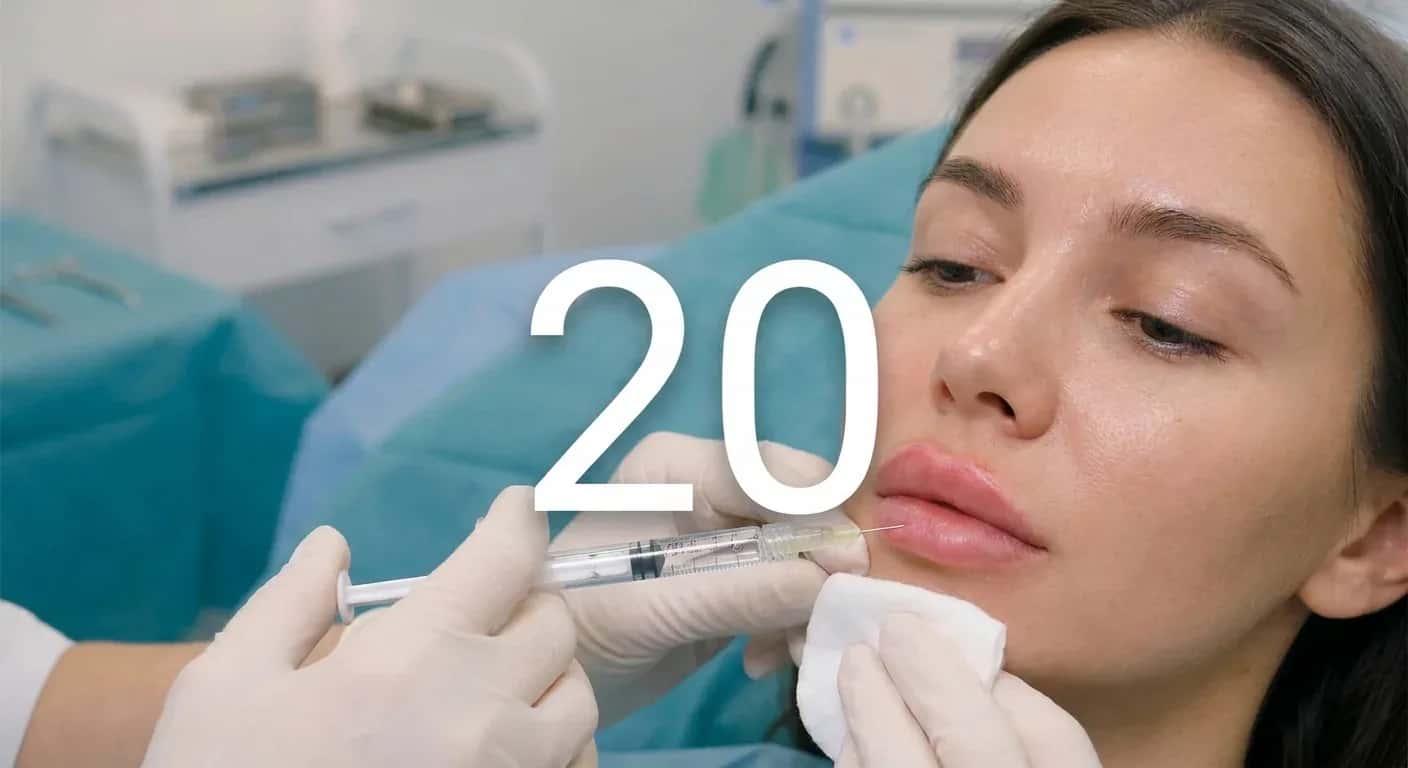
Many singers, actors, reality stars and influencers have talked openly about getting lip filler, and a growing number have also shared why they later had it dissolved. This guide looks at what 20 of these public figures said about their own lip treatments and what their experiences can teach anyone considering filler.

Filler fatigue describes the point where repeated dermal filler treatments leave a face looking heavier, puffier or less like itself, and it is pushing many people to rethink how they approach injectables. This guide explains what causes it, how to recognize an overfilled face.
Overfilled faces develop when injectable treatments add more volume than the facial anatomy can accommodate naturally, altering contours, proportions and sometimes facial expression.
Subscribe to the Medifinder newsletter and never miss our latest content.