










Radiesse Filler
Learn how Radiesse filler works, where it can be used, how long results may last, what recovery involves and which risks you should consider before treatment.

- Last updated
- 153 reads
- 9 min read


Radiesse is an injectable dermal filler used to restore volume, improve facial contours and soften selected wrinkles. Unlike fillers that rely on hyaluronic acid, Radiesse contains calcium hydroxylapatite microspheres suspended in a gel carrier. The product creates an immediate filling effect while also supporting gradual changes within the treated tissue.
You may consider Radiesse when facial ageing has reduced definition around the cheeks, lower face or jawline. Practitioners may also use it to improve the appearance of ageing hands or, under carefully selected protocols, enhance skin quality in other areas. Approved indications and commonly used techniques vary between countries, so your consultation should focus on the exact treatment area and product being proposed.
Radiesse does not suit every wrinkle or every part of the face. Its relatively firm structure makes it useful for deeper support and contouring, but it also demands accurate placement. The person performing the injections should understand facial anatomy, know how to manage complications and explain why this product offers an advantage for your particular concern.
What Is Radiesse Made From?
Radiesse contains synthetic calcium hydroxylapatite, often shortened to CaHA. This mineral-like material is suspended as microscopic particles within a smooth, water-based gel. The injectable product has enough structure to provide support beneath the skin rather than acting only as a soft surface filler.
The gel carrier produces much of the immediate visible correction. Over time, the body gradually processes that carrier, while the CaHA particles remain temporarily within the tissue. They provide a framework around which new extracellular-matrix components can develop.
The body eventually breaks down the particles. Radiesse is therefore not considered a permanent implant, although its effects may remain visible for many months.
How Does Radiesse Work?
Radiesse works in two stages. First, the injected gel adds volume and supports the treated area. You may notice a change in contour immediately after the appointment, although swelling can temporarily exaggerate the result.
Second, the calcium hydroxylapatite particles interact with the surrounding tissue. This process supports the formation of structural components such as collagen and elastin. The gradual biological response can help maintain improvement after the original gel carrier starts to disappear.
For this reason, practitioners often describe Radiesse as both a filler and a biostimulatory injectable. The result still depends on the amount used, injection depth, your tissue quality and the area being treated.
Which Areas Can Radiesse Treat?
Practitioners commonly consider Radiesse for deeper facial folds and areas that need structural support. It may be used around the lower face, cheeks, chin and jawline when the goal involves contour rather than very superficial hydration.
Possible treatment areas include:
-
Nasolabial folds beside the nose and mouth
-
Marionette lines around the lower corners of the mouth
-
Chin projection and shape
-
Jawline definition
-
Selected cheek and lower-face contour concerns
-
Volume loss on the backs of the hands
Calcium hydroxylapatite fillers have recognised uses for moderate or severe facial folds and for restoring volume on the backs of the hands. Exact approved indications depend on the product version and local regulatory rules.
Your practitioner may discuss off-label use in another area. Off-label does not automatically mean inappropriate, but you should understand that the treatment may not carry the same specific regulatory approval for that location.
What Is Hyperdilute Radiesse?
Standard Radiesse provides noticeable volume and support. Hyperdilute Radiesse refers to a technique in which the product is mixed with a greater amount of sterile diluent, usually saline and sometimes local anaesthetic.
This preparation spreads the calcium hydroxylapatite particles across a broader area while reducing the immediate volumising effect. Practitioners may choose it when they want to focus more on skin firmness, texture and tissue quality than on creating a projected contour.
Hyperdilute treatment may be discussed for the neck, décolleté, upper arms or other areas with mild skin laxity. The correct dilution and injection technique depend on the location and the condition of your skin. You should not assume that the same mixture or volume suits every area.
Results develop gradually. Hyperdilute Radiesse does not tighten loose skin in the same way as surgery, and it cannot remove excess tissue.
Is Radiesse Suitable for the Lips or Under-Eye Area?
Radiesse is generally not the first product practitioners choose for lip enhancement. The lips require softness, flexibility and very precise control. A firm calcium hydroxylapatite filler may create unwanted texture or nodules if placed in an unsuitable plane.
The under-eye area also has thin skin and limited space. Irregular placement may become visible or palpable. Many injectors prefer products that offer softer integration and easier adjustment for this delicate location.
Radiesse does not have the straightforward enzymatic reversal option associated with hyaluronic acid fillers. This makes product selection and injector experience particularly important in areas where even a small irregularity can become noticeable.
How Is Radiesse Different From Hyaluronic Acid Filler?
Hyaluronic acid fillers attract and retain water. Different formulations range from soft products designed for movement to firmer gels used for contouring.
Radiesse relies on calcium hydroxylapatite and generally provides a more structural effect. It may suit areas where you want support, definition or gradual collagen-related improvement.
One major difference involves reversibility. A clinician can usually dissolve hyaluronic acid filler with hyaluronidase when medically necessary or when correction is required. Radiesse does not have an equivalent instant dissolving treatment.
This does not mean that Radiesse is unsafe. It means your practitioner should place it conservatively and accurately. When you remain uncertain about the shape or volume you want, a reversible filler may offer greater flexibility.
How Is Radiesse Different From Sculptra?
Sculptra contains poly-L-lactic acid and works mainly through gradual collagen stimulation. It usually does not create the same immediate structural correction as Radiesse.
Radiesse combines visible initial filling with a later tissue response. Sculptra treatment often develops more gradually and may involve a series of sessions.
Neither product is automatically better. Radiesse may suit a patient who wants immediate contour with biostimulatory effects, while another product may fit a broader, gradual volume-restoration plan.
Your practitioner should consider your skin thickness, facial structure, treatment history and desired timeline before recommending either option.
Who May Be a Good Candidate?
You may be a suitable candidate when you have moderate volume loss, deeper folds or reduced definition in an area that can benefit from structural support.
A good candidate should have realistic expectations and understand that filler cannot reproduce the effect of a facelift. Radiesse can improve selected contours, but it cannot remove substantial loose skin or reposition deeply sagging tissue.
You should disclose all previous cosmetic treatments, particularly other fillers. The practitioner needs to know which products were injected, where they were placed and when the procedures occurred.
Active skin infection, inflammation or an unresolved dental problem near the treatment area may require postponement. Pregnancy, breastfeeding, bleeding disorders, medication use and certain medical conditions also need individual review.
What Happens During the Treatment?
The appointment usually begins with an examination and facial assessment. Your practitioner may mark injection points and take standardised photographs.
The skin is cleaned carefully. Depending on the product and treatment plan, local anaesthetic may already be included or added to improve comfort. The practitioner then places small amounts of filler using a needle or cannula.
You may feel pressure, stinging or a deep pushing sensation. Treatment time depends on the number of areas and the complexity of the correction.
The practitioner may gently shape the product after injection. You should not massage the area later unless you receive specific instructions.
How Long Does Radiesse Last?
Radiesse does not produce a permanent result. Many patients notice improvement for approximately a year, although the duration can vary considerably.
Your metabolism, facial movement, treatment area, injected volume and tissue characteristics all influence longevity. Areas exposed to frequent movement may lose visible correction sooner than more stable structural zones.
The biological response may allow some improvement to remain after the original gel effect decreases. However, you should expect gradual change rather than a sudden return to the pretreatment appearance.
Repeated treatment does not need to follow a rigid calendar. Your practitioner should reassess your face before adding more product, as unnecessary layering can create excessive volume.
What Does Recovery Involve?
Mild swelling, bruising, redness and tenderness can occur after treatment. These effects usually improve gradually over the following days.
You may notice temporary firmness or small irregularities while swelling settles. Avoid repeatedly pressing the area to check the result.
Your practitioner may advise you to avoid strenuous exercise, excessive heat, alcohol and strong pressure for a short period. Follow the instructions provided for your exact treatment rather than using a general filler routine.
Do not schedule an important event immediately after the injections. Even a technically successful treatment can produce visible bruising.
What Are the Possible Side Effects?
Common injection-related effects include swelling, bruising, pain, redness, itching and local tenderness. Small lumps may develop when the product gathers unevenly or is placed too close to the skin.
Less common problems include infection, persistent nodules, inflammatory reactions, asymmetry and unwanted contour changes. Calcium hydroxylapatite fillers generally have a long clinical history, but no injectable treatment is free from complications.
Your risk depends heavily on technique. Using excessive volume, choosing the wrong tissue plane or treating an unsuitable area can make complications more likely.
What Is the Most Serious Risk?
The most serious dermal-filler complication occurs when product enters or compresses a blood vessel. Reduced blood flow can damage the skin and, in rare cases, affect vision or cause neurological injury.
Warning signs may include severe or increasing pain, pale skin, a grey or mottled pattern, unusual coolness or sudden visual symptoms. Accidental intravascular injection is a recognised risk of Radiesse and other dermal fillers.
You need immediate medical assessment if you develop these symptoms. Do not wait for a routine follow-up appointment.
The clinic should have a written complication protocol, appropriate emergency supplies and a clear referral pathway. A low price should never take priority over medical training and safety preparation.
How Should You Choose a Practitioner?
Choose a licensed medical professional who performs injectable treatments regularly and understands facial vascular anatomy.
Ask which product they plan to use and why it suits your concern. You should also confirm whether the treatment is approved for that location in your country or being used off-label.
A responsible consultation should include discussion of:
-
Expected improvement
-
Product quantity
-
Alternative treatments
-
Possible asymmetry
-
Vascular complications
-
Follow-up care
-
Management of lumps or poor results
-
The limits of reversibility
Avoid treatment when the injector refuses to show sealed packaging, cannot explain the product or promises a completely risk-free procedure.
Conclusion
Radiesse is a calcium hydroxylapatite filler that provides immediate structural support while encouraging gradual changes in the surrounding tissue. It may improve deeper folds, facial contours, jawline definition and selected areas of volume loss.
Its firmness makes it useful for support, but that same quality means it does not suit every facial area. Practitioners generally approach delicate locations such as the lips and under-eyes with additional caution.
Results may remain visible for around a year, although longevity varies. Swelling and bruising are common temporary effects, while vascular blockage represents the most serious potential complication.
You should choose Radiesse based on a detailed medical assessment rather than on trends or product reputation alone. Precise placement, conservative dosing and an experienced practitioner matter more than the amount injected. A successful result should improve your natural proportions without creating excessive volume or an obviously treated appearance.
- Last updated
- Language
- English
How did you find this article?
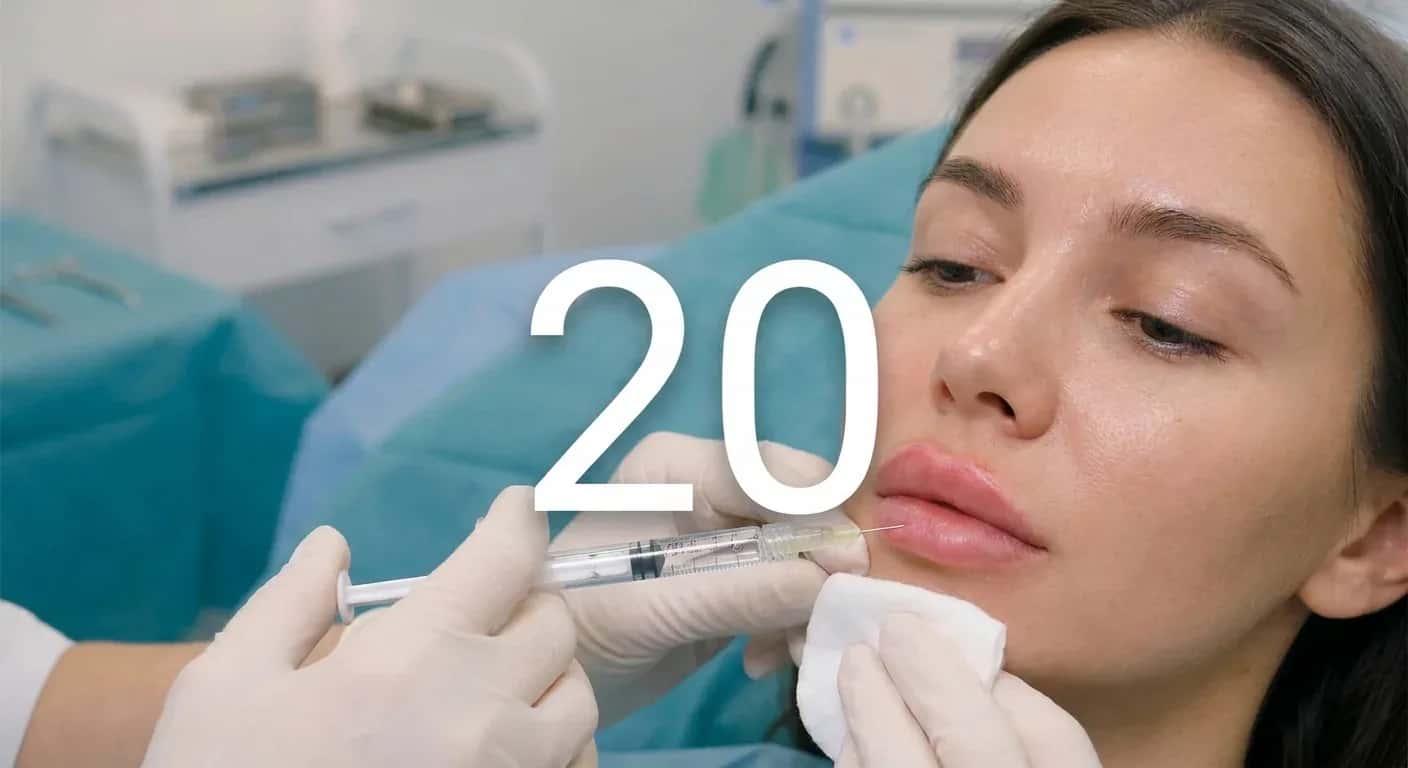
Many singers, actors, reality stars and influencers have talked openly about getting lip filler, and a growing number have also shared why they later had it dissolved. This guide looks at what 20 of these public figures said about their own lip treatments and what their experiences can teach anyone considering filler.


Filler fatigue describes the point where repeated dermal filler treatments leave a face looking heavier, puffier or less like itself, and it is pushing many people to rethink how they approach injectables. This guide explains what causes it, how to recognize an overfilled face.

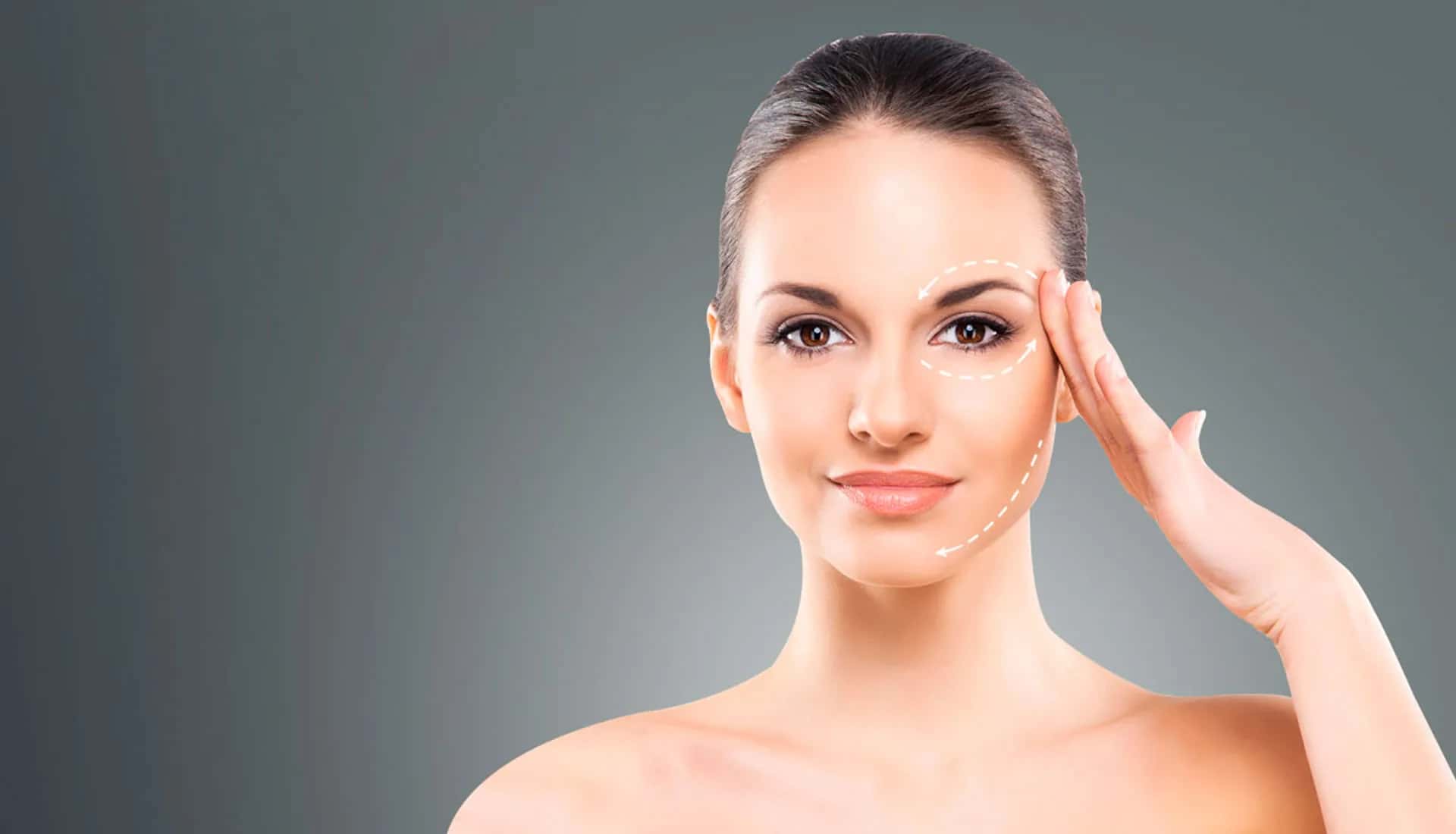
Overfilled faces develop when injectable treatments add more volume than the facial anatomy can accommodate naturally, altering contours, proportions and sometimes facial expression.
Subscribe to the Medifinder newsletter and never miss our latest content.