










Q-Switch Laser in Turkey
International patients research Q-switch laser treatment in Turkey because many clinics offer pigment and tattoo procedures. Travel access, multilingual services, and possible price differences can also influence their plans.

- Last updated
- 142 reads
- 19 min read


What Is a Q-Switch Laser?
A Q-switch laser delivers short, high-energy light pulses that target selected pigment particles. These pulses may break pigment into smaller fragments, which the body may gradually clear.
Q-switch describes the laser’s pulse method rather than one specific device. Wavelengths, brands, settings, and clinical protocols can vary considerably.
What Does “Q-Switched” Mean?
Q-switching allows a laser to release concentrated energy within extremely short pulses. These pulses generally last billionths of a second.
Short pulses can target pigment while reducing unnecessary heat exposure around the treatment area. However, wavelength, energy, skin type, and technique still influence tissue effects.
How Does a Q-Switch Laser Target Pigment?
Q-switch lasers target pigments that absorb particular wavelengths of light. Different pigments respond differently because their light-absorption properties vary.
Melanin is the natural pigment contributing to skin and hair colour. Tattoo inks also contain pigments with different chemical compositions.
Laser energy can create a photoacoustic effect within the target. This effect uses rapid pressure changes to fragment pigment particles.
Why Do Patients Consider Q-Switch Laser Treatment in Turkey?
Patients consider Turkey because it offers many dermatology clinics, aesthetic centres, and medical tourism services. International flights and multilingual support may simplify treatment planning.
Some clinics combine consultations with translation, transfers, or accommodation. Treatment prices may also differ from those in other countries.
These practical factors do not prove higher clinical quality. Practitioner qualifications, devices, hygiene standards, and follow-up procedures vary between providers.
What Can Q-Switch Laser Treat?
Q-switch lasers may treat selected tattoos and diagnosed pigmentation concerns. The exact condition determines the appropriate device, wavelength, and treatment plan.
Possible uses include freckles, solar lentigines, age spots, and certain sun-related pigment changes. Solar lentigines are flat, pigmented marks linked with cumulative sun exposure.
Other uses may include selected birthmarks, cosmetic tattoos, and post-inflammatory pigmentation. Some practitioners also use Q-switch lasers within certain melasma plans.
Changing, irregular, bleeding, or suspicious lesions need medical assessment before cosmetic laser treatment.
Can Q-Switch Laser Remove Tattoos?
Q-switch lasers may fade or remove selected tattoo pigments through repeated treatment. Laser pulses fragment ink particles located within the skin.
Results depend on ink colour, composition, depth, density, and application method. Professional tattoos may contain several dense pigment layers.
Skin tone, tattoo age, body area, and previous removal attempts also affect outcomes. Complete removal cannot be guaranteed.
Which Tattoo Colours Respond to Q-Switch Lasers?
Tattoo colours respond differently because each pigment absorbs specific light wavelengths. Dark inks often react differently from red, green, yellow, or white pigments.
Black and dark blue pigments may respond to certain deeper-penetrating wavelengths. Red and orange pigments may require another wavelength.
Green, turquoise, yellow, and white pigments can be more difficult. Some colours may require other devices or laser technologies.
Can Q-Switch Laser Remove Permanent Makeup?
Selected permanent makeup pigments may respond to cautious Q-switch laser treatment. Common treatment areas include eyebrows and cosmetic lip tattoos.
Permanent makeup often contains mixed pigments, including compounds that can darken after laser exposure. This reaction is sometimes called paradoxical darkening.
A test spot may help assess pigment behaviour before broader treatment. However, a favourable test does not guarantee identical results elsewhere.
Can Q-Switch Laser Treat Pigmentation?
Q-switch lasers may treat selected superficial or deeper pigmentation after accurate diagnosis. Pigmentation is not one single condition.
Freckles, sun spots, melasma, and post-inflammatory marks have different causes. They may also require different wavelengths or alternative treatments.
An incorrect diagnosis can increase recurrence or complication risks. Medical assessment may be necessary before treatment begins.
Can Q-Switch Laser Treat Melasma?
Q-switch laser toning may be considered for selected melasma patients. However, melasma is complex and often returns after treatment.
Sunlight, heat, hormones, inflammation, and irritation can influence melasma. Treatment planning should therefore address more than visible pigment.
Laser exposure can worsen melasma in some patients. Repeated procedures may also create uneven lightening or darkening.
Can Q-Switch Laser Treat Freckles and Sun Spots?
Selected freckles and diagnosed sun spots may respond to pigment-targeting lasers. Correct lesion identification remains necessary before treatment.
Some spots temporarily darken or form light crusting during recovery. Their final response becomes clearer after healing.
Continued sun exposure can contribute to recurrence or new pigmentation. Consistent sun protection remains important after treatment.
Can Q-Switch Laser Treat Post-Inflammatory Hyperpigmentation?
Post-inflammatory hyperpigmentation requires cautious assessment because laser treatment can sometimes worsen it. This condition develops after skin inflammation or injury.
Acne, eczema, burns, and cosmetic procedures can trigger these marks. Some cases improve gradually without laser treatment.
Skin type, remaining inflammation, pigment depth, and the original cause require evaluation. Unsuitable settings may create further inflammation.
What Is Q-Switch Laser Toning?
Laser toning uses repeated low-energy laser passes for selected pigmentation concerns. Practitioners often use a Q-switched Nd:YAG device.
Protocols differ between devices, clinics, and patients. Treatment frequency and energy settings require individualized planning.
Possible outcomes include gradual pigment reduction or improved colour uniformity. However, recurrence and incomplete improvement can occur.
Repeated low-energy treatment is not automatically safer. Cumulative procedures may cause mottled lightening or other pigment changes.
What Is a Q-Switch Carbon Laser Peel?
A carbon laser peel applies a carbon-based lotion before Q-switch laser treatment. The laser then interacts with the carbon layer.
Clinics may market this procedure for oiliness, texture, pores, or superficial skin appearance. Results and supporting evidence vary between treatment claims.
A carbon laser peel is not a deep chemical peel. It also cannot permanently reduce pore size.
Which Q-Switch Laser Wavelengths Are Used?
Different Q-switch wavelengths target different pigment colours and tissue depths. No single wavelength treats every pigment effectively.
Common Q-switched Nd:YAG devices use 1064 nm and 532 nm wavelengths. Nanometres measure the wavelength of light.
Other systems include Q-switched ruby and alexandrite lasers. Device selection requires professional judgment.
What Is a 1064 nm Q-Switch Laser?
A 1064 nm Q-switched Nd:YAG laser delivers deeper-penetrating infrared light. It generally interacts less strongly with superficial melanin.
Practitioners may consider it for dark tattoo inks and selected deeper pigmentation. It is also commonly used during laser toning.
Lower melanin absorption does not make this wavelength universally safe. Diagnosis, skin type, settings, and technique remain important.
What Is a 532 nm Q-Switch Laser?
A 532 nm Q-switched laser targets more superficial pigments. Melanin absorbs this wavelength more strongly than 1064 nm light.
Practitioners may use it for selected red, orange, brown, or superficial pigments. It can also treat certain surface lesions.
Greater melanin absorption requires additional caution in darker skin tones. Burns and unwanted pigment changes remain possible.
Are Ruby and Alexandrite Q-Switch Lasers Different?
Ruby and alexandrite Q-switch lasers use different wavelengths and pigment-targeting characteristics. They are not identical to Nd:YAG systems.
These lasers may treat selected tattoo colours or pigmented lesions. Suitability depends on pigment colour, depth, and skin type.
Availability varies between clinics. Practitioner training and device maintenance remain essential considerations.
Is Q-Switch Laser Suitable for Every Skin Type?
Q-switch treatment requires greater caution for some skin types. Natural melanin can absorb energy intended for the target pigment.
This absorption may increase risks of burns, hyperpigmentation, or hypopigmentation. Hyperpigmentation means unwanted darkening after inflammation.
Hypopigmentation means unwanted skin lightening. These changes may be temporary or persistent.
Suitable wavelengths, conservative settings, test spots, and aftercare may reduce risks. They cannot remove every possible complication.
Who May Be Suitable for Q-Switch Laser Treatment?
Suitable candidates may have a clearly identified pigment concern and realistic expectations. Their general health should support normal healing.
The treatment area should have no active infection or open wound. Patients should understand that several sessions may be discussed.
Willingness to follow sun-protection advice also matters. Photographs alone cannot determine treatment suitability.
Who Should Avoid or Postpone Q-Switch Laser Treatment?
Some patients should postpone treatment or receive further medical assessment. Active infections, open wounds, sunburn, or recent tanning may prevent treatment.
Suspicious lesions require diagnosis before laser exposure. Active inflammatory skin conditions may also need management first.
Pregnancy, breastfeeding, photosensitizing medicines, and certain medical conditions require individual review. Previous abnormal scarring should also be disclosed.
Recent peels, lasers, or other cosmetic procedures may affect timing. Patients should not stop prescribed medicines independently.
Medication changes require advice from the prescribing clinician.
What Happens During a Q-Switch Laser Consultation?
A consultation assesses the pigment concern, skin type, medical history, and possible treatment options. It should occur before laser treatment.
The practitioner may examine pigment colour, depth, distribution, and possible diagnosis. Tattoo assessment may include ink colours and previous procedures.
Medical history, medicines, allergies, healing problems, and sun exposure should be reviewed. Clinical photographs may support treatment planning.
The practitioner should explain wavelength selection, test spots, risks, recovery, limitations, and alternatives. Follow-up planning should also be discussed.
Is a Test Spot Necessary Before Q-Switch Laser?
A test spot may help assess skin and pigment response before full treatment. It involves treating a small selected area.
Practitioners may recommend testing when pigment behaviour remains uncertain. Cosmetic tattoos and darker skin tones may require particular caution.
Delayed reactions can include darkening, blistering, or unexpected colour changes. A successful test spot cannot guarantee complication-free treatment.
How Is Q-Switch Laser Treatment Performed?
Q-switch treatment usually involves assessment, preparation, eye protection, laser application, and aftercare. Exact steps vary between clinics.
The practitioner may take clinical photographs before cleansing the area. Protective eyewear must match the chosen wavelength.
Numbing may be considered for larger or sensitive treatment areas. The practitioner then selects the device, wavelength, and treatment approach.
Laser pulses are applied to the selected pigment or tattoo. Cooling or soothing care may follow treatment.
Written aftercare and follow-up arrangements should be provided. Laser passes and settings depend on the individual clinical plan.
Does Q-Switch Laser Hurt?
Q-switch laser treatment can cause brief discomfort, although sensitivity varies. Patients may feel snapping, heat, stinging, or short bursts of pressure.
Tattoo removal may feel stronger than treatment of one small pigment spot. Treatment area and laser settings also influence discomfort.
Cooling or topical anaesthetic may be considered when appropriate. The procedure should not be described as painless.
How Long Does a Q-Switch Laser Session Take?
Session length depends on the treatment area, pigment type, and treatment purpose. A small pigment spot usually requires less laser time.
Large tattoos or broader facial areas may take longer. Multiple colours can also complicate the appointment.
Consultation, photography, preparation, numbing, and aftercare increase total clinic time. No fixed duration suits every patient.
How Many Q-Switch Laser Sessions Are Needed?
The required session number varies considerably between pigments, tattoos, and patients. No universal treatment course applies.
Pigment type, depth, tattoo colour, and density influence treatment planning. Wavelength and skin type also affect the approach.
Previous procedures, healing responses, and safety considerations may change the schedule. More sessions do not guarantee complete removal.
When Are Q-Switch Laser Results Visible?
Results usually develop gradually after the treated skin heals. Immediate reactions do not show the final outcome.
The treatment area may whiten, darken, swell, or become red. Mild crusting can also develop.
Pigment or tattoo fading may become clearer over several weeks. Early changes do not always predict final results.
Are Q-Switch Laser Results Permanent?
Result permanence depends on the treated pigment condition. Some removed tattoo pigment may not return.
However, complete tattoo removal remains uncertain. Residual colours, outlines, or shadows may stay visible.
Freckles, sun spots, and other pigmentation can recur. New sun exposure may also create additional pigment.
Melasma commonly returns because internal and external factors influence it. Hormones, heat, irritation, and sunlight may contribute.
What Is Recovery Like After Q-Switch Laser?
Recovery varies according to wavelength, settings, treatment area, and purpose. Stronger procedures may create more visible reactions.
Possible effects include redness, swelling, tenderness, whitening, and temporary darkening. Mild crusting and itching may also occur.
Some patients develop pinpoint bleeding, sensitivity, blisters, or temporary pigment changes. Tattoo removal may cause stronger reactions than laser toning.
Treated skin should not be picked or scratched. Healing times differ between procedures and patients.
What Should Patients Avoid After Q-Switch Laser?
Patients should protect healing skin and avoid activities that increase irritation. Provider-specific instructions should guide aftercare.
Common precautions may involve sunlight, tanning, scrubbing, picking crusts, and hot baths. Saunas and intense exercise may also require temporary avoidance.
Swimming, irritating skincare, and unapproved topical products can affect healing. Makeup should not cover broken or blistered skin.
Other laser or resurfacing procedures may require careful spacing. No single aftercare schedule suits every treatment.
Why Is Sun Protection Important After Treatment?
Ultraviolet exposure can worsen inflammation and increase pigment changes after treatment. Healing skin may be particularly sensitive.
Broad-spectrum sunscreen, protective clothing, shade, and limited direct exposure can help. Sun protection may also be required before treatment.
Sunscreen cannot completely prevent recurrence or complications. Application advice should follow the treating practitioner’s instructions.
What Are the Side Effects of Q-Switch Laser?
Q-switch laser commonly causes temporary redness, swelling, tenderness, crusting, or pigment changes. Mild blistering may also occur.
Less common complications include burns, infection, scarring, and texture changes. Persistent hyperpigmentation or hypopigmentation can develop.
Tattoo ink may darken or respond unevenly. Pigment removal may also remain incomplete.
Colour mismatch can appear between treated and untreated skin. Incorrect eye protection can expose patients to serious eye injury.
Risk depends on diagnosis, skin type, wavelength, settings, device condition, and practitioner technique.
Can Q-Switch Laser Make Pigmentation Worse?
Q-switch laser can worsen pigmentation through inflammation, excessive energy, or unsuitable treatment selection. This risk varies between patients.
Post-inflammatory hyperpigmentation causes darkening after skin injury or irritation. Hypopigmentation causes lighter patches through reduced pigment.
Melasma and melanin-rich skin require particular caution. Repeated procedures can sometimes create uneven pigment loss.
Correct treatment cannot eliminate every risk. Early professional assessment may limit further complications.
Can Q-Switch Laser Cause Scarring?
Scarring is uncommon but remains a possible Q-switch laser complication. Burns, infection, or aggressive settings can damage deeper skin.
Picking crusts or blisters may also interfere with healing. Previous abnormal scarring can increase concern.
Early review matters when pain, discharge, or delayed healing develops. Following written aftercare may reduce avoidable injury.
How Much Does Q-Switch Laser Cost in Turkey?
Q-switch laser prices vary by treatment purpose, area, device, and session plan. No universal price applies.
Tattoo treatment may cost differently from pigmentation procedures. Tattoo size, colour, density, and complexity affect planning.
Costs may also reflect practitioner qualifications, clinic location, and device technology. Test spots may carry separate fees.
Consultation, anaesthetic, aftercare, and follow-up can change the final amount. Currency fluctuations also affect international patients.
Starting prices may not represent the complete treatment course. Choosing only the lowest quotation can overlook important clinical factors.
What Is Included in a Q-Switch Laser Price?
Q-switch laser package contents differ between clinics and treatment plans. Patients should request an itemized quotation.
Possible inclusions include consultation, skin assessment, photography, test spots, and the laser session. Anaesthetic and cooling may cost separately.
Aftercare products and follow-up appointments may be included. International packages can also include translation, transfers, or accommodation.
Non-medical travel services do not prove clinical quality. The quotation should explain every charge and payment condition.
How Should Patients Choose a Q-Switch Laser Clinic in Turkey?
Patients should prioritize diagnosis, practitioner qualifications, device suitability, and complication management. Social media popularity should remain secondary.
Confirm the practitioner’s professional title and legal treatment authority. Ask about dermatology, laser, and pigmentation experience.
The clinic should provide licensing information where required. Device brands, models, wavelengths, and maintenance arrangements should be clear.
Assessment should include skin type, diagnosis, and test-spot planning. Correct eye protection and hygiene procedures are essential.
The clinic should provide informed consent, transparent pricing, written aftercare, and emergency procedures. Follow-up should remain available after travel.
Before-and-after photographs cannot guarantee individual results. Images may also reflect lighting, editing, or different treatment plans.
How Can Patients Verify the Laser Device?
Patients can request the device manufacturer, model, wavelengths, and treatment purpose. Clinics should answer these questions clearly.
They can also ask about device maintenance, practitioner training, and legal status. Clinics may own or lease laser equipment.
Available documentation should match the described device. Branding alone does not confirm suitable maintenance or correct operation.
A suitable device can still cause harm when used incorrectly. Practitioner judgment remains central to treatment safety.
What Questions Should Patients Ask Before Booking?
Patients should confirm diagnosis, qualifications, device details, realistic outcomes, risks, and follow-up before booking.
- Who will perform the procedure?
- What is the practitioner’s qualification?
- Has the skin concern received a diagnosis?
- Which device will be used?
- Which wavelength will be selected?
- Why is that wavelength appropriate?
- Is a test spot recommended?
- What results are realistic?
- How many sessions may be needed?
- What are the main risks for this skin type?
- Could the pigment become darker?
- How will complications be managed?
- Is follow-up included?
- What happens after returning home?
- What does the quotation include?
How Should International Patients Plan Treatment in Turkey?
International patients should allow flexible scheduling, recovery time, and reliable follow-up access. Test spots may require additional planning.
Some treatments need several visits over longer periods. One short trip may not cover the entire treatment course. Patients should confirm accommodation, transport, translation, and payment arrangements. Written treatment and device records should also be requested.
Travel insurance may exclude elective laser procedures or related complications. Policy limitations should be checked before travel.
Sun exposure during sightseeing can affect treatment planning and recovery. Patients should discuss holiday activities with the clinic.
Treatment should not occur immediately before important events. Redness, crusting, blistering, or pigment changes may remain visible.
Can Patients Fly After Q-Switch Laser Treatment?
Flying may be possible after treatment, depending on intensity and skin response. No universal waiting period applies. Swelling, discomfort, blistering, or wound care may complicate travel. Flights can also reduce access to the treating clinic. Airport transfers and sightseeing may increase sunlight exposure. Patients should prepare suitable sun protection.
Individual travel advice should come from the treating practitioner. Patients should also obtain emergency contact information.
Can Q-Switch Laser Be Combined With Other Treatments?
Combination treatment requires individualized timing and risk assessment. Procedures performed too closely may increase irritation and pigmentation.
Possible combinations include chemical peels, microneedling, fractional lasers, or topical pigmentation treatments. Providers may also discuss intense pulsed light.
Injectables, resurfacing, and carbon treatments require separate planning. Each procedure creates different tissue effects. Combining treatments solely to increase package value is inappropriate. The clinical goal should guide every recommendation.
Q-Switch Laser Versus Pico Laser
Q-switch and pico lasers both deliver short pulses, but picosecond systems use shorter pulse durations. Their mechanisms overlap but differ.
Both technologies can fragment selected pigments or tattoo inks. Available wavelengths and device designs vary. Pico devices may create different fragmentation patterns in some pigments. However, they are not always superior.
Costs, availability, operator training, and treatment goals influence selection. Diagnosis and skin type remain essential considerations.
Q-Switch Laser Versus IPL
Q-switch lasers use specific wavelengths, while IPL delivers a broad light spectrum. IPL is not technically a laser.
Both technologies may target selected pigmentation. However, their pulse characteristics and treatment applications differ.
IPL suitability depends heavily on skin type and pigment diagnosis. Q-switch treatment also requires careful wavelength selection.
Neither option is universally safer or more effective. A qualified practitioner should recommend the appropriate technology.
Q-Switch Laser Versus Fractional Laser
Q-switch lasers primarily target pigment, while fractional lasers create microscopic treatment zones. Their clinical goals often differ.
Fractional lasers may address texture, scars, or resurfacing concerns. Some systems can also influence pigmentation.
Recovery varies considerably between technologies. Fractional procedures may create broader surface reactions.
Treatment selection depends on diagnosis, skin type, and desired outcomes. One technology cannot replace every other laser.
When Should Patients Contact Their Clinic?
Patients should contact their clinic when symptoms worsen, persist, or exceed the expected recovery pattern. Increasing pain needs assessment.
Other warning signs include spreading redness, persistent swelling, large blisters, discharge, or heat. Delayed healing also requires review.
Significant colour changes, new scarring, or unusual eye symptoms need prompt attention. Infection may require medical treatment.
Vision changes, severe pain, or rapidly worsening symptoms require urgent medical care.
How Can MediFinder Support Clinic Research?
MediFinder can support research into doctors, dermatologists, clinics, treatments, locations, and contact options. Users can compare listed profile information.
Directory information may help patients prepare questions and create a provider shortlist. However, all details require independent verification.
Patients should confirm qualifications, licensing, devices, prices, and treatment suitability directly. MediFinder does not diagnose skin conditions.
It also does not select one provider or guarantee treatment outcomes.
Q-Switch Laser in Turkey Cost 2026
Q-Switch laser in Turkey typically costs ₺2,500 to ₺8,000 per session in 2026.
Prices vary according to treatment area, pigmentation type, tattoo size, clinic location, and specialist experience. Small facial spots usually cost less, while tattoo removal and larger areas require higher fees. Most patients need several sessions, so package prices may offer better overall value. A consultation helps determine the correct laser settings, session count, and expected Q-Switch laser cost.
Frequently Asked Questions About
Is Q-Switch laser safe in Turkey?
Q-switch laser can be performed safely in suitable clinical settings, but every laser treatment carries risks. Turkey alone does not determine safety.
Patients should verify practitioner qualifications, device quality, diagnosis, eye protection, and follow-up arrangements. Skin type and wavelength choice also require careful assessment.
What does a Q-Switch laser treat?
Q-switch lasers may treat selected tattoos and diagnosed pigmentation concerns. Possible targets include freckles, sun spots, and certain pigmented lesions.
Some providers also use them for melasma or post-inflammatory pigmentation. Each condition requires a separate clinical assessment.
Can Q-Switch laser remove tattoos completely?
Q-switch lasers may significantly fade some tattoos, but complete removal cannot be guaranteed. Ink colours and compositions respond differently.
Tattoo depth, density, skin tone, and treatment history also affect results. Some pigments may remain or change colour.
How many Q-Switch laser sessions are needed?
The required session number varies according to pigment, tattoo complexity, skin type, and treatment response. No universal course applies.
Healing, wavelength, previous procedures, and safety considerations influence planning. More sessions do not guarantee complete pigment removal.
Is Q-Switch laser painful?
Q-switch laser may cause snapping, heat, stinging, or brief discomfort. Sensitivity varies between patients and treatment areas.
Tattoo removal may feel stronger than treatment of a small pigment spot. Cooling or topical anaesthetic may help suitable patients.
How long does Q-Switch laser recovery take?
Recovery depends on treatment intensity, wavelength, area, and individual healing. Mild redness may settle sooner than crusting or blisters.
Tattoo removal can create stronger reactions than laser toning. The treating practitioner should explain the expected recovery pattern.
Can Q-Switch laser treat melasma?
Q-switch laser toning may be considered for selected melasma patients. It does not provide a permanent cure.
Melasma can recur and may worsen after irritation or inappropriate treatment. Sunlight, heat, hormones, and inflammation influence the condition.
Can Q-Switch laser make pigmentation darker?
Yes, Q-switch treatment can cause temporary or persistent darkening. This reaction is called post-inflammatory hyperpigmentation.
Risk may increase with inflammation, aggressive settings, melasma, or melanin-rich skin. Correct treatment reduces risks without eliminating them.
Is Q-Switch laser suitable for darker skin?
Q-switch treatment may suit some darker skin types after careful assessment. Natural melanin can absorb unintended laser energy.
This absorption increases burn and pigment-change risks. Suitable wavelengths, conservative settings, test spots, and aftercare may improve safety.
What is the difference between Q-Switch and pico laser?
Q-switch lasers use nanosecond pulses, while pico lasers use shorter picosecond pulses. Both may target pigment or tattoo ink.
Their wavelengths, fragmentation effects, costs, and clinical uses vary. Pico technology is not automatically better for every patient.
Can I wear makeup after Q-Switch laser treatment?
Makeup timing depends on skin condition, treatment intensity, and provider instructions. Makeup should not cover broken, blistered, or crusted skin.
Applying cosmetics too early may cause irritation or contamination. Patients should follow written aftercare guidance from their clinic.
Can I fly after Q-Switch laser treatment?
Flying may be possible, but timing depends on the treatment and skin response. Swelling or wound care can complicate travel.
Patients should consider follow-up access, sunlight exposure, and unexpected complications. Individual advice should come from the treating practitioner.
Are Q-Switch laser results permanent?
Permanence depends on the treated condition. Some removed tattoo pigment may not return, although complete removal remains uncertain.
Freckles, sun spots, and melasma can recur. Sunlight, hormones, inflammation, and new skin damage may create further pigmentation.
How can I verify the laser device used?
Ask for the device manufacturer, model, available wavelengths, and legal status. The clinic should explain its intended treatment purpose.
Patients can also ask about maintenance and practitioner training. Device branding alone cannot guarantee correct treatment or clinical safety.
- Last updated
- Language
- English
How did you find this article?
Many singers, actors, reality stars and influencers have talked openly about getting lip filler, and a growing number have also shared why they later had it dissolved. This guide looks at what 20 of these public figures said about their own lip treatments and what their experiences can teach anyone considering filler.

Filler fatigue describes the point where repeated dermal filler treatments leave a face looking heavier, puffier or less like itself, and it is pushing many people to rethink how they approach injectables. This guide explains what causes it, how to recognize an overfilled face.
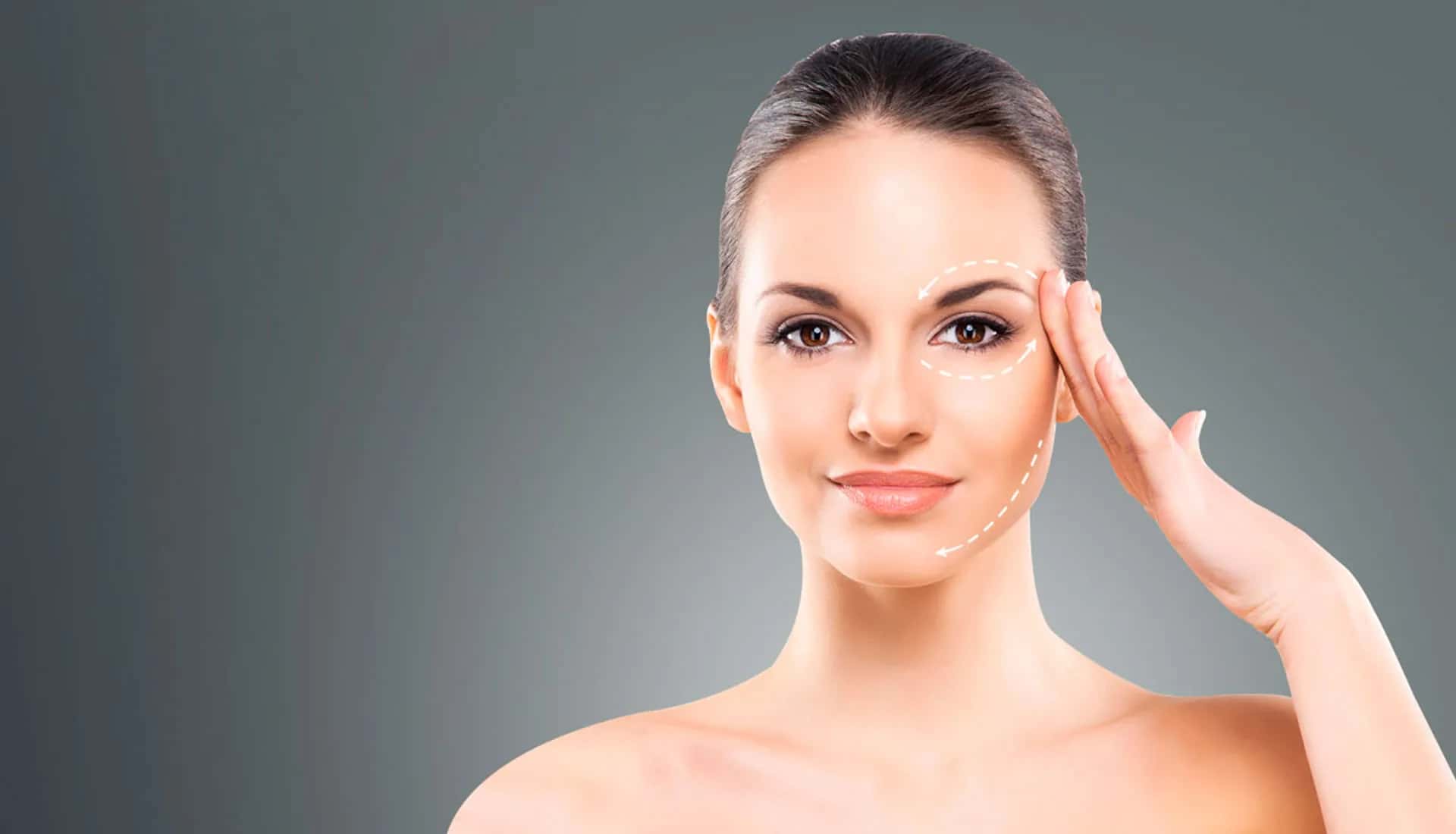
Overfilled faces develop when injectable treatments add more volume than the facial anatomy can accommodate naturally, altering contours, proportions and sometimes facial expression.
Subscribe to the Medifinder newsletter and never miss our latest content.