










No Eggs Retrieved During IVF Despite Follicles: Why?
Follicles can be visible on ultrasound yet yield no eggs at retrieval. Learn how trigger timing, premature ovulation, follicle biology, and technique may explain the result.

- Last updated
- 10 reads
- 6 min read



Having follicles visible on ultrasound but no eggs retrieved during IVF can be a devastating surprise. Follicles are fluid-filled structures that may contain an egg, but an ultrasound image cannot confirm that an egg is present or that it will be released during retrieval. Several biological, hormonal, and technical factors can explain an empty result, and one cycle does not define the future potential of the ovaries.
Why Can No Eggs Be Retrieved Despite Visible Follicles?
The most common explanation is that the follicles did not release their eggs as expected or that the eggs were not recovered from the fluid. A follicle can appear mature on ultrasound while containing an immature egg, a degenerating egg, or no recoverable egg at all.
The outcome may also be linked to trigger timing, medication absorption, ovarian response, or the technical difficulty of aspiration. The reason is investigated by reviewing the entire cycle rather than focusing on the ultrasound count alone.
What Is an Empty Follicle?
An empty follicle is one from which no oocyte is identified in the aspirated fluid. It does not always mean that the follicle truly contained no egg. The egg may remain attached to the follicular wall, may have been released before aspiration, or may be too immature to recognize immediately.
Laboratory staff may examine the fluid more than once, rinse the follicle, and search carefully under the microscope. Sometimes an egg is found later, while in other cases the follicle remains empty.
How Does the Trigger Injection Matter?
The final maturation injection signals the oocyte to complete key steps before retrieval and helps loosen the egg from the follicular wall. If the medication is given at the wrong time, not absorbed properly, or not administered correctly, the follicle may not respond as intended.
Timing is important because retrieval is scheduled within a narrow window after the trigger. A delay, an early procedure, or an incomplete dose can alter the likelihood of recovering mature eggs.
- Exact trigger time.
- Medication type and dose.
- Injection technique and storage.
- Blood hormone response after the trigger.
- Interval between trigger and retrieval.
Could Premature Ovulation Cause an Empty Retrieval?
If ovulation occurs before the procedure, the eggs may leave the follicles and enter the pelvic cavity. Ultrasound may still show fluid-filled structures, but the expected egg is no longer inside when aspiration begins. A premature rise in progesterone or luteinizing hormone can offer a clue, although the event is not always obvious.
Premature ovulation can affect one follicle or many. Symptoms are not reliable enough to confirm it, so hormone monitoring and the retrieval findings are reviewed together.
What Is Empty Follicle Syndrome?
Empty follicle syndrome describes a situation in which no eggs are recovered despite apparently mature follicles. It can be classified as genuine or false. In a false pattern, the cause may involve trigger medication, timing, or technical factors. In a genuine pattern, follicles remain empty even when medication and procedure details appear appropriate.
The term should be used carefully because a single empty retrieval does not automatically prove a recurring syndrome. Repeat cycles may produce eggs, and a small number of follicles can behave differently from a larger cohort.
Can Low Ovarian Reserve Play a Role?
Lower ovarian reserve may reduce the number of follicles and eggs available, but it does not by itself explain why every visible follicle would be empty. Age, follicle quality, and ovarian biology can influence whether a follicle contains a mature oocyte.
A low reserve can also make the result feel more dramatic because each follicle represents a larger share of the expected outcome. The next plan often considers the number of antral follicles, hormone levels, prior response, and egg maturity rather than relying on one retrieval result.
Can Polycystic Ovary Patterns Affect Retrieval?
Ovaries with many small follicles may contain a large number of structures at different stages of development. Some may be too small to yield a mature egg, even when the ovary appears active. A high follicle count therefore does not guarantee a high mature egg count.
Medication dosing and trigger timing are tailored to avoid both inadequate maturation and excessive response. The distribution of follicle sizes matters more than the total count alone.
Could the Follicles Have Been Misidentified?
Ultrasound distinguishes fluid-filled spaces, but not every dark circle is a recruitable follicle containing an egg. Cysts, adjacent follicles, and overlapping structures can affect the count. A follicle may also collapse between the scan and retrieval.
Comparing the baseline scan, monitoring images, hormone results, and operative notes can clarify whether the structures were true mature follicles or a mixture of different findings.
What Technical Factors Can Affect Egg Retrieval?
Egg collection requires the needle to enter the follicle and recover its fluid without damaging surrounding tissue. Position, ovarian mobility, blood vessels, adhesions, and the angle of access can make some follicles difficult to aspirate completely.
Follicular flushing may be considered in selected situations, but it does not guarantee that an egg will be recovered. The laboratory team also checks the dish and tubing carefully because an oocyte can be small and easy to overlook.
What Testing Helps Explain the Result?
A review may include the trigger medication record, hormone levels, ultrasound measurements, timing of aspiration, number of follicles entered, and laboratory notes. The maturity of any recovered eggs is also important because several immature oocytes can point to a different issue than a completely empty retrieval.
- Pre-trigger and post-trigger hormone results.
- Follicle sizes on the final scan.
- Number of follicles aspirated.
- Presence of premature ovulation.
- Egg maturity and laboratory recovery details.
Can a Future IVF Cycle Recover Eggs?
Many people who have one disappointing retrieval later recover eggs in another cycle. Adjustments may involve the trigger plan, medication timing, stimulation protocol, retrieval interval, or the way the follicles are monitored. The aim is to identify a modifiable reason while respecting the biology of the ovaries.
A previous empty result is important information, but it is not a permanent diagnosis. The next cycle is planned with the exact details of the first retrieval in mind.
What Should You Ask After an Empty Retrieval?
- Were all visible follicles entered successfully?
- Was the trigger dose administered and timed correctly?
- Did hormone results suggest premature ovulation?
- Were any follicles flushed or re-aspirated?
- Were immature eggs found in the laboratory?
- What changes could improve the next cycle?
Writing down the answers can make a complex debrief easier to understand. It also helps distinguish a problem with timing from a pattern related to follicle biology.
Frequently Asked Questions About No Eggs Retrieved During IVF
Can follicles be empty even when they look mature?
Yes. Ultrasound shows the fluid-filled follicle, not the egg itself. The egg may be immature, attached to the wall, released early, or not recoverable from the aspirated fluid.
Does one empty retrieval mean I have no eggs left?
No. One cycle cannot establish that every future follicle will be empty. The result must be interpreted with ovarian reserve, hormone response, trigger details, and laboratory findings.
Can changing the trigger improve egg retrieval?
Adjusting the medication, dose, timing, or trigger approach may help when the first cycle suggests an inadequate maturation signal or premature ovulation.
Why were follicles seen but not aspirated?
Some follicles may be difficult to access because of position, mobility, adhesions, or safety concerns. The operative report shows how many were entered and whether any were left untouched.
Is empty follicle syndrome likely to happen again?
Recurrence is possible but not inevitable. A careful review can identify whether the event was related to medication, timing, technique, or a persistent ovarian pattern.
Turning a Difficult Retrieval Into Useful Information
No eggs retrieved during IVF despite visible follicles can result from several overlapping factors. The follicles may have ovulated early, failed to release the eggs, contained immature oocytes, or been difficult to aspirate. Trigger records, hormone results, ultrasound patterns, and laboratory notes help separate these possibilities. A detailed review turns a painful outcome into information that can guide safer and more informed decisions about any future cycle.
- Last updated
- Language
- English
How did you find this article?

A whistling sound after septoplasty can come from swelling, crusting, dryness, or altered airflow. Learn what it may mean and when it needs review.
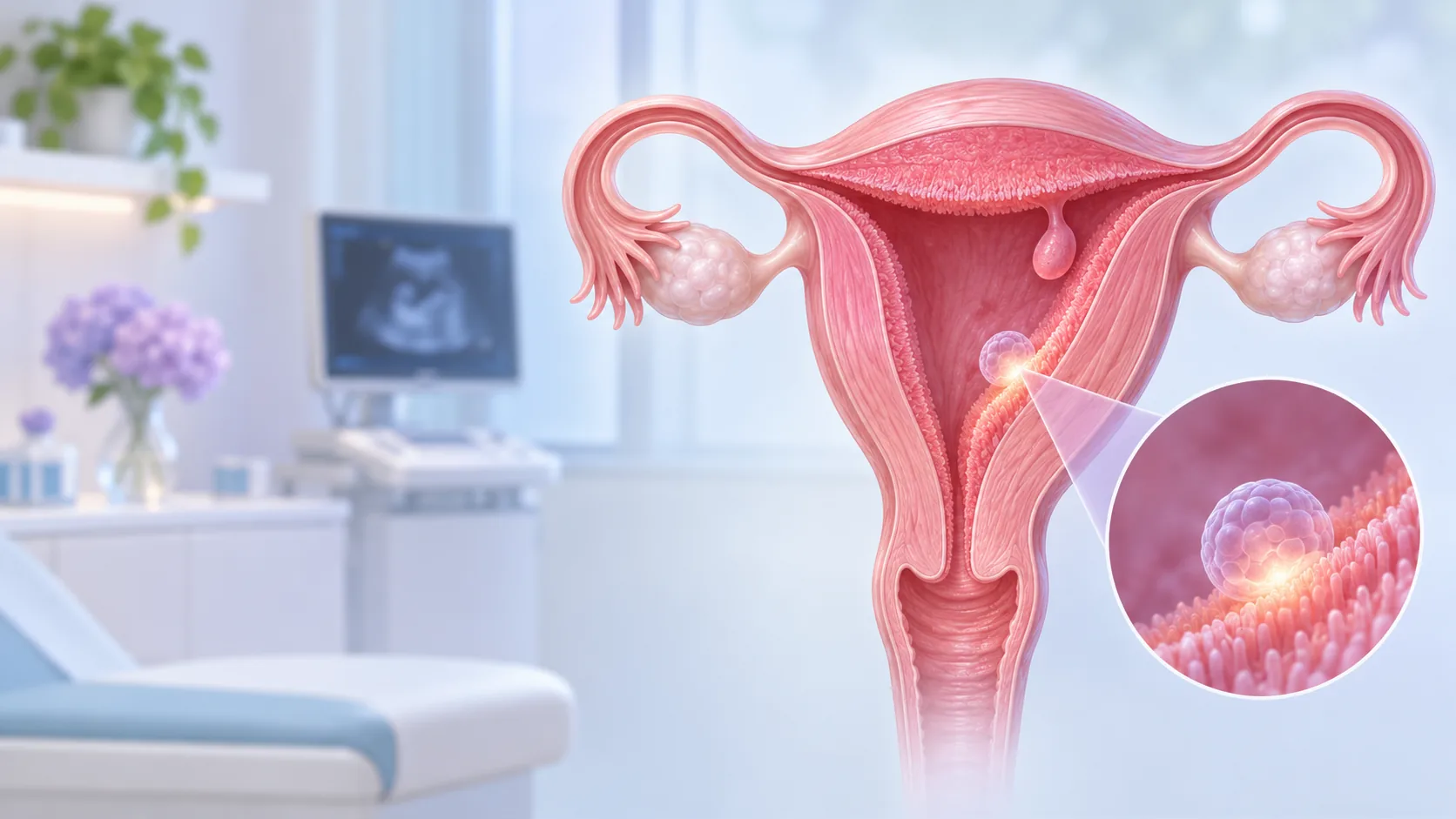
Endometrial polyps may alter the uterine cavity and affect implantation. Learn how location, inflammation, imaging, and removal can shape embryo transfer planning.

A 3BC embryo grade describes blastocyst expansion, inner cell mass, and trophectoderm appearance. Learn what each part means and how to read the result.
Subscribe to the Medifinder newsletter and never miss our latest content.