








Nd:YAG Laser in Turkey
International patients frequently research dermatological laser treatments in Turkey. Nd:YAG technology supports several distinct aesthetic and medical applications. The specific treatment purpose depends on wavelength, pulse duration, and device settings. Suitability, results, recovery, and risks always require indivi

- Last updated
- 75 reads
- 20 min read


What Is an Nd:YAG Laser?
An Nd:YAG laser produces infrared light using a solid-state gain medium. The acronym means neodymium-doped yttrium aluminium garnet. Nd:YAG describes this laser medium rather than one specific treatment. Patients must verify the device platform, wavelength, pulse format, and intended application.
How Does an Nd:YAG Laser Work?
The device delivers concentrated light energy at selected wavelengths into the skin. Targeted chromophores absorb this energy during the procedure. The absorbed energy converts into localized heat or photoacoustic effects. The exact mechanism depends on pulse duration and the specific treatment purpose.
What Is the 1064 nm Nd:YAG Wavelength?
The 1064 nm wavelength is the standard infrared output of an Nd:YAG system. It penetrates tissue more deeply than many shorter laser wavelengths. It also features a lower absorption rate for epidermal melanin. However, this lower melanin absorption does not eliminate burn or pigmentation risks.
What Is the 532 nm Nd:YAG Wavelength?
The 532 nm wavelength is created by frequency doubling standard 1064 nm energy. Providers use it for selected superficial pigments and vascular targets. This shorter wavelength interacts much more strongly with epidermal melanin. Therefore, careful skin-type assessment is crucial before any treatment begins.
What Is the Difference Between Long-Pulsed and Q-Switched Nd:YAG?
Long-pulsed systems create controlled thermal effects over longer pulse durations. Q-switched systems deliver extremely short, high-peak-energy pulses. Their differing applications target hair, vessels, tattoos, or pigmentation. Neither pulse format is universally better across all dermatological treatments.
What Is Long-Pulsed Nd:YAG Laser?
Long-pulsed Nd:YAG is a laser mode delivering energy over milliseconds. It is commonly used for selected hair-removal and vascular treatments. Pulse duration and active skin cooling help manage heat delivery safely. Treatment parameters vary significantly by specific target and skin type.
What Is Q-Switched Nd:YAG Laser?
Q-switched Nd:YAG systems deliver rapid pulses in the nanosecond range. These short pulses produce both photoacoustic and photothermal tissue effects. Providers use them for selected tattoos and certain pigmentation concerns. Tattoo colours and pigment types respond differently to this energy.
What Is Picosecond Nd:YAG Laser?
Picosecond systems deliver extremely fast pulses measured in trillionths of a second. These much shorter pulses may create stronger photoacoustic fragmentation. This fragmentation helps break down targeted ink or pigment particles. However, picosecond treatment never guarantees faster or complete clearance.
Why Do Patients Consider Nd:YAG Laser in Turkey?
International patients travel for the broad availability of dermatology and aesthetic clinics. Medical tourists can access many different Nd:YAG platforms. Turkey offers excellent international flight connections and multilingual patient services. The medical tourism infrastructure sometimes provides possible price differences. Visitors frequently arrange combined consultation and treatment planning. However, devices, practitioner qualifications, and clinic standards vary greatly.
What Can Nd:YAG Laser Treat?
Treatment applications depend entirely on the selected laser mode and wavelength. Providers may target unwanted hair or selected vascular lesions. This includes facial veins, leg veins, and small spider veins. Rosacea-related redness, tattoo pigment, and benign pigmentation are also common targets. Some clinics offer skin-toning protocols or treat mild texture concerns. Certain nail or medical applications are available when clinically appropriate. One Nd:YAG protocol cannot treat every listed concern. Not all devices are legally authorized for all applications.
Can Nd:YAG Laser Remove Hair?
Long-pulsed 1064 nm systems can effectively reduce unwanted body hair. Melanin within the hair structure absorbs the emitted laser energy. This treatment aims for long-term hair reduction rather than guaranteed permanent removal. Hair colour, thickness, growth cycle, skin tone, and hormones affect outcomes.
Is Nd:YAG Hair Removal Suitable for Darker Skin?
Providers often consider 1064 nm systems for darker skin types. This is because epidermal melanin absorption is comparatively lower. However, severe burns and pigment changes can still occur. Proper skin cooling, conservative settings, test spots, and practitioner experience remain essential.
Does Nd:YAG Laser Work on Light or Grey Hair?
Low-pigment hair usually responds very poorly to laser treatment. Laser hair removal depends heavily on sufficient melanin within the hair follicle. White, grey, and very light blonde hair may show limited response. Alternative methods are often necessary for these hair colours.
Can Nd:YAG Laser Treat Facial Veins?
Long-pulsed Nd:YAG may successfully treat selected deeper or larger facial vessels. The practitioner evaluates vessel size, depth, colour, location, and blood flow. Vascular lesions absolutely require accurate medical identification before treatment begins. Incorrectly treating suspicious lesions can delay necessary medical care.
Can Nd:YAG Laser Treat Spider Veins?
Selected spider veins may respond well to suitable long-pulsed laser treatment. Facial vessels and leg vessels have different biological characteristics. Some leg veins may require separate vascular assessment or alternative treatment methods. Not every spider vein disappears completely after laser exposure.
Can Nd:YAG Laser Treat Rosacea?
Nd:YAG lasers may address selected visible vessels associated with rosacea. Rosacea is a chronic inflammatory skin condition with several distinct features. Laser treatment does not cure every rosacea symptom completely. It also cannot prevent the future recurrence of facial redness.
Can Nd:YAG Laser Remove Tattoos?
Q-switched or picosecond Nd:YAG systems can fragment selected tattoo pigments. The 1064 nm wavelength commonly targets darker black or blue inks. The frequency-doubled 532 nm wavelength may target selected red or orange pigments. Green, blue, yellow, white, and cosmetic pigments may respond quite differently.
Can Nd:YAG Laser Remove a Tattoo Completely?
No, complete and flawless tattoo clearance cannot be guaranteed. Results depend on ink colour, depth, density, layering, and tattoo age. The anatomical location and your personal immune response also matter. Some cosmetic pigments may actually darken or change colour after laser exposure.
Can Nd:YAG Laser Treat Pigmentation?
Q-switched Nd:YAG may treat selected benign pigment concerns after medical diagnosis. Providers treat freckles, sun-related spots, and dermal pigmentation cautiously. Post-inflammatory pigmentation also requires careful assessment before any laser application. Pigment type and tissue depth determine ultimate treatment suitability.
Can Nd:YAG Laser Treat Melasma?
Low-fluence laser-toning protocols may be used for selected melasma patients. Melasma is chronic, recurrent, and easily worsened by unwanted tissue inflammation. Sunlight, heat, hormonal fluctuations, and excessive treatment can trigger flares. Repeated or aggressive treatment carries a risk of mottled hypopigmentation.
What Is Nd:YAG Laser Toning?
Laser toning usually uses repeated low-fluence Q-switched 1064 nm treatments. It is proposed for selected pigmentation and overall skin tone concerns. The gentle energy gradually breaks down superficial pigment over time. However, repeated sessions can sometimes cause pigment loss or uneven colour.
What Is Laser Genesis?
Laser Genesis is a branded or protocol-specific Nd:YAG treatment approach. It involves controlled heating within the superficial dermal tissues. Providers use it for redness, mild texture issues, and fine-line concerns. Not every Nd:YAG device provides this exact identical protocol.
Can Nd:YAG Laser Improve Acne Scars?
Selected non-ablative Nd:YAG protocols may modestly improve redness or surface texture. Deep rolling, boxcar, and ice-pick scars often require entirely different approaches. Nd:YAG treatment cannot guarantee complete acne scar removal. Consult a dermatologist for comprehensive scar revision planning.
Is Nd:YAG Laser Suitable for Every Skin Type?
Suitability depends entirely on the treatment purpose, wavelength, and skin assessment. The 1064 nm wavelength often interacts less with epidermal melanin than shorter wavelengths. However, dark or recently tanned skin still requires extreme caution. No laser offers universal safety for every Fitzpatrick skin type.
Who May Be Suitable for Nd:YAG Treatment?
Suitable candidates are adults with a properly identified treatment concern. They must hold realistic expectations and maintain stable general health. Patients must have no active infections and appropriate skin characteristics. Willingness to follow strict sun-protection guidance is absolutely mandatory. The ability to complete multiple sessions and access follow-up care is required. Photographs alone cannot confirm an individual's complete medical suitability.
Who Should Avoid or Postpone Nd:YAG Laser?
Certain medical conditions require immediate postponement or further medical assessment. Patients with active skin infections, open wounds, or active herpes outbreaks must wait. Recent tanning, sunburn, and photosensitizing medicines contraindicate immediate laser treatment. Active inflammatory skin disease and suspicious lesions require medical evaluation first. Poor wound healing, keloid tendency, pregnancy, and breastfeeding are major considerations. Recent laser or chemical treatments also warrant careful treatment delays. Unrealistic expectations should prevent any elective aesthetic procedure. Do not stop prescribed medication without consulting your prescribing clinician. Contraindications vary slightly by specific device and treatment purpose.
Is a Test Spot Needed?
A preliminary test spot may be appropriate for selected patients. It helps evaluate darker skin tones, uncertain pigment, and cosmetic tattoos. Patients with previous adverse reactions or sensitive areas benefit greatly. However, a successful test spot cannot eliminate every future complication risk.
What Happens During an Nd:YAG Consultation?
A responsible consultation involves reviewing your specific cosmetic or medical treatment goals. The practitioner identifies the target condition and assesses your skin type. They review specific hair, vessel, pigment, or tattoo characteristics. You will discuss your medical history, current medicines, and any allergies. The clinician reviews previous procedures and selects the appropriate laser mode. They consider performing a test spot and explain realistic outcomes. The consultation covers risks, recovery, planned aftercare, and informed consent. It should never focus solely on discount price or session quantity.
How Is Nd:YAG Laser Treatment Performed?
The procedure begins with a detailed medical and skin assessment. The practitioner takes clinical photography and cleanses the designated treatment area. They remove relevant cosmetics or surface products completely. The patient receives wavelength-specific eye protection before treatment starts. The provider applies active cooling or gel when required by the protocol. They select device settings and deliver the specific laser pulses. The practitioner monitors the treatment endpoint carefully throughout the session. Finally, they soothe the area, provide aftercare instructions, and plan follow-up. Protocols vary significantly between hair, vessel, tattoo, and pigmentation treatments.
Is Nd:YAG Laser Painful?
Patients frequently feel heat, snapping, stinging, or brief pinprick sensations. Discomfort varies heavily by laser mode, target depth, area, and energy level. Skin cooling techniques and individual pain sensitivity also affect the experience. You should not expect every Nd:YAG treatment to be completely painless.
How Long Does a Session Take?
Session length depends entirely on the treatment purpose and targeted area. The appointment includes consultation, skin preparation, test spots, and skin cooling. Laser application time varies from minutes to over an hour. A post-treatment review completes the scheduled clinical visit. Practitioners do not promise one fixed duration for all appointments.
How Many Sessions Are Needed?
Session requirements vary considerably depending on the specific patient. Relevant factors include treatment purpose, target colour, and target tissue depth. Hair growth cycles, vessel characteristics, tattoo ink, and pigment type matter. Your skin tone, the specific device, and your individual biological response influence scheduling. The practitioner adjusts the plan based on their ongoing clinical assessment. More laser sessions do not guarantee complete target clearance.
How Often Can Treatment Be Repeated?
Session spacing depends strictly on the target and your healing response. Hair, vascular, tattoo, and pigmentation treatments require vastly different schedules. Providers do not offer one universal treatment interval for everyone. The treated area must recover completely before any retreatment occurs.
When Are Results Visible?
The timing of visible changes depends entirely on the treatment purpose. Patients may notice gradual hair shedding, vessel darkening, or slow tattoo fading. Pigment changes develop over several weeks as the body clears fragmented particles. Early inflammatory reactions do not always represent final cosmetic results. Some specific concerns may respond minimally despite appropriate treatment.
How Long Do Results Last?
Durability varies greatly by the treated condition and specific treatment type. Hormonal hair growth, new vascular lesions, and sun exposure affect longevity. Pigment recurrence and residual tattoo ink can also become visible later. Nd:YAG treatment does not prevent new biological skin changes from occurring.
Are Nd:YAG Results Permanent?
No, permanent outcomes cannot be guaranteed across all medical or aesthetic applications. Hair reduction, vascular improvement, and pigment clearance may change over time. Natural ageing and environmental factors continue to affect your skin. Maintenance or further treatment may eventually require professional reassessment.
What Is Recovery Like After Nd:YAG Laser?
Recovery varies widely depending on the chosen treatment mode and applied intensity. Possible temporary reactions include redness, swelling, warmth, tenderness, and mild itching. Temporary darkening, mild bruising, and surface crusting can also occur. Patients may notice hair-follicle swelling, vessel darkening, or temporary tattoo frosting. These visible reactions differ drastically between hair, vascular, tattoo, and pigment treatments.
What Should Patients Avoid After Treatment?
Strict aftercare protects the treated skin and reduces severe complication risks. Patients must avoid direct sunlight, tanning, scrubbing, and picking at crusts. Harsh exfoliants, retinoids, and fragranced cosmetic products must be temporarily stopped. Hot showers, saunas, steam rooms, swimming, and intense exercise are not recommended. Other energy-based procedures must be avoided during the healing phase. Your treating provider-specific instructions always take absolute priority over general advice.
When Can Makeup Be Applied?
Safe makeup timing depends entirely on skin integrity and treatment intensity. Applying makeup over broken or irritated skin may significantly increase complications. Patients must maintain excellent hygiene involving clean brushes, sponges, and cosmetic products. Practitioners do not provide one universal waiting period for resuming cosmetic routines.
Why Is Sun Protection Important?
Ultraviolet exposure can severely worsen tissue inflammation and trigger pigmentation changes. Proper protection involves using broad-spectrum sunscreen, seeking shade, and wearing hats. Patients must actively reduce direct sun exposure during the healing phase. Sunscreen cannot eliminate every single complication risk entirely. Tanning before treatment can also severely compromise your safety.
What Are the Side Effects of Nd:YAG Laser?
Patients must distinguish expected temporary healing reactions from more serious medical complications. Common temporary effects include redness, swelling, warmth, tenderness, and mild bruising. Temporary darkening, surface crusting, and localized itching are also common. Less common or serious risks involve severe burns, blisters, deep infection, and scarring. Hyperpigmentation, hypopigmentation, persistent redness, and unwanted texture changes can occur. Paradoxical hair growth, tattoo pigment darkening, purpura, and eye injury are serious risks. Overall risks depend on wavelength, pulse format, settings, skin type, cooling, and practitioner technique.
Can Nd:YAG Laser Cause Burns?
Yes, severe thermal injury can occur during laser treatment. Excessive energy, inadequate cooling, overlapping pulses, and poor skin contact cause burns. Unsuitable clinical settings can also severely damage the skin surface. Proper practitioner training and regular device maintenance matter immensely for patient safety.
Can Nd:YAG Laser Cause Pigment Changes?
Yes, hyperpigmentation and hypopigmentation are possible complications of laser treatment. Tissue inflammation, darker skin types, recent tanning, and high treatment intensity increase risks. Repeated laser toning can also disrupt natural pigment production. Some pigment loss may become prolonged or entirely permanent.
Can Nd:YAG Laser Cause Paradoxical Hair Growth?
Increased hair growth can occasionally occur near the treated anatomical areas. Low energy, fine hair, hormonal factors, and anatomical location contribute cautiously to this risk. It is a rare but documented side effect of laser hair removal. This specific complication requires professional reassessment and adjusted treatment planning.
Can Nd:YAG Laser Damage the Eyes?
Yes, accidental laser exposure can cause severe and permanent eye injury. Suitable protective eyewear is absolutely essential for both patients and clinical staff. Ordinary glasses or simply closing your eyelids are not adequate protection. The eyewear must match the specific laser wavelength being used.
When Should Patients Contact Their Clinic?
Certain severe or unexpected physical symptoms require prompt professional medical assessment. Contact the clinic for increasing pain, large blisters, or severe swelling. Spreading redness, foul discharge, fever, or delayed healing require clinical evaluation. Significant colour changes, persistent crusting, new scars, or signs of infection need attention. Unexpected visual symptoms, severe burns, or rapidly worsening reactions require urgent medical care.
How Much Does Nd:YAG Laser Cost in Turkey?
Prices vary based on treatment purpose, chosen device, treated area, and session plan. Cost factors include whether long-pulsed, Q-switched, or picosecond technology is used. The specific device brand, treatment area, and tattoo size also influence pricing. Hair-removal area, vessel number, depth, and total number of sessions change the cost. Practitioner qualifications, clinic location, cooling methods, and test spots affect the total. Currency fluctuations and travel package inclusions also impact overall pricing. Advertised starting prices may not represent the complete required treatment course. Avoid selecting a clinic solely because it offers the lowest price.
What Is Included in the Treatment Price?
Specific package inclusions vary significantly between different aesthetic clinics. Possible inclusions involve the consultation, skin or lesion assessment, and clinical photography. Packages may include the test spot, laser treatment, cooling, and topical anaesthetic. Aftercare products and a follow-up appointment are sometimes bundled. International packages may include translation support, local transfers, and hotel accommodation. Patients must explicitly request a fully itemized quotation before proceeding. Travel services do not indicate superior clinical quality or safety.
How Should Patients Choose an Nd:YAG Clinic in Turkey?
Choosing a clinic requires evaluating practitioner qualifications, device transparency, accurate diagnosis, and complication management. Check the practitioner’s exact professional title and legal authority to perform laser treatment. Assess their dermatology or laser experience and verify the official clinic licensing. Confirm the exact device manufacturer, model, wavelength, and specific pulse format. Review device maintenance, calibration records, skin-type assessment protocols, and test-spot policy. Verify the cooling system, eye-protection procedures, infection-control standards, and informed consent process. Ensure they provide written aftercare, transparent pricing, and clear follow-up availability. Assess their complication management protocols and the available communication language. Social media popularity absolutely does not prove any actual clinical competence. Before-and-after photographs cannot guarantee identical or successful individual outcomes.
How Can Patients Verify the Nd:YAG Device?
Patients should explicitly request exact device and technical information before treatment. Check the device manufacturer, device model, and all available laser wavelengths. Confirm whether the machine offers long-pulsed, Q-switched, or picosecond operational modes. Request information regarding the cooling system, routine device maintenance, and practitioner training. Verify the regulatory or legal status and the approved treatment purposes. Check the recent calibration and overall service history of the machine. Device branding alone does not guarantee a safe or appropriate treatment.
What Questions Should Patients Ask Before Booking?
Patients should confidently confirm the laser mode, medical qualifications, potential risks, and follow-up care.
- Who will perform the treatment?
- What is the practitioner’s qualification?
- Which Nd:YAG device will be used?
- Which wavelength will be used?
- Is the device long-pulsed, Q-switched, or picosecond?
- Why is this protocol suitable?
- Is a medical diagnosis needed first?
- Is a test spot recommended?
- What results are realistic?
- What are the risks for this skin type?
- Which eye protection will be used?
- How will complications be managed?
- Is follow-up included?
- Who can be contacted after returning home?
- What does the quotation include?
How Should International Patients Plan Treatment in Turkey?
International planning requires focusing on consultation quality, recovery flexibility, and reliable follow-up access. Allocate adequate time for the initial consultation and necessary test-spot timing. Ensure sufficient recovery days and commit to strict sun avoidance during your trip. Anticipate visible redness or skin crusting during your scheduled travel days. Arrange suitable accommodation, local transport, and professional translation support for clinical appointments. Secure acceptable payment methods and obtain complete device documentation before leaving. Ensure you possess complete medical records and establish clear follow-up communication channels. Note any travel insurance limitations regarding elective cosmetic procedures performed abroad. Establish clear contact arrangements for when you return to your home country. Avoid scheduling intensive laser treatment immediately before important social events. Laser treatment should never be portrayed as a casual tourism activity.
Can Patients Fly After Nd:YAG Laser?
Safe travel timing depends heavily on the treatment purpose and your immediate skin reaction. Severe swelling, localized tenderness, and dry cabin air can make flights highly uncomfortable. Unavoidable sun exposure during travel and limited follow-up access pose additional challenges. Individualized travel advice should always come directly from the treating medical practitioner.
Can Nd:YAG Laser Be Combined With Other Treatments?
Combining treatments requires highly individualized timing and a thorough clinical risk assessment. Possible combinations may involve chemical peels, microneedling, RF microneedling, or IPL. Some plans include alexandrite laser, diode laser, fractional laser, or hyaluronic skin boosters. Botulinum toxin and dermal fillers may also be considered in broader treatment plans. Closely timed procedures may significantly increase severe irritation, burns, infection, and pigmentation risks. Practitioners should never suggest combined treatments solely to increase the total package value.
Nd:YAG Versus Alexandrite Laser
Nd:YAG commonly uses the 1064 nm wavelength, while alexandrite commonly uses 755 nm. The 1064 nm wavelength penetrates deeper and features lower epidermal melanin absorption. This makes Nd:YAG safer for darker skin types during hair-removal applications. Neither laser is universally superior for every single patient or skin concern.
Nd:YAG Versus Diode Laser
Diode systems use semiconductor-generated wavelengths, while Nd:YAG commonly uses a 1064 nm solid-state medium. The technologies differ in tissue depth, melanin interaction, active cooling, and device design. Proper patient selection determines which system will provide the most effective treatment.
Nd:YAG Versus IPL
Nd:YAG produces a highly defined laser wavelength, while IPL uses broad-spectrum light energy. Intense pulsed light is not technically classified as a true laser. The systems differ significantly in target selection, vascular treatment depth, and pigmentation capabilities. Careful skin-type considerations are necessary for both light-based aesthetic treatments.
Nd:YAG Versus Q-Switch Laser
Q-switch describes a specific short pulse format, while Nd:YAG describes the laser medium. A laser can therefore be both Q-switched and Nd:YAG simultaneously. These terms describe different aspects of the technology and should not be treated as competing.
Nd:YAG Versus Picosecond Laser
Picosecond describes a much shorter pulse duration than traditional Q-switched nanosecond systems. Some advanced picosecond devices actually use Nd:YAG wavelengths for their energy delivery. These devices differ mainly in pulse duration, pigment fragmentation efficiency, recovery, and overall cost.
How Can MediFinder Support Clinic Research?
MediFinder can effectively support your detailed research into international doctors and specialized aesthetic clinics. Users may compare available doctors, board-certified dermatologists, specific clinics, and varied treatment categories. The platform allows you to review verified profile information, listed medical services, and contact options. Patients must still independently verify all clinical qualifications, facility licensing, devices, and total prices. MediFinder does not diagnose skin conditions, select one specific provider, or guarantee final medical outcomes.
Nd:YAG Laser in Turkey Cost 2026
Nd:YAG laser in Turkey typically costs €100 to €350 per session in 2026, depending on the treatment area and purpose.
Prices vary for hair removal, vascular lesions, pigmentation, acne scars, and skin rejuvenation. Small areas usually cost less, while larger or complex treatments require higher fees. Device quality, clinic location, specialist experience, and session numbers also influence the final price. Many patients need several sessions, making package offers more economical.
Frequently Asked Questions
What is an Nd:YAG laser?
An Nd:YAG laser is a device that produces concentrated infrared light energy. It utilizes a solid-state gain medium to generate the laser beam. Providers use it for various dermatological and aesthetic skin treatments.
What does Nd:YAG stand for?
The acronym stands for neodymium-doped yttrium aluminium garnet. This specific crystal acts as the gain medium inside the laser device. It determines the specific wavelengths of light the machine can produce.
What is the difference between 1064 nm and 532 nm?
The 1064 nm wavelength penetrates deeply and interacts less with epidermal melanin. The 532 nm wavelength is created by frequency doubling the standard energy. The shorter 532 nm wavelength targets superficial pigments but carries higher risks for darker skin.
Is Nd:YAG laser suitable for darker skin?
The 1064 nm wavelength is often considered safer for darker skin types. Its lower melanin absorption reduces, but does not eliminate, the risk of surface burns. Careful settings, skin cooling, and test spots remain absolutely essential.
Can Nd:YAG laser remove hair permanently?
Long-pulsed Nd:YAG systems can provide highly effective, long-term hair reduction. However, guaranteed permanent removal of every single hair is not scientifically possible. Hormonal changes can trigger new hair growth later in life.
Can Nd:YAG laser treat facial veins?
Yes, long-pulsed systems can successfully treat selected deeper or larger facial vessels. Accurate medical identification of the vascular lesion is mandatory before treatment. Not all facial redness responds to this specific laser approach.
Can Nd:YAG laser treat rosacea?
Nd:YAG may address selected visible vessels associated with the rosacea condition. However, it does not cure the underlying chronic inflammatory disease completely. Future flares and new redness will likely still occur over time.
Can Nd:YAG laser remove tattoos completely?
No, complete and flawless tattoo clearance can never be fully guaranteed. Results depend heavily on ink colour, depth, tattoo age, and your immune response. Some cosmetic pigments may even darken unexpectedly after laser exposure.
Can Nd:YAG laser treat melasma?
Low-fluence laser-toning protocols are sometimes cautiously used for selected melasma patients. However, melasma is highly sensitive to the heat and tissue inflammation generated. Aggressive or repeated treatment can easily worsen the condition or cause hypopigmentation.
Is Nd:YAG laser painful?
Patients typically feel heat, snapping, stinging, or brief pinprick sensations during treatment. The discomfort level varies by laser mode, target depth, and individual pain sensitivity. Most clinical sessions are rarely described as completely painless.
How many sessions are needed?
Session requirements vary considerably depending on the specific patient and treatment purpose. Hair removal, tattoo fading, and vascular treatments all follow entirely different schedules. Your practitioner will determine the most appropriate individual treatment plan.
When are results visible?
The timing of visible changes depends entirely on the specific treatment purpose. Patients may notice gradual hair shedding, vessel darkening, or slow tattoo fading. Some pigment changes take several weeks to become fully apparent.
Are Nd:YAG laser results permanent?
Permanent outcomes cannot be guaranteed across all medical or aesthetic laser applications. Hair reduction, vascular improvement, and pigment clearance may change over time. Ongoing natural ageing and environmental factors continue to affect your skin.
Can Nd:YAG laser cause burns?
Yes, severe thermal injury can occur during any medical laser treatment. Excessive energy, inadequate cooling, and poor skin contact cause significant burns. Proper practitioner training and regular device maintenance matter immensely for patient safety.
Can Nd:YAG laser cause pigmentation changes?
Yes, hyperpigmentation and hypopigmentation are known possible complications of laser treatment. Tissue inflammation, darker skin types, recent tanning, and high treatment intensity increase risks. Some pigment loss may become prolonged or entirely permanent.
When can makeup be applied?
Safe makeup timing depends entirely on skin integrity and applied treatment intensity. Applying makeup over broken or irritated skin may significantly increase infection complications. Always follow the specific timeline provided by your treating clinical practitioner.
Can patients fly after treatment?
Safe travel timing depends heavily on the treatment purpose and your immediate skin reaction. Severe swelling and dry cabin air can make flights highly uncomfortable. Personalized travel advice should always come directly from the treating medical practitioner.
How can patients verify the laser device?
Patients should request the exact device manufacturer and model name before the procedure. Confirm the specific laser wavelength, pulse format, and routine device maintenance logs. Branding alone does not guarantee a safe or appropriate cosmetic treatment.
- Last updated
- Language
- English
How did you find this article?
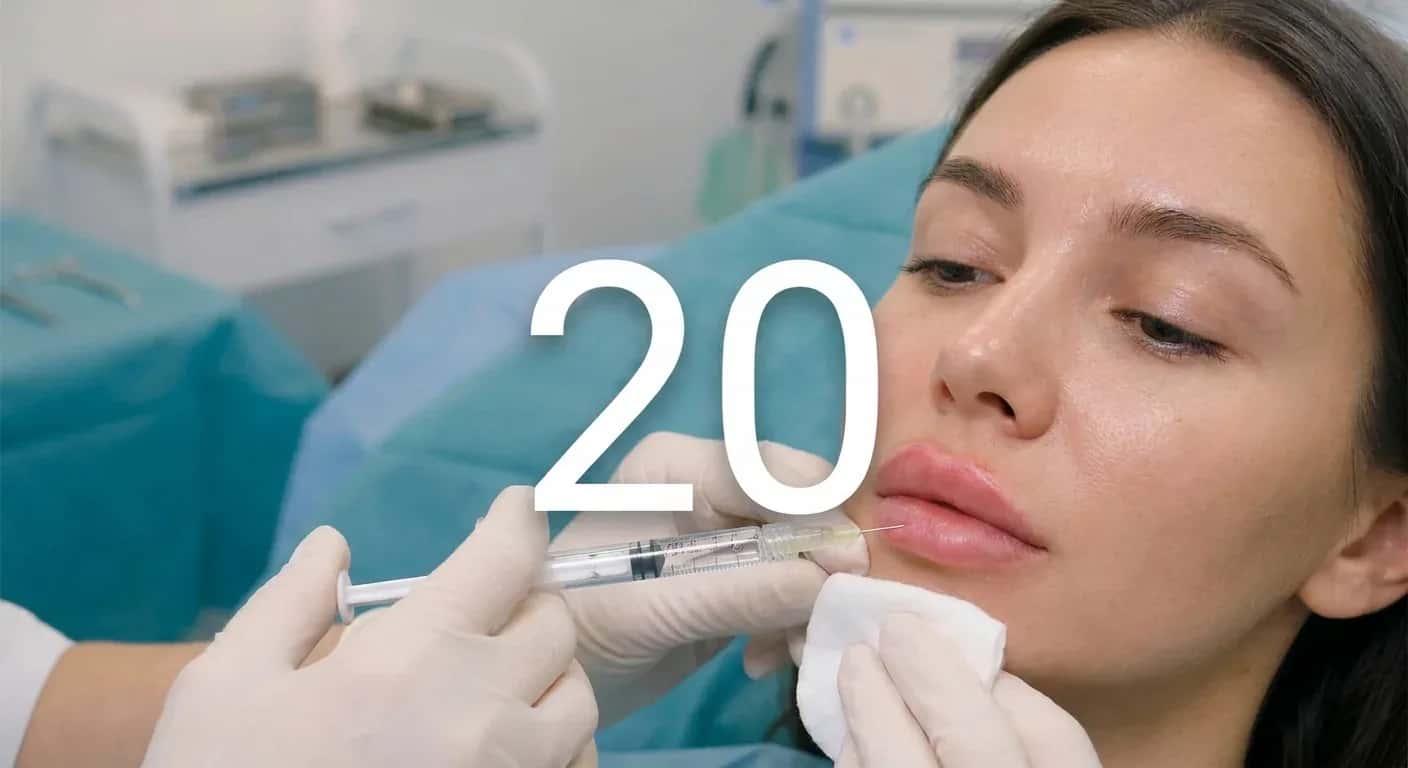
Many singers, actors, reality stars and influencers have talked openly about getting lip filler, and a growing number have also shared why they later had it dissolved. This guide looks at what 20 of these public figures said about their own lip treatments and what their experiences can teach anyone considering filler.

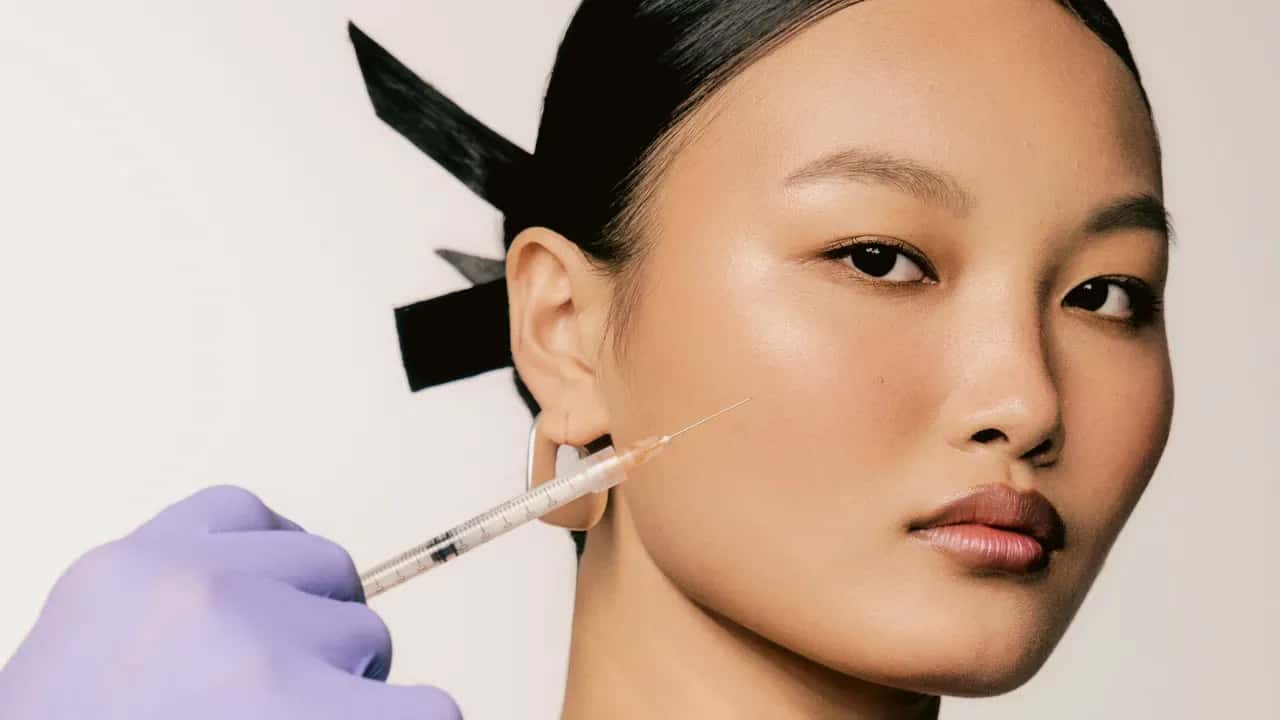
Filler fatigue describes the point where repeated dermal filler treatments leave a face looking heavier, puffier or less like itself, and it is pushing many people to rethink how they approach injectables. This guide explains what causes it, how to recognize an overfilled face.
Overfilled faces develop when injectable treatments add more volume than the facial anatomy can accommodate naturally, altering contours, proportions and sometimes facial expression.
Subscribe to the Medifinder newsletter and never miss our latest content.