










Nasolabial Fold Filler for Smile Lines
Nasolabial fold filler is a nonsurgical facial rejuvenation treatment used to soften the lines that run from the sides of the nose toward the corners of the mouth. This guide walks you through how to prepare, choose the right provider, understand the treatment process, care for your results.

- Last updated
- 63 reads
- 13 min read


Is nasolabial fold filler right for smile lines?
Nasolabial fold filler may be right for adults who want to soften moderate smile lines without surgery, especially when the folds appear deeper because of natural volume changes, skin laxity, facial movement, or anatomy. It is not meant to erase every crease or stop normal expression; the goal is usually a refreshed, balanced look that still moves naturally. Because filler injection is a medical procedure, the safest first step is a consultation with a qualified, licensed medical provider who can assess your facial structure, health history, and expectations.
The best candidates are typically looking for improvement rather than perfection. If your folds are caused mainly by midface volume loss, your provider may discuss supporting nearby areas as well as treating the fold itself. If your concern is mostly skin texture, discoloration, or very fine surface lines, other treatments may be recommended instead of, or alongside, nasolabial fold filler.
A thoughtful consultation also helps identify reasons to delay or avoid treatment. Tell your provider if you are pregnant or breastfeeding, prone to significant scarring, have active skin infection near the treatment area, have severe allergies, take blood-thinning medications or supplements, or have had previous filler. These details do not always rule out treatment, but they can change the plan, timing, product choice, or aftercare.

Understand what nasolabial folds are
Nasolabial folds are the creases that extend from each side of the nose down toward the mouth. They often become more noticeable with age because facial fat pads shift, collagen support changes, and repeated expression gradually marks the skin. They can also be visible in younger faces due to genetics, cheek fullness, facial shape, or the way the mouth and cheeks move when smiling.
Understanding the cause matters because filler is not simply about “filling a line.” In many faces, the fold is the visible edge of deeper structural changes higher in the cheek. If filler is placed only into the crease when the surrounding support is the real issue, the result can look heavy or puffy. A skilled provider evaluates the whole midface, lower face, and smile pattern before deciding where and how much product to use.
Dermal filler works by adding soft volume under the skin or within deeper tissue planes, depending on the product and technique. Hyaluronic acid fillers are commonly used in facial aesthetics because hyaluronic acid is naturally found in the body and helps skin hold moisture, volume, and elasticity; product choice should still be individualized by a medical professional.

1. Define the result you actually want
Start by describing the change you want in plain language. Do you want the fold to look softer at rest, the lower face to look less tired, or the transition from cheek to mouth to appear smoother? This helps your provider plan for balance instead of chasing one line in isolation.
Bring a few clear photos of yourself from recent years if they represent a look you liked. Avoid using heavily edited photos or celebrity references as the main goal, because their lighting, anatomy, and treatments may be very different from yours. Your own photos are more useful for facial rejuvenation planning because they show how your natural volume and expressions have changed.
Use this quick goal-setting checklist before your consultation:
- Identify whether the folds bother you most when your face is relaxed, smiling, or in photos.
- Note whether one side appears deeper than the other.
- Decide if you prefer a subtle change or a more visible correction.
- Write down any previous cosmetic treatments, including product names if known.
- List medications, allergies, recent dental work, and any history of cold sores or skin infections.
This step keeps the conversation practical. Instead of asking for “more filler,” you and your provider can discuss what level of correction is realistic, what tradeoffs exist, and how to avoid an overfilled look.
2. Choose a qualified medical provider
Choose the injector before choosing the product. The FDA advises patients to work with a licensed health care provider and to request patient labeling for FDA-approved injectable dermal fillers before treatment. Product quality matters, but anatomy knowledge, injection technique, sterile practice, and emergency readiness matter just as much.
Look for a setting that feels medical, not casual. The treatment should take place in a clean clinical environment, with proper consent forms, a health-history review, clear discussion of risks, and access to appropriate supplies if a complication occurs. The American Academy of Dermatology warns that serious filler side effects are more likely when the injector lacks adequate medical training and experience, and it advises against getting fillers in non-medical settings such as salons, homes, or non-medical spas.
Ask direct questions during your search:
- What licenses, training, and experience do you have with nasolabial fold filler?
- Which filler products do you use for this area, and why?
- How do you evaluate whether the cheeks or surrounding areas also need support?
- What side effects are common, and what complications require urgent attention?
- Do you keep hyaluronidase available when using hyaluronic acid filler?
- What follow-up process do you recommend?
A good provider should welcome these questions. If you feel rushed, pressured, or discouraged from asking about safety, consider that a warning sign.
3. Prepare for the consultation
Your consultation is where the treatment plan should become specific to you. Expect your provider to examine your face at rest and in motion, review your health history, ask about previous injectable treatments, and explain what filler can and cannot do. They may also discuss whether your smile lines are best treated directly, indirectly through cheek support, or with a combination approach.
Be honest about timing. If you have an important event soon, tell your provider so they can explain the possibility of bruising, swelling, or needing a follow-up. Even when treatment is straightforward, the skin and soft tissue need time to settle.
Bring these items or details:
- A list of medications and supplements.
- Any known allergies, especially to lidocaine, antiseptics, or prior injectable products.
- Dates and product names for previous fillers if you have them.
- Recent dental procedures or planned dental work.
- Photos that show your preferred natural appearance.
- A list of questions you want answered before consenting.
The consultation should end with a clear plan or a clear reason to wait. Either outcome is useful. Sometimes the best decision is to treat conservatively, stage treatment over time, or choose a different approach entirely.
What happens during the filler appointment?
During a nasolabial fold filler appointment, your provider cleanses the skin, may mark key facial landmarks, and injects small amounts of dermal filler with a needle or cannula according to the treatment plan. You may feel pressure, pinching, or brief tenderness, and some products contain lidocaine to reduce discomfort. The appointment should also include a final review of aftercare instructions and symptoms that need prompt medical attention.
Here is the usual flow:
- Review the plan again. Your provider confirms the treatment area, product, expected result, and consent. This is the time to mention any new illness, skin irritation, medication change, or recent procedure.
- Clean and prepare the skin. Makeup, oil, and surface debris are removed to reduce contamination risk. Some offices may apply a topical numbing product or use ice for comfort.
- Mark and assess facial movement. The provider may ask you to smile, relax, or turn your head. These movements help guide placement and avoid treating the fold as a flat line.
- Inject conservatively. Small amounts are placed gradually. Conservative correction is often safer and more natural than trying to fully eliminate the crease in one session.
- Check symmetry and tissue response. Your provider may pause to assess both sides. Mild asymmetry can be normal because natural faces are not perfectly identical.
- Review aftercare. You should leave knowing what is normal, what is not normal, and how to contact the office if concerns arise.
Do not use needle-free filler devices or at-home injection kits. The FDA has not approved needle-free devices for injecting dermal fillers and warns against using them for hyaluronic acid or other lip and facial fillers. Filler should never be treated like a casual beauty product; it belongs in trained medical hands.
4. Plan for a conservative first treatment
A conservative first session gives your provider room to build gradually. Nasolabial folds sit in a highly expressive area, so too much product can make the mouth area look stiff, bulky, or unnatural. Starting with less also helps you evaluate how your face responds to swelling and how the filler integrates as it settles.
This does not mean the result will be too subtle to matter. A small, well-placed amount can soften the shadow of the fold and improve the transition from cheek to mouth. The key is placement. Sometimes filler is placed directly along the fold; other times, support is added nearby to reduce the weight that contributes to the fold.
Ask your provider whether they recommend a staged plan. A staged approach may involve treating the area, reassessing after swelling settles, and adding a small touch-up only if needed. FDA patient-labeling materials describe a touch-up treatment as an additional small amount of filler usually given about two weeks to one month after the first injection, although timing depends on the product and clinical plan.
5. Follow aftercare carefully
Aftercare helps reduce irritation and gives your provider’s work the best chance to settle smoothly. Follow the instructions from your own clinic first, because they know the product used, the technique, and your medical history. In general, expect some temporary swelling, tenderness, redness, or bruising around the injection sites.
For the first day, many providers advise keeping the area clean and avoiding unnecessary pressure on the treated folds. Skip facial massage unless your provider specifically instructs you to do it. Avoid intense heat, heavy exercise, alcohol, or makeup over fresh injection points if your clinic recommends doing so.
Use this aftercare checklist:
- Keep your hands off the treated area unless you are following specific instructions.
- Use a clean cold compress if your provider recommends it for swelling or comfort.
- Sleep with your head slightly elevated the first night if swelling is a concern.
- Avoid scheduling dental work, facials, or facial massage immediately after treatment unless cleared.
- Contact the office if swelling worsens unexpectedly, pain increases, or the skin changes color.
Serious complications are uncommon but need urgent attention. Call your provider immediately or seek urgent medical care if you notice severe pain, blanching, dusky discoloration, spreading mottling, vision changes, or symptoms that feel unusual for routine swelling. The FDA notes that dermal fillers can have risks and complications, so patients should understand product labeling and know how to report problems through MedWatch if needed.
6. Judge the result after swelling settles
Do not judge your final result immediately in the treatment chair. Early swelling can make the folds look better, fuller, or slightly uneven before the tissue calms down. Bruising can also create shadows that temporarily exaggerate the area you were trying to soften.
Take photos in consistent lighting over the following days and weeks. Use the same angle, expression, and distance when possible. This makes it easier to separate real improvement from lighting changes or daily swelling fluctuations.
When you review your result, look for balance rather than total erasure. A natural outcome usually preserves expression while reducing the depth or shadow of the fold. If one side settles differently or the correction feels insufficient, your provider can advise whether to wait longer, add a small touch-up, or leave the result alone.
7. Maintain results without overfilling
Maintenance is not just about repeating the same treatment on a fixed schedule. The right timing depends on the filler used, your metabolism, facial movement, the amount placed, and your evolving anatomy. Some people prefer small maintenance visits; others wait until the folds noticeably return.
Avoid the temptation to add more filler every time you notice a line. Nasolabial folds are normal facial features, and too much product around the mouth can distort movement. Good maintenance protects facial harmony.
Support your results with daily habits that improve overall skin quality:
- Wear broad-spectrum sunscreen consistently.
- Use gentle skin care that supports the barrier rather than irritating it.
- Avoid smoking, which can contribute to skin aging.
- Keep follow-up photos so changes are easier to evaluate over time.
- Ask whether resurfacing, skin tightening, or collagen-supporting treatments are better for texture concerns.
Facial rejuvenation often works best as a plan rather than a single injection. Nasolabial fold filler can soften structural shadows, while skin care and other treatments may address tone, texture, and fine lines.
What if your smile lines need more than filler?
If your smile lines are caused by significant skin laxity, deep midface descent, or surface creasing, filler alone may not create the outcome you want. Your provider may recommend a combination plan, a different treatment, or a referral for surgical consultation depending on your anatomy and goals. A responsible plan should explain why each option fits your face instead of automatically adding more product.
Possible alternatives or complements include:
- Cheek or midface support: Helpful when the fold is partly created by volume loss above the mouth.
- Skin resurfacing: Often considered when texture, fine lines, or sun damage are major concerns.
- Neuromodulators: Sometimes used for related expression patterns, though they do not replace volume in the fold.
- Energy-based treatments: May be discussed when mild laxity or collagen support is part of the concern.
- Surgical options: May be more appropriate when tissue descent is significant and nonsurgical treatment would be limited.
This is why consultation matters. The most flattering plan may involve less nasolabial fold filler than you expected, or it may involve treating a supporting area first. The goal is not to make every line disappear; it is to help the face look rested, proportional, and still like you.
Common mistakes to avoid
The biggest mistake is treating nasolabial fold filler as a simple purchase instead of a medical treatment. Low prices, social media trends, or pressure to book quickly should not outweigh safety, training, and a proper assessment. The AAD emphasizes that filler injections are medical procedures, and patients should choose trained medical professionals and appropriate medical settings.
Avoid these errors:
- Choosing based only on price. Lower cost is not helpful if the injector lacks training, uses inappropriate products, or cannot manage complications.
- Trying to erase the fold completely. A slight fold is normal and often necessary for natural expression.
- Ignoring the cheeks. In some faces, cheek support matters more than direct fold filling.
- Stacking treatments too quickly. Give swelling time to settle before deciding whether you need more.
- Hiding previous filler history. Old filler can affect placement, safety, and the final look.
- Using unapproved devices or DIY methods. Needle-free and at-home filler methods can cause serious harm and should be avoided.
A careful approach may feel slower, but it usually leads to a more refined outcome. When filler is placed with restraint, the improvement blends into the face instead of announcing itself.
A practical consultation script
If you are ready to explore treatment, use your consultation to gather clear, specific information. You do not need medical vocabulary to have a productive conversation. You only need to explain your concern, ask about the plan, and make sure you understand the risks and aftercare.
You might say:
“ My main concern is the depth of my smile lines, especially when my face is relaxed. I want a natural-looking improvement, not a completely filled or puffy result. Can you explain whether you would treat the fold directly, support the cheek area, or recommend another option?”
Then ask:
- What result is realistic for my anatomy?
- How much product are you recommending today, and why?
- What should I expect during the first week?
- When should I follow up?
- What symptoms would require urgent attention?
- If I dislike the result, what are my options?
These questions help you make an informed decision before any injection happens. A trustworthy provider should answer in a way that feels clear, calm, and personalized.
Final steps before booking
Before booking nasolabial fold filler, confirm that the provider is licensed, the setting is medical, the product is appropriate for the area, and the plan matches your actual goals. Read the consent form, ask for product information, and make sure you know how to reach the office after treatment. If anything feels vague or rushed, pause.
Dermal filler can be an effective tool for softening smile lines, but the best results come from conservative planning, skilled placement, and realistic expectations. When used thoughtfully, nasolabial fold filler can support natural facial rejuvenation by reducing harsh shadows while preserving the expressions that make your face recognizable.
- Last updated
- Language
- English
How did you find this article?
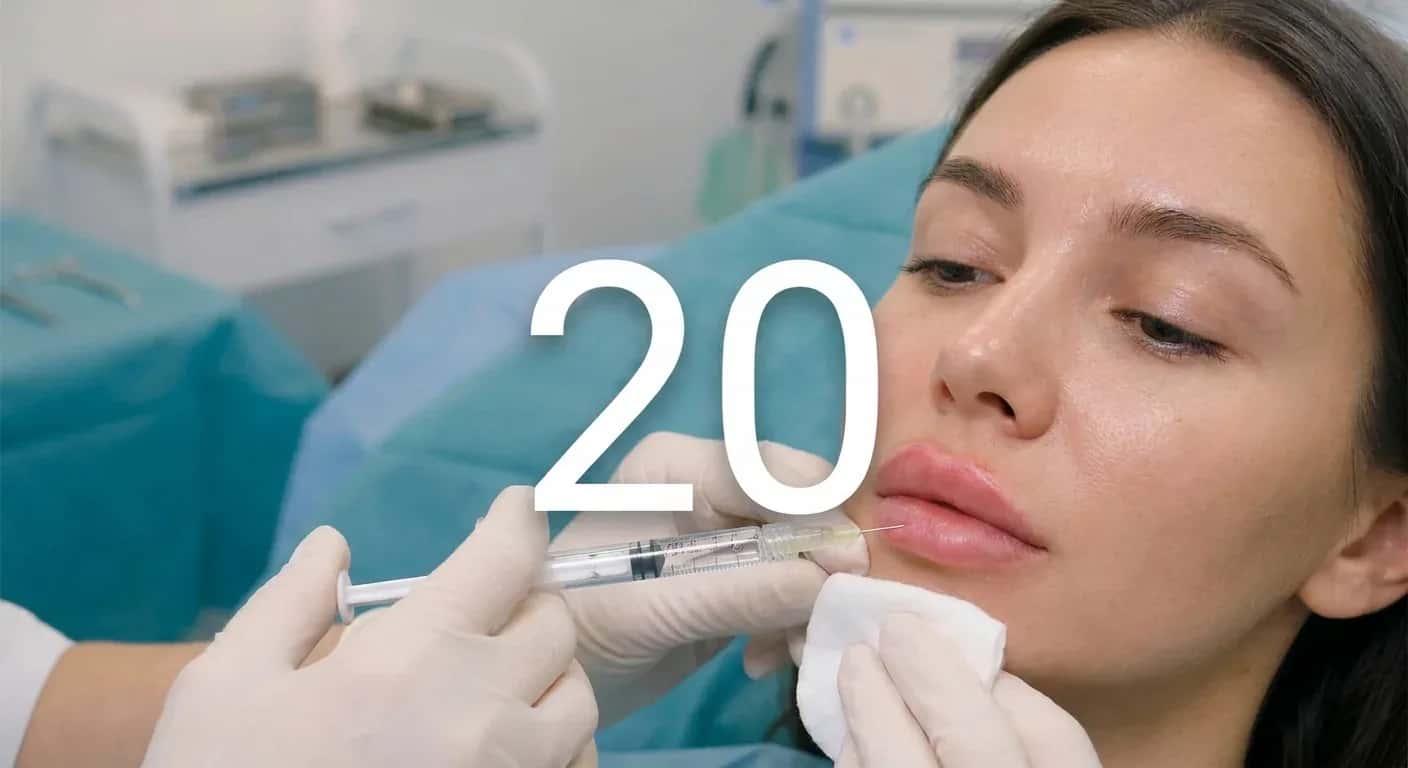
Many singers, actors, reality stars and influencers have talked openly about getting lip filler, and a growing number have also shared why they later had it dissolved. This guide looks at what 20 of these public figures said about their own lip treatments and what their experiences can teach anyone considering filler.


Filler fatigue describes the point where repeated dermal filler treatments leave a face looking heavier, puffier or less like itself, and it is pushing many people to rethink how they approach injectables. This guide explains what causes it, how to recognize an overfilled face.

Overfilled faces develop when injectable treatments add more volume than the facial anatomy can accommodate naturally, altering contours, proportions and sometimes facial expression.
Subscribe to the Medifinder newsletter and never miss our latest content.