










Nasolabial Filler
Nasolabial filler softens folds running from the nose toward the mouth by restoring carefully placed facial volume. However, the fold reflects several structures, not one empty line requiring direct filling. Midface support may improve selected folds without placing all product inside the crease.

- Last updated
- 286 reads
- 6 min read
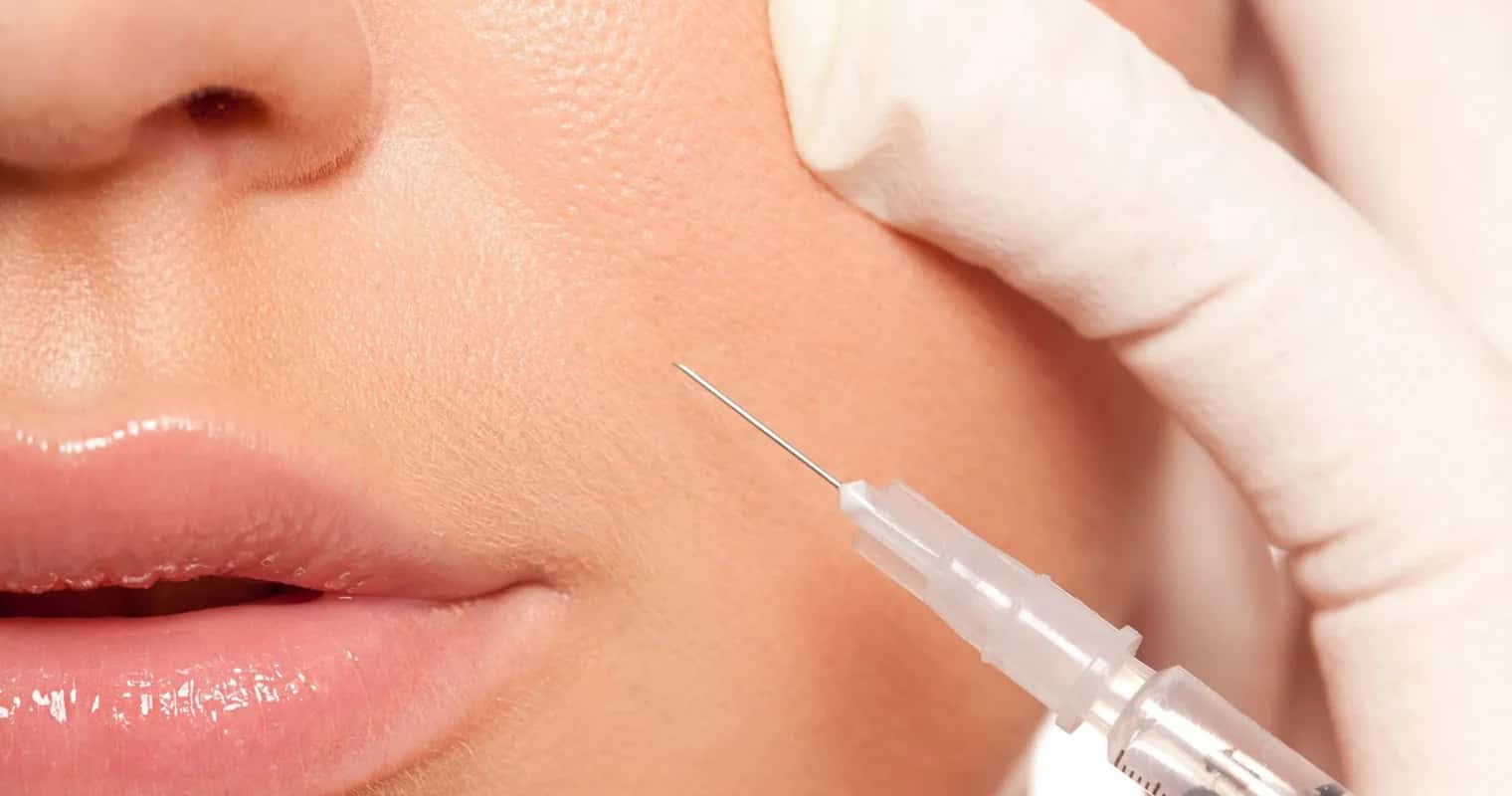


What Is Nasolabial Filler?
Nasolabial filler is an injectable treatment that softens facial folds by restoring volume around the nose and mouth.
Most treatments use crosslinked hyaluronic acid gels placed within selected tissue layers. The gel supports the crease, changes nearby contours, and attracts water after injection. Clinicians may treat the fold itself, surrounding midface support, or both areas. Filler does not remove skin or permanently change facial anatomy. The body gradually breaks down hyaluronic acid through normal biological processes. Results depend on product properties, injection depth, facial movement, and individual anatomy.
Why Do Nasolabial Folds Form?
Nasolabial folds form through combined changes in bone support, fat compartments, ligaments, skin, and repeated movement.
They are not simply empty wrinkles waiting for gel. The upper fold can deepen when support near the nasal base declines. Midface volume loss may increase tissue descent beside the mouth. Skin thinning and repeated smiling can sharpen the surface crease. Genetics also influence fold depth in younger adults. A useful assessment identifies the dominant cause before selecting injection sites. This diagnosis helps prevent unnecessary volume inside an already heavy fold.
Should Every Nasolabial Fold Be Injected Directly?
Not every nasolabial fold should receive direct filler because nearby structural treatment may provide better balance.
Midface filler can improve selected folds by restoring support above the crease. Treatment near the pyriform aperture may support the fold’s upper segment. Direct injection can still suit a fixed dermal crease or localized volume deficit. However, filling only the line may create heaviness beside the mouth. The lifting effect from cheek treatment remains variable and sometimes modest. Clinicians should compare direct, indirect, and combined strategies during facial assessment. This distinction is often missing from simple before-and-after marketing.
Is Nasolabial Filler FDA-Approved?
Several fillers hold FDA approval for moderate or severe facial folds, including nasolabial folds.
However, approval remains specific to each product, injection depth, and age group. Juvéderm Vollure XC is approved for mid-to-deep dermal injection in adults over 21. Other approved products use different hyaluronic acid structures or alternative materials. Product approval does not guarantee suitability for every fold. Hyaluronic acid often offers a practical advantage because hyaluronidase can reduce it. That reversibility cannot guarantee recovery from every vascular complication. Patients should request the exact product name before treatment.
How Much Nasolabial Filler Is Usually Needed?
No standard volume suits every nasolabial fold because severity and facial support vary.
In the Vollure pivotal study, median combined initial and touch-up volume reached 1.7 milliliters per treatment site. The study allowed clinicians to adjust volume according to correction needs. Later repeat treatment used a median 0.6 milliliters per previously treated fold. These figures describe a controlled study, not a personal prescription. Overfilling can widen the lower midface or create unnatural fullness. Conservative staging lets swelling settle before additional product changes facial balance. Anatomy should determine volume, not syringe-based package pricing.
How Long Does Nasolabial Filler Last?
Nasolabial filler can remain effective for twelve months, while some approved product data extend through eighteen months.
In the Vollure study, 59.4% of assessed folds remained responders at eighteen months. A responder showed measurable improvement from baseline, not unchanged post-treatment fullness. This distinction prevents misleading interpretations of longevity statistics. Different fillers, volumes, tissue depths, and metabolic factors change persistence. Facial movement and ongoing aging also alter the visible result. Repeat treatment may require less product than the original correction. No study duration can guarantee one patient’s exact maintenance interval.
What Results Can Nasolabial Filler Achieve?
Nasolabial filler can soften folds, but it cannot stop aging or remove every shadow around the mouth.
It may improve crease depth at rest and create smoother cheek-to-lip transitions. Results during smiling can differ because muscle movement still compresses the area. Filler cannot tighten substantial skin laxity or reposition descended tissue permanently. It also cannot correct dental projection, jaw imbalance, or severe facial asymmetry. Excess volume may make the central face appear heavier. Realistic planning aims for softer folds rather than complete erasure. Preserving natural movement often produces the most believable outcome.
What Is Recovery Like After Nasolabial Filler?
Recovery usually involves temporary swelling, tenderness, firmness, bruising, redness, and small palpable bumps.
Vollure study participants commonly reported these reactions after injection. Individual reactions generally resolved within one week in that trial. However, some adverse events lasted longer than sixty days. Three events also appeared weeks or months after treatment. Delayed nodules may involve inflammation, infection, or foreign-body responses. Increasing pain, warmth, redness, or enlarging firmness needs clinical assessment. Early swelling should improve progressively rather than worsen after initial recovery. Photographs alone cannot establish the cause.
Why Is the Nasolabial Fold a High-Risk Filler Area?
Nasolabial filler carries vascular risk because the facial artery can cross the treatment area at variable depths.
Doppler research found no completely safe depth or region for every patient. The artery may travel beside, beneath, or within tissue targeted during correction. Accidental intravascular injection can block blood supply to skin. Rare complications include necrosis, visual impairment, blindness, and stroke. Needles and cannulas can both enter vessels under certain conditions. Slow placement and small amounts may reduce risk without eliminating it. Emergency readiness therefore matters as much as cosmetic technique.
Can Ultrasound Make Nasolabial Filler Safer?
Ultrasound can improve nasolabial filler planning by mapping vessels and locating previous filler.
High-frequency imaging shows tissue layers and facial artery position in real time. Color Doppler adds information about blood flow near planned injection sites. Ultrasound may also guide hyaluronidase toward identified hyaluronic acid deposits. This approach can reduce blind treatment when anatomy remains uncertain. However, imaging depends on equipment quality, training, and correct interpretation. It cannot make injections risk-free or replace anatomical knowledge. Patients should ask how imaging changes the actual treatment plan.
Which Symptoms Require Urgent Care After Nasolabial Filler?
Unusual pain, blanching, discoloration, vision changes, or neurological symptoms require immediate assessment after nasolabial filler.
These signs may indicate interrupted circulation rather than routine swelling.
-
Increasing pain can signal vascular compromise.
-
White, grey, blue, or net-like purple skin may indicate reduced blood flow.
-
Cool skin, blisters, or delayed color return can precede tissue damage.
-
Blurred vision, eye pain, or vision loss requires emergency treatment.
-
Weakness, confusion, speech difficulty, or severe headache may indicate neurological injury.
-
Fever, discharge, or expanding redness may indicate infection.
Contact emergency services and the injector immediately when these symptoms appear.
Can Nasolabial Filler Be Dissolved?
Hyaluronidase can dissolve hyaluronic acid filler, but it cannot reverse every complication or treat every material.
Clinicians may use it for excess volume, misplaced gel, nodules, or suspected vascular occlusion. Treatment remains product-specific because different gels resist enzymatic breakdown differently. Several sessions may become necessary for concentrated or widespread deposits. Hyaluronidase cannot dissolve calcium hydroxylapatite, silicone, or permanent fillers. Allergic reactions remain possible, although they are uncommon. Urgent vascular treatment should never wait for routine correction planning. Diagnosis should precede elective dissolution whenever the situation remains stable.
Who Should Avoid or Postpone Nasolabial Filler?
Suitable candidates have realistic goals, healthy treatment sites, and folds that added support can improve.
Others should postpone treatment or seek a different approach.
-
Active skin, dental, or oral infections require resolution before injection.
-
Pregnancy and breastfeeding safety remains unestablished for commonly used fillers.
-
Severe allergies or previous filler reactions require individualized medical review.
-
Unknown permanent filler may complicate anatomy and future correction.
-
Significant skin laxity or facial heaviness may worsen after added volume.
-
Providers should explain product approval, injection planning, and emergency procedures.
Choose a licensed professional who documents the product, volume, date, and treatment sites.
References
-
FDA, Dermal Fillers: Soft Tissue Fillers
https://www.fda.gov/medical-devices/aesthetic-cosmetic-devices/dermal-fillers-soft-tissue-fillers -
FDA, Juvéderm Vollure XC Premarket Approval
https://www.accessdata.fda.gov/scripts/cdrh/cfdocs/cfpma/pma.cfm?id=P110033S020 -
FDA, Juvéderm Vollure XC Safety and Effectiveness Data
https://www.accessdata.fda.gov/cdrh_docs/pdf11/P110033S020B.pdf -
FDA, Juvéderm Vollure XC Patient Information
https://www.accessdata.fda.gov/cdrh_docs/pdf11/P110033S020D.pdf -
Why Do Nasolabial Folds Appear?
https://pmc.ncbi.nlm.nih.gov/articles/PMC11011544/ -
Facial Artery Course Variations and Depth
https://pubmed.ncbi.nlm.nih.gov/33171021/ -
Facial Artery Anatomy Around the Nasolabial Fold
https://pubmed.ncbi.nlm.nih.gov/37327736/ -
Tissue Fillers for the Nasolabial Fold Area
https://pmc.ncbi.nlm.nih.gov/articles/PMC8481177/ -
Ultrasound-Guided Facial Injections in the Midface
https://pubmed.ncbi.nlm.nih.gov/39594210/ -
Ultrasound Evaluation of Cosmetic Fillers
https://pubmed.ncbi.nlm.nih.gov/41505983/ -
Hyaluronidase for Dermal Filler Complications
https://pubmed.ncbi.nlm.nih.gov/38231537/ -
Vascular Occlusion Risk Factors After Dermal Fillers
https://pubmed.ncbi.nlm.nih.gov/40406769/
- Last updated
- Language
- English
How did you find this article?
Many singers, actors, reality stars and influencers have talked openly about getting lip filler, and a growing number have also shared why they later had it dissolved. This guide looks at what 20 of these public figures said about their own lip treatments and what their experiences can teach anyone considering filler.


Filler fatigue describes the point where repeated dermal filler treatments leave a face looking heavier, puffier or less like itself, and it is pushing many people to rethink how they approach injectables. This guide explains what causes it, how to recognize an overfilled face.
Overfilled faces develop when injectable treatments add more volume than the facial anatomy can accommodate naturally, altering contours, proportions and sometimes facial expression.
Subscribe to the Medifinder newsletter and never miss our latest content.