










Lumps in Lips After Lip Filler
Lumps after lip filler are common, but their meaning depends on timing, symptoms, and filler type. Early, painless firmness often reflects swelling, product placement, or normal healing.

- Last updated
- 520 reads
- 7 min read


Lumps after lip filler are common, but their meaning depends on timing, symptoms, and filler type. Early, painless firmness often reflects swelling, product placement, or normal healing. Painful, warm, red, enlarging, or discolored lumps require prompt medical assessment. Delayed nodules may involve inflammation, infection, filler migration, or immune reactions. Ultrasound can distinguish filler deposits from granulomas and guide targeted treatment. Hyaluronidase helps only with hyaluronic acid fillers and does not replace diagnosis. This guide explains what to watch, when to wait, and when to seek urgent care.
What Are Lumps in Lips After Lip Filler?
Lip filler lumps are localized areas of firmness, swelling, or uneven product beneath the treated tissue.
During early healing, swelling can exaggerate minor asymmetry and make normal tissue feel unusually hard. Needle trauma, product hydration, and temporary inflammation also create palpable areas. A visible lump may reflect superficial placement or excessive filler within one location. A hidden lump may only become noticeable when touching or moving the lips. However, the word “lump” does not identify the underlying cause. Timing and accompanying symptoms therefore matter more than texture alone. Your injector should assess persistent areas before recommending massage, dissolution, antibiotics, or observation.
How Long Do Normal Lip Filler Lumps Last?
Normal early lip filler lumps often improve within two weeks as swelling and inflammation settle.
FDA-reviewed lip filler studies show that most expected injection reactions resolve within 14 days. These reactions include swelling, tenderness, firmness, bruising, and palpable bumps. However, duration varies between products, injection techniques, and individual healing responses. Some clinical trial participants reported firmness or lumps lasting between 15 and 30 days. Therefore, a lump lasting beyond one week does not automatically indicate a complication. It still deserves review when improvement stops or additional symptoms develop. Product-specific trial results should not become universal recovery deadlines.
How Can You Distinguish Normal Firmness From a Complication?
Normal firmness gradually improves, while concerning lumps often worsen or develop pain, heat, redness, or skin changes.
Early swelling usually affects both lips and changes throughout the day. Routine tenderness should also become milder rather than increasingly painful. A stable, painless bump may reflect uneven filler placement or temporary tissue swelling. An inflammatory nodule often appears red, tender, swollen, or unusually firm. Infection may cause warmth, discharge, expanding redness, or fever. Reduced blood supply can produce severe pain, blanching, or dusky discoloration. These patterns can overlap, so photographs cannot establish a reliable diagnosis. Clinical examination remains essential when symptoms progress.
Why Does the Timing of a Lip Lump Matter?
Timing helps separate immediate placement problems from inflammatory reactions developing weeks or months later.
Lumps appearing immediately may reflect swelling, bruising, superficial filler, or uneven distribution. Symptoms developing within several days may also involve infection or an evolving vascular problem. Delayed-onset nodules usually appear weeks or months after treatment. Rare reactions can develop years after an injection. Delayed symptoms may follow illness, dental treatment, vaccination, or another immune trigger. However, these events do not prove one specific cause. Recording injection dates, filler names, illnesses, and later procedures helps clinicians identify patterns. This timeline also prevents unnecessary treatment based solely on appearance.
Does the Location of a Lip Filler Lump Reveal Its Cause?
A lump’s location can suggest superficial placement, migration, gland involvement, or a deeper filler deposit.
A visible bump along the lip border may reflect shallow or concentrated product placement. A bluish appearance can occur when transparent filler sits too close to the surface. This optical effect differs from bruising and requires professional assessment. Inner-lip lumps may involve filler deposits, minor salivary glands, cysts, or injection trauma. Product can also move beyond the intended treatment area. However, touch alone cannot confirm filler depth or composition. Clinicians may use ultrasound when previous injections, unknown products, or repeated treatments obscure the anatomy.
Should You Massage Lumps After Lip Filler?
You should massage lip filler lumps only when your qualified injector specifically recommends that approach.
Gentle manipulation may help selected early, noninflamed irregularities involving hyaluronic acid filler. However, massage can worsen bruising, swelling, tenderness, or product displacement. It cannot treat infection, granulomas, or vascular occlusion. Aggressive pressure may also delay proper assessment of a developing complication. Instructions vary because filler properties and injection depths differ considerably. Some products integrate differently and should not receive routine manipulation. Contact the treating clinic before repeatedly pressing a firm area. Avoid online massage techniques when the lump feels painful, hot, enlarging, or discolored.
Can Ultrasound Identify What Caused a Lip Filler Lump?
High-frequency ultrasound can identify filler location and help distinguish deposits from inflammatory granulomas.
Simple filler deposits often show regular borders and characteristic internal appearances. Granulomas may appear less defined, with irregular edges and different tissue patterns. Color Doppler can also evaluate nearby blood flow before targeted treatment. Ultrasound becomes especially valuable when the filler type remains unknown. It can guide hyaluronidase directly into a hyaluronic acid deposit. Imaging may also prevent unnecessary dissolution of correctly positioned filler. However, ultrasound findings still require clinical interpretation. The scan supports diagnosis rather than replacing medical history, examination, or laboratory testing.
What Causes Delayed Lip Filler Nodules?
Delayed lip filler nodules may involve filler properties, inflammation, immune activity, infection, or several combined factors.
Experts have not identified one universal mechanism for every delayed nodule. Some researchers propose that microorganisms initiate inflammation around remaining filler material. However, standard testing rarely identifies bacteria consistently. Other cases may involve foreign-body reactions, product degradation, or immune stimulation after illness. Every hyaluronic acid filler can potentially cause delayed nodules. Nevertheless, risks may differ between products, treatment areas, and patient histories. Calling every delayed lump a “biofilm” oversimplifies an unsettled scientific question. Treatment should therefore follow symptoms, examination, imaging, and infection risk.
Can Hyaluronidase Dissolve Lip Filler Lumps?
Hyaluronidase can dissolve hyaluronic acid filler, but it cannot treat every type of lip lump.
The enzyme breaks down injected hyaluronic acid and can reduce excess product or misplaced deposits. Clinicians also use it urgently when hyaluronic acid filler blocks a blood vessel. Nonemergency doses depend on product characteristics, location, severity, and treatment goals. Some lumps require repeated treatment because one session may not dissolve every deposit. Inflammatory nodules may need additional management after infection assessment. Hyaluronidase cannot dissolve calcium hydroxylapatite, poly-L-lactic acid, silicone, or permanent fillers. Allergic reactions remain possible, so trained clinicians should administer treatment.
What Happens When the Filler Type Is Unknown?
Unknown filler requires careful assessment because incorrect treatment can delay recovery or damage surrounding tissue.
Patients should request the original product name, treatment record, batch details, and injected volume. Packaging photographs or clinic invoices may also identify the material. Hyaluronidase only works against hyaluronic acid, making blind dissolution unreliable. Ultrasound can sometimes reveal patterns that suggest filler composition and depth. However, imaging may not identify every product with certainty. Clinicians may consider cultures, biopsy, or specialist referral for persistent inflammatory nodules. Avoid additional filler until the existing material and complication become clearer. More volume can disguise the problem temporarily while making later correction harder.
Which Lip Filler Lump Symptoms Require Urgent Care?
Severe pain, skin discoloration, vision changes, or neurological symptoms require immediate emergency assessment.
-
Blanching, grey skin, or a net-like purple pattern may indicate reduced blood flow.
-
Rapidly increasing pain can signal vascular compromise rather than expected post-injection tenderness.
-
Cold skin, blisters, or worsening discoloration may precede tissue damage.
-
Visual blurring, eye pain, or vision loss requires emergency specialist treatment.
-
Weakness, confusion, speech difficulty, or severe headache may indicate neurological injury.
-
Fever, pus, spreading redness, or increasing warmth may indicate infection.
Do not wait for a routine appointment when these symptoms appear. Contact emergency services and the treating clinician immediately.
What Should You Do When You Notice a Lip Filler Lump?
Contact your injector when a lip lump persists, worsens, or develops additional symptoms.
-
Record when the lump appeared and whether its size changes.
-
Photograph both lips using consistent lighting and camera angles.
-
Note pain, warmth, redness, color changes, fever, or discharge.
-
Confirm the filler brand, injection date, volume, and treatment locations.
-
Avoid squeezing, puncturing, or aggressively massaging the lump.
-
Seek a second medical opinion when the original provider cannot assess complications.
-
Request ultrasound evaluation when the diagnosis or filler location remains uncertain.
Proper assessment may lead to observation, massage, dissolution, antibiotics, drainage, or specialist referral. The correct treatment depends on the diagnosis.
How Can Future Lip Filler Lumps Be Reduced?
Careful product selection, conservative dosing, sterile technique, and anatomical expertise can reduce preventable lip filler lumps.
Choose a licensed medical professional who regularly manages filler complications. Ask which product they recommend and whether regulators approve it for lip augmentation. Share previous filler treatments, cold sores, allergies, medications, dental procedures, and immune conditions. Avoid treatment during active skin infections or oral inflammation. Conservative volume can reduce pressure and overcorrection, although it cannot eliminate every reaction. Keep your product documentation after each appointment. That record becomes particularly valuable when delayed symptoms appear months later. No injector or filler can guarantee a completely complication-free result.
References
-
FDA, Dermal Fillers: Soft Tissue Fillers
https://www.fda.gov/medical-devices/aesthetic-cosmetic-devices/dermal-fillers-soft-tissue-fillers -
FDA, Dermal Filler Do’s and Don’ts for Wrinkles, Lips and More
https://www.fda.gov/consumers/consumer-updates/dermal-filler-dos-and-donts-wrinkles-lips-and-more -
FDA, RHA 3 Lip Augmentation Patient Information Brochure
https://www.accessdata.fda.gov/cdrh_docs/pdf17/P170002S030D.pdf -
FDA, Juvéderm Volbella XC Directions for Use
https://www.accessdata.fda.gov/cdrh_docs/pdf11/P110033S053C.pdf -
FDA, Restylane Kysse Patient Information
https://www.accessdata.fda.gov/cdrh_docs/pdf14/P140029S021D.pdf -
Kroumpouzos G, et al., Complications of Fillers in the Lips and Perioral Area
https://pubmed.ncbi.nlm.nih.gov/37002059/ -
Saad Y, et al., Management of Delayed Complications of Hyaluronic Acid Fillers
https://pubmed.ncbi.nlm.nih.gov/40257429/ -
Mlosek RK, et al., High-Frequency Ultrasound Differentiation Between Granulomas and Filler Deposits
https://pubmed.ncbi.nlm.nih.gov/29363178/ -
Goodman GJ, et al., Making Sense of Late Tissue Nodules Associated With Hyaluronic Acid Fillers
https://pmc.ncbi.nlm.nih.gov/articles/PMC10184938/ -
Kroumpouzos G, et al., Hyaluronidase for Dermal Filler Complications
https://pmc.ncbi.nlm.nih.gov/articles/PMC10836581/ -
Philipp-Dormston WG, et al., Prevention and Management of Delayed-Onset Reactions
https://pmc.ncbi.nlm.nih.gov/articles/PMC7209845/ -
Urdiales-Gálvez F, et al., Treatment of Soft Tissue Filler Complications
https://pmc.ncbi.nlm.nih.gov/articles/PMC5840246/
- Last updated
- Language
- English
How did you find this article?
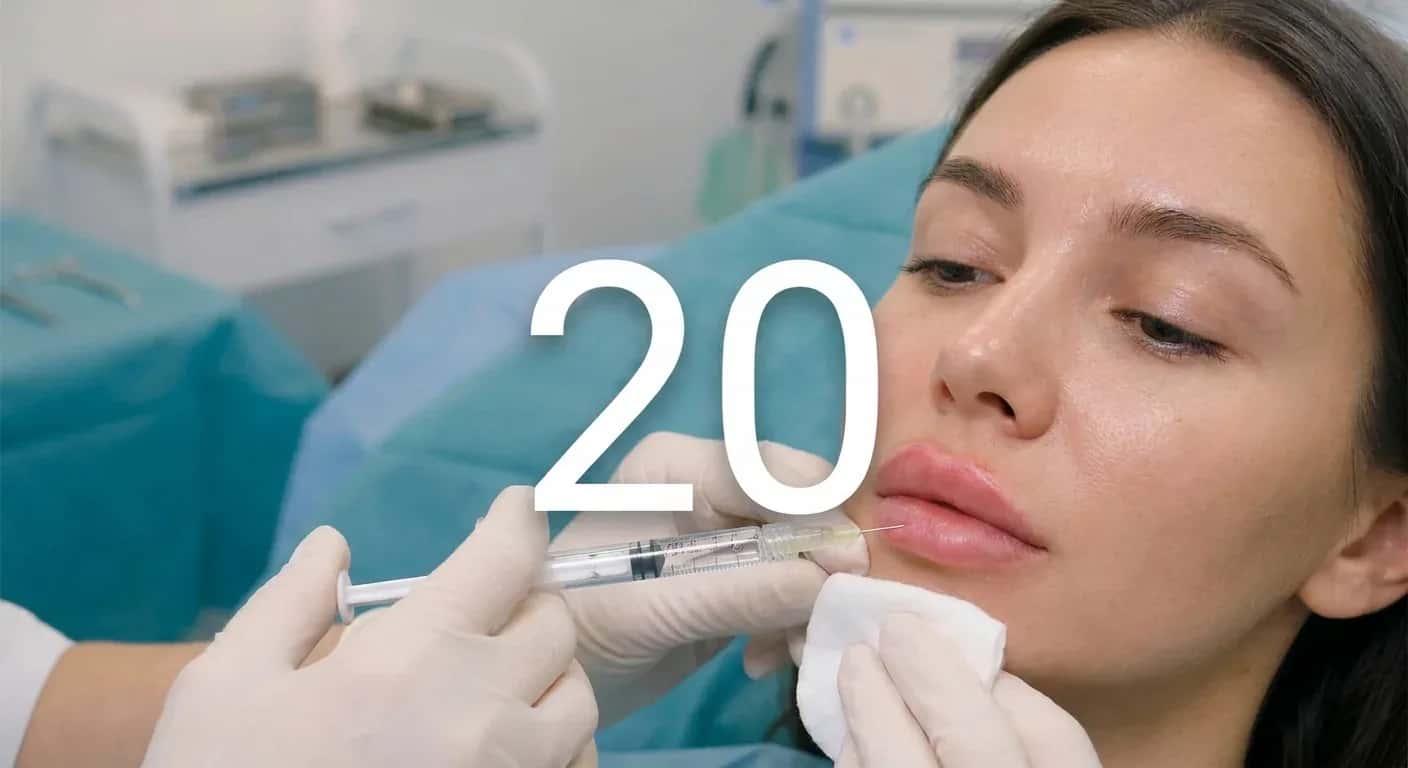
Many singers, actors, reality stars and influencers have talked openly about getting lip filler, and a growing number have also shared why they later had it dissolved. This guide looks at what 20 of these public figures said about their own lip treatments and what their experiences can teach anyone considering filler.


Filler fatigue describes the point where repeated dermal filler treatments leave a face looking heavier, puffier or less like itself, and it is pushing many people to rethink how they approach injectables. This guide explains what causes it, how to recognize an overfilled face.


Overfilled faces develop when injectable treatments add more volume than the facial anatomy can accommodate naturally, altering contours, proportions and sometimes facial expression.
Subscribe to the Medifinder newsletter and never miss our latest content.