










Low T3 With Normal TSH and Free T4
A low T3 with normal TSH and free T4 does not always mean thyroid failure. Learn how illness, medication, nutrition, and testing context affect the result.

- Last updated
- 10 reads
- 6 min read



A low T3 result can look confusing when TSH and free T4 are both within the reference range. Many people assume that every thyroid hormone should move together, yet the body regulates production and conversion in stages. T4 is the main hormone released by the thyroid, while much of the active T3 is made in other tissues. During illness, stress, or reduced energy intake, the body may deliberately change that conversion without producing classic thyroid failure.
The meaning of a low T3 depends on symptoms, the reason the test was ordered, medication use, nutritional status, and whether the result remains low over time. A single number should be read as part of the thyroid pattern, not as a diagnosis on its own.
How T4 Becomes T3
The thyroid gland releases mostly T4. Enzymes in the liver, kidneys, muscles, and other tissues remove an iodine atom from T4 to create T3. Another pathway produces reverse T3, an inactive form. This balance allows the body to adjust energy use when circumstances change.
TSH reflects the signal from the brain to the thyroid, while free T4 reflects the unbound hormone available in circulation. T3 is more sensitive to changes in conversion, so it may fall before TSH or free T4 changes. That is one reason a low T3 with otherwise normal results can occur without primary thyroid disease.
Illness Can Temporarily Lower T3
During infection, surgery, injury, or significant inflammation, the body may reduce T4-to-T3 conversion. This pattern is sometimes called non-thyroidal illness. The change can appear in people whose thyroid gland was functioning normally before they became unwell.
The lower T3 may persist through recovery and gradually return toward baseline. Testing during hospitalization or soon after a serious illness can therefore be difficult to interpret. Symptoms such as fatigue, weakness, poor appetite, and slowed concentration may come from the illness itself rather than a new thyroid disorder.
Calorie Restriction and Weight Change
Very low calorie intake, rapid weight loss, eating disorders, or prolonged fasting can reduce T3 production. The body senses limited energy availability and lowers metabolic activity. Athletes who combine intense training with inadequate fueling may show a similar pattern.
This response is not a reason to start thyroid medicine without a clear indication. Restoring adequate nutrition, protein, carbohydrates, and overall energy may be more relevant when restriction is the main trigger. Rapid weight change, dizziness, missed periods, or weakness deserves careful attention in its own right.
Medication and Supplement Effects
Some medicines affect thyroid hormone conversion or the way laboratory assays detect hormones. Steroids, certain heart medicines, dopamine-related drugs, and treatments used during severe illness can alter T3. High-dose supplements containing biotin may interfere with some thyroid tests and create misleading results.
Provide a complete list of prescriptions, over-the-counter products, and supplements. Do not stop an essential medicine abruptly. If biotin is used, the testing team may recommend a pause before repeat blood work, depending on the assay and the reason for testing.
What Normal TSH and Free T4 Suggest
Normal TSH and free T4 make primary hypothyroidism less likely, particularly when symptoms are mild and there is no thyroid history. They suggest that the thyroid gland is receiving an appropriate signal and releasing an adequate amount of circulating T4.
They do not explain every symptom. Sleep loss, anemia, low iron, depression, chronic pain, infection, medication effects, and nutritional deficits can all resemble thyroid complaints. The most useful next step is to match the laboratory pattern with the wider health picture.
When a Low T3 Deserves Repeat Testing
Repeat testing can be useful after recovery from an acute illness, stabilization of nutrition, or a medication review. The timing should be planned rather than repeated every few days, since short-term fluctuations may create more confusion.
Use the same laboratory when possible, because assays and reference intervals differ. Bring previous results, the date of symptoms, recent illnesses, and the timing of supplements. A trend is easier to interpret than a lone low value.
Symptoms That Need a Broader Review
Persistent fatigue, cold intolerance, constipation, dry skin, hair changes, slowed heart rate, or unexplained weight change can occur with thyroid disease, but they are not specific. New palpitations, tremor, severe anxiety, fainting, chest symptoms, or marked weakness require prompt attention for reasons beyond T3 alone.
Pregnancy, recent childbirth, pituitary disease, autoimmune thyroid history, and major changes in weight can alter how results are understood. A low T3 is one clue within that context, not a substitute for the full assessment.
Questions About Low T3 With Normal TSH and Free T4
Does a low T3 mean I have hypothyroidism?
A low T3 by itself does not establish hypothyroidism. Normal TSH and free T4 often point toward another influence, such as illness, calorie restriction, medication, or altered conversion.
Can stress lower T3?
Significant physical stress from illness, injury, sleep deprivation, or under-fueling can change T4-to-T3 conversion. Everyday stress may affect symptoms without producing the same laboratory pattern.
Should thyroid medicine be started for low T3?
Starting treatment depends on the complete pattern and the reason for the low result. Treating an isolated T3 value may not address the underlying illness or nutritional problem.
Can biotin change thyroid test results?
High-dose biotin can interfere with some laboratory assays. Mention it before testing and follow the laboratory instructions about whether a temporary pause is appropriate.
When should low T3 be checked again?
Repeat testing is often more informative after an acute illness has settled or a major medication and nutrition factor has been reviewed. The timing should be planned with the full clinical context.
Understanding the Result Without Jumping to a Label
Low T3 with normal TSH and free T4 often reflects a change in hormone conversion rather than a failing thyroid gland. Illness, restricted calories, intense training, medications, supplements, and testing conditions can all influence the number. Reviewing symptoms, previous results, nutrition, and recovery status creates a clearer picture. A measured follow-up approach is more useful than reacting to one low value in isolation.
Laboratory timing can influence the result as well. Recent meals, fasting, acute stress, sleep loss, and the timing of a medication may alter hormone measurements or the symptoms reported that day. If the result is unexpected, ask whether the test should be repeated under more typical conditions rather than trying to interpret every fluctuation.
Thyroid antibodies, reverse T3, and imaging are not automatically needed for every low T3 result. Their usefulness depends on the history and on what the initial thyroid panel shows. More tests are helpful when they answer a specific question, not simply because the first number feels confusing.
People who have recently been hospitalized, undergone surgery, or followed a restrictive diet may need more time before their hormone pattern settles. Recovery of energy, sleep, and appetite can happen alongside gradual normalization of T3. Tracking those changes gives important context.
It is also useful to separate a laboratory finding from the way you feel. If symptoms are persistent, describe when they started, what makes them better or worse, and whether they interfere with work, exercise, or sleep. A clear timeline often provides more direction than a general statement of feeling unwell.
Normal TSH and free T4 are reassuring pieces of the pattern, but they should not be used to dismiss severe symptoms. A person may have a separate condition affecting energy, mood, heart rate, or digestion. Reviewing the full history keeps the thyroid result in its proper place and avoids treating a number without a clear reason.
Before a repeat panel, note whether you were ill, fasting, training hard, or taking new supplements. Keep the same medication schedule unless instructed otherwise and bring the exact laboratory ranges with you. This preparation does not guarantee a perfect result, but it makes comparisons more meaningful and reduces avoidable confusion.
Over time, the direction of change matters. A T3 that rises as recovery progresses tells a different story from a value that continues to fall while symptoms intensify. Trend, timing, and the relationship among TSH, free T4, and T3 create the clearest interpretation.
- Last updated
- Language
- English
How did you find this article?

High blood calcium with a normal PTH result can have several explanations. Learn how the two results are interpreted together and what other clues matter.
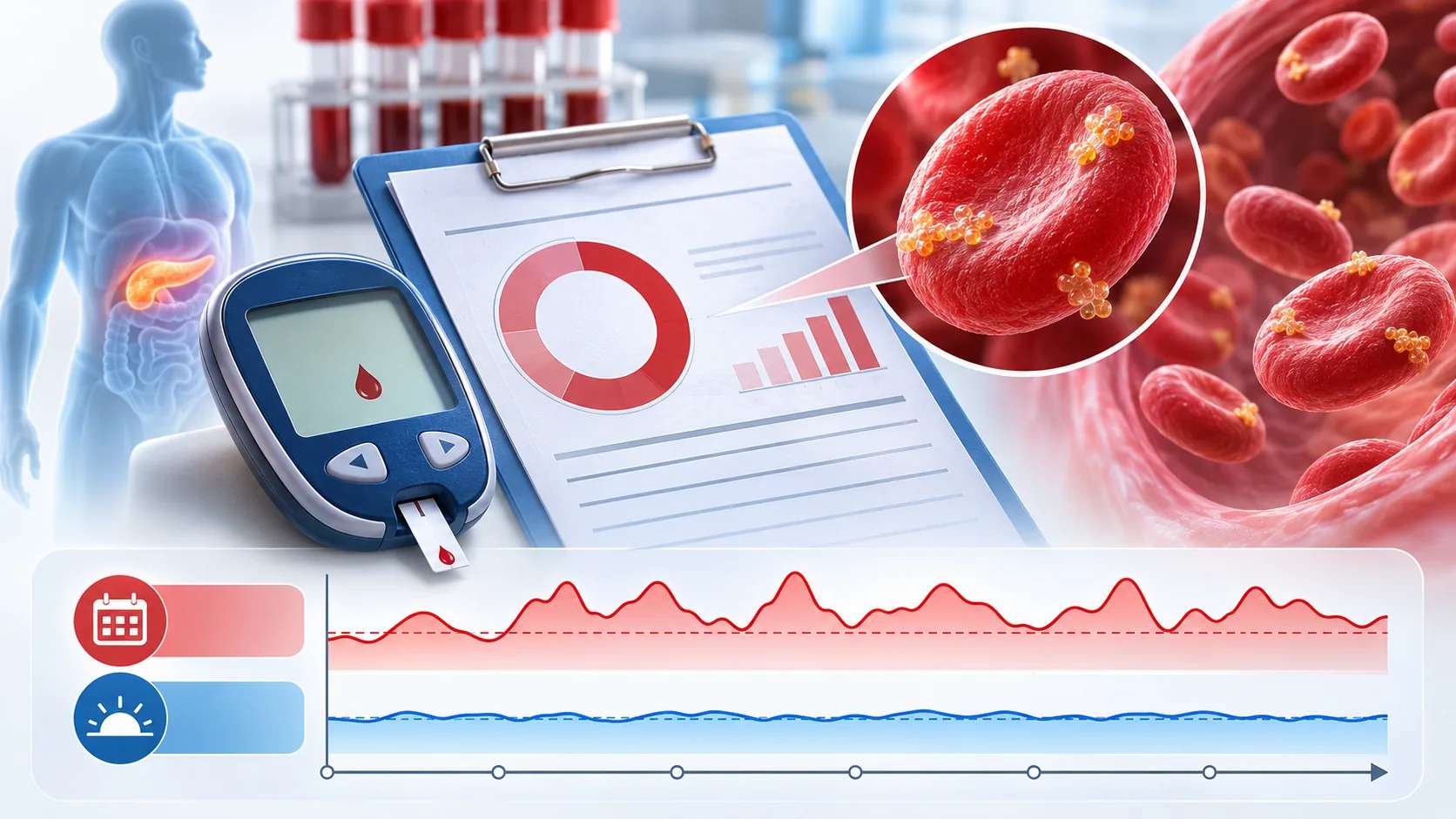
High HbA1c with normal fasting glucose can reflect after-meal spikes, red blood cell changes, iron deficiency, illness, or testing variation.

A high BUN/creatinine ratio with normal creatinine can reflect dehydration, diet, bleeding, medicines, or protein breakdown.
Subscribe to the Medifinder newsletter and never miss our latest content.