










High HbA1c but Normal Fasting Glucose: Why Does It Happen?
High HbA1c with normal fasting glucose can reflect after-meal spikes, red blood cell changes, iron deficiency, illness, or testing variation.

- Last updated
- 40 reads
- 4 min read
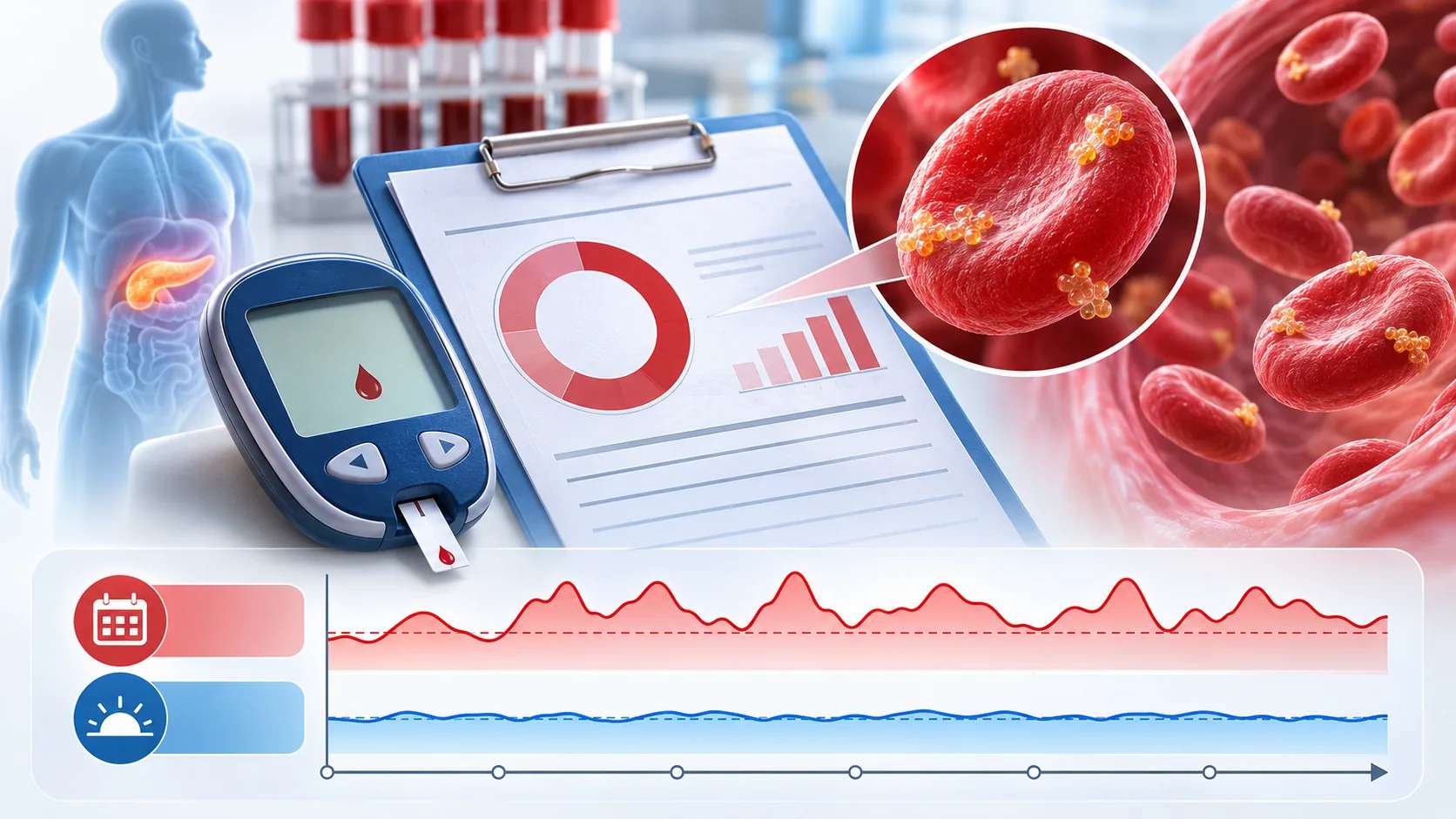


A high HbA1c with normal fasting glucose can seem contradictory at first. Fasting glucose is a snapshot taken after several hours without food, while HbA1c reflects the average exposure of red blood cells to glucose over roughly the previous two to three months. Because they measure different time windows, one can be elevated while the other appears normal.
What HbA1c and Fasting Glucose Actually Show
Fasting glucose measures the amount of glucose circulating at one point in time, usually after an overnight fast. It can be normal even when glucose rises after meals or during other parts of the day.
HbA1c reflects how much glucose has attached to hemoglobin inside red blood cells. Since red blood cells remain in circulation for weeks, the result is influenced by repeated highs and lows rather than one morning reading. The test is useful because it captures patterns that a fasting sample may miss.
Why HbA1c Can Be High When Fasting Glucose Is Normal
After-Meal Glucose Spikes
Some people have normal fasting glucose but develop higher readings after breakfast, lunch, or dinner. These rises can occur because insulin release is slower, meals contain more rapidly absorbed carbohydrate, or the body becomes less responsive to insulin later in the day. Repeated post-meal elevations can raise HbA1c without changing the next morning fasting result.
Early Changes in Glucose Regulation
Glucose regulation often changes gradually. The body may maintain a normal fasting value for a period by producing extra insulin. After meals, however, the response may not be strong or fast enough. This early pattern can produce a higher HbA1c before fasting glucose becomes consistently abnormal.
Variation in Red Blood Cell Lifespan
HbA1c is partly a blood cell measurement. If red blood cells remain in circulation longer than average, they have more time to accumulate glucose, which can make HbA1c appear higher. This is one reason the result should be interpreted with the complete blood count and clinical context.
Iron Deficiency and Related Blood Changes
Iron deficiency can affect red blood cell production and may be associated with a higher HbA1c even when glucose readings are not clearly elevated. Hemoglobin, mean cell volume, ferritin, and other blood indices can help show whether this explanation deserves attention.
Recent Illness or Stress
Infection, poor sleep, emotional stress, steroid treatment, and reduced activity can raise glucose during parts of the day. A fasting sample taken after a calmer night may not reflect those temporary elevations. HbA1c can remain higher because it includes the preceding weeks.
Testing and Biological Variation
Both fasting glucose and HbA1c have natural variation. Differences between laboratories, sample timing, recent food intake, and short-term illness can influence the numbers. A single mismatch is best viewed as a reason to look at the broader pattern.
Can HbA1c Be Falsely High?
HbA1c may not accurately reflect average glucose when red blood cell survival or hemoglobin structure is unusual. Blood loss, recent transfusion, hemolysis, kidney disease, liver disease, and some hemoglobin variants can alter the relationship between HbA1c and actual glucose exposure.
When the results do not fit symptoms or home readings, additional testing can be useful. The goal is to understand whether the HbA1c reflects glucose or a change in red blood cell biology.
What Tests Help Explain the Difference
- Repeat fasting glucose and HbA1c
- Post-meal glucose checks or a glucose tolerance test
- Complete blood count and iron studies
- Kidney and liver function tests
- Fructosamine when a shorter glucose window is needed
- Review of medicines, supplements, sleep, and recent illness
Fructosamine reflects average glucose over a shorter period and can be helpful when red blood cell factors make HbA1c difficult to interpret. Home glucose monitoring may also show whether after-meal spikes are being missed.
Symptoms That Should Be Taken Seriously
Some people with elevated HbA1c have no symptoms. Others notice increased thirst, frequent urination, blurred vision, fatigue, slow wound healing, or unexplained weight changes. Severe weakness, vomiting, confusion, or difficulty breathing requires prompt assessment.
- Persistent thirst and frequent urination
- Blurred vision or unusual fatigue
- Slow healing of cuts
- Unexplained weight loss
- Vomiting, confusion, or breathing difficulty
Practical Steps Before a Repeat Test
Keep normal eating and drinking habits before testing unless specific preparation instructions were provided. Note recent illness, poor sleep, steroid use, unusual exercise, and any home glucose readings. Avoid changing medicines or starting supplements solely to improve a number.
Comparing several readings is more informative than reacting to one result. Fasting and post-meal values can be recorded at different times to reveal a pattern that a single morning test cannot show.
Frequently Asked Questions About High HbA1c With Normal Fasting Glucose
Can normal fasting glucose miss diabetes risk?
It can miss after-meal elevations and early changes in glucose control. HbA1c, post-meal readings, and sometimes a glucose tolerance test provide a wider view.
Can iron deficiency raise HbA1c?
Iron deficiency can affect red blood cell production and may make HbA1c appear higher than expected. A complete blood count and iron studies help clarify this possibility.
Should HbA1c be repeated?
Repeating the test is useful when the result is unexpected, close to a diagnostic threshold, or inconsistent with other readings. A repeat helps confirm whether the pattern persists.
Are after-meal spikes important if fasting glucose is normal?
Repeated after-meal elevations can contribute to a higher HbA1c even when fasting glucose remains normal. Timing of glucose checks matters when this pattern is suspected.
When is high HbA1c urgent?
Urgent assessment is important when high readings occur with vomiting, confusion, severe weakness, dehydration, or difficulty breathing. These symptoms require attention beyond routine follow-up.
High HbA1c with normal fasting glucose usually means the tests are capturing different parts of glucose biology. Reviewing post-meal patterns, blood cell factors, recent health changes, and repeat results can explain the mismatch more accurately than either number alone.
- Last updated
- Language
- English
How did you find this article?

A low T3 with normal TSH and free T4 does not always mean thyroid failure. Learn how illness, medication, nutrition, and testing context affect the result.

High blood calcium with a normal PTH result can have several explanations. Learn how the two results are interpreted together and what other clues matter.

A high BUN/creatinine ratio with normal creatinine can reflect dehydration, diet, bleeding, medicines, or protein breakdown.
Subscribe to the Medifinder newsletter and never miss our latest content.