










Does Loose Skin Tighten After Weight Loss? Surgical Options
Can skin regain its former firmness after rapid weight loss? Let's look at what causes loose skin and how the recovery process works.

- Last updated
- 2 reads
- 5 min read
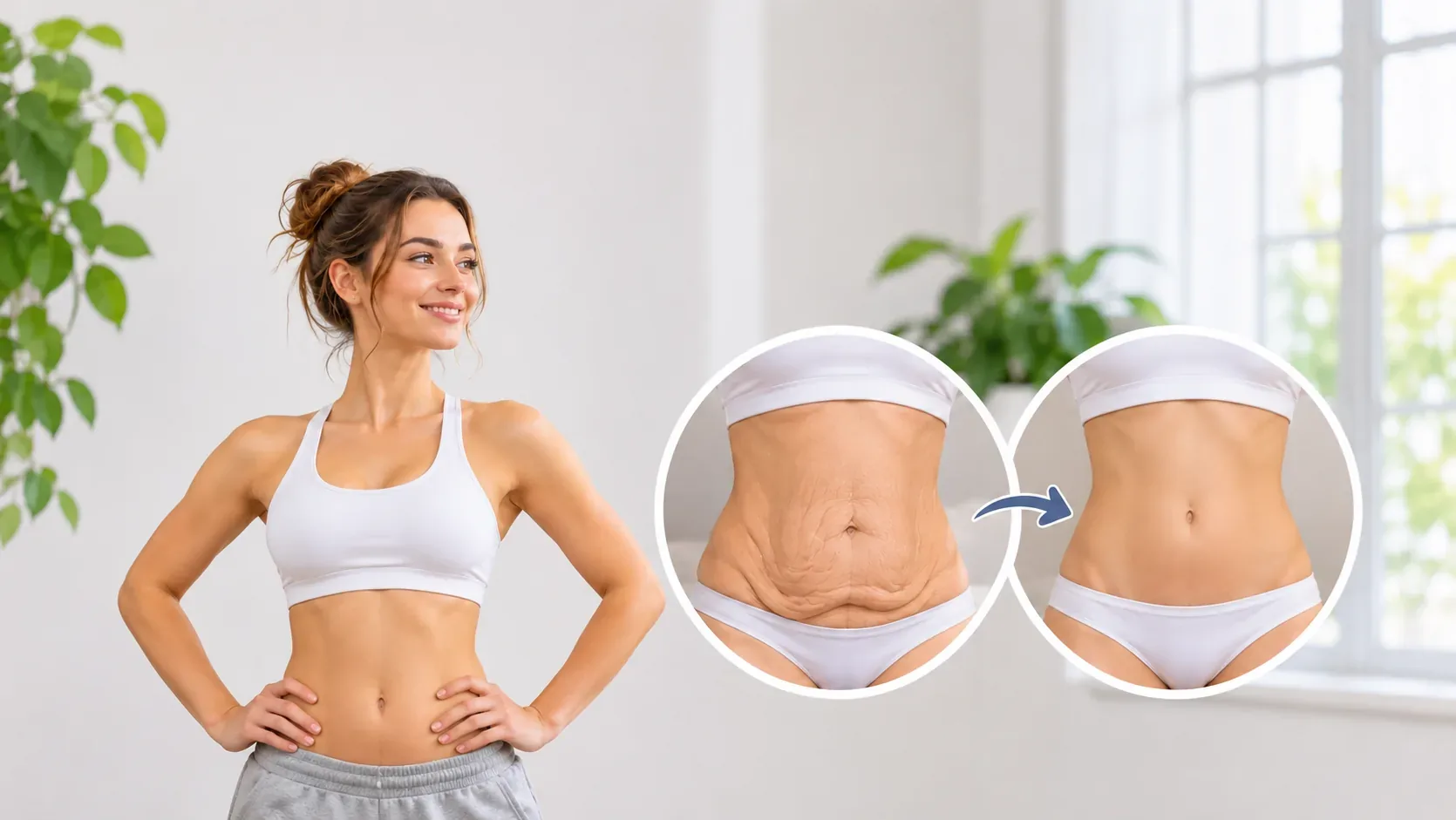


Weight loss after sleeve gastrectomy can bring a number of physical changes with it. As excess weight comes off, loose skin may appear, particularly on the abdomen, arms and legs. Not everyone experiences this to the same degree, but it is one of the problems people who lose a large amount of weight may face. So is loose skin after a gastric sleeve always permanent? Can the skin tighten up on its own? Let's take a closer look at which procedures may be considered when excess skin is significant, and how the right time for surgery is determined.
Why Does Skin Get Left Behind as the Weight Comes Off?
Our skin is able to stretch as we gain and lose weight. However, skin that has been stretched by excess weight for a long time may not always return to its former firmness after major weight loss. Weight loss after sleeve gastrectomy varies from person to person, and the amount and speed of weight loss, age, genetics, skin elasticity and how long a person was previously overweight can all affect how loose skin looks.
This is why not everyone who has a gastric sleeve experiences the same degree of sagging. Some people develop only mild laxity, while others may have significant excess skin.
Does Loose Skin Tighten on Its Own After Sleeve Gastrectomy?
The answer depends on how severe the sagging is. Mild skin laxity may improve somewhat as weight loss slows and the body adjusts to its new weight. However, significant excess skin following major weight loss is generally not expected to disappear completely on its own. Exercise can strengthen the muscles, and a balanced diet with enough protein can support overall health and tissue repair. But these may not be enough to physically remove excess skin. Surgical options may be considered, especially when sagging forms folds on the abdomen or makes daily life difficult.
Which Procedures Can Treat Loose Skin?
The procedures used for significant excess skin are generally referred to as body contouring surgery. The aim of these operations is not weight loss, but removing the excess skin left behind after weight loss and reshaping the body's contours.
1. Tummy Tuck: One of the Most Asked-About Options
After major weight loss, significant loose skin often appears on the abdomen in particular. In this case, a tummy tuck (abdominoplasty) is one of the options that may be considered to remove the excess skin and, where needed, repair the abdominal wall. Depending on the degree of sagging and the person's needs, either a mini or a full tummy tuck may be chosen.
To find out when each technique is preferred, take a look at our article 5 Key Differences Between a Mini and Full Tummy Tuck.
2. Arm Lift: For Excess Skin on the Upper Arms
Sagging on the upper arms after weight loss can become more noticeable, especially when wearing short sleeves. Arm lift surgery (brachioplasty) aims to remove excess skin from the upper arm area. A surgical scar may remain on the inner or back of the arm after the procedure. The length of the scar depends on how much skin needs to be removed.
3. Thigh Lift: Sagging on the Inner Legs
In some people who have lost a large amount of weight, skin folds on the inner thighs can cause chafing, irritation and discomfort when walking. Thigh lift surgery aims to remove the excess skin in this area and refine the contour of the legs.
Surgical planning may vary depending on whether the sagging is limited to the groin area or extends along the length of the thigh.
4. Body Lift: For More Than One Area
If sagging is not limited to the abdomen, more extensive body contouring procedures may be considered.
For example, a lower body lift can address excess skin around the abdomen, waist, buttocks and outer thighs together.
However, more extensive operations can involve a longer recovery and a higher risk of complications. For this reason, some patients prefer to have the procedures performed in separate stages.
How Long Should You Wait Before Loose Skin Surgery?
One of the most common questions among people with loose skin after sleeve gastrectomy is when to have surgery. Body contouring surgery is generally considered once weight loss is largely complete and weight has remained stable for a while. For many patients, this assessment may come up around 12–18 months after sleeve gastrectomy. However, this timeframe is not a hard and fast rule.
The following points are especially important:
- Weight having been stable for a certain period
- Checking for deficiencies in protein, iron and other nutrients
- Overall health being suitable for surgery
- Reviewing smoking and nicotine use
- Having realistic expectations about surgical results
Because some vitamin and mineral deficiencies can develop after a gastric sleeve, assessing nutritional status before planning another operation is particularly important.
So Does All Loose Skin Need Surgery?
No. Not everyone who experiences sagging after a gastric sleeve needs surgery. For some people, mild skin laxity may be purely a cosmetic change. However, if significant skin folds cause recurrent rashes, skin infections, hygiene difficulties or discomfort during movement, a medical assessment becomes important.
When deciding on surgery, not only appearance but also the person's daily life, overall health and the possible risks of the operation should be taken into account. It is also important to know that these operations can leave scars and carry complications such as wound healing problems and infection.
Don't Rush While Getting Used to Your New Body
The changes that follow sleeve gastrectomy usually unfold over a long period. While weight loss is still ongoing, it can be hard to judge how your body will ultimately look.
That's why it is important not to rush decisions about loose skin, to wait for your weight to stabilize and, if needed, to get the opinion of a plastic surgeon. If you're curious about how your diet changes after surgery, you can also check out our guide Eating After Gastric Sleeve: 5 Steps to Adjusting to Your New Stomach.
On MediFinder, you can research your body contouring options by browsing plastic surgery clinics and doctors.
This content has been prepared for general information purposes. Suitability for loose skin surgery and the timing of the operation should be determined by assessing the person's health and weight loss journey.
For more on why skin stays loose and what can help, read Loose Skin After Major Weight Loss.
- Last updated
- Language
- English
How did you find this article?

How do you verify a plastic surgeon's credentials? Before choosing a doctor, learn about specialist certification, surgical experience and the criteria for safe surgery.
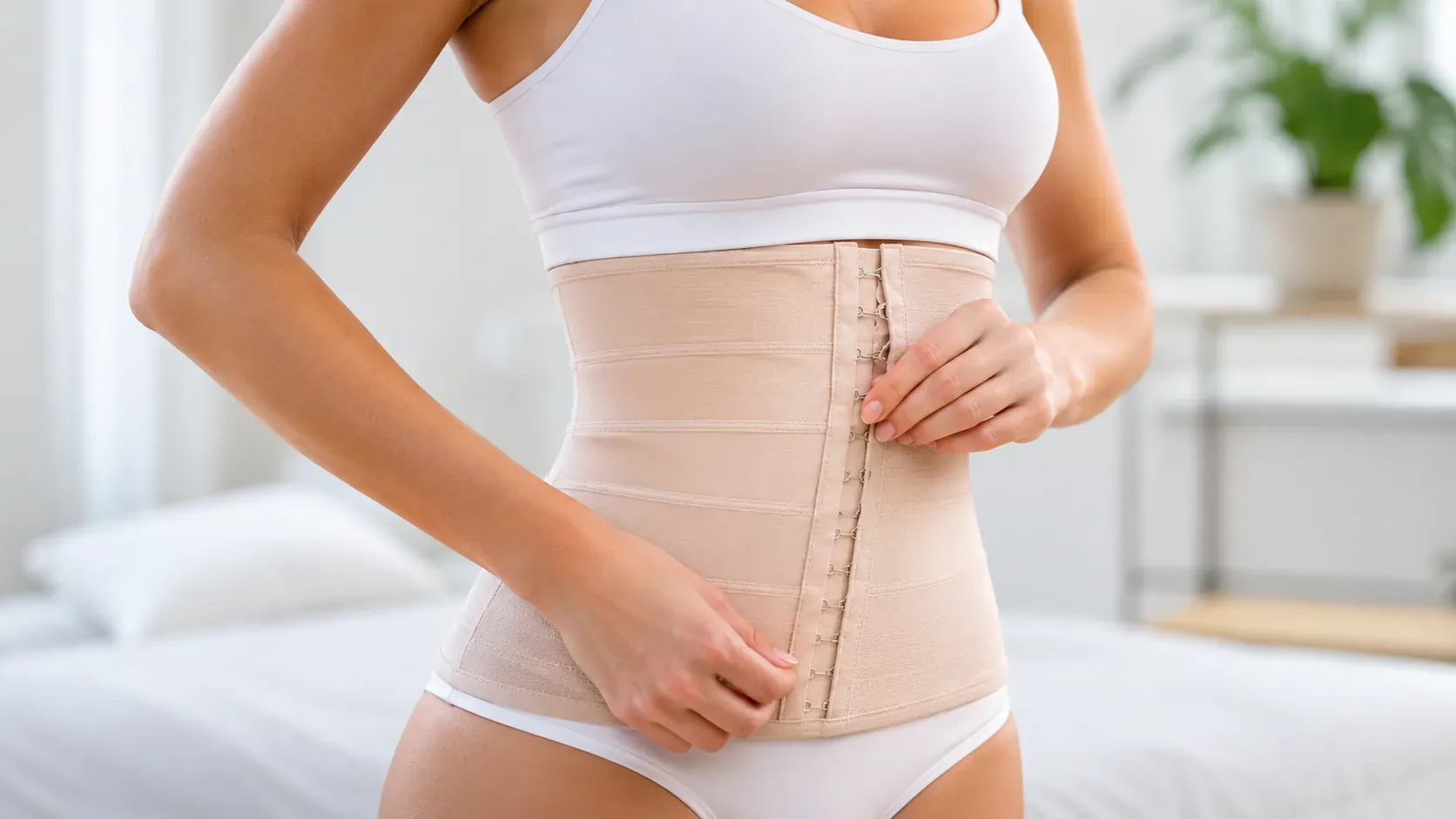
Wearing a compression garment correctly after liposuction matters. We have put together what you need to keep in mind during your recovery after fat removal surgery.

How does recovery progress after a tummy tuck? Find out what to expect in the first days, from wearing a compression garment to getting back to daily life.
Subscribe to the Medifinder newsletter and never miss our latest content.