










Loose Skin After Major Weight Loss
This guide explains loose skin after major weight loss, including why it develops, whether it can tighten naturally, treatment options, body contouring, recovery, scars, and long-term results.

- Last updated
- 42 reads
- 8 min read
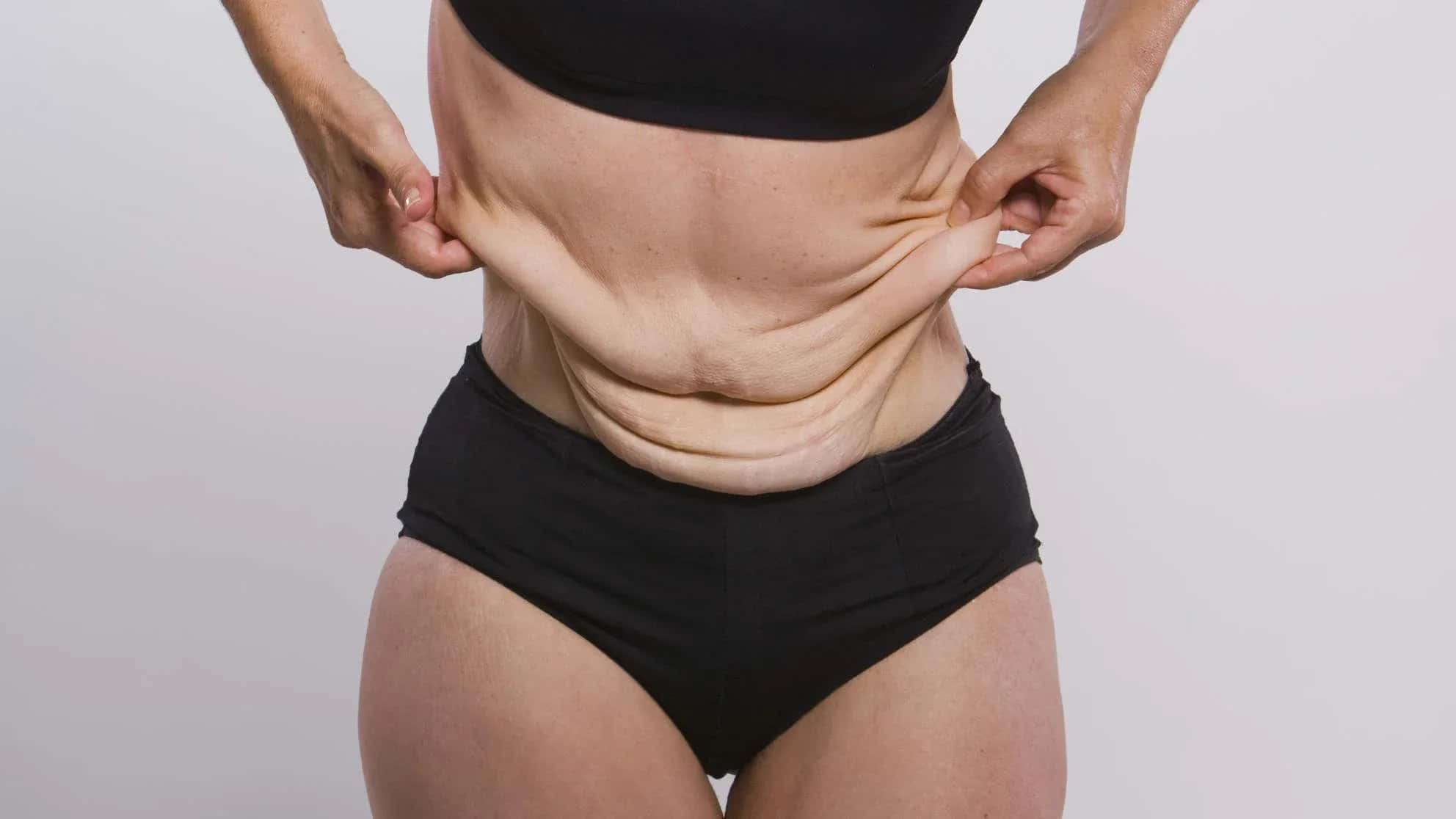


What Is Loose Skin After Major Weight Loss?
Loose skin after major weight loss is stretched skin and soft tissue that cannot fully contract around the body after a substantial reduction in underlying fat.
Skin expands gradually as body size increases. After significant weight loss, the underlying volume decreases much faster than stretched skin can remodel. Some contraction can occur, but larger folds may remain around the abdomen, arms, thighs, breasts, chest, buttocks, or face. The problem can be cosmetic, functional, or both. Significant redundant skin can interfere with clothing, exercise, hygiene, and comfortable movement, particularly when heavy folds develop around the lower abdomen.
Why Does Loose Skin Develop After Major Weight Loss?
Loose skin develops because prolonged stretching and major volume loss can leave the skin unable to contract sufficiently around a substantially smaller body.
Normal skin contains collagen and elastic fibers that provide strength and flexibility. Research examining skin after massive weight loss has identified structural changes in these supporting fibers. When a large amount of subcutaneous fat disappears, the previously expanded skin envelope may remain considerably larger than the tissue underneath it. This effect becomes especially visible after substantial weight reduction following bariatric surgery, medication, or lifestyle treatment. The result is redundant tissue that folds, hangs, or moves independently from the underlying body contour.
What Factors Make Loose Skin More Likely After Weight Loss?
Greater weight loss, prolonged obesity, increasing age, reduced skin elasticity, smoking, and individual tissue characteristics can influence the amount of loose skin that remains.
The relationship is not completely predictable because research has not established one reliable formula for forecasting excess skin. A person who carried substantial excess weight for many years may have more stretched tissue than someone with shorter exposure. Older skin also generally has less capacity to adapt to major volume changes. Recent research involving medically induced weight loss additionally identifies rapid weight reduction, longer obesity history, inadequate protein intake, and reduced skin quality as relevant considerations. Individual outcomes therefore remain highly variable.
Where Is Loose Skin Most Common After Major Weight Loss?
Loose skin after major weight loss most commonly affects the abdomen, upper arms, thighs, breasts or chest, buttocks, back, face, and neck.
The abdomen frequently develops a hanging apron of skin that may extend over the pubic region. Upper-arm tissue can hang below the triceps, while inner-thigh skin may create folds that rub during walking. Breast volume loss can leave flattened or downward-positioned tissue in women. Men can develop loose chest skin as well. Significant weight loss can also reduce facial fat, making skin laxity more visible around the cheeks, jawline, and neck. Multiple areas often require separate treatment strategies.
Can Loose Skin Tighten on Its Own After Weight Loss?
Mild loose skin can tighten gradually after weight loss, but substantial hanging skin after major weight reduction usually does not disappear completely without surgical removal.
Natural contraction can continue after weight stabilizes, particularly when skin laxity is limited. However, skin that has been extensively stretched may have insufficient elasticity to fit the smaller body closely again. Large abdominal folds, significant upper-arm sagging, and major thigh or chest redundancy are particularly unlikely to disappear through waiting alone. This is why body contouring removes tissue rather than attempting to force severely stretched skin to contract. Allowing weight to stabilize first still helps reveal the amount of persistent excess tissue.
Can Exercise Tighten Loose Skin After Major Weight Loss?
Exercise can improve muscle definition and body composition after major weight loss, but it cannot remove a substantial amount of redundant skin.
Strength training can increase underlying muscle volume, which may improve appearance in areas with mild laxity. Regular physical activity also supports weight maintenance after major weight reduction. However, muscle growth cannot shorten a large skin envelope that has lost its ability to contract. Abdominal training therefore cannot remove an overhanging pannus, and arm exercises cannot eliminate extensive hanging upper-arm skin. Exercise remains valuable for fitness and maintaining results, but true excess skin must be distinguished from residual fat that may still respond to body-composition changes.
Can GLP-1 or Bariatric Weight Loss Lead to Loose Skin?
Both GLP-1 treatment and bariatric surgery can be followed by loose skin when they produce substantial weight loss and major reductions in subcutaneous body volume.
Loose skin is therefore not limited to one weight-loss method. Recent research describes redundant skin and soft-tissue changes after medically induced weight reduction as well as bariatric surgery. GLP-1 treatment can produce visible volume loss across the body and face, particularly when weight reduction is substantial. Current evidence does not establish that every person taking these medicines develops significant laxity. The magnitude of weight loss, previous tissue expansion, age, nutrition, and individual skin characteristics remain important.
What Problems Can Loose Skin Cause After Major Weight Loss?
Loose skin can create functional problems when large folds trap moisture, rub against other skin, restrict movement, or make personal hygiene difficult.
-
Recurrent irritation beneath skin folds
-
Rashes caused by moisture and friction
-
Fungal or bacterial skin infections
-
Difficulty keeping folds clean and dry
-
Discomfort during walking or exercise
-
Problems finding comfortably fitting clothing
-
Heavy abdominal tissue interfering with movement
-
Sores where opposing skin surfaces repeatedly rub
-
Difficulty with some daily physical activities
-
Emotional discomfort related to persistent excess tissue
These problems are particularly relevant when redundant skin forms a large abdominal pannus.
When Is Skin Removal Surgery Considered After Weight Loss?
Skin removal surgery is considered when weight has stabilized and persistent excess tissue causes functional problems, substantial discomfort, or unwanted changes in body contour.
Body contouring is not weight-loss surgery. Its purpose is to remove redundant skin and reshape areas that remain after the major weight reduction has already occurred. Suitable candidates are generally healthy, maintain adequate nutrition, do not smoke, and are unlikely to lose substantial additional weight. Multiple areas can require treatment, so procedures may be staged rather than performed during one operation. Nutritional assessment has particular importance because protein, vitamin, mineral, or anemia-related problems can interfere with wound healing.
How Long Should Weight Be Stable Before Body Contouring?
Weight should generally remain stable for at least six months before major body contouring, while some programs prefer stability closer to one year.
After bariatric surgery, reaching the final weight can itself require one to two years. One surgical program recommends at least one year of weight stability before post-weight-loss contouring. Another clinical reference considers six months of steady weight sufficient for selected excess-skin procedures. Continued weight loss after surgery can create new laxity, while substantial weight gain can stretch the remaining tissue again. The appropriate timing therefore begins after the weight-loss phase has largely finished rather than immediately after reaching a temporary low weight.
Which Procedures Remove Loose Skin After Major Weight Loss?
Body contouring procedures remove loose skin from specific anatomical areas, with the operation selected according to the location and direction of the remaining tissue.
Abdominoplasty treats excess abdominal skin and can also tighten weakened abdominal structures. A lower body lift addresses tissue around the abdomen, hips, buttocks, and outer thighs. Brachioplasty removes hanging upper-arm skin, while thigh lift surgery treats redundant thigh tissue. Breast lift surgery repositions sagging breast tissue after volume loss. Men may require chest contouring for loose breast skin. Significant facial and neck laxity can be addressed with facial lifting procedures. Several operations may be performed in stages.
What Is the Difference Between Panniculectomy and Tummy Tuck After Weight Loss?
A panniculectomy removes the hanging lower abdominal apron, while a tummy tuck provides broader abdominal contouring and can also tighten weakened abdominal muscles.
The pannus can hang over the pubic area, hips, or upper thighs after major weight loss. Removing it may improve hygiene, mobility, rashes, and physical comfort. A panniculectomy primarily addresses this overhanging tissue and does not routinely reshape the entire abdomen. Abdominoplasty removes excess abdominal skin while providing more extensive contouring above and below the navel. It can also repair separated or weakened abdominal structures. The two procedures therefore overlap anatomically but have different objectives and surgical scope.
Can Liposuction or Non-Surgical Treatments Remove Loose Skin?
Liposuction removes excess fat rather than substantial loose skin, while non-surgical tightening treatments cannot reproduce the amount of tissue removal achieved with surgery.
Liposuction can improve body contour when residual fat remains beneath reasonably elastic skin. Removing additional fat from already loose tissue can sometimes make laxity more visible rather than correcting it. Energy-based treatments may produce modest tightening in selected cases with mild skin laxity, but they cannot remove a large abdominal apron or extensive folds after massive weight loss. Surgical excision remains the most direct method for significant redundant skin. The distinction between excess fat and excess skin is therefore essential before selecting a body-contouring treatment.
What Are Scars and Recovery Like After Loose Skin Removal?
Loose skin removal produces permanent surgical scars, while initial recovery commonly requires several weeks and final contour maturation can continue for many months.
Scar length depends on how much tissue must be removed. Major weight-loss contouring often requires longer incisions because extensive skin cannot be removed through very small openings. Dressings and temporary drains may be needed, and some patients wear compression garments during recovery. Walking begins early, while heavy lifting and strenuous exercise remain restricted during initial healing. Many patients return to nonphysical work within approximately two to four weeks. Final swelling and scar maturation can continue much longer than the initial recovery period.
What Are the Risks of Body Contouring After Major Weight Loss?
Body contouring after major weight loss carries risks including wound-healing problems, infection, fluid collections, bleeding, blood clots, numbness, skin loss, and unfavorable scars.
Post-weight-loss patients can have additional healing considerations because significant weight reduction may be associated with nutritional deficiencies. Current evidence emphasizes protein, vitamin, and mineral assessment before surgery because inadequate nutrition can compromise tissue repair. Large or combined operations also create longer wounds and greater physiological demands. Procedures may therefore be staged when several body regions require correction. Other possible outcomes include residual laxity, asymmetry, prolonged swelling, contour irregularity, and the need for revision surgery.
Can Loose Skin Return After Body Contouring Surgery?
Removed skin does not grow back, but substantial future weight changes, pregnancy, and normal aging can create renewed laxity in the remaining tissues.
Body contouring results are generally long-lasting when body weight remains relatively stable. Significant weight gain can stretch remaining skin, while another major weight loss can create additional redundancy. Aging also gradually reduces tissue firmness even when weight remains unchanged. This is why contouring is usually postponed until active weight loss has finished and long-term weight maintenance appears realistic. Some patients require revision procedures because extensive post-weight-loss anatomy cannot always be fully corrected during a single operation. Maintaining stable weight helps preserve the original improvement.
- Last updated
- Language
- English
How did you find this article?

Subscribe to the Medifinder newsletter and never miss our latest content.