









Laser Hair Removal
Laser hair removal is a permanent method in which concentrated light pulses are applied to hair follicles to remove unwanted hair. Click for more information.

- Last updated
- 171 reads
- 5 min read


Laser Hair Removal Guide and All the Details You Need to Know
Getting rid of unwanted hair is one of the basic aesthetic needs many people encounter in daily life. Traditional hair removal methods usually offer temporary solutions and cause significant time loss. Thanks to advancing technology, laser hair removal has become a highly effective alternative for those seeking long lasting smoothness. This system, based on the principle of targeting hair follicles with light energy, is widely preferred. Applications performed with parameters suitable for the skin structure support successful results. The main purpose of the procedure is to destroy hair follicles through heat and stop new hair production. After regular sessions, a noticeable reduction and thinning of hair is expected. This technological method greatly reduces the time spent on personal care routines and improves daily comfort.
What Is Laser Hair Removal?
Laser hair removal is a permanent method in which concentrated light pulses are applied to hair follicles to remove unwanted hair.
During this procedure, the emitted beams are absorbed by the melanin pigment in the hair follicle. This energy, converted into heat, damages the root structure that produces hair and prevents regrowth. The procedure is performed by selecting devices suitable for the person’s skin structure and hair color.
Laser Hair Removal Device Technology
The technology of laser hair removal devices is based on targeting the melanin pigment in hair follicles and destroying it through heat. Alexandrite, Diode, and Nd:YAG systems used today adapt to different skin types. The emitted light beam is absorbed by the hair follicle and disrupts its structural integrity. In this way, only the targeted hair follicles are affected without damaging surrounding tissues. The wavelengths of the devices can be specially adjusted according to the person’s skin tone and hair structure.
Laser Hair Removal Devices and Their Features
The most commonly used laser hair removal devices today are Alexandrite, Diode, Nd:YAG, and IPL systems. Each may provide effective results for different skin and hair types.
The table below shows laser hair removal devices and their features:
| Device Type | Features | Suitable Skin Types | Advantages |
|---|---|---|---|
| Alexandrite Laser | Works with a 755 nm wavelength | Light skin, dark hair structure | May provide fast results and effective hair reduction |
| Diode Laser | May affect deeper hair follicles | Light and wheat toned skin | May be effective on thick hair |
| Nd:YAG Laser | Has a 1064 nm wavelength | Darker skin types | May offer safer use for deep rooted hair |
| IPL (Intense Pulsed Light) | Not a laser; it is intense light technology | Light skin types | May provide economical application on large areas |
| Soprano Ice | Advanced diode laser technology | Different skin types | May offer a more comfortable and cooled application |
Factors affecting laser device selection include:
- Skin color
- Hair thickness
- Hair color
- Treatment area
- Sensitivity level
For example, Alexandrite laser is often preferred for light skin and dark hair, while Nd:YAG laser may be a safer option for darker skin tones.
Alexandrite Laser Hair Removal
Alexandrite laser hair removal is a laser method used for hair reduction in people with light skin and dark hair.
This system, which works at a 755 nanometer wavelength, targets the melanin pigment in the hair follicle. Since it is strongly absorbed by melanin, it may provide effective results on dark hair. However, in tanned or darker skin, superficial pigment may also absorb laser energy. If inappropriate settings are used, this may increase the risk of spots or burns. Therefore, Alexandrite laser hair removal should be applied after evaluating skin type and hair structure.
Diode Laser Hair Removal
Diode laser hair removal is a method that targets hair follicles and helps achieve long term reduction of unwanted hair.
Diode laser, which generally works in the 800 to 810 nanometer range, may reach deeper layers of the skin. This feature may contribute to targeting thick and dark hair. Compared with Alexandrite laser, it may offer more flexible application options for different skin types. However, effective and safe results depend on choosing the correct energy settings. Therefore, Diode laser hair removal should be planned according to the person’s skin tone and hair density.
Nd:YAG Laser Hair Removal
Nd:YAG laser hair removal is a laser method that may be preferred especially for hair reduction in people with darker skin tones.
The 1064 nanometer wavelength is absorbed less by melanin on the skin surface. This allows laser energy to be directed more safely toward hair follicles in darker skin. This feature may help reduce the risk of pigmentation changes and burns. However, some individuals may need more sessions to achieve the desired result. Nd:YAG laser hair removal selection should be made after evaluating skin tone and hair characteristics.
Ice Laser Hair Removal
Ice laser hair removal is a diode based laser hair removal application that supports skin comfort with cooling technology.
During the procedure, the cooled handpiece helps protect the skin surface and reduce the sensation of heat. Some systems use a moving application technique to gradually heat the hair follicle. This method aims to offer a more comfortable treatment experience on larger areas. The term “ice laser” does not guarantee the same technical features for every device. Therefore, the technology of the device used and its suitability for the person should be evaluated.
What Does Laser Hair Removal Do?
In general, laser hair removal is a procedure that targets hair follicles with light energy to reduce unwanted hair growth over the long term.
The applied laser light is absorbed by the pigment in the hair and creates a heat effect in the follicle. This effect slows hair regrowth and helps it appear sparser over time. After multiple sessions, a noticeable and long term reduction in hair in the treatment area may be achieved. Hair that grows back is usually thinner, lighter in color, and less dense. Results may vary from person to person depending on hair structure and the characteristics of the treatment area.
How Is Laser Hair Removal Applied?
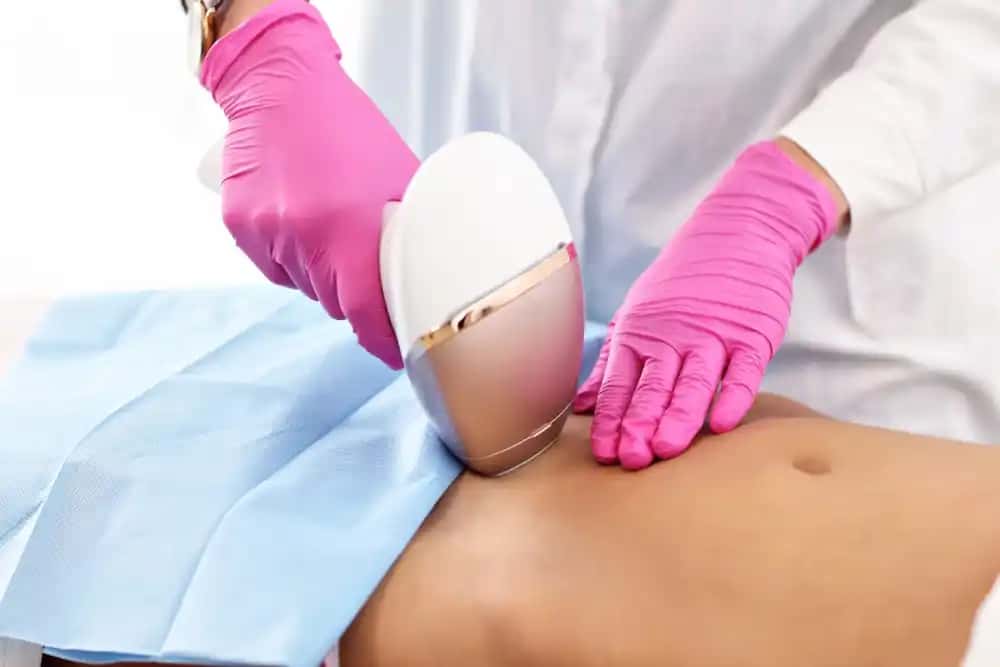
Before the procedure, the treatment area is cleaned and the hair is usually prepared to be short. Then, a laser device suitable for the person’s skin type and hair structure is selected. During laser shots, controlled energy is delivered to the skin surface.
The laser hair removal application process generally consists of the following stages:
- Skin analysis
- Cleaning the area
- Applying protective gel if needed
- Performing shots with the laser device
- Soothing the skin after the procedure
- Last updated
- Language
- English
How did you find this article?
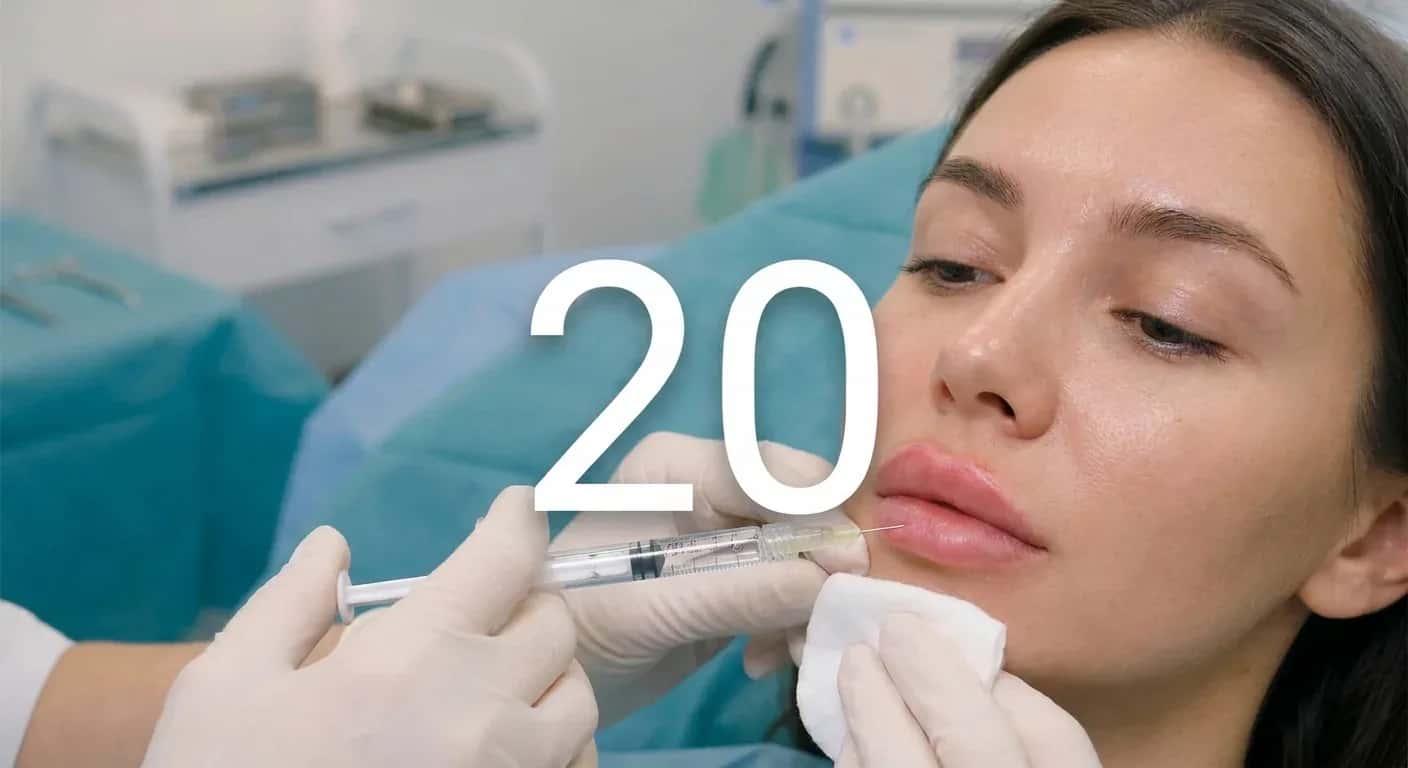
Many singers, actors, reality stars and influencers have talked openly about getting lip filler, and a growing number have also shared why they later had it dissolved. This guide looks at what 20 of these public figures said about their own lip treatments and what their experiences can teach anyone considering filler.

Filler fatigue describes the point where repeated dermal filler treatments leave a face looking heavier, puffier or less like itself, and it is pushing many people to rethink how they approach injectables. This guide explains what causes it, how to recognize an overfilled face.

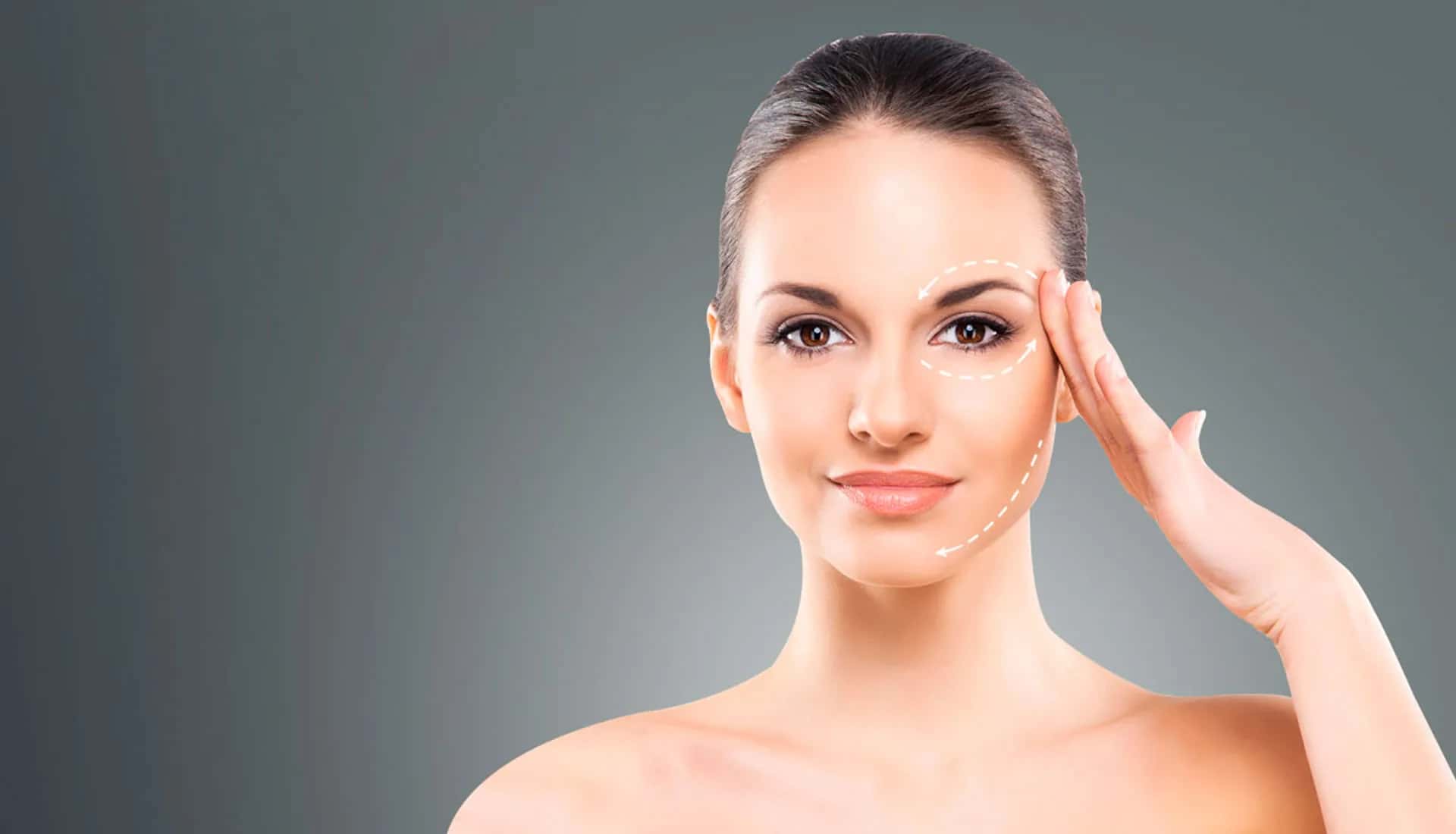
Overfilled faces develop when injectable treatments add more volume than the facial anatomy can accommodate naturally, altering contours, proportions and sometimes facial expression.
Subscribe to the Medifinder newsletter and never miss our latest content.