










How to Avoid the Duck Lip Look After Lip Filler?
Learn how to prevent the duck lip look after lip filler through conservative treatment, balanced proportions, suitable product selection and careful injector choice.

- Last updated
- 572 reads
- 10 min read


Lip filler can improve definition, replace lost volume and create a more balanced relationship between the lips and the rest of the face. When treatment is planned carefully, the result may be so subtle that other people notice only that you look refreshed. When too much volume is added or the filler is placed without respecting natural anatomy, however, the upper lip can project forward and create the appearance commonly described as “duck lips.”
This result is not always caused by the filler itself. The amount used, where it is placed, the technique, previous treatments and your natural lip structure all influence the outcome. Temporary swelling can also make the lips look unusually prominent during the first few days, so the immediate appearance should not automatically be treated as the final result.
Avoiding an artificial look begins before the injection. You need a realistic treatment plan, a qualified medical practitioner and a clear understanding of what filler can and cannot change. A conservative approach usually creates a more natural result than trying to reach your ideal size in one appointment.
What Does the Duck Lip Look Mean?
The term “duck lips” usually describes lips that project too far forward, particularly in profile. The upper lip may appear heavy, shelf-like or separate from the surrounding facial features. In some cases, filler creates fullness above the natural lip border, producing a ridge between the upper lip and nose.
An unnatural result may also include:
- Excessive upper-lip volume
- Loss of a clear Cupid’s bow
- Fullness extending beyond the lip border
- A swollen-looking area above the upper lip
- Poor balance between the upper and lower lips
- Lumps, irregularities or visible filler deposits
- Lips that look disproportionate to the chin and nose
Not every full lip has a duck-like appearance. Some people naturally have greater projection or a larger upper lip. The important question is whether the new volume suits your original anatomy and remains balanced with the rest of your face.
Choose a Practitioner Who Understands Facial Proportion
The person performing the treatment has a major influence on the result. Lip filler is a medical procedure, not simply a beauty service. It requires knowledge of facial anatomy, blood vessels, tissue depth, filler behaviour and the management of complications.
A skilled practitioner should examine your lips while your face is relaxed, while you smile and while you speak. The lips are dynamic structures, so a plan based only on one front-facing photograph is incomplete.
Your profile also needs to be assessed. The relationship between your lips, chin and nose determines how much projection appears natural. Adding volume to lips that already project strongly may create imbalance even when only a modest quantity of filler is used.
Ask who will perform the injections, what qualifications that person holds and how frequently they treat lips. You should also ask how the clinic handles urgent complications. Dermal fillers should be administered by an appropriately licensed healthcare professional using authorised injectable products rather than devices sold for home or salon use.
Begin with a Conservative Amount
One of the most reliable ways to avoid overfilled lips is to build volume gradually. Your lips have a limited capacity, and adding more product does not always make them look better. Once that capacity is exceeded, filler may create excessive projection, blur the border or spread into the tissues above the lip.
There is no single ideal amount for every patient. The correct quantity depends on your lip size, tissue flexibility, age, previous filler and treatment goal. A person with naturally thin lips may require a different plan from someone seeking to replace subtle age-related volume loss.
A conservative first session allows you to see how your lips respond after swelling settles. More product can be considered later if necessary. Removing an excessive amount is usually more complicated than adding a small amount during a carefully planned review appointment.
You should be cautious if you are encouraged to purchase a large volume before your lips have been properly assessed. Treatment should be based on anatomy and need rather than package size.
Avoid Trying to Copy Another Person’s Lips
Reference photographs can help you explain the style you like, but they should not be treated as exact templates. Lip shape is influenced by the teeth, jaw, skin, muscle activity, philtrum length and underlying bone structure.
A pronounced Cupid’s bow may look harmonious on one person and overly sharp on another. A strongly lifted upper lip may suit a short distance between the nose and mouth but appear unnatural when that distance is already long.
Celebrity and social-media photographs can also be misleading. Makeup, filters, lighting and camera angles may change apparent volume. Some images show lips immediately after treatment, when swelling exaggerates the result.
Your goal should be to improve your own lip shape rather than reproduce someone else’s anatomy. Natural-looking lip filler preserves individual features instead of replacing them with a standard design.
Maintain Balance Between the Upper and Lower Lips
The upper and lower lips should be considered together. Increasing only one area can disturb their natural relationship.
Duck lips are often associated with an upper lip that has become excessively large or projected. This can happen when the injector repeatedly adds filler to the upper border in an attempt to create height or definition.
There is no universal mathematical ratio that suits every face. Your natural proportions, ethnicity, age and personal features should guide treatment. Some people naturally have similar upper and lower lip volume, while others have a fuller lower lip.
The aim is not to force everyone into the same ratio. The aim is to prevent one lip from appearing disconnected from the rest of the face. A good assessment should include front, profile and three-quarter views before any injections are performed.
Preserve the Natural Lip Border
The border between the red lip and surrounding skin helps define shape. Filler can enhance this line, but excessive treatment may produce a rigid, rolled or shelf-like appearance.
The upper lip deserves particular care. Repeated placement along the border may push tissue outward instead of creating soft vertical height. Fullness may then become visible above the lip, sometimes described as a filler moustache.
Natural lip contours should remain recognisable after treatment. The Cupid’s bow, central tubercles and corners of the mouth should not disappear beneath uniform volume.
Not every part of the lip needs equal filling. In many cases, selective treatment produces a more refined result than spreading the same amount across the entire lip.
Select a Product Suitable for the Lips
Dermal fillers have different physical characteristics. Some are soft and flexible, while others are designed to provide stronger structure and projection. A product that works well in the chin or cheek may not create the desired movement in the lips.
Hyaluronic acid fillers are commonly chosen because they can provide temporary volume and, when medically appropriate, may be broken down with hyaluronidase. Even within this category, products differ in firmness, flexibility, water absorption and intended use.
The practitioner should select a filler that suits the treatment goal. Soft enhancement, border definition and structural correction may require different approaches.
You should know the exact product being used. The packaging should be genuine, sealed and intended for the proposed treatment area. Do not agree to injections with an unidentified or unlabelled substance. Approved filler products have specific indications, and product authenticity and correct professional use are essential safety considerations.
Tell the Practitioner About Previous Filler
Old filler may still be present even when the lips appear to have lost volume. Repeatedly adding more without assessing the existing product can lead to gradual overfilling.
Previous treatment may also have changed the tissue or created small irregularities. If filler has moved beyond the natural lip border, adding another layer may make the problem more visible.
Tell the practitioner when your last treatment was performed, which product was used and whether you have ever had filler dissolved. Photographs taken before earlier treatments may be helpful.
In some cases, the safest plan may be to delay further injections. If significant migration, persistent lumps or excessive volume is present, correction may need to be discussed before new filler is added.
Do Not Judge the Result Immediately
Lips commonly swell after injections. Swelling may make the upper lip appear larger, firmer or more projected than expected. Bruising and temporary asymmetry can also occur during the early healing period.
The appearance immediately after treatment is therefore not the final result. One side may swell more than the other, and the lip border may look unusually prominent during the first few days.
You should follow the clinic’s review schedule and allow the tissues to settle before deciding that the lips have been overfilled. Pressing, repeatedly checking or trying to reshape them can increase irritation.
However, not every change should be dismissed as normal swelling. Severe pain, unusual skin colour or rapidly worsening symptoms require immediate professional advice rather than waiting for a routine follow-up.
Follow Aftercare Instructions Carefully
Aftercare cannot correct poor injection placement, but it can reduce unnecessary irritation during recovery. Follow the instructions given by your practitioner rather than using advice from social media.
Avoid pressing or massaging the lips unless you have specifically been told to do so. Some treatments may require limited massage, while others should be left undisturbed. The correct advice depends on the product, technique and reason for treatment.
You may be advised to avoid strenuous exercise, significant heat and alcohol for a short period because these can worsen bruising or swelling. Keep the lips clean and avoid applying unapproved products to injection points.
Do not use ice directly on the skin. A cool compress may be recommended, but it should be wrapped and applied without heavy pressure.
Never Use Needle-Free Filler Devices
Needle-free filler pens use pressure to force material into the tissues. They do not offer the same control over placement depth and location as treatment performed with an appropriate needle or cannula.
These devices may be sold online for home use or offered in non-medical settings. Their availability does not make them safe. High-pressure delivery can cause tissue injury, infection, lumps and blood-vessel blockage.
You should not purchase filler products for self-injection or allow an unqualified person to use a needle-free device on your lips. Serious and sometimes permanent injuries have been associated with these methods.
Understand the Difference Between Swelling and Overfilling
Temporary swelling usually develops soon after treatment and gradually improves. It may feel tight or tender and can be uneven.
Overfilling remains after the expected healing period. The lips may continue to look heavy, project too far forward or show fullness outside the natural border. You may notice that the mouth looks unnatural when speaking, smiling or viewed from the side.
Migration may create a ridge above the lip or blur the definition of the border. Lumps can also result from product placement, swelling, inflammation or other complications, so they should be assessed rather than diagnosed through photographs alone.
A qualified practitioner can examine the area and decide whether more healing time, observation, correction or dissolution is appropriate.
Can Duck Lips Be Corrected?
The correct approach depends on the cause. If the appearance is due to early swelling, allowing the lips to settle may be all that is needed.
When excessive hyaluronic acid filler is responsible, a practitioner may discuss dissolving part or all of the product with hyaluronidase. This should not be treated as a casual procedure. Dissolution can be uneven, may require more than one session and can cause swelling or allergic reactions.
Sometimes only a small area needs correction. In other cases, the most predictable approach may involve dissolving the existing filler, allowing the tissues to recover and designing a new treatment later.
Do not try to break down filler by aggressively massaging it at home. You may worsen swelling, irritate the tissue or move the product unpredictably.
Permanent and non-hyaluronic acid fillers require different management and may be much harder to remove. This is another reason to know exactly what is being injected before treatment.
Recognise Urgent Warning Signs
Vascular occlusion is a rare but serious filler complication that occurs when blood flow is blocked by injected material or pressure around a vessel. It requires urgent treatment.
Contact the practitioner immediately if you experience severe or increasing pain, pale or mottled skin, grey or bluish discolouration, unusual coolness or blistering. Visual disturbance, severe headache or neurological symptoms require emergency assessment.
Do not wait for the next day to see whether these symptoms improve. Early action may reduce the risk of tissue damage. Blood-vessel blockage is an uncommon but recognised complication of lip and facial fillers.
Questions to Ask Before Lip Filler
A proper consultation should give you enough information to make an informed decision. Ask what product will be used, why it suits your lips and how much treatment is being proposed.
You should also learn:
- Who will perform the procedure
- Whether the product is authorised for lip use
- What natural result is realistic for your anatomy
- How existing filler will be assessed
- What complications may occur
- How the clinic manages vascular occlusion
- When your result will be reviewed
- What options exist if you dislike the outcome
Be cautious when your concerns are dismissed or you are pressured to receive more filler than you requested. A responsible practitioner should be willing to recommend less product or no treatment when appropriate.
- Last updated
- Language
- English
How did you find this article?
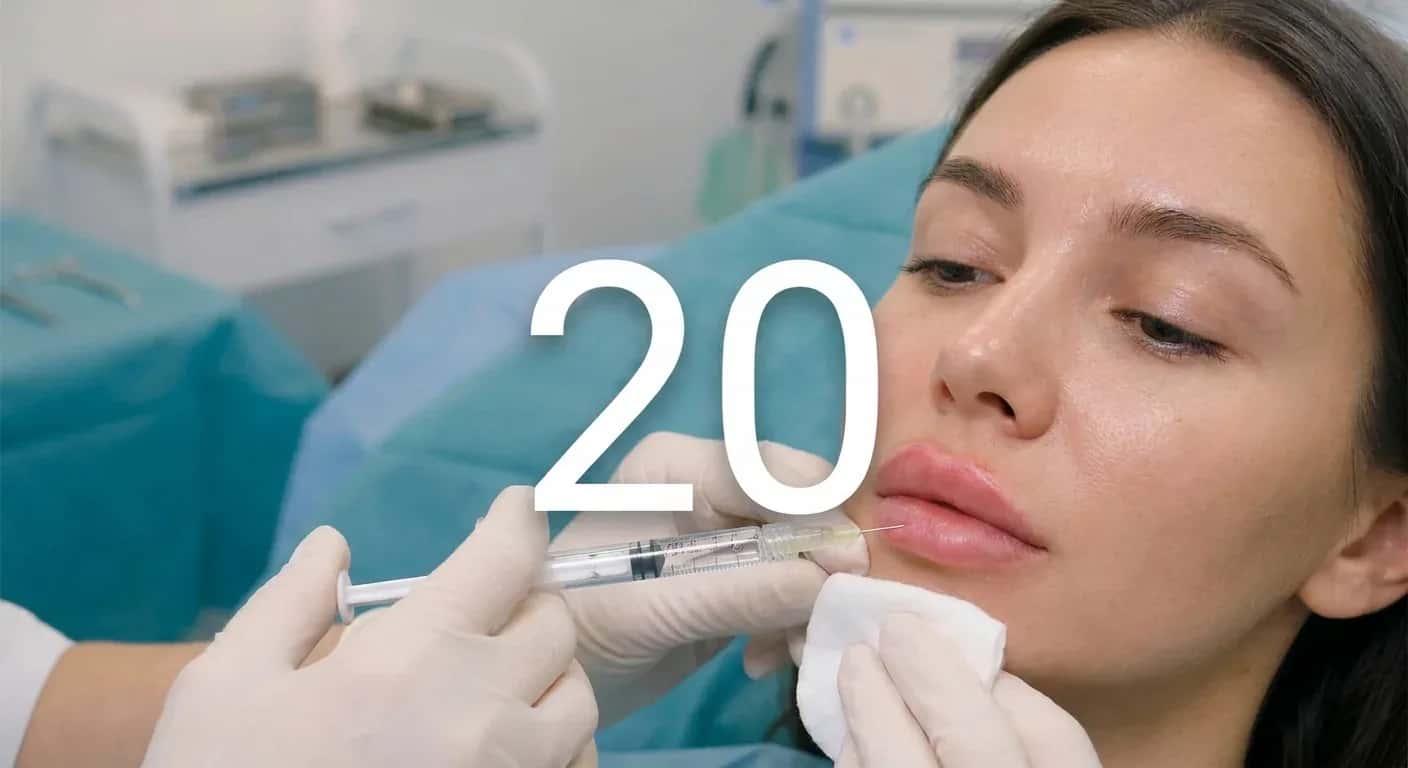
Many singers, actors, reality stars and influencers have talked openly about getting lip filler, and a growing number have also shared why they later had it dissolved. This guide looks at what 20 of these public figures said about their own lip treatments and what their experiences can teach anyone considering filler.

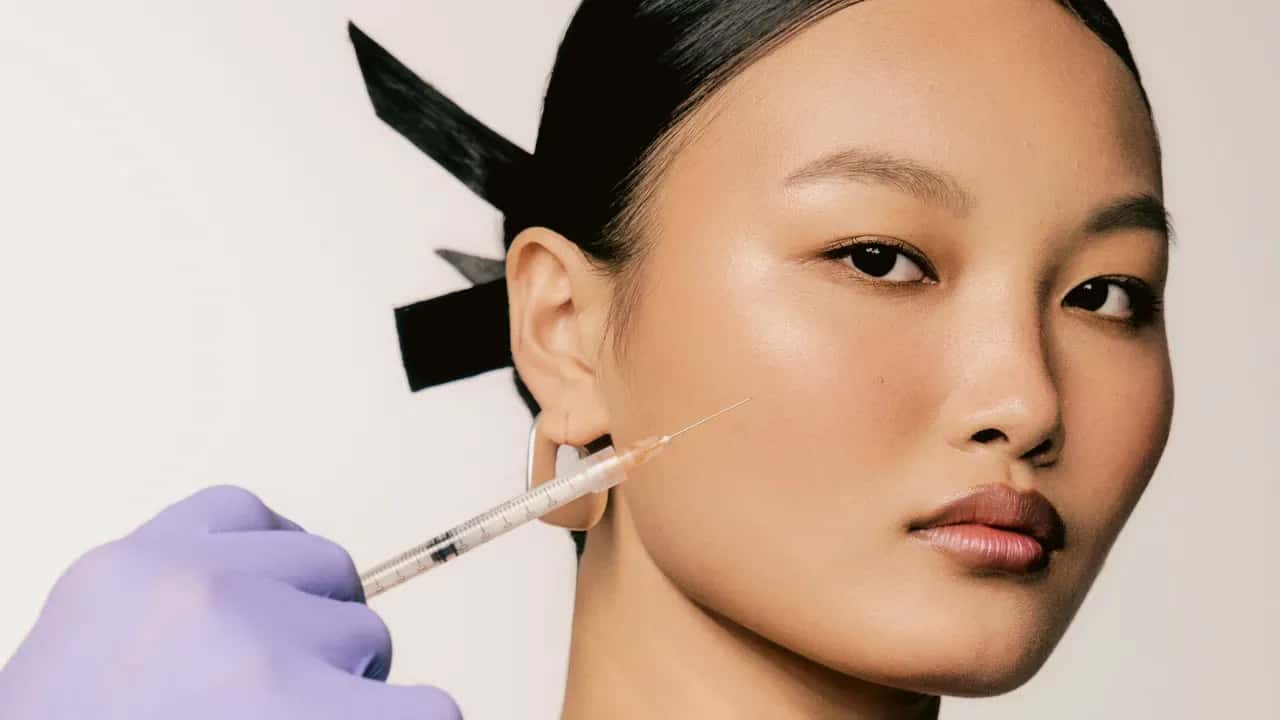
Filler fatigue describes the point where repeated dermal filler treatments leave a face looking heavier, puffier or less like itself, and it is pushing many people to rethink how they approach injectables. This guide explains what causes it, how to recognize an overfilled face.

Overfilled faces develop when injectable treatments add more volume than the facial anatomy can accommodate naturally, altering contours, proportions and sometimes facial expression.
Subscribe to the Medifinder newsletter and never miss our latest content.