










How Long Does It Take for Lip Filler to Settle?
The complete settling process for hyaluronic acid lip fillers generally takes between two to four weeks. Click and get more information.

- Last updated
- 243 reads
- 9 min read


The complete settling process for hyaluronic acid lip fillers generally takes between two to four weeks. While acute swelling and initial bruising typically peak within the first 48 to 72 hours and subside significantly by the end of the first week, the dermal filler material requires up to 30 days to fully integrate with the natural lip tissue, attract moisture, and soften into its final contour. During this structural integration phase, temporary firmness or minor unevenness may occur, which usually resolves independently as the tissue heals.
Aesthetic enhancements involving hyaluronic acid dermal fillers have become highly popular for adding volume, defining borders, and correcting asymmetry in the lips. However, the results visible immediately after the procedure do not represent the final outcome. The biological response to the injection process, combined with the chemical properties of the filler material, creates a temporary state of swelling and distortion. Understanding the precise physiological timeline of how dermal fillers settle is an essential part of the aesthetic journey, helping individuals manage their expectations and avoid unnecessary anxiety during the initial recovery phase.
The healing process is dynamic and varies based on individual biological factors, the specific volume injected, and the formulation of the product used. This comprehensive guide details the day-by-day recovery timeline, the biological mechanisms behind tissue swelling, actionable aftercare protocols to minimize downtime, and the signs that indicate a normal, healthy integration process.
The Biological Mechanics: Why Do Lips Swell After Filler?
To understand the settling timeline, it is important to first comprehend why swelling occurs so predictably. The swelling associated with lip augmentation is a combination of mechanical trauma and the unique properties of the injected material.
Firstly, the lips are a highly vascular area, containing a dense network of blood vessels and sensitive nerve endings. The mechanical action of a needle or cannula passing through this delicate tissue triggers a natural inflammatory cascade. The body responds to this perceived micro-trauma by sending increased blood flow and white blood cells to the area, resulting in vasodilation (widening of the blood vessels) and subsequent fluid retention (edema).
Secondly, the vast majority of modern dermal fillers are composed of hyaluronic acid (HA). Hyaluronic acid is a hydrophilic (water-loving) molecule. Once introduced into the biological tissue, it immediately begins to attract and bind to water molecules from the surrounding area. This water-binding property is what gives the lips a hydrated, plump appearance, but in the first few days, it also contributes significantly to exaggerated swelling. The material needs time to distribute the retained water evenly and soften into the muscle layer of the lips.
The Day-by-Day Lip Filler Recovery Timeline
The integration of dermal fillers is not an overnight occurrence. The visible appearance of the lips will fluctuate significantly over the course of a month. Below is a detailed breakdown of what is typically experienced during the standard recovery timeline.
Days 1 to 3: The Acute Inflammatory Phase
The first 72 hours following the procedure represent the peak of the inflammatory response. During this window, the lips will look considerably larger than the intended final result. The skin may feel tight, sensitive, and highly stretched. Bruising is extremely common during this phase, presenting as dark purple or red localized spots, particularly near the injection points.
Individuals frequently experience minor asymmetries during these first few days. One side of the upper or lower lip may swell more aggressively than the other due to uneven fluid accumulation or a localized bruise forming beneath the surface. This acute unevenness is a standard biological reaction and is rarely an indication of how the final volume will be distributed.
Days 4 to 7: The Subsiding Phase
As the first week progresses, the acute trauma response begins to downregulate. The intense, tight swelling will gradually dissipate, and the dark bruising will begin to transition into lighter shades of yellow or green as the body metabolizes the trapped blood. By the end of the seventh day, approximately 70% to 80% of the procedural swelling has usually resolved. The lips will start to look much closer to their intended size, although the material inside may still feel somewhat firm or stiff when pressed or when the individual is speaking and eating.
Week 2: The Softening Phase
During the second week, the physical sensation of the lips begins to change. The hyaluronic acid gel is actively integrating with the natural cellular matrix of the lip tissue. Any residual bruising generally fades completely during this time. The lips will feel significantly softer and more natural, losing the stiff, "overfilled" sensation characteristic of the first week. Small, firm areas may still be palpable to the touch, but they should not be visible to the naked eye.
Weeks 3 to 4: The Final Integration Phase
By the time the individual reaches the third and fourth weeks, the settling process is largely complete. The hyaluronic acid has finished attracting moisture and has fully merged with the surrounding tissue. The lips should now feel entirely natural, moving fluidly with facial expressions. The volume visible at the four-week mark represents the final, stable outcome of the procedure. If any adjustments or additional volume are desired, care providers generally require individuals to wait until this 30-day period has concluded to ensure the baseline is accurate.
Key Variables That Influence the Settling Duration
While the standard timeline applies to the majority of individuals, several variables can either accelerate or prolong the settling process.
- Filler Formulation and Density: Hyaluronic acid fillers are manufactured with varying degrees of "cross-linking," which dictates the thickness and structural integrity of the gel. Thinner, highly flexible formulations designed for subtle hydration tend to settle and soften faster. Conversely, thicker, more robust formulations designed to build significant structural volume or define the vermilion border take a longer time to integrate fully with the surrounding tissue.
- Volume of Material Injected: The amount of filler introduced plays a direct role in the duration of the swelling phase. Injecting a full milliliter (1.0 ml) or more into the lips causes greater tissue expansion and a more intense inflammatory response compared to a conservative application of 0.5 ml.
- Application Technique: The use of a blunt-tipped micro-cannula often results in less tissue trauma and fewer disrupted blood vessels compared to multiple passes with a sharp needle. Consequently, procedures utilizing a cannula may present with reduced initial bruising and a slightly faster reduction in acute swelling.
- Individual Metabolic Rate: Every biological system reacts differently to inflammation. Individuals with highly active lymphatic systems may clear post-procedural edema in a matter of days, while others may naturally retain fluid for a longer duration due to sluggish lymphatic drainage or a high-sodium diet.
Effective Aftercare Protocols to Optimize Settling
The actions taken in the immediate aftermath of the procedure significantly influence the intensity of the swelling and the speed of the recovery. Adhering strictly to established aftercare guidelines minimizes complications and supports optimal tissue healing.
Immediate Temperature Management
Applying cold therapy is highly effective during the first 48 hours. A cold compress or an ice pack wrapped in a clean cloth should be applied to the lips for 10 to 15 minutes at a time, followed by a 20-minute break. The cold temperature induces localized vasoconstriction, narrowing the blood vessels and limiting the amount of inflammatory fluid and blood that can pool in the tissue. Direct application of ice to the skin must be avoided to prevent frostbite.
Dietary and Hydration Adjustments
Because hyaluronic acid relies on water to plump and settle smoothly, maintaining high systemic hydration by drinking ample water is highly recommended. Conversely, the intake of sodium (salt) should be strictly limited during the first week. High-sodium diets force the body to retain excess water systemically, which will disproportionately accumulate in the healing lip tissue, prolonging the swelling phase.
Avoiding Heat and Vasodilators
For the first 48 to 72 hours, any activity or substance that increases blood flow to the face must be avoided. This includes intense cardiovascular exercise, heavy weightlifting, sitting in saunas or hot tubs, and taking hot showers. Additionally, the consumption of alcohol should be halted. Alcohol acts as a strong vasodilator, expanding the blood vessels and significantly increasing the risk of delayed bruising and exaggerated swelling.
Minimizing Mechanical Pressure
The filler material remains somewhat malleable during the first few days. Applying undue mechanical pressure can theoretically shift the product before it has integrated. Individuals are advised to avoid sleeping face-down, to refrain from aggressive kissing, and to avoid drinking from straws. The pursing motion required to use a straw forces the perioral muscles to contract tightly around the fresh filler, which can cause discomfort and disrupt the settling process.
Distinguishing Normal Healing from Atypical Reactions
Monitoring the healing process involves recognizing the difference between standard inflammatory responses and symptoms that indicate a potential biological complication.
| Symptom | Normal Integration Response | Atypical Response (Requires Evaluation) |
|---|---|---|
| Color Changes | Localized red, purple, or yellowish bruising near the injection sites that gradually fades over a week. | Severe, spreading whiteness (blanching) of the lip or surrounding skin, or a dark, dusky, greyish discoloration indicating compromised blood flow. |
| Pain and Sensitivity | Mild to moderate tenderness when the lips are pressed, stretched, or during eating, resolving in a few days. | Intense, escalating, or unbearable pain that does not respond to standard over-the-counter analgesics, often radiating beyond the lips. |
| Swelling Pattern | Significant symmetrical or slightly asymmetrical swelling that peaks at 48 hours and then steadily decreases. | Swelling that rapidly increases after the third day, accompanied by severe redness, intense heat radiating from the skin, or visible pus. |
| Texture | Firmness or small, palpable bumps under the mucosa that are not visible to the eye and soften over 2 to 4 weeks. | Large, highly visible, hard nodules that persist beyond 4 weeks, or small painful blisters resembling cold sores forming on the surface. |
If any atypical responses occur, particularly signs of vascular compromise (severe blanching or agonizing pain), it is critical to seek immediate evaluation from the primary care provider or the facility where the procedure was performed. Hyaluronic acid can be quickly dissolved using an enzyme called hyaluronidase in the event of an adverse biological reaction.
Frequently Asked Questions About the Settling Process
Will massaging my lips help the filler settle faster?
Individuals should generally avoid massaging their own lips unless explicitly instructed to do so by their aesthetic provider. While targeted massage is sometimes used to smooth a specific area, aggressive or incorrect rubbing by the individual can introduce bacteria from the hands, exacerbate swelling, or prematurely displace the malleable gel before it has integrated with the tissue.
Why do my lips look smaller after two weeks?
It is highly common for individuals to feel that their filler has "disappeared" around the two-week mark. This phenomenon occurs because the individual has become accustomed to looking at the intensely swollen, tight lips present during the first few days. When the inflammatory fluids completely drain and the lips settle into their true volume, they naturally appear smaller than they did on day two. This underscores the importance of waiting a full month to evaluate the true outcome.
Can flying on an airplane affect how the filler settles?
Changes in cabin pressure during commercial flights can impact fluid dynamics in the body. Flying within the first 48 to 72 hours after the procedure can exacerbate swelling and fluid retention due to the altitude and dry cabin air. Most providers recommend waiting at least three to five days after the procedure before undertaking air travel to allow the acute inflammatory phase to pass.
Are there small lumps normal during the first week?
Yes, encountering small, firm areas or lumps is a standard part of the early healing phase. These are usually localized areas of swelling, tiny hematomas (bruises under the skin), or concentrated pockets of the filler gel that have not yet absorbed enough water to soften. As long as these lumps are not hot, severely painful, or visible, they typically resolve on their own as the four-week integration timeline concludes.
What happens if the results are still uneven after a month?
If pronounced asymmetry or visible nodules persist after the full 30-day settling period has elapsed, the swelling is no longer the cause. At this stage, the care provider can evaluate the settled outcome. Minor asymmetries can often be corrected with a highly targeted addition of a small amount of filler, or undesirable firm nodules can be gently dissolved using localized injections of the hyaluronidase enzyme
- Last updated
- Language
- English
How did you find this article?
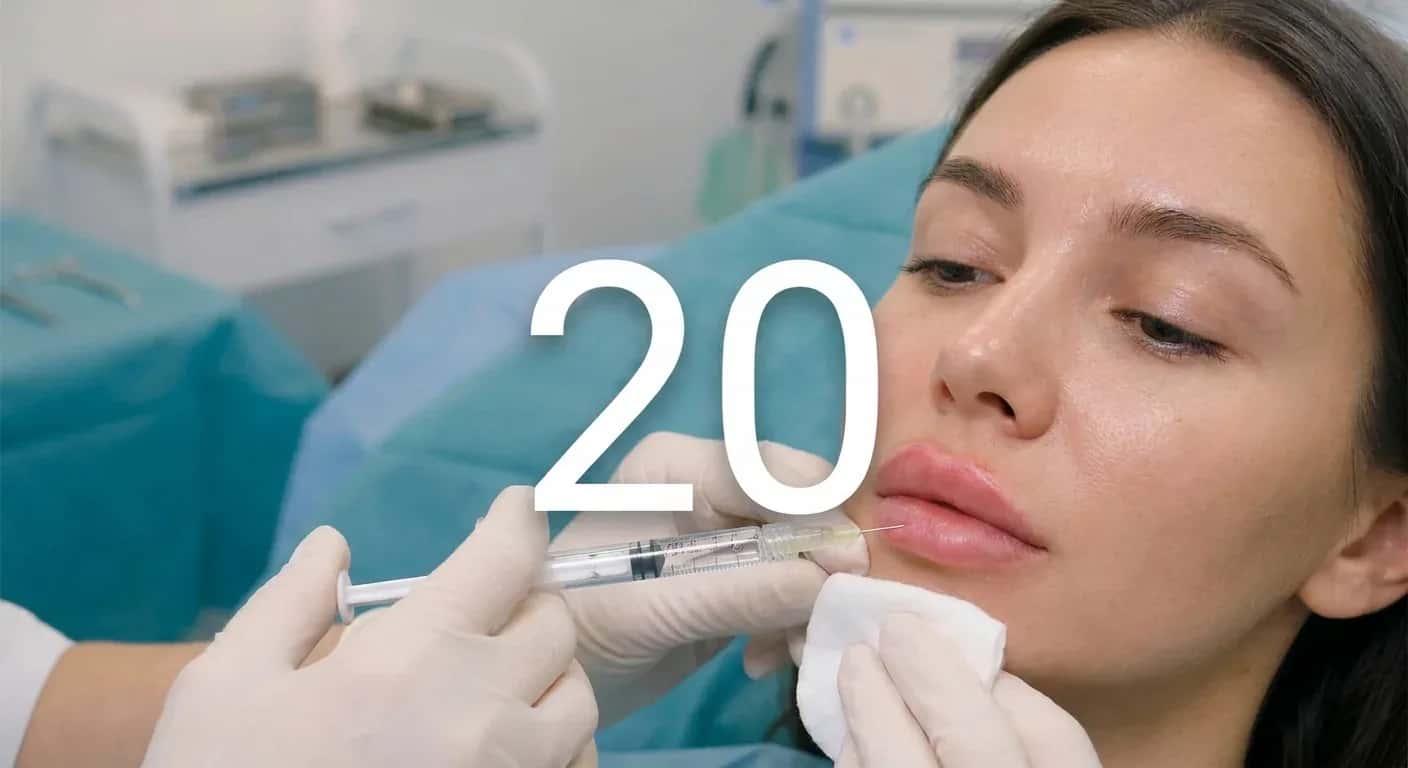
Many singers, actors, reality stars and influencers have talked openly about getting lip filler, and a growing number have also shared why they later had it dissolved. This guide looks at what 20 of these public figures said about their own lip treatments and what their experiences can teach anyone considering filler.
Filler fatigue describes the point where repeated dermal filler treatments leave a face looking heavier, puffier or less like itself, and it is pushing many people to rethink how they approach injectables. This guide explains what causes it, how to recognize an overfilled face.

Overfilled faces develop when injectable treatments add more volume than the facial anatomy can accommodate naturally, altering contours, proportions and sometimes facial expression.
Subscribe to the Medifinder newsletter and never miss our latest content.