










French Thread Lift in Turkey
The term "French thread lift" often functions as a commercial or regional designation. It does not identify a single standardized medical procedure, material, or technique. Instead, multiple products and methods fall under this marketing name. Suitability, results, recovery, and risks depend heavily on individual anato

- Last updated
- 134 reads
- 22 min read


What Is a French Thread Lift?
A French thread lift uses inserted medical threads to reposition selected facial tissues. The procedure usually involves small entry points rather than large surgical incisions. Different thread materials and designs may produce different clinical effects. The term does not describe one standardized medical technique. Patients should always ask for the exact product, material, and brand before proceeding.
Why Is It Called a French Thread Lift?
The name is a commercial term rather than an anatomical or standardized medical description. Clinics and manufacturers frequently use the phrase "French lift" for marketing various suspension-thread procedures. The designation does not prove a product was manufactured or legally approved in France. It serves primarily to differentiate specific techniques or brands from standard options.
Is a French Thread Lift the Same as a Thread Lift?
A French thread lift is a specific marketing subcategory within the broader field of thread lifts. Thread lift remains the general medical category for all suture-based facial elevation treatments. The word "French" might indicate specific branding, thread origin, or a particular insertion style. However, the basic underlying mechanism of tissue support remains very similar across categories.
How Does a Thread Lift Work?
Implanted threads mechanically support and elevate descended facial tissues along targeted treatment vectors. These threads feature integrated physical structures like barbs, cogs, or cones to grip the subcutaneous tissue (fat layer). This structural engagement allows the practitioner to pull and shift the tissue upward. Certain absorbable materials also stimulate a localized collagen response (protein production). However, these internal collagen changes do not guarantee a visible or lasting lift.
What Happens to the Threads Over Time?
Thread behavior over time depends entirely on whether the chosen material is absorbable or non-absorbable. Absorbable threads gradually break down and disappear within the body over several months. Natural tissue aging and gravity continue unaffected after the material dissolves completely. Non-absorbable options remain permanently in place but present different long-term medical considerations. Permanent materials still cannot halt the natural aging process of the face.
What Types of Threads Are Used?
Practitioners use various medical materials and physical surface designs to treat different degrees of laxity. These choices influence the mechanical strength, durability, and biological response of the treatment. Every patient requires a personalized selection based on skin thickness and structural goals. One specific thread type is never suitable for everyone.
What Are PDO Threads?
Polydioxanone (PDO) threads are absorbable medical sutures that gradually break down inside the subcutaneous tissue. This material has a long history of safe use in various surgical fields. PDO products come in smooth, twisted, barbed, or cogged designs. Each specific configuration targets a different therapeutic purpose during the facial procedure. Barbed versions focus on mechanical lifting, while smooth versions aim for structural reinforcement.
What Are PLLA Threads?
Poly-L-lactic acid (PLLA) threads are absorbable structures used to provide mechanical support to selected areas. This material degrades more slowly in human tissue compared to traditional polydioxanone options. It creates a localized tissue response as the structure undergoes gradual degradation. This biological interaction can provide mild secondary structural support over time. However, PLLA does not automatically guarantee superior lifting or permanent collagen outcomes.
What Are PCL Threads?
Polycaprolactone (PCL) threads are slow-absorbing medical sutures utilized in specific facial suspension procedures. The chemical structure allows the material to persist in tissue longer than PDO options. This extended degradation profile can alter the timeline of the secondary tissue response. The final clinical effects depend entirely on the specific product engineering and placement. Practitioners select PCL when a slower internal degradation rate is desired.
What Are Polypropylene Threads?
Polypropylene threads are non-absorbable permanent sutures used in some surgical suspension systems. Unlike absorbable alternatives, this clear synthetic polymer remains indefinitely within the facial tissues. This permanent presence creates distinct long-term medical considerations regarding migration or future removal. A non-absorbable material provides permanent structural anchoring but never guarantees a permanent lifting effect. The overlying skin and fat will continue to age naturally around the sutures.
What Is the Difference Between Smooth and Barbed Threads?
Smooth threads provide structural support without mechanical lifting, whereas barbed threads grip and actively reposition tissue. Smooth variations require multiple placements to form a supporting mesh beneath the skin. Barbed or cogged threads use tiny integrated hooks to mechanically lock into the subcutaneous layers. This allows the practitioner to pull and elevate specific sagging facial areas directly. The product designs differ considerably in their structural capabilities and intended use.
Why Do Patients Consider a French Thread Lift in Turkey?
International patients choose Turkey for its established medical tourism infrastructure and access to diverse aesthetic procedures. The country hosts numerous dedicated aesthetic clinics and board-certified plastic surgeons. Many facilities offer comprehensive multilingual support services to guide foreign clients smoothly. Travel connections to major Turkish cities remain highly accessible from multiple continents. Some patients also note favorable regional price differences for cosmetic care packages. However, practitioner qualifications, specific products, and clinical safety standards vary significantly across different facilities.
Which Facial Areas Can a Thread Lift Treat?
Thread lifts commonly target the midface, cheeks, jawline, jowls, eyebrows, and the upper neck area. Practitioners also consider specific vectors near the nasolabial folds (smile lines) for targeted support. However, not every anatomical region is suitable for secure thread placement. Highly mobile zones and areas with thin skin require extreme professional caution. A detailed structural evaluation determines which regions can receive threads safely.
Can a Thread Lift Improve Jowls?
Selected patients with mild tissue descent may see temporary jowl repositioning after a thread lift. The threads pull the sagging skin back toward the ears to smooth the lower face profile. However, significant structural tissue descent will not respond adequately to this non-surgical approach. Advanced jawline sagging usually requires a formal surgical facelift to achieve visible improvement. A qualified professional must evaluate the exact degree of lower face laxity.
Can a Thread Lift Define the Jawline?
A thread lift can provide temporary jawline improvement for individuals with specific structural characteristics. The treatment works by pulling lax tissue upward along the mandibular border (jaw bone). The final result depends heavily on existing fat distribution, skin elasticity, and underlying bone structure. Threads cannot reshape facial bones or remove substantial amounts of submental (under-chin) fat. Patients with heavy lower faces may require alternative or combined treatments.
Can a Thread Lift Lift the Cheeks?
Implanted threads can temporarily reposition descended midface tissues to improve the appearance of the cheeks. This technique pulls the malar (cheek) fat pad back into a higher position. However, structural volume loss and true tissue descent are entirely different anatomical issues. Sagging cheeks caused by severe volume depletion may require dermal fillers or fat grafting instead. A practitioner must determine the primary cause of midface flattening before treatment.
Can Threads Lift the Eyebrows?
Specific thread suspension techniques can alter the position of the eyebrows for a limited time. This application targets the delicate lateral brow and forehead tissues to create a more open look. The anatomy around the forehead and temples contains critical superficial nerves and blood vessels. Because of these risks, brow thread procedures require exceptional anatomical precision. The outcomes remain temporary and differ substantially from a surgical brow lift.
Can a Thread Lift Tighten the Neck?
Patients with mild skin laxity may see limited structural support in the neck area. Threads can help pull loose skin upward toward the mastoid (behind-ear) region. However, severe skin redundancy, prominent platysmal bands (neck muscles), and fat deposits require different treatments. Threads cannot cut away excess skin or repair separated neck muscle structures. Therefore, they are not an equivalent alternative for true surgical neck-lift candidates.
Who May Be Suitable for a French Thread Lift?
Suitable candidates are typically adults with mild tissue laxity and realistic expectations about temporary results. Ideal individuals possess sufficient skin thickness to conceal the underlying thread structures. Good general health and stable wound-healing capabilities are also necessary prerequisites. Patients must be willing to comply with strict post-procedure restrictions and aftercare. Age alone never determines suitability for this specific aesthetic treatment.
Who Should Avoid or Postpone a Thread Lift?
Individuals with active skin infections, bleeding disorders, or advanced skin laxity should avoid this treatment. Uncontrolled acne near entry points or active systemic autoimmune conditions require immediate postponement. Patients taking prescription blood thinners must disclose this during evaluation to avoid severe hematoma (blood collection) risks. Any adjustments to prescribed medications require direct authorization from the prescribing physician. Pregnant or breastfeeding women should entirely avoid undergoing elective cosmetic thread procedures.
What Happens During a Thread Lift Consultation?
A responsible consultation involves a comprehensive anatomical assessment, medical history review, and risk disclosure. The practitioner examines facial symmetry, skin quality, and the degree of tissue descent. You will discuss previous cosmetic procedures, current medications, and known allergies. The professional explains the realistic limitations of threads compared to surgical alternatives. A detailed consultation must focus on anatomical safety rather than thread quotas or pricing discounts.
How Is a French Thread Lift Performed?
The procedure involves marking treatment vectors, applying local anesthesia, and inserting threads through small entry points. The practitioner cleanses the skin thoroughly with surgical antiseptic before starting. Special guide needles or cannulas (blunt tubes) deliver the threads into the subcutaneous layer. Once positioned, the material is tensioned to achieve the desired tissue repositioning. The doctor trims the exposed ends and verifies overall facial symmetry.
Is Anaesthesia Used During a Thread Lift?
Practitioners routinely perform the procedure using local anesthesia to minimize discomfort in the target areas. The local anesthetic fluid is injected directly into the planned entry points and thread pathways. The volume and type of numbing agent depend on the number of threads used. Selected complex or extensive cases may incorporate light oral sedation for patient comfort. Complete general anesthesia is rarely required for standard thread suspension treatments.
Is a French Thread Lift Painful?
Patients generally experience sensations of pressure, pulling, pinching, or mild discomfort during thread placement. The initial administration of local anesthesia involves minor needle stings and burning sensations. Once the numbing agent takes effect, sharp pain should decrease significantly. Individual pain thresholds and the specific treatment area influence the overall experience. A responsible practitioner monitors patient comfort levels throughout the entire session.
How Long Does a Thread Lift Procedure Take?
The total treatment duration varies significantly depending on the number of threads and target areas. A basic single-zone treatment may require approximately thirty to forty-five minutes to complete. Comprehensive multi-zone facial suspension takes longer due to complex marking and anesthesia steps. This timeline includes the initial sterile preparation, markings, and post-procedure structural assessment. Patients should plan for additional time to review immediate aftercare instructions.
How Many Threads Are Needed?
The required number of threads depends entirely on individual facial anatomy and specific treatment goals. Mild adjustments may only use two to four threads per side of the face. Severe laxity or broader treatment areas often require a higher quantity of lifting sutures. Using excessive amounts of threads does not guarantee an improved aesthetic result. Instead, it can significantly increase the risk of tissue trauma and palpable irregularities.
When Are Thread Lift Results Visible?
Some mechanical tissue elevation is visible immediately, though swelling can temporarily obscure the final appearance. The immediate post-procedure appearance often displays excessive tension, minor puckering, or asymmetry. These early irregularities typically resolve as the initial traumatic swelling subsides over two weeks. The true baseline result should only be evaluated after complete soft tissue settling. Immediate post-treatment lifting does not predict the long-term structural durability.
How Long Does a French Thread Lift Last?
The clinical results are temporary and vary based on material type and individual lifestyle factors. Absorbable threads provide mechanical support that diminishes as the polymer degrades over several months. Individual metabolic rates, facial expressions, and tissue weight affect how long the elevation persists. No absorbable thread can offer a permanent lifting effect to the face. Regular aging continues to alter facial fat and bone structures over time.
Are Thread Lift Results Permanent?
No, thread lift results are never permanent because natural facial aging and gravity continue continuously. Even permanent non-absorbable materials cannot stop the ongoing laxity of overlying skin layers. Over time, tissues will inevitably sag around the fixed internal support structures. Patients may require maintenance procedures, alternative treatments, or surgery to address future age-related changes. It is crucial to maintain realistic long-term expectations.
What Is Recovery Like After a Thread Lift?
The recovery phase typically involves short-term swelling, bruising, localized tenderness, and temporary movement restrictions. Patients frequently feel a sensation of tightness or internal pulling when opening the mouth. Minor skin dimpling, asymmetry, and visible entry marks are common during the first week. Numbness or discomfort while chewing can also occur temporarily. Individual recovery timelines vary based on the specific thread material and technique used.
What Should Patients Avoid After a Thread Lift?
Patients must avoid facial massage, sleeping face down, and wide jaw movements during early healing. Vigorous exercise, saunas, and steam rooms should be avoided to prevent increased swelling. Dental treatments and intensive facial aesthetics must be postponed for several weeks. Applying makeup directly over open entry points increases the risk of bacterial contamination. Follow the specific restrictions provided by your treating practitioner to protect thread alignment.
How Should Patients Sleep After a Thread Lift?
Sleeping on the back with an elevated head helps minimize accidental facial pressure and swelling. This position prevents the face from rubbing against pillows, which could displace the newly placed threads. Using extra pillows or a travel neck pillow can help maintain this posture throughout the night. The duration of this sleeping restriction depends on the specific technique and area treated. Your practitioner will provide a personalized timeline based on your procedure.
When Can Makeup Be Applied After Treatment?
Makeup application should be postponed until the skin entry points have closed completely. Applying cosmetics too early can introduce dangerous bacteria into the deep subcutaneous tracks. Patients must use thoroughly sanitized brushes or clean sponges when restarting their makeup routine. The typical waiting period varies but usually spans several days post-procedure. The treating clinician must explicitly confirm when it is safe to apply products.
What Are the Side Effects of a Thread Lift?
Common temporary side effects include swelling and bruising, while serious risks include infection and nerve injury. Mild tenderness, skin tightness, puckering, and temporary asymmetry are expected inflammatory responses. Less common complications involve thread extrusion (threads pushing out), migration, or permanent visibility under the skin. Severe vascular (blood vessel) injury, salivary gland damage, and deep infections can also happen. The risk profile depends heavily on structural anatomy, clean technique, and proper follow-up.
Can Thread Lifts Cause Dimpling or Puckering?
Tissue tension and superficial thread placement can cause temporary or persistent skin dimpling and puckering. These surface irregularities occur when a barb or cog pulls the skin layer too tightly. While mild dimpling often settles naturally within two weeks, deep puckering may require professional intervention. A qualified practitioner must assess persistent irregularities to determine if manual release is necessary. Patients should never attempt to massage out deep dimples themselves.
Can Threads Become Visible or Move?
Implanted threads can become visible under thin skin or migrate from their original placement positions. Superficial insertion increases the risk of feeling or seeing the outlines of the material. In rare instances, a thread end may break through the skin surface, causing an extrusion. If a thread becomes exposed, patients must avoid pulling or cutting the material at home. Immediate sterile clinical evaluation is mandatory to prevent tracking infections.
Can a Thread Lift Cause Facial Asymmetry?
Uneven swelling or asymmetrical thread placement can cause temporary or persistent facial asymmetry. Every individual possesses some degree of natural facial asymmetry before undergoing any cosmetic treatment. Asymmetrical swelling during the recovery phase can make one side appear higher or more full. If the imbalance persists after healing, it may indicate unequal thread tensioning or misaligned placement vectors. Professional evaluation is required to diagnose the true cause of the asymmetry.
Can a Thread Lift Damage Nerves?
Nerve irritation or injury is a possible complication because major facial nerves traverse the treatment zones. Damage can cause temporary numbness, altered sensation, or localized muscle weakness. Most nerve-related symptoms result from localized swelling or compression and resolve over time. However, direct structural injury to a motor nerve can cause prolonged or permanent facial weakness. New onset weakness requires immediate neurological and clinical assessment by a medical specialist.
Can Thread Lifts Cause Infection?
Infections can develop around the skin entry points or along the deep implanted thread tracks. Symptoms include spreading redness, localized warmth, increasing pain, purulent discharge (pus), and fever. Implanted foreign materials can complicate infection management because bacteria form protective layers on the threads. Severe cases may require prolonged antibiotic courses or surgical removal of the infected sutures. Strict sterile technique during insertion remains the primary defense against these complications.
Can Threads Be Removed?
Thread removal is sometimes possible but remains a technically challenging procedure for the practitioner. Removal may be indicated for chronic infection, extrusion, persistent pain, severe asymmetry, or patient dissatisfaction. Barbed or cogged structures designed to integrate with tissue are especially difficult to extract without causing trauma. Complete removal may not immediately restore the face to its original pre-treatment appearance. The feasibility of extraction depends heavily on the specific material and time elapsed.
When Should Patients Contact Their Clinic?
Patients must contact their provider immediately if they experience spreading redness, severe pain, or fever. Worsening swelling, fluid discharge, visible thread pieces, or sudden facial weakness require urgent professional evaluation. Progressive skin color changes or delayed healing at entry points also mandate an exam. Do not delay seeking medical advice if unexpected symptoms appear during recovery. Sudden breathing difficulties or heavy bleeding require immediate emergency medical attention.
How Much Does a French Thread Lift Cost in Turkey?
The cost of the procedure varies depending on the chosen thread product and practitioner qualifications. Total expenses depend on material brands, thread counts, and the complexity of the treated areas. Prices fluctuate based on clinic location, facility licensing, and the inclusion of anesthesia services. Advertised starting rates often exclude necessary consultations, follow-up care, or potential complication management. Patients should avoid choosing a clinic based solely on the lowest available price.
What Is Included in a Thread Lift Price?
Clinic price packages vary but often combine the procedure fees, materials, and local anesthesia. Comprehensive medical tourism quotes may also include airport transfers, local accommodation, and translation assistance. However, these non-clinical travel services do not indicate the medical quality of the treatment. Patients must explicitly request a fully itemized quotation before traveling. Confirm whether follow-up appointments and emergency care are covered in the initial price.
How Should Patients Choose a Thread Lift Clinic in Turkey?
Selecting a clinic requires verifying the practitioner’s legal credentials, specialization, and complication management protocols. Confirm that the performing doctor is a licensed plastic surgeon or dermatologist with facial anatomy training. The facility must possess valid national healthcare licensing and maintain rigorous sterile environments. Ask about product traceability and the specific emergency procedures established at the clinic. Social media popularity or follower counts never prove clinical competence or patient safety.
How Can Patients Verify the Thread Product?
Patients should request the official manufacturer packaging, batch number, and regulatory approval documentation. A legitimate practitioner will disclose the exact brand name, material composition, and expiration date. Ensure the product holds appropriate safety certifications for its intended suspension use. Do not accept unbranded or pre-packaged materials without verifying the original labels. Documenting these details is essential for your personal medical history records.
What Questions Should Patients Ask Before Booking?
Inquiring about qualifications, product safety, potential risks, and follow-up care is essential before scheduling treatment.
- Who will perform the thread insertion procedure?
- What are the practitioner's specific medical qualifications?
- Is this clinic legally authorized for thread lifting?
- What exact thread brand and material will be used?
- Are the proposed suspension threads fully absorbable?
- How many threads are recommended for my anatomy?
- What realistic outcomes can I expect from this treatment?
- How will potential asymmetry or thread extrusion be managed?
- Is emergency follow-up care included in the package?
- Who can I contact if complications occur after returning home?
How Should International Patients Plan Treatment in Turkey?
Planning requires scheduling adequate recovery days in the country and arranging accessible follow-up communication. Patients should arrive early enough for a comprehensive, unhurried in-person clinical consultation. Do not schedule the procedure immediately before major life events or long international flights. Ensure you receive copies of all medical records, thread batch stickers, and aftercare instructions. Establish a clear plan for remote communication with the clinic after returning home.
Can Patients Fly After a Thread Lift?
Travel timing depends on individual swelling levels, comfort, and the treating practitioner's personal medical advice. Flying shortly after treatment can aggravate swelling due to cabin pressure adjustments. Managing heavy luggage can increase blood pressure and elevate the risk of bruising or bleeding. Long journeys can also restrict proper hygiene and increase discomfort during the early healing phase. Patients must obtain direct clearance from their doctor before boarding an airplane.
Can Thread Lifts Be Combined With Other Treatments?
Combining procedures requires personalized planning to prevent excessive tissue trauma or increased infection risks. Practitioners sometimes combine threads with dermal fillers or botulinum toxin to address distinct aging signs. However, energy-based devices like lasers or radiofrequency treatments can damage certain thread materials if performed too close together. Closely timed multi-treatment plans can significantly prolong swelling and compromise structural results. A qualified professional must coordinate the exact timing of combined therapies.
French Thread Lift Versus Surgical Facelift
A thread lift repositions limited tissue mechanically, whereas a surgical facelift reshapes deep structures and removes skin. Thread treatments offer temporary results with shorter recovery periods and local anesthesia. A surgical facelift requires general anesthesia or deep sedation but provides significant, long-lasting rejuvenation. Threads cannot correct advanced skin redundancy or severe muscle laxity in the lower face. Therefore, thread suspension can never replicate or replace a surgical facelift outcome.
Thread Lift Versus Dermal Fillers
Threads physically lift and reposition descended tissues, while dermal fillers restore lost volume and structural support. Fillers treat hollow areas like the temples or under-eyes by injecting gel substances. Threads focus on shifting sagging tissue along specific vectors without adding substantial volume. Tissue descent and volume loss represent completely different structural problems. A practitioner must determine which concern is primary before selecting the appropriate modality.
Thread Lift Versus HIFU
Threads offer immediate mechanical support, while high-intensity focused ultrasound (HIFU) uses thermal energy to stimulate deep skin tissues. HIFU is a completely non-invasive treatment that relies on the body's long-term healing response. Threads require physical entry points and provide immediate mechanical elevation of the fat layers. HIFU results develop gradually over several months and do not offer immediate tissue repositioning. Neither option can replace surgery for individuals with advanced tissue laxity.
Thread Lift Versus RF Skin Tightening
Thread procedures physically engage subcutaneous tissues, while radiofrequency (RF) treatments use controlled heat to tighten the dermis. RF therapy focuses on improving skin texture and mild superficial laxity via collagen stimulation. Threads physically lift deeper layers to alter the position of descended fat pads. The downtime and discomfort associated with thread insertion are typically higher than non-invasive RF sessions. These treatments target different depths and have distinct clinical objectives.
Thread Lift Versus Botox
Threads mechanically elevate sagging tissues, whereas botulinum toxin temporarily reduces targeted muscle activity to smooth lines. Botulinum toxin treats dynamic wrinkles caused by repetitive expressions, such as frown lines. Threads do not alter muscle movement; they reposition heavy, shifted soft tissues instead. Botox cannot lift descended jawlines or heavy jowls back to their original position. The two modalities treat separate anatomical mechanisms of facial aging.
How Can MediFinder Support Clinic Research?
MediFinder allows users to research certified doctors, view clinic profiles, and explore available treatment categories. The platform helps international patients compare options across different medical specialties and geographic locations. Users can review verified provider information, listed clinical services, and direct contact methods. However, patients must independently verify all medical credentials, facility licenses, and thread products. MediFinder does not diagnose conditions or guarantee specific treatment outcomes.
French Thread Lift in Turkey Cost 2026
French thread lift in Turkey typically costs €800 to €2,500 in 2026, depending on treatment scope and clinic expertise.
Prices vary by thread type, thread quantity, treatment area, practitioner experience, and clinic location. Cheek, jawline, eyebrow, and neck lifting may require different numbers of threads. Full-face treatments generally cost more than smaller, targeted procedures. Many clinics offer packages covering consultation, local anaesthesia, aftercare, and follow-up appointments. Always confirm exactly what the quoted French thread lift Turkey cost covers before booking.
Frequently Asked Questions
Is a French thread lift safe in Turkey?
Safety depends on the practitioner's qualifications, clinic hygiene, and the specific thread products used. The procedure carries risks regardless of the country where it is performed. Patients must verify individual credentials rather than assuming all Turkish clinics follow identical standards.
What is a French thread lift?
A French thread lift is a commercial term for placing medical suspension threads beneath facial skin. The procedure aims to temporarily reposition sagging tissues along targeted vectors. It does not represent a single standardized technique or material.
Is a French thread lift the same as a PDO thread lift?
No, they are not necessarily identical because "French" is a marketing name. A thread lift can use polydioxanone (PDO), poly-L-lactic acid (PLLA), polycaprolactone (PCL), or polypropylene. Patients must ask for the specific material.
Which facial areas can thread lifts treat?
Threads commonly target the cheeks, midface, jawline, jowls, eyebrows, and the upper neck region. Not every area is suitable for secure placement. Highly mobile or thin skin zones require extreme caution during evaluation.
Can a thread lift replace a facelift?
No, a thread lift cannot reproduce or replace a surgical facelift result. Threads offer temporary mechanical repositioning for mild laxity. Surgery removes excess skin and alters deep structural layers for long-lasting outcomes.
How many threads are usually needed?
The required number varies based on individual facial anatomy and specific treatment areas. Some patients need two threads per side, while others require more. Using excessive threads increases tissue trauma without guaranteeing better results.
Is a French thread lift painful?
Patients generally feel pressure, pulling, pinching, or mild discomfort during thread placement. Local anesthesia is used to minimize sharp pain. Individual sensitivity and the treated facial area affect the overall experience.
How long does recovery take?
Initial recovery usually takes one to two weeks as swelling and bruising subside. Tightness, mild asymmetry, and dimpling are common early reactions. Full tissue settling requires several weeks depending on individual healing.
When are thread lift results visible?
Some mechanical tissue elevation appears immediately after the procedure. However, early traumatic swelling and skin puckering can obscure the appearance. The final result should be evaluated after initial healing completes.
How long do thread lift results last?
Results are temporary and vary significantly based on the thread material and lifestyle. Absorbable options dissolve over several months, and natural aging continues. No thread product offers permanent lifting effects to the face.
Are thread lift results permanent?
No, results are never permanent because gravity and natural facial aging progress continuously. Even non-absorbable materials cannot prevent the future sagging of overlying tissues. Maintenance treatments or surgery may eventually be needed.
Can threads become visible or move?
Yes, threads can become visible under thin skin or migrate from their original positions. In rare cases, thread extrusion through the skin can occur. Exposed threads require prompt sterile medical review.
Can thread lifts cause facial asymmetry?
Yes, temporary or persistent facial asymmetry can occur after treatment. Asymmetrical swelling is common during early recovery. Persistent imbalances may indicate unequal thread tension or misaligned placement vectors by the practitioner.
Can threads be removed?
Thread removal is sometimes possible but can be technically difficult for the doctor. Extraction may be required due to infection, extrusion, or severe dissatisfaction. Removal does not guarantee immediate restoration of original appearance.
When can makeup be applied after treatment?
Makeup application should be avoided until the skin entry points have closed completely. Applying cosmetics too early can introduce bacteria into the thread tracks. Consult your practitioner for a specific safety timeline.
Can patients fly after a thread lift?
Travel timing depends on individual swelling, comfort levels, and specific medical advice. Cabin pressure changes can increase swelling early in recovery. Heavy luggage handling can also elevate blood pressure and cause bleeding.
How can patients verify the thread product?
Patients should ask the practitioner for the original manufacturer packaging and batch stickers. Verify the full product name, material composition, and regulatory status. Keep these official records for your medical history.
- Last updated
- Language
- English
How did you find this article?
Many singers, actors, reality stars and influencers have talked openly about getting lip filler, and a growing number have also shared why they later had it dissolved. This guide looks at what 20 of these public figures said about their own lip treatments and what their experiences can teach anyone considering filler.

Filler fatigue describes the point where repeated dermal filler treatments leave a face looking heavier, puffier or less like itself, and it is pushing many people to rethink how they approach injectables. This guide explains what causes it, how to recognize an overfilled face.
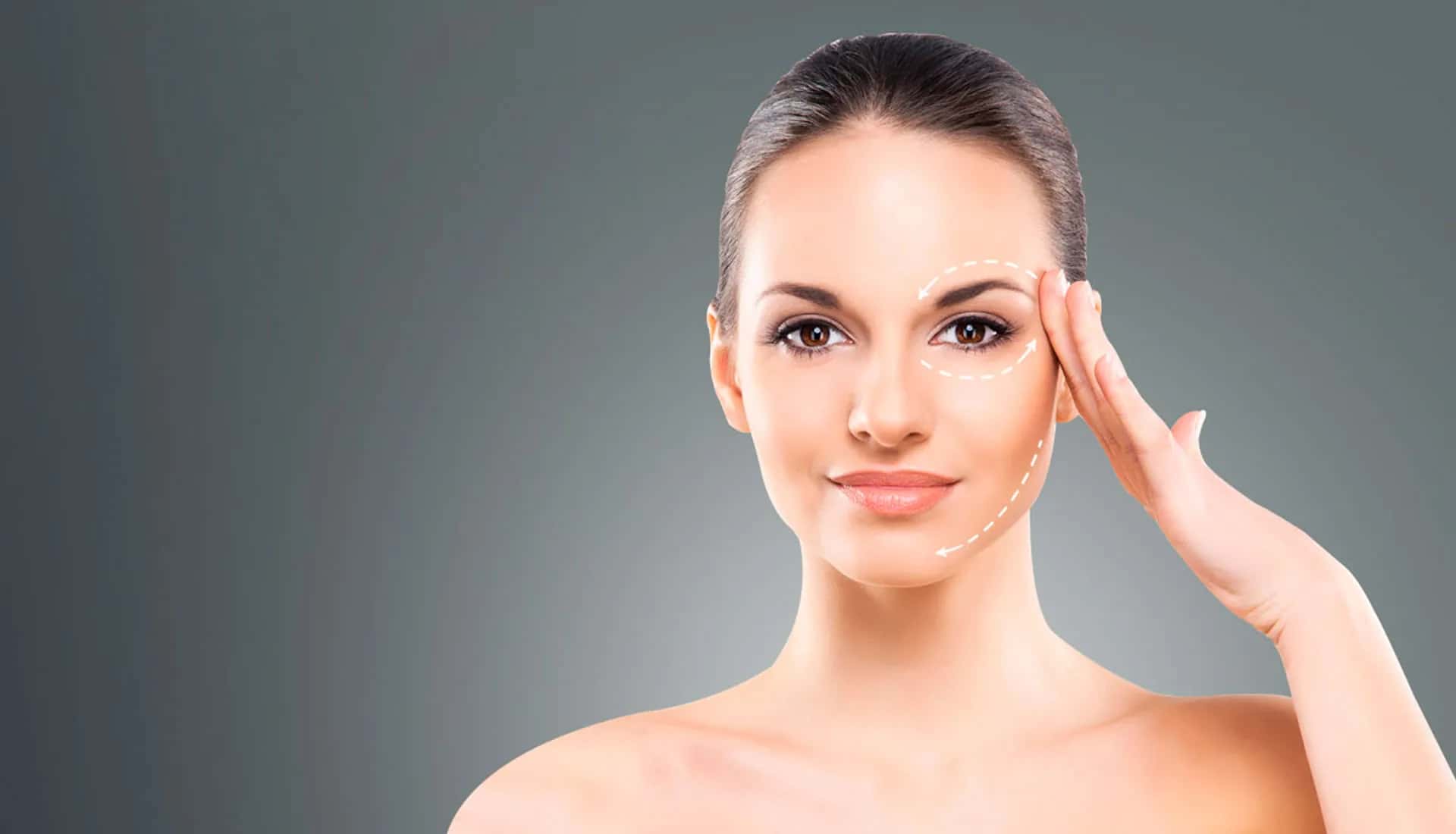
Overfilled faces develop when injectable treatments add more volume than the facial anatomy can accommodate naturally, altering contours, proportions and sometimes facial expression.
Subscribe to the Medifinder newsletter and never miss our latest content.