










Exploring Differences: Botox, Dysport, Jeuveau, Xeomin
Neuromodulators are injectable treatments that temporarily relax targeted muscles to soften dynamic lines, especially frown lines, crow’s feet, forehead lines, and other expression-related creases. Botox, Dysport, Jeuveau, and Xeomin are all botulinum toxin type A products.

- Last updated
- 48 reads
- 7 min read


What do these neuromodulators actually do?
Botox, Dysport, Jeuveau, and Xeomin work by reducing the release of acetylcholine, the chemical signal that tells a muscle to contract. When a precisely selected facial muscle relaxes, the overlying skin folds less with expression, so lines caused by repeated motion look softer for a temporary period. These products are prescription medications, and the result depends heavily on anatomy, dose, dilution, placement, and the injector’s judgment.
The key similarity is that all four are used to create controlled, temporary muscle relaxation. The key difference is that each product has its own manufacturing process, potency assay, formulation details, approved indications, and handling requirements. That is why a “unit” of one brand is not automatically equal to a “unit” of another, even when the treatment goal looks the same on the face.
The shared foundation: temporary, targeted muscle relaxation
In aesthetic medicine, neuromodulators are commonly used for expression lines, including glabellar lines between the brows, horizontal forehead lines, and lateral canthal lines around the eyes. Depending on the specific product and label, some are also used for medical concerns such as cervical dystonia, spasticity, chronic sialorrhea, blepharospasm, or excessive underarm sweating. Botox Cosmetic is labeled for moderate to severe glabellar lines, lateral canthal lines, forehead lines, and platysma bands in adults, while Dysport and Jeuveau aesthetic labeling focuses on glabellar lines; Xeomin’s current label includes upper facial lines in adults as well as several therapeutic indications.
Results are temporary because nerve signaling gradually recovers. For many cosmetic patients, improvement lasts around three to four months, although duration can vary with metabolism, muscle strength, treatment area, dose, and treatment history. Botox Cosmetic labeling describes glabellar line duration as approximately three to four months, Dysport’s label describes glabellar line reduction for up to four months, and dermatology guidance commonly describes botulinum toxin cosmetic improvement as lasting about three to four months, sometimes longer.

Botox vs Dysport vs Jeuveau vs Xeomin: the main differences
The phrase botox vs dysport vs jeuveau vs xeomin often suggests there is one universal “best” choice. In practice, the better question is which product best fits the treatment area, desired effect, prior response, appointment logistics, and provider experience. A skilled injector may get beautiful, natural-looking results with any of the four when the product is matched to the patient and used correctly.
Here are the practical distinctions most patients ask about:
- Botox Cosmetic: Often treated as the familiar reference point because of broad name recognition and established cosmetic use. It contains onabotulinumtoxinA and, in current labeling, is indicated for several adult aesthetic areas, including glabellar lines, crow’s feet, forehead lines, and platysma bands.
- Dysport: Contains abobotulinumtoxinA and is labeled aesthetically for moderate to severe glabellar lines in adults under 65. Its labeled glabellar dose is 50 units divided across five injection points, which illustrates why Dysport units should not be compared one-for-one with Botox units.
- Jeuveau: Contains prabotulinumtoxinA-xvfs and is labeled for temporary improvement of moderate to severe glabellar lines in adults. Its cosmetic positioning is focused, and the labeled glabellar dose is 20 units across five sites.
- Xeomin: Contains incobotulinumtoxinA and is known for having the active neurotoxin without accessory proteins. Its current label includes upper facial lines in adults, and unopened vials do not require refrigeration when stored at or below 25°C.
Onset and duration are helpful guides, not guarantees
Onset means when you begin to notice reduced movement; duration means how long the visible effect lasts before muscle activity returns. Botox Cosmetic labeling notes that initial doses typically induce chemical denervation in one to two days, increasing during the first week, while Dysport clinical information reports median onset around two to three days in glabellar studies. Full settling often takes longer than first onset, so many providers assess final cosmetic balance around the follow-up window they prefer.
Duration varies from person to person. Stronger muscles, high-expressivity areas, conservative dosing, frequent exercise, and individual metabolism may shorten the perceived effect. Conversely, consistent treatment plans may help some people maintain a smoother look over time because the treated muscles are repeatedly relaxed, but that does not mean results become permanent.
Units are brand-specific
Units are one of the most misunderstood topics in botox vs dysport conversations. The FDA labels for Botox Cosmetic, Dysport, Jeuveau, and Xeomin all state that potency units are specific to each product and cannot be compared or converted directly across botulinum toxin products. In simple terms, 20 Botox units, 20 Jeuveau units, 20 Xeomin units, and 20 Dysport units are not automatically equivalent treatment plans.
That matters when comparing prices, too. A lower price per unit does not necessarily mean a lower total treatment cost if the product uses a different unit scale. The better comparison is the treatment plan: which areas are being treated, how many injection points are planned, what result is realistic, and whether the provider includes assessment or follow-up.
Spread, precision, and injection technique
“Spread” describes how far the effect may extend from the injection site. Patients often hear that one product spreads more than another, especially in botox vs dysport discussions, but real-world spread is influenced by more than the brand. Dilution, injected volume, dose, needle placement, muscle size, tissue characteristics, and aftercare instructions can all affect how localized the result feels.
This is why conservative placement around the eyes and brows matters. Product labeling includes precautions to reduce eyelid ptosis, such as keeping certain injections at appropriate distances above the brow and using accurate, minimal feasible volume and dose. A broader field of effect can be useful in some areas, but in small facial muscles, too much diffusion can create heaviness, asymmetry, or unwanted weakness.
Storage, formulation, and complexing proteins
Formulation and storage are more relevant to the medical practice than to the patient, but they help explain why these brands are not interchangeable. Botox Cosmetic, Dysport, and Jeuveau unopened vials require refrigerated storage, while unopened Xeomin may be stored at or below 25°C and does not require refrigeration before reconstitution. After reconstitution, all require careful handling and refrigerated storage for a limited period according to their labeling.
Complexing proteins are another distinction. Botox Cosmetic and Jeuveau are described as botulinum toxin type A neurotoxin complexes, Dysport is a lyophilized abobotulinumtoxinA product with listed inactive ingredients, and Xeomin’s active neurotoxin is separated from accessory proteins during purification. In a xeomin vs botox discussion, this “naked toxin” formulation is often the headline difference, although the clinical significance for a specific patient should be discussed with a qualified injector rather than assumed.
Safety considerations come before brand preference
All botulinum toxin products carry important safety considerations. Labels warn that toxin effects may spread beyond the injection area and cause symptoms such as generalized weakness, vision changes, drooping eyelids, trouble swallowing, speaking, or breathing; these symptoms may occur hours to weeks after injection and can be serious. Patients with neuromuscular disorders, active infection at the injection site, prior reactions to botulinum toxin products, pregnancy or breastfeeding considerations, or use of certain antibiotics, muscle relaxants, sleep medicines, allergy medicines, or anticholinergic drugs should discuss these factors before treatment.
A safe visit should include a health history, medication review, facial movement assessment, discussion of realistic outcomes, and clear aftercare guidance. Common cosmetic side effects may include temporary bruising, swelling, headache, tenderness, asymmetry, heaviness, dry eye, or eyelid or brow droop, depending on the product and treatment area. Seek urgent medical help if you develop trouble breathing, swallowing, or speaking after treatment.
How to choose between Botox, Dysport, Jeuveau, and Xeomin
The best choice is usually the product your experienced, licensed injector can use most predictably for your anatomy and goals. If you have had a great result with one brand, staying with it may make sense. If you had a short duration, delayed onset, unwanted heaviness, or less response than expected, it may be reasonable to discuss another neuromodulator.
Use this consultation checklist to guide the decision:
- Clarify your goal: softer movement, a lifted look, fewer “11s,” smoother forehead lines, or prevention of deeper creasing.
- Review your history: previous neuromodulator brand, dose, onset, duration, side effects, and whether you liked the look.
- Ask about units carefully: compare total plan and expected effect, not unit counts across brands.
- Discuss facial anatomy: brow position, eyelid heaviness, asymmetry, muscle strength, and prior facial procedures all matter.
- Consider lifestyle and timing: schedule treatment well before major events because results need time to settle and bruising is possible.
- Prioritize safety: choose a qualified medical provider who uses authentic products, follows storage requirements, and can manage complications.
The takeaway
Botox, Dysport, Jeuveau, and Xeomin are similar because they all temporarily reduce targeted muscle activity, yet different enough that dosing, storage, spread, formulation, and approved uses should not be treated as interchangeable. The smartest comparison is not simply xeomin vs botox or Botox vs Dysport; it is product plus provider plus plan. With the right injector and a thoughtful consultation, neuromodulators can be tailored to create a refreshed result that still looks like you.
- Last updated
- Language
- English
How did you find this article?
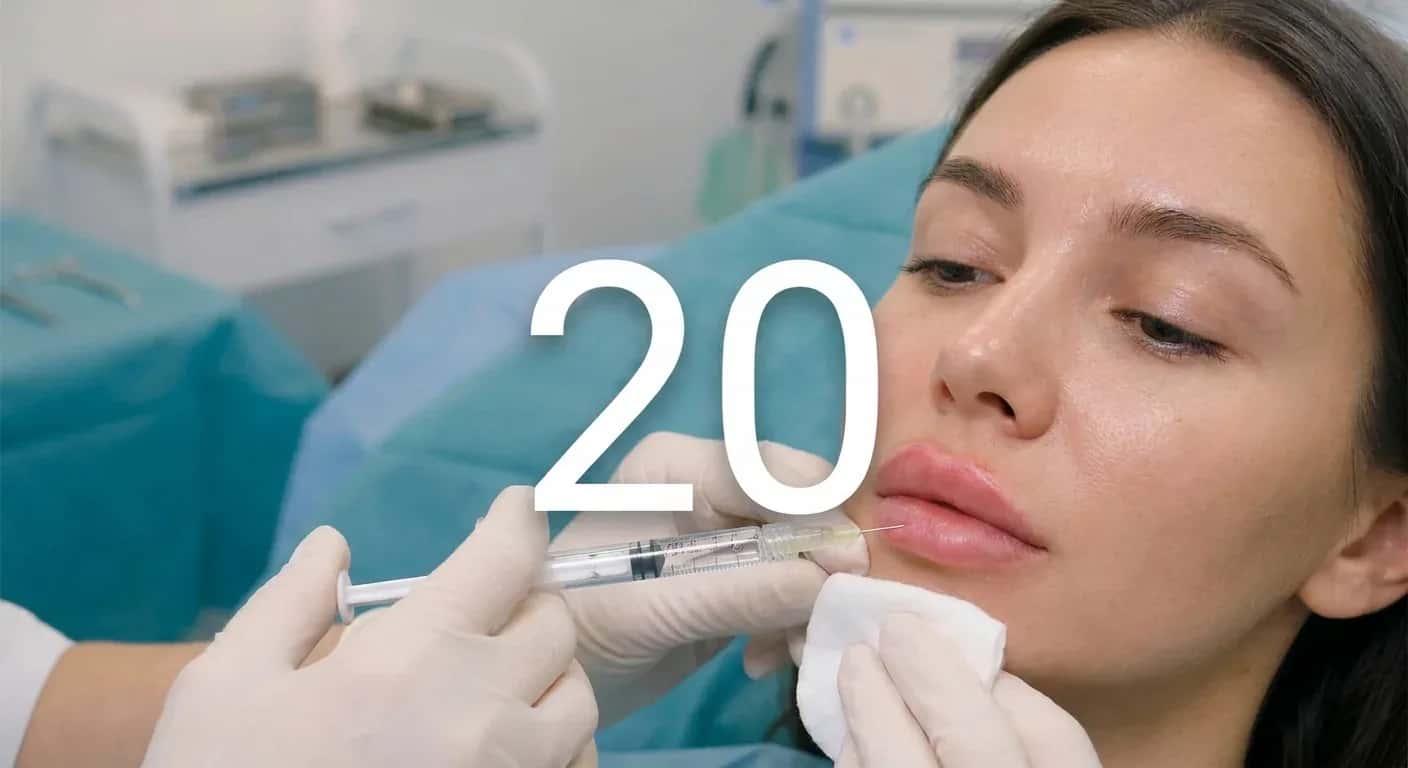
Many singers, actors, reality stars and influencers have talked openly about getting lip filler, and a growing number have also shared why they later had it dissolved. This guide looks at what 20 of these public figures said about their own lip treatments and what their experiences can teach anyone considering filler.


Filler fatigue describes the point where repeated dermal filler treatments leave a face looking heavier, puffier or less like itself, and it is pushing many people to rethink how they approach injectables. This guide explains what causes it, how to recognize an overfilled face.

Overfilled faces develop when injectable treatments add more volume than the facial anatomy can accommodate naturally, altering contours, proportions and sometimes facial expression.
Subscribe to the Medifinder newsletter and never miss our latest content.