










Ear Pain When Chewing Without an Ear Infection
Ear pain during chewing can come from the jaw joint, muscles, teeth, throat, or nearby nerves even when the ear is healthy.

- Last updated
- 14 reads
- 6 min read



Ear pain when chewing can feel alarming, especially when there is no ear infection, fever, or drainage. The discomfort may sit in front of the ear, deep inside the canal, or spread toward the jaw, temple, or teeth. Chewing activates several muscles and joints close to the ear, so a problem outside the ear can create very real ear pain. The most common sources include the jaw joint, chewing muscles, teeth, throat, and nearby nerves.
Why Chewing Can Trigger Ear Pain
The jaw joint sits directly in front of the ear canal. It opens and closes every time you chew, speak, yawn, or swallow. Because the joint and the ear share nearby nerves, the brain may interpret jaw pain as ear pain. This is called referred pain. The ear can look normal even when the joint or surrounding muscles are irritated.
Chewing also increases pressure through the teeth and jaw muscles. If one area is inflamed, hard or chewy foods may expose the problem more clearly than quiet rest.
Temporomandibular Joint Problems
Temporomandibular joint irritation is a frequent cause of pain near the ear without infection. The joint may become sensitive after clenching, grinding, prolonged dental work, trauma, or repeated wide opening. Pain can be dull, sharp, or aching, and it may worsen when biting, yawning, or moving the jaw from side to side.
Some people notice clicking, popping, stiffness, limited opening, or a sense that the bite has changed. Others mainly feel pressure or pain in front of the ear. Stress and poor sleep can increase clenching and make the muscles around the joint more tender.
Overworked Chewing Muscles
The masseter and temporalis muscles work constantly during meals and speech. Jaw tension, gum chewing, hard foods, and nighttime grinding can fatigue them. Trigger points in these muscles may send aching pain toward the ear, cheek, temple, or teeth.
Muscle-related pain often feels worse at the end of the day or after a period of concentration. Gentle heat, softer foods, and reducing clenching may help, while repeated testing of the jaw can keep it irritated.
Dental Causes That Feel Like Ear Pain
A cracked tooth, deep cavity, gum inflammation, or a dental abscess can refer pain toward the ear. The discomfort may increase with chewing, especially when pressure is released from a bite. Sensitivity to hot or cold, a tender tooth, swelling around the gum, or a bad taste can point toward a dental source.
Wisdom teeth can also create pressure in the back of the jaw. Even when the tooth is not visibly infected, surrounding gum tissue may become inflamed and make chewing uncomfortable.
Throat and Nearby Structures
Throat irritation, tonsil inflammation, or a problem around the jaw angle can sometimes cause pain felt in the ear. Swallowing may be uncomfortable, and the pain may be more obvious with chewing because the throat and jaw move together. Nasal or sinus inflammation can also create facial pressure that spreads toward the ear, although it usually comes with congestion, pressure, or reduced smell.
How to Tell Which Pattern Fits
- Pain in front of the ear with clicking or jaw stiffness suggests the jaw joint
- Tender cheek or temple muscles suggest clenching or overuse
- Pain tied to one tooth, temperature, or bite pressure suggests a dental cause
- Swallowing pain, fever, or tonsil swelling points toward the throat
- Pressure with congestion or facial tenderness may involve the sinuses
These patterns can overlap. A normal-looking ear does not rule out a nearby source, and a mild jaw problem can coexist with dental sensitivity.
Gentle Measures at Home
Give the jaw a short period of reduced workload. Choose softer foods, cut meals into smaller pieces, and avoid gum, chewy sweets, crusty bread, and very wide bites. Keep the teeth slightly apart when resting rather than clenching them together. A warm compress over the jaw muscles can reduce tension, while gentle movement is better than forceful stretching.
Do not place cotton swabs, oils, or objects inside the ear. Avoid pressing directly on a painful joint or repeatedly opening the mouth to test it. If a tooth seems responsible, avoid chewing on that side until the source is clarified.
- Use warm, not hot, compresses for short periods
- Support regular sleep and notice nighttime grinding
- Limit caffeine if it increases clenching or muscle tension
- Keep dental and oral hygiene consistent
- Record which foods and movements trigger pain
When to Arrange an Evaluation
Arrange an evaluation when ear pain with chewing lasts more than a few days, keeps returning, or limits eating. Assessment is also important for hearing changes, jaw locking, repeated clicking with pain, tooth sensitivity, gum swelling, or a persistent lump near the jaw.
Urgent help is needed for severe swelling, high fever, facial weakness, inability to open the mouth, difficulty swallowing or breathing, sudden hearing loss, or drainage of blood or pus. These features need prompt attention rather than continued self-care.
How the Cause Is Investigated
An evaluation may include inspection of the ear canal and eardrum, examination of the teeth and gums, and assessment of jaw movement and muscle tenderness. The timing of the pain, chewing triggers, bite pattern, grinding habits, and related symptoms help identify whether the source is dental, muscular, joint-related, or referred from the throat.
Frequently Asked Questions About Ear Pain When Chewing
Can jaw problems cause ear pain without an ear infection?
Yes. The jaw joint and chewing muscles sit close to the ear and share nerve pathways, so irritation can feel like pain inside or around the ear.
Why does chewing make the pain worse?
Chewing loads the jaw joint, muscles, and teeth. A sensitive area may hurt only when pressure and movement increase.
Could a tooth be causing my ear pain?
Yes. Cracks, cavities, gum inflammation, and wisdom-tooth irritation can refer pain toward the ear, particularly during biting.
Should I use cotton swabs for ear pain?
No. Cotton swabs can irritate the canal and push debris deeper. Pain without infection is often coming from outside the ear.
When is chewing-related ear pain urgent?
Severe swelling, fever, facial weakness, sudden hearing loss, breathing or swallowing difficulty, or pus and blood require prompt assessment.
Jaw Habits That Can Prolong the Pain
Many people clench without realising it while driving, working at a screen, or concentrating. Check whether the teeth touch when you are not eating. Resting the tongue lightly against the palate and keeping the jaw loose can reduce unnecessary muscle activity. Avoid holding the phone between the shoulder and jaw, because this posture can tighten the neck and chewing muscles.
Nighttime grinding may show up as morning jaw fatigue, temple headaches, tooth sensitivity, or a feeling that the ear is blocked. Note whether pain is worse after sleep or after stressful days. A short record can help separate joint irritation from tooth-related pain and can guide the next examination.
Choosing Foods While the Jaw Settles
Soft foods do not need to be bland. Eggs, yoghurt, cooked vegetables, tender fish, rice, soups, and soft fruit reduce chewing demand while keeping meals varied. Cut food into small pieces and avoid testing the painful side with hard bites. Once symptoms settle, return to normal texture gradually rather than moving from soft food directly to very tough or sticky foods.
What a Normal Ear Examination Can Still Mean
A normal ear examination is reassuring, but it does not explain every type of ear-area pain. The jaw joint, teeth, throat, and neck can all refer discomfort into the same region. This is why the location you point to may not be the exact source. Describe the movement that triggers pain, the side involved, and whether the sensation changes with biting, yawning, swallowing, or touching the jaw.
Notice whether heat, softer food, or rest changes the pain. Pain that settles after reducing jaw use suggests a mechanical contribution, while pain tied to a specific tooth or temperature needs closer dental attention. Clear details help prevent repeated treatment of the ear when the problem lies nearby.
Protecting Hearing While You Recover
Avoid loud headphones and do not insert anything into the ear to test whether it is blocked. If chewing pain occurs with new hearing loss, ringing, dizziness, or pressure, write down when those symptoms began. Sudden changes should be assessed promptly, especially when they affect one ear.
Small changes in jaw comfort and chewing habits can make the daily pattern easier to understand.
- Last updated
- Language
- English
How did you find this article?
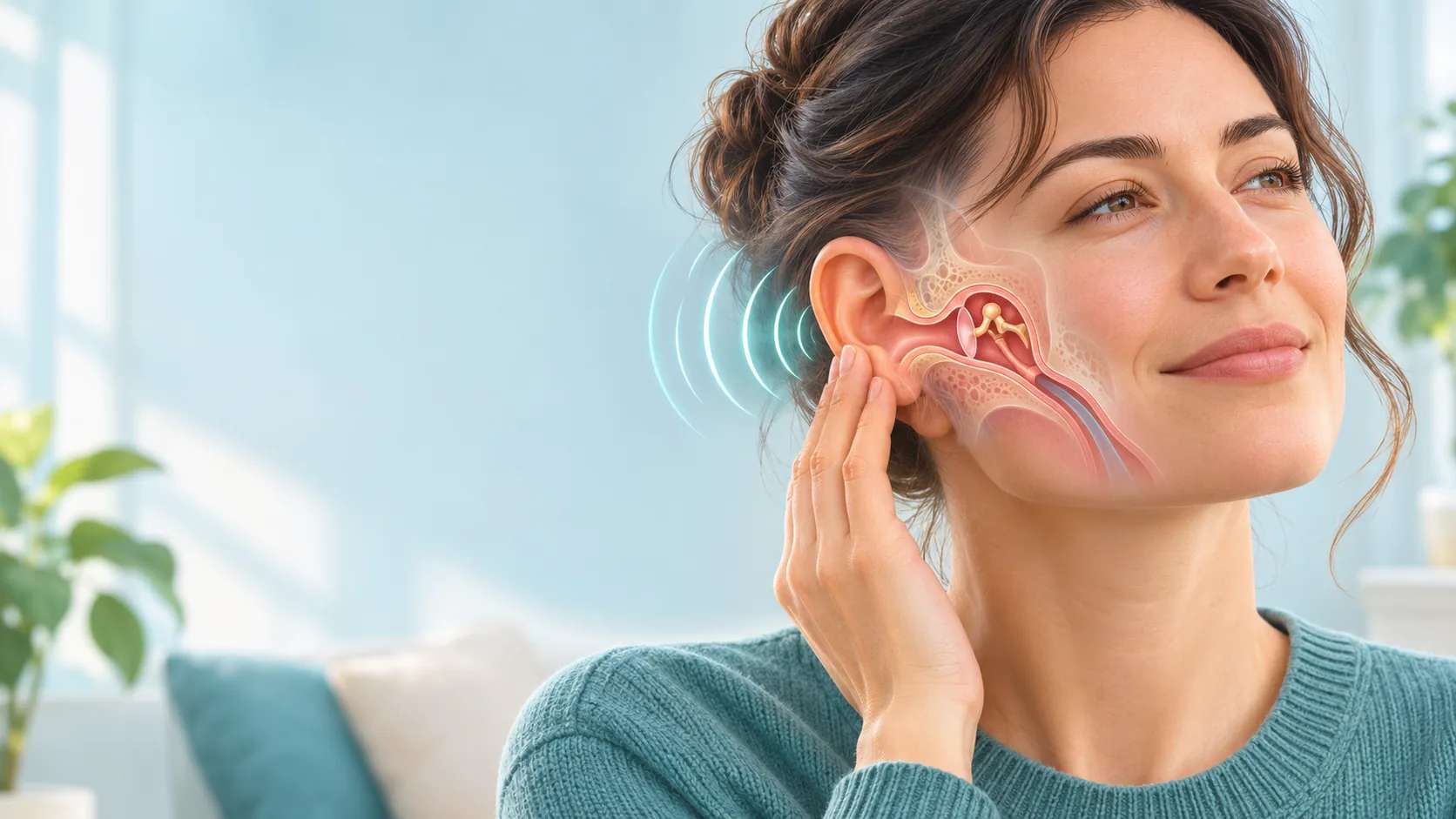
Crackling sounds in the ear can come from pressure changes, Eustachian tube problems, jaw movement, wax, or middle-ear muscle activity.
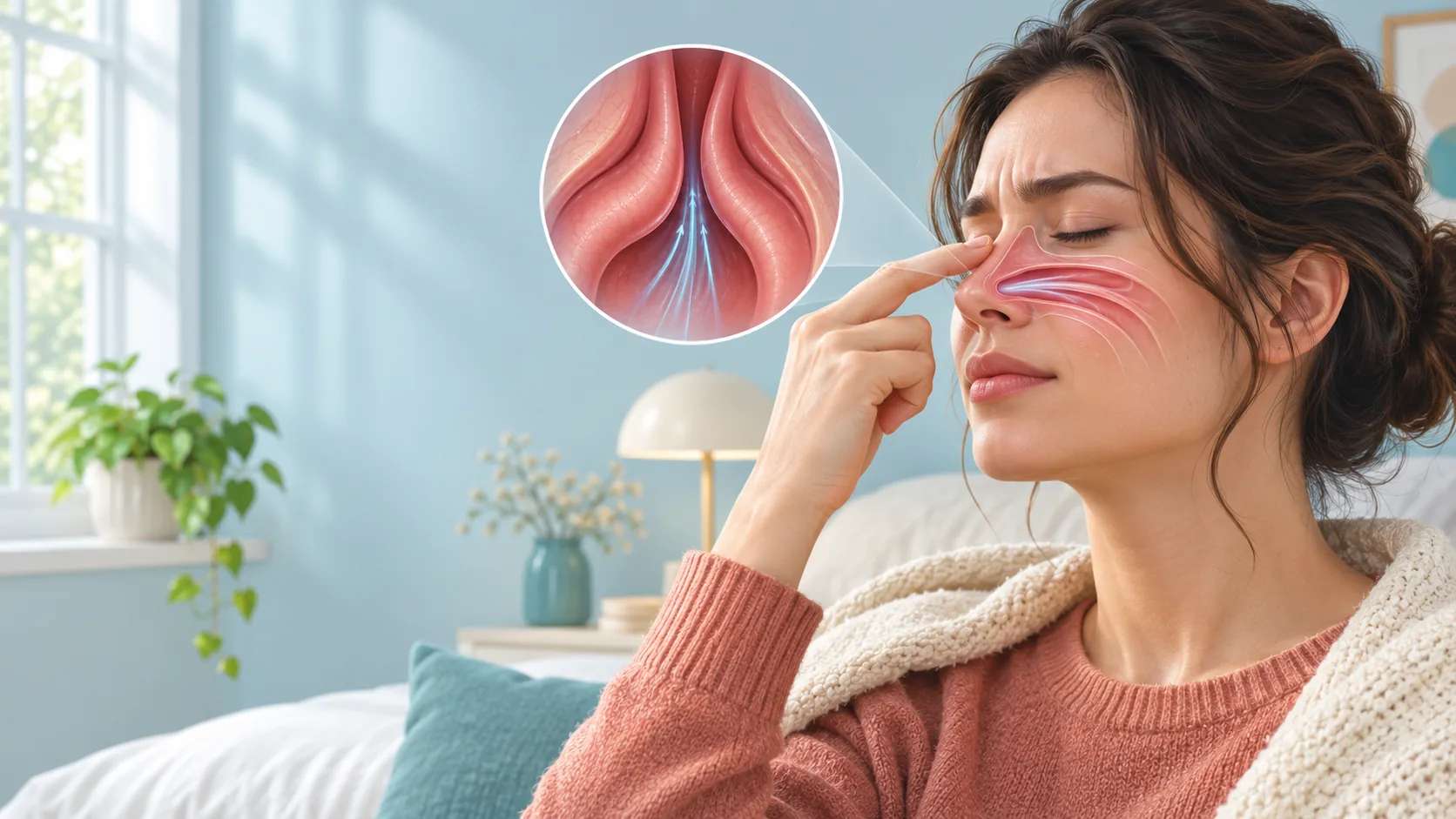
A nose can feel blocked without discharge because of swelling, dryness, allergies, position, a deviated septum, or nasal valve narrowing.
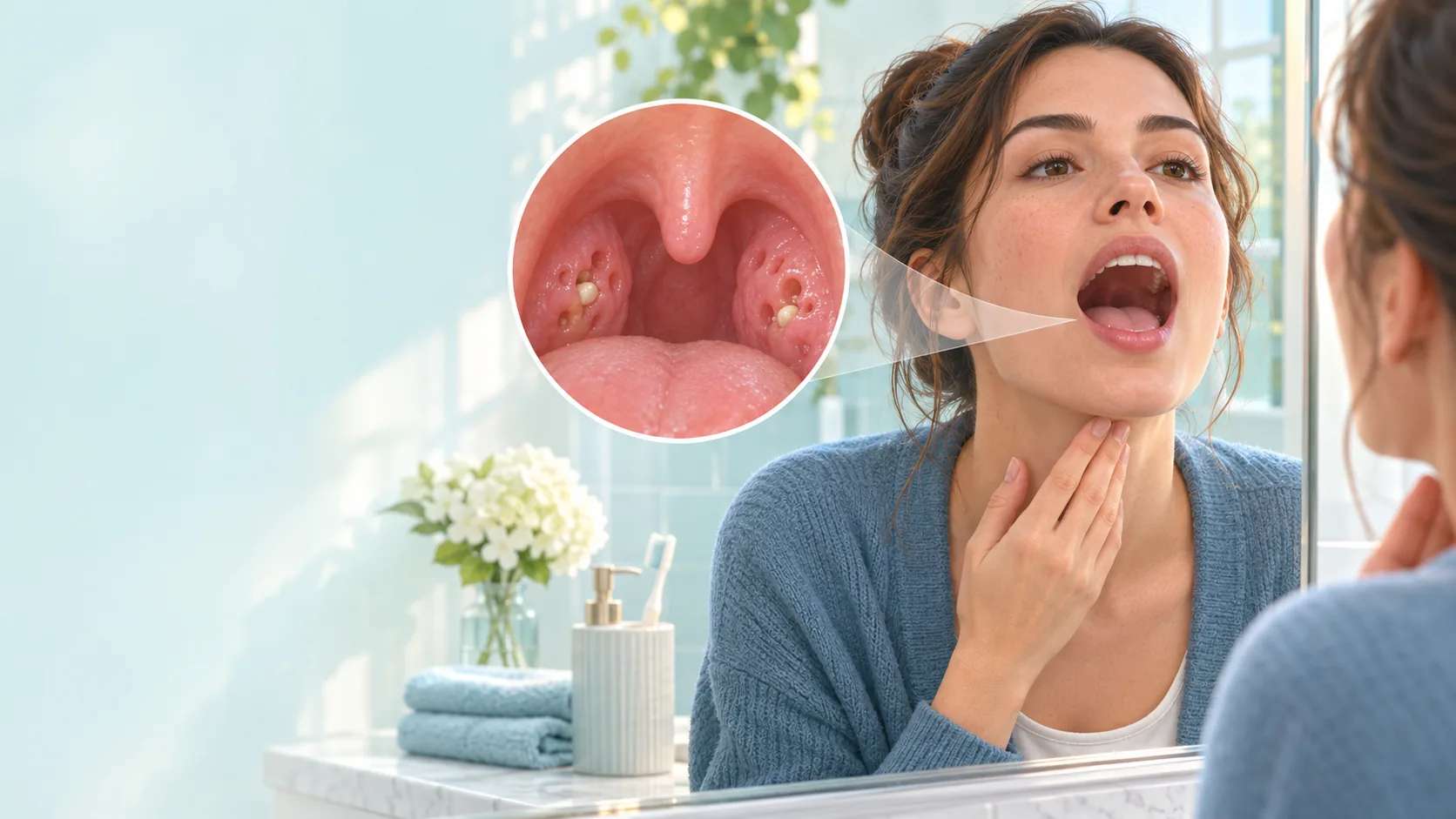
Tonsil stones can cause persistent bad breath without a sore throat. Learn why they form, how to manage them safely, and which warning signs matter.
Subscribe to the Medifinder newsletter and never miss our latest content.