










Does Any Laser System Remove Gray or Graying Hair?
Laser hair removal is excellent for many people with dark, pigmented hair, but it is not a reliable solution for gray, white, silver, or very light hair. The reason is simple: most hair-removal lasers need melanin in the hair shaft to absorb energy and carry heat into the follicle.

- Last updated
- 156 reads
- 5 min read


Can laser hair removal treat gray hair?
Laser hair removal generally cannot treat truly gray or white hair because the laser has little or no pigment to target. Dermatology guidance from the American Academy of Dermatology states that laser hair removal does not work on blonde, white, gray, or red hair because lasers cannot effectively target light-colored hair. Mayo Clinic similarly notes that blonde, white, and gray hair have less pigment, and hair color is one of the factors that influences laser hair removal results.
That does not mean every graying person is automatically a poor candidate. Many people have a blend of dark hairs and gray hairs in the same area. In that case, a qualified provider may be able to reduce the darker hairs with laser treatment, then recommend another method for the light hairs that remain.
Why pigment matters more than the laser brand
Hair-removal lasers work through selective heating. The device sends light energy into the skin, and dark pigment in the hair absorbs that energy. When the process works well, heat travels down the hair shaft and helps damage the follicle enough to reduce future growth.
Gray hair changes the equation. Hair turns gray or white when follicles stop producing melanin, the pigment that gives hair its color. Without enough melanin, the laser cannot “see” the hair clearly, so increasing the power is not a simple fix and may increase the chance of unwanted skin irritation, especially if the skin absorbs more heat than the hair does.
This is why the question is less about finding a secret premium machine and more about biology. Alexandrite, diode, Nd:YAG, and IPL devices all depend on light absorption in some way. They vary in wavelength, settings, and suitability for different skin tones, but none can consistently overcome the absence of pigment in a white or gray hair shaft.

What about graying hair that still has some color?
Graying hair sits on a spectrum. Some strands are fully white, some are pale gray, and others still contain enough brown or black pigment to respond partially. If the hair looks salt-and-pepper, a laser may reduce the pigmented hairs while leaving the pale hairs behind.
This can be useful, but expectations matter. After several laser sessions, the area may look lighter, finer, or patchier because the darker hairs have reduced and the gray hairs are more visible. That result is not necessarily a failed treatment; it may simply reveal which hairs were never good laser targets.
A realistic consultation should include:
- Hair-color assessment: The provider should look closely at the actual treatment area, not just ask about your natural hair color.
- Skin-tone evaluation: Settings and laser type should be selected with your skin tone and sensitivity in mind.
- Discussion of gray percentage: A few gray hairs may be easy to finish with another method, while mostly gray growth may make laser inefficient.
- Patch testing when appropriate: A small test area can help gauge skin response before treating a larger area.
- Clear maintenance expectations: Laser is commonly described in regulatory language as long-term or permanent hair reduction, not guaranteed removal of every hair. FDA device summaries define permanent reduction as a stable long-term reduction in regrowth measured after treatment, which is different from eliminating all hairs forever.
Electrolysis is usually the better option for gray hair
For gray, white, silver, blonde, or red hairs, electrolysis is typically the more appropriate long-term option because it does not depend on hair pigment. Instead of using light to target melanin, electrolysis treats individual follicles with a fine probe and electrical energy. The Cleveland Clinic describes electrolysis as a treatment that can provide permanent hair removal and notes that it works across the widest range of skin and hair types.
The tradeoff is time. Laser can treat many hairs at once, which makes it attractive for large areas with dark hair. Electrolysis treats one follicle at a time, so it is often slower and better suited for smaller areas, facial hair, scattered gray hairs, or cleanup after laser.
For someone with a mix of dark and gray hair, a staged plan may make sense. Laser can first reduce dense dark growth, and electrolysis can then address the gray hairs that laser leaves behind. This approach is especially common when the person wants a smoother final result rather than partial reduction.
Choosing the right hair-removal plan
The best plan depends on the color mix, treatment area, budget, skin type, comfort level, and timeline. It is worth being cautious with any clinic or device advertisement that suggests gray hair can be removed as easily as dark hair with “new technology.” Technology has improved, but the pigment limitation remains central.
Use this checklist before committing to treatment:
- Ask whether your gray hairs are expected to respond. A trustworthy provider should answer directly rather than promise universal results.
- Separate dark-hair goals from gray-hair goals. You may need laser for one group of hairs and electrolysis for the other.
- Avoid plucking before consultation. Providers often need to see the hair pattern, density, and color clearly.
- Clarify the language. “Reduction” usually means fewer or finer hairs over time; “removal” suggests a more complete goal.
- Plan for multiple sessions. Both laser and electrolysis require repeated appointments because hairs grow in cycles.
- Prioritize qualified treatment. The AAD advises consultation before laser hair removal to evaluate health, goals, and treatment expectations.
Common myths about laser and gray hair
One common myth is that turning up the laser power will make gray hair respond. In reality, higher settings cannot create melanin where there is none. More heat may only raise the risk of discomfort, redness, pigment changes, or burns.
Another myth is that at-home IPL devices solve the problem. IPL is still light-based, so it faces the same basic issue with low-pigment hair. If the hair is too light for professional laser targeting, it is unlikely to become a great candidate just because the device is used at home.
A third myth is that dyeing the hair before laser treatment helps. Dye usually colors the visible hair shaft above the skin, not the active follicle target below the skin. It may also irritate the skin or interfere with safe treatment timing, so it should not be used as a workaround unless a qualified provider specifically advises it.
The practical takeaway
If the hair is truly gray or white, laser hair removal is usually not the right tool. If the area contains both dark and gray hairs, laser may reduce the darker hairs, but electrolysis is often needed for the gray hairs that remain.
So, does any laser system remove gray or graying hair? For fully gray hair, no laser system is consistently reliable because the pigment target is missing. The smartest next step is an in-person evaluation that separates what laser can realistically reduce from what electrolysis may need to finish.
Sources:
- https://www.accessdata.fda.gov/cdrh_docs/pdf18/K182088.pdf
- https://my.clevelandclinic.org/health/treatments/8306-electrolysis
- Last updated
- Language
- English
How did you find this article?

One of the questions most frequently asked by those starting laser hair removal is how often the sessions should be performed. In particular, the fact that hair begins to reappear quickly can lead to the thought: "Would I get faster results if I had the laser treatment sooner?".
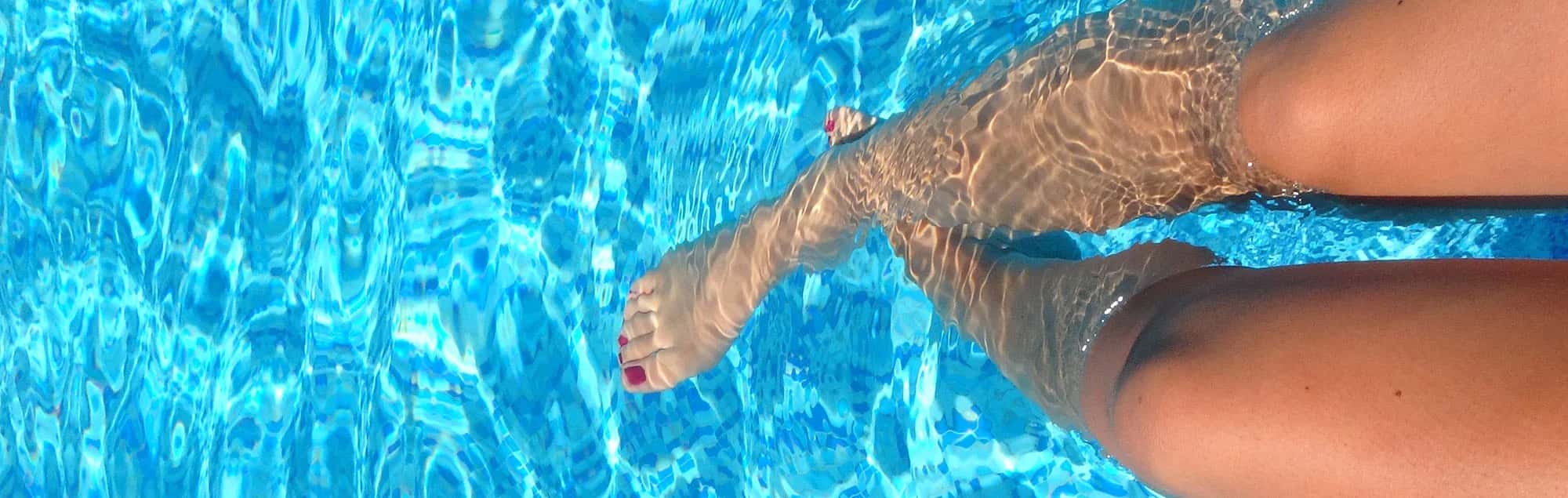
Can you go into a pool after laser hair removal? Generally, entering a pool immediately after the procedure is not recommended. This is because the skin surface can become temporarily more sensitive following laser treatment.
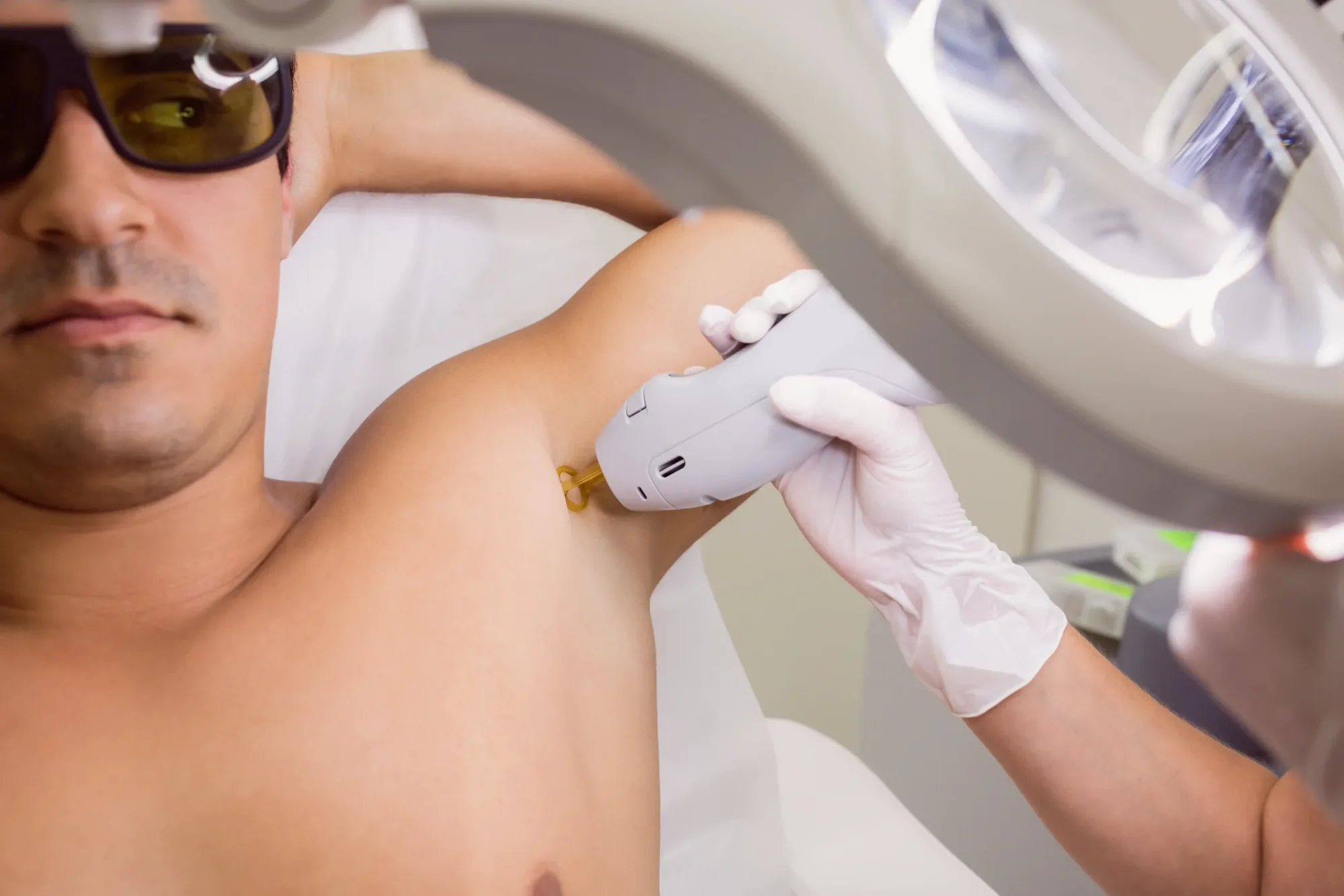
Completing the laser hair removal sessions does not mean that not a single hair will ever grow again in the treated area. A significant reduction in hair may be observed after the sessions, while any remaining hair may become finer, lighter in color, or sparser.
Subscribe to the Medifinder newsletter and never miss our latest content.