










Chemical Peeling in Turkey
International patients research chemical peeling in Turkey because many dermatology and aesthetic clinics offer different peel options. Travel access, multilingual services, and possible cost differences may also influence treatment planning. Chemical peels use controlled exfoliation to address selected skin concerns.

- Last updated
- 136 reads
- 21 min read


What Is a Chemical Peel?
A chemical peel applies a controlled solution that removes selected outer skin layers. This process is also called chemexfoliation. It may improve texture, tone, or superficial irregularities.
Treatment depth ranges from light epidermal exfoliation to deeper tissue injury. Chemical peeling describes a broad category rather than one standardized procedure.
How Does a Chemical Peel Work?
Chemical agents create controlled changes within selected skin layers. The treated cells loosen, shed, or undergo a planned healing response. This process may produce smoother texture or more even-looking skin.
Visible peeling does not always indicate treatment effectiveness. Some superficial peels cause limited flaking despite creating a clinical effect.
What Determines the Depth of a Chemical Peel?
Peel depth depends on the ingredient, formulation, application, skin condition, and practitioner technique. Concentration alone cannot determine treatment intensity.
Acidity, volume, contact time, and layer number also affect penetration. Application pressure, skin preparation, treatment area, and neutralization method can influence results. A qualified practitioner must consider these factors together.
Why Do Patients Consider Chemical Peeling in Turkey?
Patients consider Turkey because it offers many dermatology clinics, aesthetic centres, and medical tourism services. International flights and multilingual support can simplify communication and travel planning.
Providers may offer different peel ingredients, treatment depths, and combined consultation services. Prices may also differ from those in other countries. These factors do not prove superior clinical quality.
Practitioner qualifications, products, hygiene standards, and follow-up arrangements vary between clinics. Each provider requires independent evaluation.
What Are the Main Types of Chemical Peels?
Chemical peels are commonly classified as superficial, medium-depth, or deep. Each category affects different skin layers and requires different recovery.
Expected effects and complication risks generally increase with treatment depth. However, product choice and technique also influence intensity.
What Is a Superficial Chemical Peel?
A superficial peel mainly affects the epidermis, which is the skin’s outer layer. It creates limited exfoliation with relatively modest recovery.
Providers may consider superficial peels for mild texture changes, oiliness, superficial pigmentation, or selected acne concerns. Several sessions may be discussed, depending on the skin response.
Repeated treatment does not guarantee cumulative improvement. Irritation or pigmentation can still occur after a light peel.
What Is a Medium-Depth Chemical Peel?
A medium-depth peel reaches beyond the outer epidermis into selected upper dermal layers. The dermis is the deeper supporting skin layer.
Providers may consider these peels for sun damage, pigmentation, fine lines, or selected acne scars. Recovery usually involves more redness, swelling, crusting, and visible peeling.
Medium peels require careful patient selection and structured aftercare. They should not be treated like routine superficial facials.
What Is a Deep Chemical Peel?
A deep peel creates controlled injury within deeper skin layers. It has longer recovery and greater medical risks than lighter peels.
Deep peels may address selected severe texture or ageing concerns. However, they require experienced medical supervision and careful patient selection.
Some deep-peel agents require monitoring beyond routine cosmetic treatment. Deep peeling should not be presented as a standard facial procedure.
Which Ingredients Are Used in Chemical Peels?
Chemical peels use different active ingredients with varied mechanisms, depths, and clinical purposes. Acids cannot be treated as interchangeable products.
The same ingredient may create different effects under different protocols. Formulation, skin preparation, contact time, and technique remain important.
What Is a Glycolic Acid Peel?
A glycolic acid peel uses an alpha hydroxy acid for controlled skin exfoliation. Alpha hydroxy acids are water-soluble exfoliating compounds.
Glycolic acid may be considered for dullness, texture changes, mild pigmentation, or selected acne concerns. Its small molecular structure can support relatively active penetration.
Treatment intensity depends on more than concentration. Acidity, layering, preparation, and contact time also influence the response.
What Is a Salicylic Acid Peel?
A salicylic acid peel uses a beta hydroxy acid with oil-soluble properties. It can enter oily areas around pores more readily.
Providers may consider salicylic acid for oily skin, clogged pores, or selected acne concerns. It may also support treatment of some post-acne marks.
Allergy history, skin condition, and treatment area require assessment. Excessive use can cause irritation, dryness, or pigmentation changes.
What Is a Lactic Acid Peel?
A lactic acid peel uses an alpha hydroxy acid for mild superficial exfoliation. It may support treatment of dryness, uneven texture, or mild pigmentation.
Lactic acid is sometimes described as gentler than other acids. However, it is not automatically suitable for sensitive skin. Formulation and application still affect irritation risk.
What Is a Mandelic Acid Peel?
A mandelic acid peel uses an alpha hydroxy acid with a larger molecular structure. It may penetrate differently from glycolic acid.
Providers may consider it for selected acne, texture, or pigmentation concerns. Slower penetration can influence treatment intensity.
However, slower penetration does not eliminate irritation or post-inflammatory pigmentation. Suitability still depends on individual assessment.
What Is a TCA Peel?
A TCA peel uses trichloroacetic acid to create controlled exfoliation at different depths. TCA can produce superficial, medium, or deeper effects.
Providers may consider it for pigmentation, texture changes, fine lines, or selected scars. The outcome depends on formulation, layers, technique, and skin preparation.
TCA requires experienced application and appropriate patient selection. Incorrect use can cause burns, pigment loss, or scarring.
What Is a Jessner Peel?
A Jessner peel uses a formulated blend of exfoliating ingredients. Traditional and modified formulations may differ between manufacturers and clinics.
The solution may be used alone or within another peeling plan. Its purpose depends on the formulation and treatment goal.
Patients should request the exact product details. The name alone does not explain the peel’s full composition or intensity.
What Is a Phenol Peel?
A phenol peel is associated with deep chemical peeling and substantial recovery. It creates stronger tissue effects than routine superficial peels.
Phenol treatment carries greater risks and strict patient-selection requirements. Some protocols may affect the heart, kidneys, or liver.
Monitoring may be necessary during selected treatments. Phenol peeling requires experienced medical supervision and detailed informed consent.
What Can Chemical Peeling Treat?
Chemical peeling may address selected concerns involving texture, pigmentation, acne, or fine surface lines. Suitability depends on diagnosis, peel depth, and individual risk.
Possible targets include dullness, roughness, sun-related spots, freckles, and enlarged-looking pores. Providers may also discuss superficial scars, post-acne marks, or selected melasma cases.
Chemical peels cannot treat every medical or cosmetic skin condition. Suspicious, bleeding, changing, or irregular lesions need medical assessment first.
Can Chemical Peels Treat Acne?
Selected superficial peels may support acne treatment for suitable patients. They may reduce oiliness, clogged pores, or superficial inflammation.
Some formulations may also improve post-acne pigmentation. However, irritation can temporarily worsen redness or sensitivity.
Moderate or severe acne may require prescription treatment. Peeling should not replace appropriate medical management.
Can Chemical Peels Remove Acne Scars?
No, chemical peels cannot guarantee complete acne scar removal. Superficial peels mainly affect colour and surface texture.
Depressed, deep, or tethered scars extend beyond the outer skin layers. They may require microneedling, subcision, lasers, or other procedures.
Improvement depends on scar type, peel depth, and healing response. Patients should expect realistic changes rather than scar-free skin.
Can Chemical Peels Treat Pigmentation?
Selected pigmentation concerns may improve after an appropriate chemical peel. Pigmentation includes several conditions with different causes.
Sun spots, melasma, and post-inflammatory marks require different treatment plans. Diagnosis, skin type, peel selection, and sun protection all influence outcomes.
Incorrect treatment can worsen existing pigmentation. A qualified practitioner should assess the cause before recommending a peel.
Can Chemical Peels Treat Melasma?
Selected superficial peels may form part of a broader melasma treatment plan. They do not provide a permanent cure.
Melasma is influenced by sunlight, heat, hormones, inflammation, and skin irritation. Recurrence can occur after an initial improvement.
Aggressive peeling may worsen melasma through inflammation. Treatment should remain conservative and individually planned.
Can Chemical Peels Treat Post-Inflammatory Hyperpigmentation?
Carefully selected superficial peels may improve some post-inflammatory hyperpigmentation. This condition causes dark marks after irritation or inflammation.
Chemical irritation can also create or worsen these marks. Darker skin tones may carry a greater risk of pigment changes.
The original trigger should be assessed before treatment. Active inflammation may need management before peeling begins.
Can Chemical Peels Reduce Wrinkles?
Selected chemical peels may soften fine surface lines. Deeper wrinkles usually involve movement, volume loss, or structural tissue changes.
Chemical peeling cannot correct every wrinkle cause. Other treatments may include botulinum toxin, fillers, lasers, or surgery.
The correct option depends on anatomy and treatment goals. Results vary between patients and peel depths.
Can Chemical Peels Reduce Enlarged Pores?
Chemical peels may make pores appear less noticeable after texture or oiliness improves. They cannot permanently close or remove pores.
Genetics, oil production, ageing, and acne history influence pore appearance. Changes may be modest and temporary.
A practitioner should assess whether congestion or texture affects the concern. Other procedures may be more suitable.
Which Areas Can Be Treated With Chemical Peels?
Common treatment areas include the face, neck, décolletage, chest, back, and hands. Selected acne-prone body areas may also receive treatment.
Skin thickness and sensitivity vary across anatomical locations. A protocol designed for the face may be unsuitable elsewhere.
The provider should adjust product choice and technique for each area. Not every peel is appropriate for every body region.
Is Chemical Peeling Suitable for Every Skin Type?
Chemical peeling is not suitable for every skin type or condition. Risk depends on skin characteristics, diagnosis, and peel protocol.
Darker skin tones may experience post-inflammatory hyperpigmentation after irritation. Deeper peels may also cause uneven lightening.
The Fitzpatrick scale classifies skin by its response to ultraviolet exposure. It can support assessment but cannot determine safety alone.
Ethnicity or visible skin colour should not decide treatment by itself. Medical history and previous pigment reactions also matter.
Who May Be Suitable for a Chemical Peel?
Suitable candidates may include adults with clearly assessed skin concerns and realistic expectations. General health should support normal healing.
The treatment area should have no active infection or open wound. Patients should understand recovery, sun protection, and possible pigment changes.
Reliable aftercare and follow-up access are important. Photographs alone cannot confirm treatment suitability.
Who Should Avoid or Postpone Chemical Peeling?
Some patients should postpone peeling or receive further medical assessment. Active infections, herpes outbreaks, wounds, sunburn, or recent tanning may prevent treatment.
Active eczema, psoriasis, or severe inflammatory acne may require management first. Suspicious lesions also need diagnosis before cosmetic procedures.
Pregnancy, breastfeeding, skin-sensitive medicines, and recent isotretinoin use require individual review. Contraindications vary by peel ingredient and depth.
Poor wound healing, keloid tendency, recent laser treatment, or facial surgery may affect timing. Patients should not stop prescribed medicines independently.
Medication changes require advice from the prescribing clinician. Unrealistic expectations can also make treatment unsuitable.
What Happens During a Chemical Peel Consultation?
A consultation evaluates the skin concern, medical history, skin type, and treatment goals. It should occur before selecting a peel.
The practitioner should examine active conditions, pigmentation patterns, and previous treatment effects. Medicines, allergies, tanning, and sun exposure also require review.
The discussion should cover possible depth, ingredients, alternatives, recovery, and risks. Skin preparation and follow-up planning may also be necessary.
Informed consent should follow a clear explanation. Consultation should not focus only on peel strength or price.
Is Skin Preparation Needed Before a Chemical Peel?
Some patients require structured skin preparation before peeling. The preparation depends on skin type, concern, and planned treatment depth.
A provider may discuss gentle skincare, sun protection, or prescribed products. These measures can support treatment planning and recovery.
There is no universal preparation routine. Unsuitable products may increase irritation or pigment changes.
How Is a Chemical Peel Performed?
A chemical peel usually involves assessment, cleansing, controlled application, monitoring, and aftercare. The exact protocol depends on the product and depth.
The practitioner may take clinical photographs before protecting sensitive areas. They then apply the selected solution and observe the skin response.
Some products require neutralization, while others stop through different mechanisms. Neutralization means limiting or ending an acid’s activity.
Soothing care may follow treatment. The clinic should provide written aftercare and follow-up information.
Does a Chemical Peel Hurt?
A chemical peel can cause tingling, warmth, stinging, burning, or tightness. Discomfort varies by ingredient, depth, area, and individual sensitivity.
Superficial peels may cause brief stinging. Medium or deep peels can produce stronger sensations and require additional comfort measures.
Severe or unexpected pain should be reported immediately. No chemical peel should be described as completely painless.
How Long Does a Chemical Peel Appointment Take?
Appointment length depends on peel type, preparation, monitoring, and aftercare needs. A superficial peel may require less clinic time.
Consultation, photography, cleansing, and skin preparation increase the appointment length. Deeper peels may require additional observation.
No fixed duration suits every protocol. The clinic should explain scheduling before treatment.
How Many Chemical Peel Sessions Are Needed?
The required session number varies by concern, ingredient, depth, and treatment response. No universal course applies.
Superficial peels may be planned as a series. Medium or deep peels follow different principles and recovery requirements.
Previous treatments, healing, and practitioner assessment influence planning. More sessions do not guarantee better results.
How Often Can Chemical Peels Be Performed?
Treatment spacing depends on peel depth, skin recovery, and individual response. Deeper peels require longer healing and reassessment.
Repeating treatment before recovery may increase burns, irritation, or pigmentation risks. The skin should heal fully before another procedure.
One fixed interval cannot suit every patient. The treating practitioner should determine timing.
When Are Chemical Peel Results Visible?
Visible changes usually develop after the initial healing period. Redness, darkening, flaking, crusting, or peeling may appear first.
Texture or pigmentation changes can take longer to assess. The early appearance may not represent the final outcome.
Visible peeling does not guarantee effectiveness. Limited peeling does not automatically mean treatment failure.
How Long Do Chemical Peel Results Last?
Result duration depends on the treated concern and future skin exposure. Sunlight, hormones, acne, ageing, and inflammation can affect longevity.
Skin texture may change again over time. New pigmentation can also develop after treatment.
Chemical peeling does not stop natural ageing or future sun damage. Maintenance should follow professional assessment.
Are Chemical Peel Results Permanent?
No, most cosmetic improvements from chemical peeling can change over time. Treated pigmentation may return or new marks may appear.
Ageing, sunlight, hormones, and inflammation continue affecting the skin. Deep peeling also cannot prevent future skin changes.
Maintenance treatment may be discussed when appropriate. It cannot guarantee permanent improvement.
What Is Recovery Like After a Chemical Peel?
Recovery depends mainly on peel depth, ingredient, and individual healing. Superficial peels usually differ greatly from deeper procedures.
Possible reactions include redness, tightness, dryness, sensitivity, and visible flaking. Swelling, darkening, crusting, or tenderness may also occur.
Medium and deep peels can produce more substantial downtime. Temporary colour changes may remain during healing.
Peeling skin should not be pulled or picked. Forced removal can increase infection, pigment, and scarring risks.
What Should Patients Avoid After a Chemical Peel?
Patients should avoid activities that damage the healing skin barrier. Provider-specific instructions should guide aftercare.
Common precautions may involve picking, scrubbing, exfoliating acids, retinoids, and fragranced products. Direct sunlight and tanning may also worsen inflammation.
Intense exercise, hot showers, saunas, steam rooms, and swimming may require temporary avoidance. Makeup should not cover broken or heavily peeling skin.
Other cosmetic procedures may need careful spacing. No universal aftercare timeline suits every peel.
When Can Makeup Be Applied After a Chemical Peel?
Makeup timing depends on peel depth and skin recovery. Cosmetics may irritate damaged, peeling, or sensitive skin.
Brushes, sponges, and expired products can introduce microorganisms. Makeup should not cover weeping, blistered, or broken areas.
Patients should follow the clinic’s written guidance. One waiting period cannot suit every procedure.
Why Is Sun Protection Important After Chemical Peeling?
Ultraviolet exposure can worsen inflammation and pigmentation after a chemical peel. Healing skin may become particularly sensitive.
Broad-spectrum sunscreen, protective clothing, hats, and shade can support recovery. Direct exposure should remain limited according to professional advice.
Sunscreen cannot eliminate every complication risk. Sun protection may also be necessary before treatment.
What Are the Side Effects of Chemical Peels?
Chemical peels commonly cause temporary redness, stinging, dryness, tightness, and peeling. Mild swelling or darkening can also occur.
Less common complications include burns, infection, persistent redness, and delayed healing. Hyperpigmentation, hypopigmentation, scarring, or texture changes may develop.
Facial procedures can reactivate herpes infections in susceptible patients. Allergic reactions to products are also possible.
Selected deep-peel agents may affect the heart, kidneys, or liver. Risks differ substantially between superficial and deep procedures.
Can Chemical Peels Cause Hyperpigmentation?
Post-inflammatory hyperpigmentation can develop after chemical peeling. Irritation or inflammation may stimulate excess melanin production.
Darker skin tones and previous pigment problems may require greater caution. Sun exposure during recovery can increase concern.
Appropriate patient selection and conservative treatment may reduce risk. They cannot eliminate every pigmentation complication.
Can Chemical Peels Cause Hypopigmentation?
Loss of pigment can occur after deeper chemical injury. Hypopigmentation means the treated skin becomes lighter than surrounding areas.
The change may be prolonged or permanent in some cases. Deeper peels generally carry greater concern.
Conservative planning and experienced application remain important. Patients should understand this risk before treatment.
Can Chemical Peels Cause Scarring?
Scarring is uncommon but remains possible after chemical peeling. Excessive depth, infection, or aggressive treatment can damage deeper tissue.
Picking crusts or peeling skin can interfere with recovery. Poor wound healing may also increase risk.
Early assessment matters when healing appears abnormal. Delayed treatment can allow complications to progress.
Can Chemical Peels Trigger Herpes?
Facial chemical peels can reactivate dormant herpes infections. Previous cold sores should be disclosed during consultation.
The risk may depend on treatment area and peel depth. Prevention or treatment decisions require medical assessment.
Patients should not self-prescribe antiviral medicine. A qualified clinician should guide any medication plan.
When Should Patients Contact Their Clinic?
Patients should contact their clinic when symptoms worsen or exceed the expected recovery pattern. Increasing pain or severe burning needs assessment.
Spreading redness, discharge, fever, large blisters, or worsening swelling may indicate complications. Delayed healing and unexpected crusting also require review.
Significant colour changes, new sores, or infection signs should be reported. Breathing difficulties or severe allergic symptoms require urgent medical care.
How Much Does Chemical Peeling Cost in Turkey?
Chemical peel prices vary by depth, ingredient, treatment area, and provider. No universal price applies to every patient.
Superficial, medium, and deep peels have different clinical requirements. Practitioner qualifications, clinic location, and session numbers also affect costs.
Preparation products, anaesthetic, sedation, monitoring, aftercare, and follow-up may change the total. Currency fluctuations affect international patients.
Advertised starting prices may not represent complete treatment costs. Patients should not select the strongest or cheapest peel automatically.
What Is Included in a Chemical Peel Price?
Package inclusions vary between clinics and treatment plans. Patients should request an itemized quotation before booking.
Possible inclusions include consultation, assessment, photography, preparation products, and the procedure. Anaesthetic, monitoring, aftercare, or follow-up may cost separately.
International packages can include translation, transfers, or accommodation. Travel services do not indicate clinical quality.
How Should Patients Choose a Chemical Peel Clinic in Turkey?
Patients should prioritize practitioner qualifications, accurate peel selection, safety procedures, and follow-up care. Social media popularity should remain secondary.
Confirm the practitioner’s professional title and legal authority. Ask about dermatology, aesthetic medicine, and experience with the proposed peel depth.
The clinic should explain product details, skin assessment, infection control, and emergency procedures. Medical history and pigmentation risks should receive proper attention.
Written consent, transparent pricing, photography policies, and aftercare should be clear. Follow-up must remain available after international patients return home.
Before-and-after photographs cannot guarantee individual outcomes. Lighting, editing, and different treatment plans may affect comparisons.
How Can Patients Verify the Chemical Peel Product?
Patients should request exact product, ingredient, and protocol information before treatment. The clinic should answer clearly.
Ask for the manufacturer, packaging, expiry date, storage conditions, and intended peel depth. Practitioner experience and legal status also matter.
Branding alone does not guarantee suitable or safe treatment. Product choice must match the patient’s skin and clinical goal.
What Questions Should Patients Ask Before Booking?
Patients should confirm qualifications, peel depth, risks, recovery, pricing, and follow-up before booking.
- Who will perform the chemical peel?
- What is the practitioner’s professional qualification?
- Is the clinic authorized to provide this treatment?
- Which chemical solution will be used?
- What peel depth is planned?
- Why is this peel suitable?
- How will skin type affect the protocol?
- Is skin preparation required?
- What results are realistic?
- What recovery should be expected?
- What are the pigmentation risks?
- How will complications be managed?
- Is follow-up included?
- Who can be contacted after returning home?
- What does the quotation include?
How Should International Patients Plan Treatment in Turkey?
International patients should allow recovery flexibility, sun avoidance, and reliable follow-up access. Visible peeling may disrupt travel plans.
Patients should confirm consultation timing, preparation, accommodation, transport, translation, and payment methods. Written treatment and product records should be requested.
Travel insurance may exclude cosmetic procedures or related complications. Policy limits should be checked before travelling.
Medium or deep peels should not be scheduled before important events. Chemical peeling requires clinical planning rather than casual tourism scheduling.
Can Patients Fly After a Chemical Peel?
Flying may be possible, but timing depends on peel depth and skin response. No universal waiting period applies.
Swelling, sensitivity, hygiene, and aftercare can complicate travel. Flights may also reduce access to the treating clinic.
Airport transfers and sightseeing can increase sunlight exposure. Individual travel advice should come from the treating professional.
Can Chemical Peels Be Combined With Other Treatments?
Combination treatments require individualized timing and risk assessment. Closely spaced procedures may increase irritation, infection, and pigmentation risks.
Possible combinations include microneedling, lasers, injectables, and topical pigmentation treatments. Acne therapies and facial procedures may also affect scheduling.
Every procedure should have a clear clinical purpose. Treatments should not be combined solely to increase package value.
Chemical Peel Versus Microneedling
Chemical peels use controlled chemical exfoliation, while microneedling creates mechanical channels. Their mechanisms and treatment targets differ.
Peels may focus on surface pigmentation or texture. Microneedling may address selected scars and deeper textural concerns.
Recovery, risks, and skin-type considerations also differ. Neither option is universally superior.
Chemical Peel Versus Laser Resurfacing
Chemical peels use chemical agents, while laser resurfacing uses focused light energy. Both can create controlled skin injury.
Their depth control, pigment interaction, recovery, and costs vary. Laser systems also differ significantly from each other.
The correct method depends on diagnosis, skin type, and treatment goals. One technology cannot replace every alternative.
Chemical Peel Versus Hydrafacial
Chemical peels create controlled exfoliation, while Hydrafacial-style procedures combine cleansing, fluid delivery, and suction-based steps. Their treatment depths differ.
Hydrafacial-style treatments usually create less peeling and downtime. Chemical peels can produce stronger exfoliation under selected protocols.
Neither procedure is medically necessary for routine skin care. Suitability depends on the concern and patient preference.
Chemical Peel Versus Microdermabrasion
Chemical peels use acids, while microdermabrasion mechanically exfoliates the skin surface. Their penetration and tissue effects differ.
Microdermabrasion generally targets superficial surface cells. Chemical peels may reach varied depths, depending on the protocol.
Irritation, recovery, and pigmentation risks require separate assessment. Neither treatment suits every patient.
How Can MediFinder Support Clinic Research?
MediFinder can support research into doctors, dermatologists, clinics, locations, and treatment categories. Users may compare listed profiles and contact options.
Directory information can help patients prepare questions and create a shortlist. However, every detail requires independent verification.
Patients should confirm qualifications, licensing, products, prices, and treatment suitability directly. MediFinder does not diagnose conditions or select one provider.
It also does not guarantee clinical standards or treatment outcomes.
Chemical Peeling in Turkey Cost 2026
Chemical peeling in Turkey typically costs €100 to €400 per session in 2026, depending on peel depth and clinic.
Superficial peels are usually cheaper, while medium peels require stronger formulas and professional monitoring. Prices vary by treatment area, acid type, dermatologist experience, and the number of recommended sessions. Popular options include glycolic, salicylic, TCA, and combination peels for acne, pigmentation, or texture concerns. Some clinics provide discounted packages for patients needing three or more treatments. Choose a licensed clinic and confirm whether consultation, aftercare products, and follow-up appointments are included.
Frequently Asked Questions
Is chemical peeling safe in Turkey?
Chemical peeling can be performed safely in appropriate clinical settings, but every peel carries risks. Turkey alone does not determine treatment safety. Patients should verify practitioner qualifications, product details, skin assessment, emergency procedures, and follow-up arrangements. Deeper peels require greater medical oversight.
What does a chemical peel treat?
A chemical peel may address selected texture, pigmentation, acne, and fine-line concerns. The suitable indication depends on peel depth, ingredient, and skin type. Chemical peeling cannot treat every skin condition. Suspicious or changing lesions require medical assessment before cosmetic treatment.
Which chemical peel is best?
No chemical peel is best for every patient or concern. Glycolic, salicylic, lactic, mandelic, TCA, Jessner, and phenol peels serve different purposes. A qualified practitioner should select the product after examining the skin. Depth, recovery, and pigmentation risks require individual consideration.
Are chemical peels suitable for darker skin?
Some chemical peels may suit darker skin tones after careful assessment. However, inflammation can cause post-inflammatory hyperpigmentation or uneven lightening. Product choice, depth, preparation, and aftercare require caution. No peel should be described as universally safe for every skin tone.
Can chemical peels remove acne scars?
No, chemical peels cannot guarantee complete acne scar removal. Superficial peels may improve colour or minor surface irregularities. Deeper, depressed, or tethered scars often require other procedures. Treatment selection depends on scar type, depth, and skin response.
Can chemical peels treat melasma?
Selected superficial peels may support a broader melasma treatment plan. Melasma often returns and responds unpredictably to irritation. Sunlight, heat, hormones, and inflammation can influence recurrence. Aggressive peeling may worsen pigmentation in some patients.
How many chemical peel sessions are needed?
The required number of sessions varies by skin concern, peel depth, and individual response. Superficial peels may involve several treatments. Medium and deep peels follow different schedules and recovery requirements. More sessions do not guarantee better results.
Is a chemical peel painful?
A chemical peel may cause tingling, warmth, stinging, burning, or tightness. Discomfort depends on the ingredient, depth, treatment area, and sensitivity. Deeper peels can feel stronger than superficial treatments. Severe or unexpected pain requires immediate attention.
How long does peeling last?
Visible peeling varies by product, depth, skin condition, and individual healing. Some superficial peels cause little flaking. Medium or deep peels may produce longer crusting and shedding. Patients should not pull or remove peeling skin manually.
When are chemical peel results visible?
Results usually become clearer after redness, flaking, or crusting settles. Texture changes may appear before pigmentation improvements. Early peeling does not guarantee the final outcome. The practitioner should assess results after the expected healing period.
Are chemical peel results permanent?
No, most chemical peel results are not permanent. Sunlight, hormones, acne, ageing, and new inflammation can change the skin. Treated pigmentation may return, and new marks may develop. Maintenance should follow professional assessment.
Can chemical peels make pigmentation worse?
Yes, chemical peels can worsen pigmentation through irritation or excessive treatment depth. Post-inflammatory hyperpigmentation may follow skin injury. Darker skin tones and melasma require additional caution. Proper selection reduces risk without eliminating it.
When can makeup be applied after a chemical peel?
Makeup timing depends on peel depth and skin recovery. Cosmetics should not cover broken, blistered, or heavily peeling skin. Brushes and sponges may introduce bacteria when hygiene is poor. Patients should follow their clinic’s written instructions.
Can patients fly after a chemical peel?
Flying may be possible, but travel timing depends on peel depth and skin response. Swelling, sensitivity, aftercare, and sun exposure can complicate travel. Patients should obtain individual advice from their treating professional. Follow-up access should be arranged before departure.
How can patients verify the peel product?
Patients should request the product name, manufacturer, ingredient, packaging, and expiry date. The clinic should explain the intended peel depth and aftercare. Patients should also verify practitioner qualifications and clinic authorization. Product branding alone cannot guarantee safe treatment.
- Last updated
- Language
- English
How did you find this article?
Many singers, actors, reality stars and influencers have talked openly about getting lip filler, and a growing number have also shared why they later had it dissolved. This guide looks at what 20 of these public figures said about their own lip treatments and what their experiences can teach anyone considering filler.

Filler fatigue describes the point where repeated dermal filler treatments leave a face looking heavier, puffier or less like itself, and it is pushing many people to rethink how they approach injectables. This guide explains what causes it, how to recognize an overfilled face.
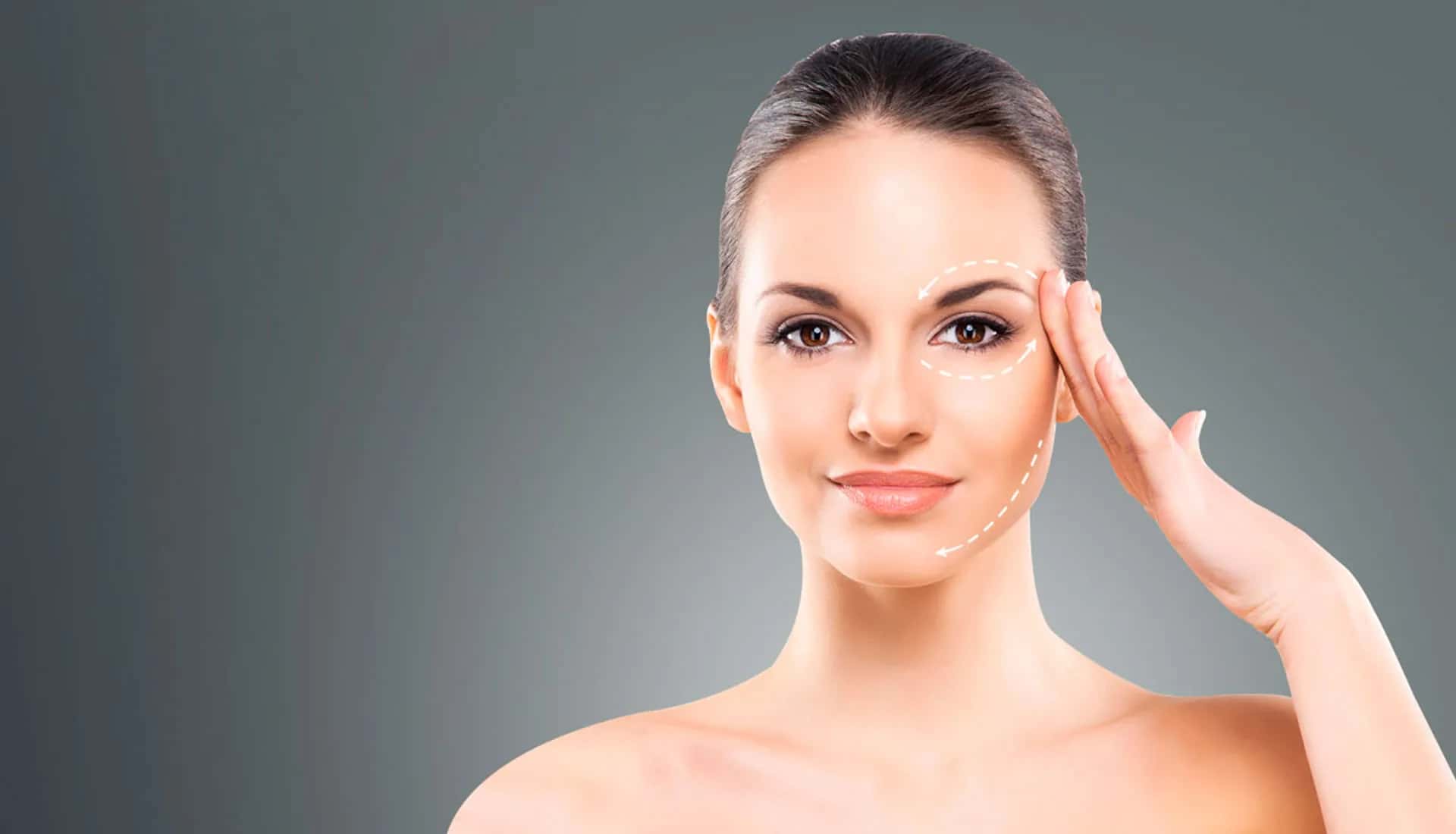
Overfilled faces develop when injectable treatments add more volume than the facial anatomy can accommodate naturally, altering contours, proportions and sometimes facial expression.
Subscribe to the Medifinder newsletter and never miss our latest content.