










Can Facial Wrinkles Be Eliminated with Non-Surgical Face Lift?
Learn whether a non-surgical face lift can remove facial wrinkles, which treatments may help, how long results last, and when surgery may be more suitable.

- Last updated
- 82 reads
- 9 min read


A non-surgical face lift can soften certain facial wrinkles, improve skin texture and create a fresher appearance. However, it cannot eliminate every wrinkle or reproduce the results of traditional face-lift surgery. The outcome depends on what causes the lines, how deeply they sit in the skin and how much tissue laxity you have.
The term “non-surgical face lift” does not refer to one specific procedure. Clinics often use it to describe a personalised combination of injectables, ultrasound, radiofrequency, thread treatments, laser procedures and skin-rejuvenation methods. Each option addresses a different part of facial ageing.
You may benefit when your concerns include early sagging, mild volume loss, fine lines or reduced skin firmness. Deeper folds, pronounced jowls and large amounts of loose skin usually require a more substantial approach.
A realistic treatment plan should improve your natural features rather than promise a completely wrinkle-free face. Facial movement creates expression, and removing every line can produce an artificial result.
Why Do Facial Wrinkles Develop?
Facial wrinkles develop through several processes rather than one single change. Collagen and elastin gradually decrease, so the skin becomes thinner and less resilient. Natural facial fat may lose volume or shift downward, while changes in bone structure reduce deeper support.
Repeated expressions also influence wrinkle formation. Smiling, frowning, squinting and raising your eyebrows fold the skin in the same places throughout the day. At first, these lines appear only during movement. Over time, they may remain visible when your face rests.
Sun exposure accelerates collagen breakdown and can create rough texture, pigmentation and fine lines. Smoking, poor sleep, weight changes and environmental stress may also affect the way your skin ages.
Because wrinkles have different causes, one treatment rarely corrects all of them. A successful non-surgical face lift usually begins with identifying whether the main problem involves muscle movement, volume loss, skin quality or tissue descent.
What Is a Non-Surgical Face Lift?
A non-surgical face lift uses minimally invasive or energy-based treatments to refresh facial contours without surgical incisions or removal of excess skin.
Your treatment may include dermal filler to restore support, botulinum toxin to reduce muscle-related lines, ultrasound or radiofrequency to improve firmness, and resurfacing procedures to address texture.
Some clinics combine several methods during one treatment plan. This can work well when each procedure has a clear purpose. However, adding more treatments does not automatically create a better result.
The phrase “face lift” can create unrealistic expectations. Non-surgical procedures may improve mild ageing changes, but they do not physically reposition deep tissues in the same way as surgery.
Can Non-Surgical Treatments Completely Remove Wrinkles?
Most non-surgical treatments reduce the appearance of wrinkles rather than remove them permanently. Some fine lines may become difficult to see after treatment, while deeper creases usually soften without disappearing completely.
Dynamic wrinkles, which appear during facial movement, often respond well to botulinum toxin. Static wrinkles, which remain visible at rest, may require filler, resurfacing or collagen-stimulating treatment.
Wrinkles caused by loose skin may improve only slightly with injectables. Adding too much filler to compensate for sagging can make the face look heavy or overfilled.
Your age does not determine the result by itself. Skin quality, facial structure, sun damage, lifestyle and previous treatments all influence how well a non-surgical approach works.
Botulinum Toxin for Expression Lines
Botulinum toxin temporarily reduces the activity of selected facial muscles. Practitioners commonly use it for forehead lines, frown lines and wrinkles around the eyes.
When the muscle contracts less strongly, the overlying skin folds less. This can soften existing lines and slow the development of deeper creases in frequently treated areas.
The treatment works best on dynamic wrinkles. It cannot restore lost cheek volume or tighten significant sagging around the jawline.
Results usually begin to appear within several days and continue developing over approximately two weeks. The effect gradually wears off over the following months.
Accurate dosing matters. Excessive treatment may create heaviness, eyebrow imbalance or an overly fixed expression. A skilled practitioner should aim for controlled movement rather than complete facial immobility.
Dermal Fillers for Volume Loss and Deep Folds
Dermal fillers restore volume and support in selected areas. Practitioners may use them in the cheeks, temples, chin, jawline or folds around the mouth.
Age-related volume loss can make the skin collapse into deeper creases. Restoring support in the correct location may soften these lines indirectly. For example, treating the mid-face can sometimes reduce the appearance of nasolabial folds without filling the entire crease.
Hyaluronic acid fillers provide immediate volume and can usually be dissolved when medically necessary. Other injectable products may offer stronger structural support or stimulate collagen over time.
Filler cannot remove loose skin. When practitioners inject too much product in an attempt to create a lifting effect, the face may look puffy or unnatural.
The best results usually come from conservative placement that respects your natural proportions.
Radiofrequency Treatments
Radiofrequency devices deliver controlled heat into selected layers of tissue. This thermal effect can stimulate gradual collagen remodelling and may improve mild skin laxity.
Some systems apply energy from the skin surface, while radiofrequency microneedling uses needles to deliver heat at a chosen depth. Treatment intensity, recovery and risk vary between devices.
You may notice gradual improvement in firmness and texture over several weeks or months. Radiofrequency does not produce an instant surgical lift, and the outcome can remain subtle.
The procedure may suit you when you have early looseness, fine lines or uneven texture. It usually cannot correct pronounced jowls or a large amount of excess neck skin.
Incorrect settings can cause burns, pigmentation changes, scarring or unwanted fat loss. Choose a qualified medical professional who understands facial anatomy and energy-based treatment.
Ultrasound Skin Tightening
Focused ultrasound sends energy into deeper tissue layers without cutting the skin. The controlled heat aims to trigger collagen renewal and gradual tightening.
Practitioners may use ultrasound treatment around the lower face, jawline, under the chin or brow area. Some patients notice a mild lifting effect, while others see limited change.
Results develop slowly because the body needs time to remodel tissue. The final outcome may take several months to become visible.
Ultrasound works best when skin laxity remains mild to moderate. It cannot remove excess skin or produce the same repositioning achieved through surgery.
Treatment can feel uncomfortable, especially over bony areas. Temporary tenderness, swelling or altered sensation may occur.
Thread Lifts
A thread lift uses absorbable threads placed beneath the skin to create temporary support. Some threads have small barbs or cones that grip tissue and produce an immediate lifting effect.
The procedure may improve mild cheek or jawline descent in carefully selected patients. The threads can also encourage a local collagen response as they gradually dissolve.
Results vary considerably. Facial movement, tissue weight and thread placement all influence longevity.
A thread lift cannot match the strength or durability of a surgical face lift. Possible complications include dimpling, asymmetry, visible threads, infection and thread migration.
You may benefit when you want modest improvement and understand the limitations. Significant sagging usually makes thread treatment less predictable.
Laser and Light-Based Treatments
Laser resurfacing can improve fine lines, rough texture, pigmentation and sun damage. Some treatments remove part of the skin surface, while others heat deeper layers with less visible peeling.
These procedures improve skin quality rather than reposition facial tissues. They may make the complexion look smoother and reduce fine wrinkles, but they do not correct major volume loss or jowls.
Ablative lasers generally create more noticeable improvement but require longer recovery. Non-ablative options involve less downtime and often require several sessions.
Your natural skin tone affects treatment selection. Incorrect settings may lead to burns, scarring or pigmentation changes, particularly in skin that develops dark marks easily.
Laser treatment often works best as part of a broader plan when both texture and structural ageing need attention.
Chemical Peels and Microneedling
Chemical peels remove controlled layers of damaged surface skin. Superficial peels can brighten the complexion and soften very fine lines, while deeper peels produce a stronger effect with more recovery.
Microneedling creates small controlled channels that stimulate a repair response. It may improve mild wrinkles, acne scars and uneven texture after several sessions.
Neither treatment provides a true lifting effect. They focus mainly on the quality and smoothness of the skin.
These procedures may suit you when fine lines and surface damage cause more concern than sagging. Combining them with carefully selected structural treatments can create a more balanced result.
How Long Do Non-Surgical Face-Lift Results Last?
Longevity depends on the treatment.
Botulinum toxin usually lasts several months. Hyaluronic acid filler may remain visible for six months to well over a year, depending on the product and treatment area. Collagen-stimulating injectables may produce gradual changes that last longer.
Energy-based procedures can support improvement for many months, but the ageing process continues. Thread-lift results also fade as the threads dissolve and tissue changes.
Maintenance does not need to follow a rigid schedule. Your practitioner should reassess your face before repeating treatment. Automatically adding filler or applying strong energy every few months can create unnecessary risk.
Healthy habits can support the result, but no skincare routine can permanently stop facial ageing.
Who May Be a Good Candidate?
You may be a suitable candidate if you have mild to moderate wrinkles, early sagging or facial volume loss and you want improvement without surgery.
Good candidates understand that the result will probably remain more subtle than a surgical face lift. You should also have realistic expectations about maintenance and recovery.
A non-surgical plan may suit you when:
-
You have early signs of facial ageing
-
You want limited downtime
-
You do not need removal of excess skin
-
You prefer gradual or adjustable improvement
-
Your health makes elective surgery less attractive
-
You want to improve one specific concern
Your practitioner should examine your face at rest and during movement before recommending treatment.
When May Surgery Be More Suitable?
Surgery may provide a more effective result when you have pronounced jowls, deep tissue descent, major neck laxity or large amounts of excess skin.
A surgical face lift repositions deeper structures and removes unnecessary skin. Non-surgical treatments cannot recreate this mechanical change.
Repeatedly adding filler to a significantly sagging face may increase heaviness without producing a convincing lift. Frequent thread treatments may also cost more over time without achieving the result you want.
Choosing surgery does not mean that non-surgical care has failed. It simply means that the anatomy requires a different level of correction.
A qualified plastic surgeon can explain whether surgery, a non-surgical plan or a combination approach fits your goals.
What Are the Main Risks?
Every procedure carries risks, even when it does not involve surgery.
Injectables may cause bruising, swelling, asymmetry, infection or unwanted contour changes. Filler can rarely enter or compress a blood vessel, which may damage the skin or affect vision.
Energy-based devices may cause burns, pigmentation changes, scarring, nerve symptoms or unwanted loss of facial fat.
Thread lifts can cause pain, puckering, visible material, infection or migration. Chemical peels and lasers may produce prolonged redness or colour changes.
You should seek urgent medical help for severe pain, pale or mottled skin, visual symptoms, rapidly increasing swelling, breathing difficulty or signs of serious infection.
How Should You Choose a Treatment?
Start with the cause of the wrinkle rather than the treatment name. Expression lines, volume loss, surface damage and sagging require different solutions.
Ask the practitioner what they plan to treat, which product or device they will use and what improvement you can realistically expect.
A responsible consultation should also cover alternatives, recovery, longevity and complication management. Avoid clinics that promise a complete face lift without surgery or guarantee permanent wrinkle removal.
The safest plan may involve fewer procedures than you expected. Precise, conservative treatment usually creates a more natural result than aggressive correction.
Conclusion
A non-surgical face lift can reduce facial wrinkles, improve skin quality and restore selected areas of support. It may work particularly well for expression lines, mild volume loss, fine wrinkles and early skin laxity.
It cannot eliminate every wrinkle or remove significant excess skin. Deep folds, pronounced jowls and advanced sagging may require surgery for a meaningful change.
Botulinum toxin, fillers, radiofrequency, ultrasound, threads, lasers and skin-resurfacing treatments each address different aspects of ageing. The best result comes from choosing the correct method for the cause of your concern.
You should aim for a refreshed, balanced appearance rather than a completely line-free face. Careful assessment, conservative treatment and realistic expectations remain more important than the number of procedures you receive.
- Last updated
- Language
- English
How did you find this article?
Many singers, actors, reality stars and influencers have talked openly about getting lip filler, and a growing number have also shared why they later had it dissolved. This guide looks at what 20 of these public figures said about their own lip treatments and what their experiences can teach anyone considering filler.

Filler fatigue describes the point where repeated dermal filler treatments leave a face looking heavier, puffier or less like itself, and it is pushing many people to rethink how they approach injectables. This guide explains what causes it, how to recognize an overfilled face.
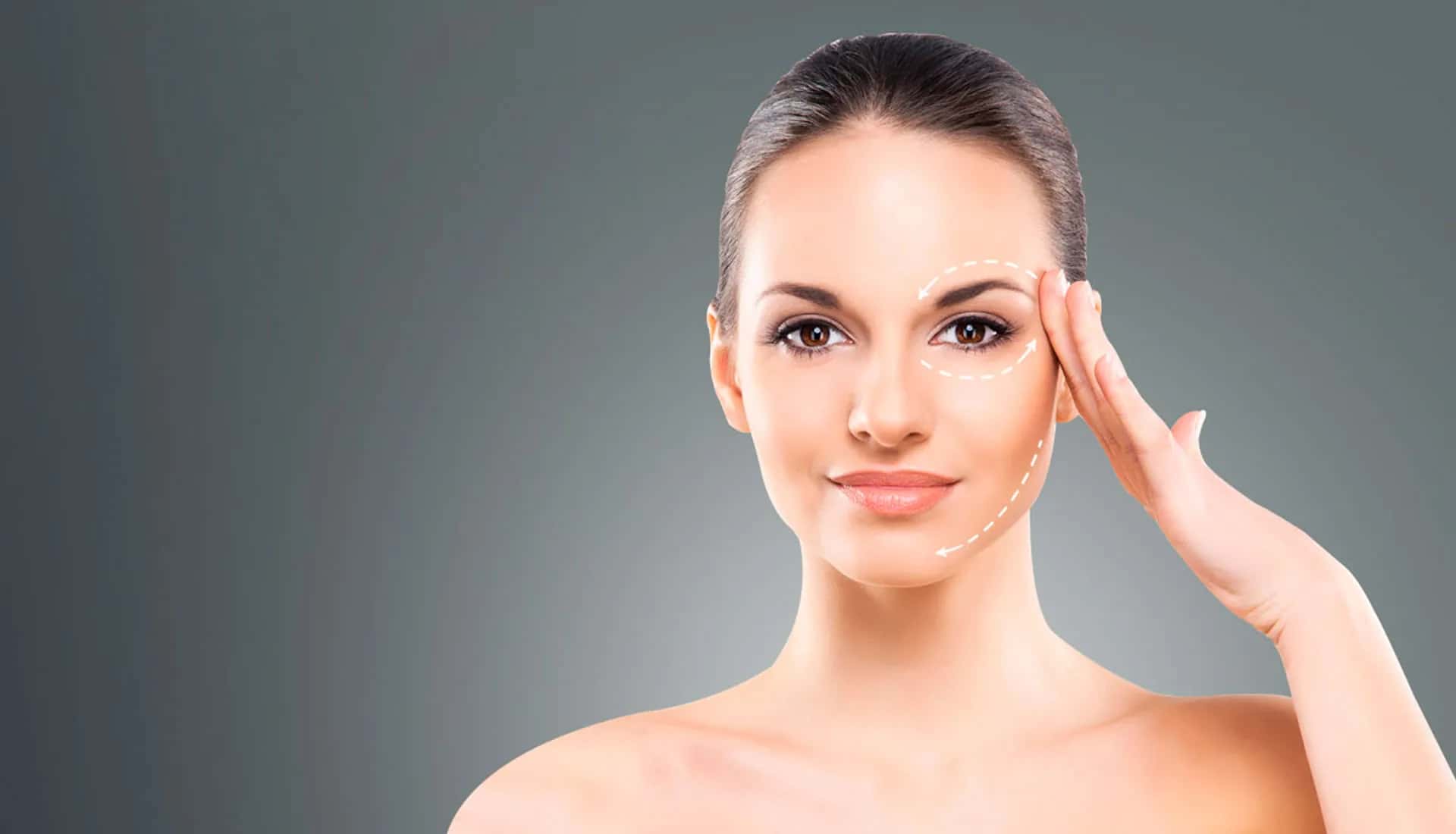
Overfilled faces develop when injectable treatments add more volume than the facial anatomy can accommodate naturally, altering contours, proportions and sometimes facial expression.
Subscribe to the Medifinder newsletter and never miss our latest content.