










Botox Injections: A Solution for Overactive Bladder
Botox for Overactive Bladder is a medical treatment that uses small injections of onabotulinumtoxinA in the bladder muscle to reduce urgency, frequency, and urge-related leakage. It is usually considered when lifestyle strategies or bladder-relaxing medicines have not helped enough, or when medication side effects.

- Last updated
- 32 reads
- 9 min read


Could Botox really help an overactive bladder?
Yes, Botox can help some adults with overactive bladder symptoms, especially urgency, frequent urination, and urge urinary incontinence that has not improved enough with other treatments. The FDA-approved labeling for BOTOX lists treatment of overactive bladder with symptoms of urge urinary incontinence, urgency, and frequency in adults who have had an inadequate response to, or cannot tolerate, anticholinergic medication.
That said, bladder Botox is not the same idea as cosmetic Botox. The medication is placed directly into the bladder muscle, not the face, and the goal is practical: fewer sudden urges, fewer leaks, and more time to reach the bathroom. For someone whose day is shaped around locating restrooms, packing extra clothes, or avoiding long drives, that extra time can feel meaningful.
It is also not a first step for everyone. Overactive bladder care often starts with behavioral changes such as bladder training, pelvic floor exercises, fluid timing, and reviewing foods or drinks that may irritate the bladder. Mayo Clinic describes behavioral therapies as a first-choice approach for managing overactive bladder, and medications may also be used to relax the bladder.
A quick refresher on overactive bladder
Overactive bladder, often shortened to OAB, is a group of symptoms rather than one single disease. The classic pattern is a sudden urge to urinate that is hard to control. Some people leak urine when the urge hits, while others make it to the bathroom but feel trapped in a cycle of frequent trips.
Common symptoms include:
-
A sudden, strong urge to urinate
-
Urinating more often than feels normal for you
-
Waking at night to urinate
-
Leaking urine after an urgent need to go
-
Planning outings around bathroom access
-
Feeling anxious about meetings, travel, exercise, or social events
One point that can be confusing: urge incontinence is different from stress incontinence. Stress incontinence is leakage with coughing, sneezing, laughing, lifting, or exercise. Urge incontinence is leakage tied to a sudden bladder contraction and urgent need to urinate. It is possible to have both, which is why a careful evaluation matters. Mayo Clinic Health System makes this distinction when explaining that urge incontinence and OAB are not caused by physical activity or movement such as coughing or sneezing.
Because other issues can mimic OAB, clinicians often check for things like urinary tract infection, blood in the urine, or whether the bladder is emptying well. A postvoid residual check, which measures urine left after urinating, may be used because retained urine can create symptoms that look similar to overactive bladder.
How Botox calms the bladder muscle
The bladder is supposed to store urine quietly, then contract when it is time to empty. In overactive bladder, the bladder muscle may contract too soon or send urgent signals before the bladder is truly full. Botox works by relaxing the bladder muscle and reducing some of those overactive signals.
Mayo Clinic explains that small doses of onabotulinumtoxinA injected into bladder tissue can relax the muscles and increase the amount of urine the bladder can hold. In everyday terms, the bladder may become less jumpy. Instead of suddenly demanding attention, it may give a person more warning and better control.
This is why people may hear phrases like botox for bladder control or botox for incontinence. Those phrases are casual, but they point to the same core goal: reducing the bladder contractions that drive urgency and urge-related leaking. It does not “numb” your bladder completely, and it does not cure every type of leakage. It is a targeted treatment for a specific pattern of symptoms.
What happens during the procedure?
Bladder Botox is commonly performed by a urologist or urogynecologist using a thin viewing instrument called a cystoscope. The medication is injected into the detrusor, the bladder muscle involved in bladder contractions. The FDA labeling for overactive bladder lists a recommended total dose of 100 Units, given as small injections across 20 sites in the detrusor.
The appointment details can vary by clinic and patient needs. Some people receive local numbing medicine placed in the bladder before the injections. Others may need a different anesthesia plan depending on their health history, comfort level, or the clinician’s approach. The procedure itself is usually brief, but the whole visit includes preparation, the treatment, and short monitoring afterward.
A typical treatment path may include:
-
Before the visit: Your clinician reviews symptoms, medications, urine test results, and whether you empty your bladder well.
-
Preparation: The care team may use numbing medicine and take steps to lower infection risk.
-
Cystoscope placement: A small scope is passed through the urethra so the clinician can see the inside of the bladder.
-
Injections: Tiny amounts of Botox are placed in several areas of the bladder muscle.
-
Afterward: You may be asked to urinate before leaving, and follow-up may include checking how well your bladder empties.
The idea can sound intimidating, but many people are surprised by how manageable the appointment is. Discomfort is possible, and it is completely reasonable to ask ahead of time what pain control, numbing, or sedation options are used in that practice.
The benefits people usually hope for
The main benefit people want is simple: fewer bladder interruptions. When OAB is severe, life can start to shrink. You may skip movies, avoid road trips, choose seats near exits, sleep poorly, or feel embarrassed by leaks. A treatment that reduces urgency can make ordinary routines feel less complicated.
Possible improvements may include:
-
More time to reach the bathroom after the urge starts
-
Fewer urge-related leaks
-
Less frequent urination during the day
-
Fewer nighttime bathroom trips for some people
-
More confidence during errands, travel, work, or social plans
-
Less reliance on pads or backup clothing, depending on symptom severity
Mayo Clinic notes that studies show Botox may help severe urge incontinence and that effects most often last six months or more, although repeat treatment is needed when the effect wears off. (mayoclinic.org) The exact experience is personal. Some people notice improvement quickly, while others need more time to judge the full effect.
It also helps to keep expectations realistic. Botox for Overactive Bladder is not meant to make you ignore bladder health, drink unlimited irritants, or skip follow-up care. It works best as part of a thoughtful plan that may still include bladder training, pelvic floor work, constipation management, medication review, and attention to fluid habits.
Who might be a good candidate?
A good candidate is usually someone with bothersome urgency, frequency, or urge incontinence who has already tried simpler approaches or cannot tolerate certain medications. This might include someone who got dry mouth, constipation, or other side effects from bladder medications, or someone who took medication correctly but still had disruptive symptoms.
The American Urological Association and Society of Urodynamics, Female Pelvic Medicine & Urogenital Reconstruction guideline states there is strong evidence that 100 Units of intradetrusor botulinum toxin injection improves OAB symptoms in patients with inadequate response to, or intolerable side effects from, antimuscarinic and/or beta-3 agonist medications.
Still, “candidate” does not mean “automatic yes.” A clinician may want to understand whether symptoms are truly urge-based, whether there is an infection, whether another condition is contributing, and whether the person can manage the follow-up responsibilities. One of the big practical questions is whether you would be willing and able to temporarily use a catheter if urinary retention occurs.
People with certain medical histories may need extra discussion. That can include diabetes, neurologic disease, prior pelvic surgery, radiation treatment, recurrent urinary tract infections, trouble emptying the bladder, or prostate-related obstruction. These factors do not always rule out treatment, but they can change the risk-benefit conversation.
What are the risks and side effects?
The two side effects most often emphasized with bladder Botox are urinary tract infection and urinary retention. Urinary retention means the bladder does not empty well enough after treatment. The FDA labeling highlights urinary tract infections in patients treated for OAB and says postvoid residual urine volume should be monitored in patients treated for OAB who do not routinely catheterize, especially patients with multiple sclerosis or diabetes mellitus.
Mayo Clinic also notes that side effects from bladder Botox injections include urinary tract infections and retaining urine, and that people considering the treatment must be willing to use a catheter if retention develops. That may sound like a dealbreaker for some people, while others see it as an acceptable temporary possibility if the treatment gives meaningful relief.
Other short-term issues may include burning with urination, blood in the urine, pelvic discomfort, or feeling irritated after the scope. These are not the same as an allergic reaction or a serious complication, but they still matter when you are planning work, travel, or caregiving responsibilities around the appointment.
A practical safety checklist to discuss before treatment:
-
Do I currently have signs of a urinary tract infection?
-
Do I empty my bladder normally now?
-
Have I ever needed a catheter?
-
Do I have diabetes, multiple sclerosis, spinal cord injury, or another neurologic condition?
-
Do I have a history of enlarged prostate or urinary obstruction?
-
Which medicines and supplements should I mention before the procedure?
-
What symptoms after treatment should prompt a same-day call?
-
How and when will my bladder emptying be checked?
The FDA labeling says patients must not have a urinary tract infection at the time of bladder treatment and describes antibiotic use around the procedure to reduce the likelihood of procedure-related UTI. This is one reason pre-procedure urine testing and honest symptom reporting are important.
Life after treatment
After bladder Botox, many people are told to watch for changes in urination. Improvement may build over days to weeks, but so can signs that the bladder is not emptying fully. If you feel pressure, weak stream, worsening urgency, fever, burning, or an inability to urinate, those symptoms deserve prompt medical guidance.
Follow-up is not just a formality. The AUA/SUFU guideline says clinicians should evaluate patients around two weeks after the initial botulinum toxin injection to assess symptom improvement and rule out urinary retention. The FDA labeling also states that for patients who are not catheterizing, postvoid residual urine volume should be assessed within two weeks after treatment and periodically as medically appropriate up to 12 weeks.
It can help to keep a simple bladder diary before and after treatment. You do not need anything fancy. Track how often you urinate, how often urgency hits, whether leakage happens, what you drink, and whether symptoms wake you at night. A diary gives you and your clinician something more reliable than memory, especially when changes are gradual.
Botox is one option, not the whole toolbox
Botox can be an important option, but it sits inside a wider OAB treatment landscape. Many people benefit from combining medical treatment with daily habits that reduce bladder irritation and improve control. These habits may not replace injections for someone with severe symptoms, but they can support better results.
Helpful everyday strategies may include:
-
Bladder training: Using scheduled bathroom trips and slowly increasing time between trips.
-
Pelvic floor exercises: Strengthening the muscles that help control urgency and leakage.
-
Fluid awareness: Drinking enough to stay comfortable without overloading the bladder.
-
Trigger testing: Noticing whether caffeine, alcohol, carbonation, citrus, spicy foods, chocolate, or tomatoes worsen symptoms.
-
Constipation management: Keeping bowel habits regular, because constipation can aggravate urinary symptoms.
-
Medication review: Asking whether any current medicines may affect urination.
Mayo Clinic lists bladder training, healthy weight, pelvic floor muscle exercises, and attention to bladder-irritating foods and drinks among approaches used for overactive bladder management. (mayoclinic.org) The bigger lesson is that OAB care is rarely one-size-fits-all. The best plan is the one that matches your symptoms, health history, comfort level, and ability to follow through.
Key takeaways
Botox for Overactive Bladder may help adults with urgency, frequency, and urge urinary incontinence when other approaches have not been enough. The treatment relaxes the bladder muscle, may increase how much urine the bladder can hold, and can give some people more time to reach the bathroom.
It is also a real medical procedure with real follow-up needs. Urinary tract infection and urinary retention are the risks to understand clearly, and some people may need temporary catheterization. For the right person, with the right evaluation and expectations, botox for bladder control can be a practical way to make daily life feel less ruled by the next bathroom trip.
- Last updated
- Language
- English
How did you find this article?
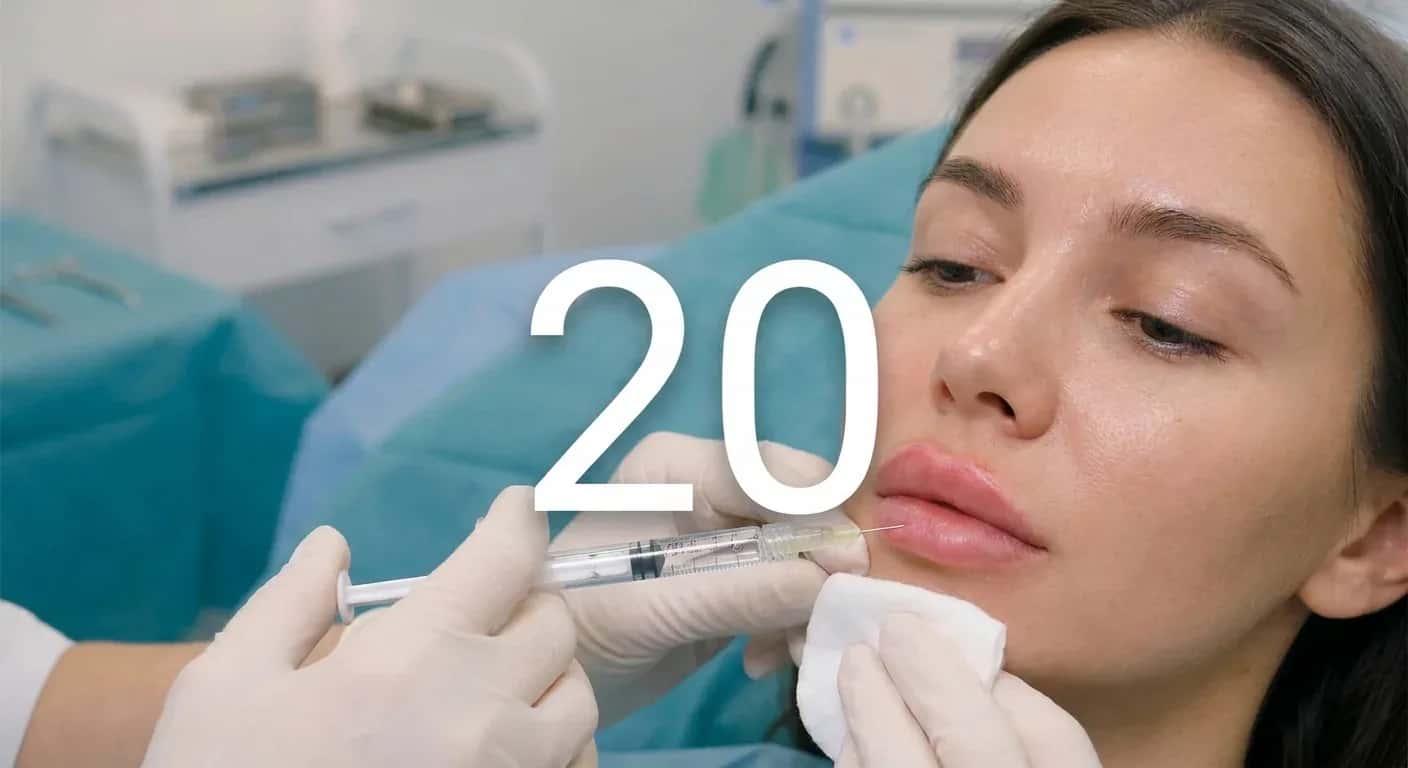
Many singers, actors, reality stars and influencers have talked openly about getting lip filler, and a growing number have also shared why they later had it dissolved. This guide looks at what 20 of these public figures said about their own lip treatments and what their experiences can teach anyone considering filler.


Filler fatigue describes the point where repeated dermal filler treatments leave a face looking heavier, puffier or less like itself, and it is pushing many people to rethink how they approach injectables. This guide explains what causes it, how to recognize an overfilled face.

Overfilled faces develop when injectable treatments add more volume than the facial anatomy can accommodate naturally, altering contours, proportions and sometimes facial expression.
Subscribe to the Medifinder newsletter and never miss our latest content.