










Botox in Istanbul
Botox in Istanbul attracts international patients who want to compare qualified providers, treatment options, clinical standards and costs in a well-connected medical travel destination. Although appointments are often brief, botulinum toxin injections are medical procedures that require an individual assessment, authe

- Last updated
- 161 reads
- 13 min read


What Is Botox?
Botox is a brand name commonly associated with botulinum toxin type A, a prescription medicine that temporarily reduces selected muscle activity. It works by limiting the nerve signals that cause targeted muscles to contract.
In cosmetic treatment, reduced muscle movement may soften dynamic facial wrinkles—lines that become more visible during expressions such as smiling or frowning. Botulinum toxin also has medical applications, including treatment for certain muscle disorders, chronic migraine and excessive sweating. Different products are not automatically interchangeable, and their units cannot necessarily be compared directly.
Why Do People Consider Botox in Istanbul?
International patients may research Botox in Istanbul because the city has a broad healthcare sector, extensive international transport connections and providers that serve patients in several languages. The number of available clinics also gives patients opportunities to compare treatment approaches, appointment availability and follow-up arrangements.
Prices may differ from those in a patient’s home country, but Istanbul is not automatically cheaper or more suitable in every case. Currency changes, product choice, dosage, provider qualifications and included services can substantially affect the final cost.
What Areas Can Botox Treat?
Common cosmetic treatment areas include forehead lines, frown lines between the eyebrows and crow’s feet around the eyes. Providers may also discuss bunny lines across the nose, chin dimpling, downturned mouth corners, prominent masseter muscles, jawline concerns and vertical neck bands.
Some applications may be off-label, meaning the specific product has not received regulatory approval for that exact treatment area or indication in the relevant country. Off-label use does not necessarily mean inappropriate treatment, but it requires careful clinical judgment, informed consent and a clear explanation of the available evidence and risks.
An experienced medical provider must assess facial anatomy, muscle strength, existing asymmetry and the effect that weakening one muscle may have on surrounding muscles.
Cosmetic Botox and Medical Botulinum Toxin Treatments
Cosmetic injections generally aim to soften expression-related facial wrinkles while preserving an appropriate balance between treated and untreated muscles. Medical botulinum toxin treatments may target excessive sweating, chronic migraine, muscle spasms or certain jaw-related problems.
These uses involve different assessment methods, dosages and injection patterns. A clinic that performs cosmetic injections may not have the specialist expertise needed to diagnose or manage a medical condition. Medical indications may require evaluation by a dermatologist, neurologist, dentist, maxillofacial specialist or another appropriately qualified professional.
Who May Be a Suitable Candidate?
A potentially suitable candidate is usually an adult in generally stable health who has a clearly defined concern and realistic expectations about temporary results. The person should understand that treatment may soften selected movements without changing every line, skin-quality issue or feature.
Suitability also depends on medical history, medications, allergies, previous reactions and earlier facial treatments. A consultation is necessary because age, photographs and online questionnaires alone cannot establish the correct dosage, injection points or expected outcome.
Who May Need to Avoid or Postpone Treatment?
Treatment may need to be avoided, postponed or assessed more cautiously during pregnancy or breastfeeding, when infection or inflammation is present near the planned injection area, or when a person has a known allergy to product ingredients. Certain neuromuscular disorders may increase the risk of significant weakness or other complications.
Previous adverse reactions, particular medicines or supplements, recent facial procedures and planned surgery may also affect the treatment plan. Patients should disclose their complete health history, current medications, allergies and previous cosmetic or medical injections during consultation rather than stopping prescribed medicine independently.
How Is a Botox Consultation Performed?
A responsible consultation begins with the patient’s concerns, goals and expectations. The provider may observe the face at rest and during movement to assess muscle activity, facial proportions, eyebrow position and natural asymmetry.
The consultation should also cover medical history, medications, alternative treatments, proposed treatment areas, product choice and dosage strategy. The provider should explain realistic benefits, limitations, possible side effects, expected duration, aftercare and follow-up before obtaining informed consent.
A meaningful assessment should not focus only on price, units or the number of injection points. More injections do not necessarily produce a more suitable result.
What Happens During a Botox Procedure?
The provider normally cleans the skin, confirms the treatment plan and may mark relevant anatomical points. The patient may be asked to frown, smile, raise the eyebrows or tighten particular muscles so the injector can reassess movement.
Using a fine needle, the provider places small amounts of botulinum toxin into selected muscles or tissue layers. The number of injections and appointment length vary according to the treatment area, anatomy, muscle strength, product and clinical objective.
After treatment, the clinic should provide written instructions and explain which reactions are expected. No single dosage or standard injection pattern suits every face.
Is Botox Painful?
Botox injections can cause brief stinging, pressure or pinching sensations. Discomfort varies between individuals and may depend on the number of injections, treatment area, needle sensitivity and personal pain tolerance.
Most facial appointments do not require extensive pain control, although a provider may use cooling or another comfort measure when appropriate. Describing Botox as completely painless would be inaccurate.
How Long Does Botox Take to Work?
Botulinum toxin does not usually create its full effect immediately. Early changes may appear within several days, while the effect can continue developing over the following week or longer.
Response time varies with the product, dose, treatment area, metabolism and individual muscle activity. A provider may recommend waiting until the planned review point before judging symmetry or deciding whether any adjustment is appropriate.
How Long Do Botox Results Last?
Botulinum toxin effects are temporary. Cosmetic results commonly remain noticeable for several months, after which muscle activity gradually returns.
Duration varies according to the treatment area, dosage, muscle strength, metabolism, injection technique and previous treatment history. Repeated treatment does not guarantee progressively longer-lasting effects, and appointments should follow an appropriate clinical schedule rather than a fixed commercial package.
What Does Botox Recovery Involve?
Many patients return to routine activities soon after treatment, although redness, tenderness, small bumps or bruising may remain temporarily. Patients should follow the treating provider’s specific advice about touching the area, exercise, lying down, alcohol, heat exposure and skincare.
International patients should discuss sightseeing, flights, saunas, strenuous exercise, facial treatments and other planned procedures in advance. Travel itself does not replace recovery planning, and a packed itinerary may make it harder to monitor reactions or attend a review.
Aftercare protocols can differ according to the product and treatment area. The instructions given by the treating medical provider take priority over general online advice.
Possible Side Effects and Complications
Common temporary reactions include redness, swelling, tenderness, bruising and headache. Small differences in movement may also become noticeable as the treatment develops.
Other possible complications include unwanted muscle weakness, temporary asymmetry, eyelid or eyebrow drooping, altered facial expression, infection and allergic reaction. The nature of the risk depends partly on the injection location; treatment around the mouth, eyes, jaw or neck may create different functional concerns.
Rarely, botulinum toxin effects may spread beyond the intended area. Difficulty breathing, swallowing or speaking, widespread muscle weakness, major vision changes or signs of a serious allergic reaction require urgent medical assessment.
How Much Does Botox Cost in Istanbul?
There is no universal Botox price in Istanbul. Costs depend on the product brand and authenticity, amount used, number and complexity of treatment areas, provider qualifications, clinic standards and location.
Some quotations include consultation and follow-up, while others cover only the procedure. International packages may add transfers, translation or other services that do not form part of the medical treatment itself.
Currency fluctuations can also change the amount an international patient pays. Advertised prices may not reflect the final clinical plan, particularly when the necessary dosage has not yet been assessed. A very low price should not outweigh questions about product origin, storage, provider qualifications and complication management.
Botox Pricing by Unit Versus Treatment Area
Per-unit pricing charges according to the measured amount of a specific product. Treatment-area pricing sets a quoted fee for an area such as the forehead or crow’s feet, sometimes within a defined dosage limit.
Comparisons can be difficult because brands use product-specific units, clinics may prepare products differently, and packages may include different services. Patients should ask which product will be used, how the dose is determined, whether unused units affect the price and whether consultation, review or adjustment is included.
A quotation should also state whether taxes, translation, payment charges and follow-up services are covered.
How to Choose a Botox Provider in Istanbul
Start by confirming the injector’s professional title, relevant qualifications and legal authority to administer the treatment. Ask about experience with the requested treatment area rather than relying only on general claims about aesthetic medicine.
The clinic should use traceable products that are appropriately transported, stored and prepared. Patients should receive a clear consultation, consent process and explanation of the product name, proposed use, risks and alternatives.
Assess hygiene standards, emergency procedures, transparent pricing and access to follow-up care. Ask how the clinic handles asymmetry, infection, drooping or other complications, especially after an international patient returns home.
Before-and-after images should be used with patient consent and viewed as examples, not promises. Online reviews, follower counts and social media visibility do not prove clinical competence.
Questions to Ask Before Booking Botox
- Who will perform the injections?
- What are the provider’s qualifications?
- Which botulinum toxin product will be used?
- Is the product approved for the proposed use?
- How is the dose determined?
- What results are realistic for my anatomy and concerns?
- What side effects are most relevant to this treatment area?
- What happens if asymmetry or another complication develops?
- Is follow-up included?
- Who can be contacted after I return home?
- What exactly is included in the quoted price?
Planning Botox During a Trip to Istanbul
Schedule enough flexibility for consultation, treatment and any recommended review. Consider accommodation, transport, language support, accepted payment methods and how medical documentation will be provided.
Do not arrange injections immediately before a wedding, business appearance, professional photography session or another important event. Bruising, swelling, asymmetry and delayed treatment effects may remain visible beyond the planned date.
Obtain the product name, treatment date, areas treated, provider details and follow-up contact information in writing. Botox should be approached as a medical procedure rather than an informal tourism activity.
Combining Botox With Other Cosmetic Treatments
Botox may be discussed alongside dermal fillers, laser procedures, chemical peels, injectable skin treatments or other aesthetic interventions. Each procedure has a different mechanism, recovery profile and set of risks.
Performing multiple treatments during one trip is not automatically appropriate. Treatment order and timing may affect swelling, skin sensitivity, infection risk and the provider’s ability to assess results. Combining procedures requires an individualized clinical plan.
Botox Versus Dermal Fillers
Botulinum toxin primarily reduces selected muscle activity. Dermal fillers generally add volume, alter contours or provide structural support beneath the skin.
Botox may be considered for movement-related forehead lines, frown lines or crow’s feet, while fillers may address concerns associated with volume or tissue support. However, neither procedure is automatically an alternative to the other, and some facial concerns may not be suitable for either treatment.
Can Botox Look Natural?
Botox can produce a subtle result, but a natural-looking outcome cannot be guaranteed. It depends on facial anatomy, muscle balance, dosage, product placement, treatment goals and provider technique.
Some patients want movement softened rather than eliminated. Completely suppressing expression may be undesirable or may affect nearby facial balance, while using too little product may not achieve the intended change. These preferences should be discussed during consultation.
When Should Patients Contact Their Provider?
Mild redness, tenderness, small injection-site bumps or limited bruising can often be monitored according to the clinic’s instructions. Patients should contact the provider when symptoms worsen, persist unexpectedly or include increasing pain, warmth, discharge, marked asymmetry, visual disturbance or unwanted weakness.
Urgent medical care may be necessary for breathing, swallowing or speech difficulties, widespread weakness or signs of a severe allergic reaction. International patients should obtain written local and remote contact arrangements before leaving Istanbul.
How MediFinder Can Support Provider Research
MediFinder can help users research available doctors, clinics, treatment categories, locations, profile information and contact options. These resources may make it easier to create a shortlist and identify questions for prospective providers.
Directory information should always be independently verified with the professional, clinic and relevant authorities. MediFinder does not replace a medical consultation, choose a provider for the patient, guarantee outcomes or confirm that Botox is appropriate for a particular person.
Botox in Istanbul Cost 2026
Botox in Istanbul typically costs €100 to €250 in 2026, depending on treatment areas, dosage, and clinic expertise.
Single-area treatments often start near €100, while two or three areas may cost €120 to €250. Prices vary by Botox brand, injector experience, required units, and whether consultation or touch-ups are included. Forehead lines, frown lines, and crow’s feet are the most commonly treated areas. Always choose a licensed medical clinic and confirm the product’s authenticity before treatment.
Frequently Asked Questions
Is Botox in Istanbul safe?
Botox in Istanbul may be performed safely when a suitably qualified professional uses an authentic, correctly stored product within an appropriate clinical setting. However, every medical procedure carries risks, and location alone does not establish safety. Patients should verify the injector’s qualifications, clinic standards, consent process, emergency arrangements and follow-up policy before treatment.
Is Botox cheaper in Istanbul?
Botox may cost less in Istanbul than in some countries, but this is not true for every provider or treatment plan. Prices vary by product, dosage, treatment area, injector qualifications, exchange rates and included services. Compare quotations by their full clinical details rather than the headline amount, and avoid selecting a clinic solely because it offers the lowest price.
How many days should I stay in Istanbul after Botox?
There is no single required stay for every patient. Many people resume normal activities quickly, but remaining locally for a recommended review may be helpful when treatment is extensive or when follow-up access at home is limited. Discuss travel dates with the provider before booking and allow flexibility for bruising, swelling, delayed effects or concerns that require assessment.
Can I fly after Botox treatment?
Flying is not automatically prohibited after routine cosmetic injections, but personal circumstances and the treatment plan may affect the advice. A flight soon after the appointment can limit access to the treating clinic if a concern develops. Ask the provider about timing, aftercare and warning symptoms, particularly after treatment near the eyes, mouth, jaw or neck.
How soon can I see Botox results?
Early changes may appear within several days, but the final effect generally takes longer to develop. The timing varies according to the product, dose, injection site, muscle strength and individual response. Patients should avoid judging the outcome immediately after treatment and should follow the clinic’s recommended review schedule before considering an adjustment.
How long does Botox last?
Botox usually lasts for several months, although duration differs between patients and treatment areas. Dosage, muscle activity, metabolism, product choice, injection technique and treatment history may all influence how quickly movement returns. The effect gradually wears off rather than ending on a fixed date, and repeated injections do not guarantee a longer result.
Can Botox go wrong?
Yes, Botox can produce unwanted effects, even when performed carefully. Possible problems include bruising, asymmetry, excessive weakness, drooping, altered expression, infection or an unsatisfactory cosmetic result. Serious reactions are uncommon but require prompt assessment. Choosing an appropriately qualified provider and establishing a clear complication and follow-up plan can help manage these risks.
What should I avoid after Botox?
Patients should follow their injector’s written aftercare instructions because recommendations can vary by treatment area and clinical circumstances. Providers may give guidance about rubbing the area, strenuous exercise, heat exposure, alcohol, lying down, skincare or other procedures. Do not replace provider-specific advice with general social media instructions, and contact the clinic when directions are unclear.
Is Botox the same as dermal filler?
No, Botox and dermal fillers work differently. Botulinum toxin temporarily reduces selected muscle activity, while fillers generally add volume or support tissue. They also have different risks, treatment areas and recovery considerations. One is not automatically a substitute for the other, so the appropriate option depends on facial anatomy, the cause of the concern and the patient’s goals.
How can I verify the product used during treatment?
Ask for the product’s full brand name, manufacturer, batch or lot number and expiry information before injection. The provider should explain how the product was sourced, stored and prepared and whether it is approved for the proposed indication. Patients can also request written treatment documentation and independently check regulatory or manufacturer information where available.
Botox in Istanbul should be evaluated through the same careful standards as treatment in any destination. Provider qualifications, authentic products, individualized assessment, realistic expectations and transparent pricing are central considerations. Patients should also understand how the clinic prevents and manages complications, provides follow-up care and supports communication after they return home.
- Last updated
- Language
- English
How did you find this article?
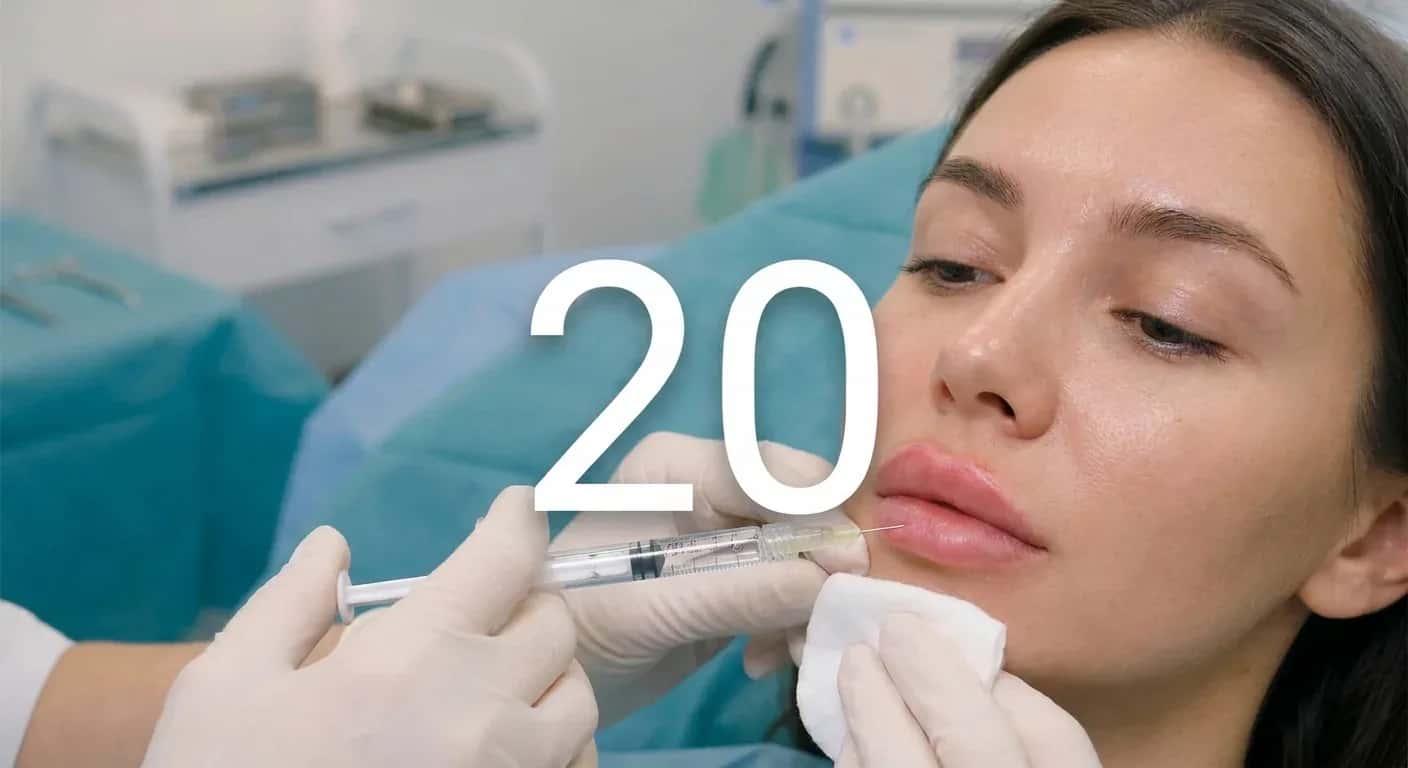
Many singers, actors, reality stars and influencers have talked openly about getting lip filler, and a growing number have also shared why they later had it dissolved. This guide looks at what 20 of these public figures said about their own lip treatments and what their experiences can teach anyone considering filler.

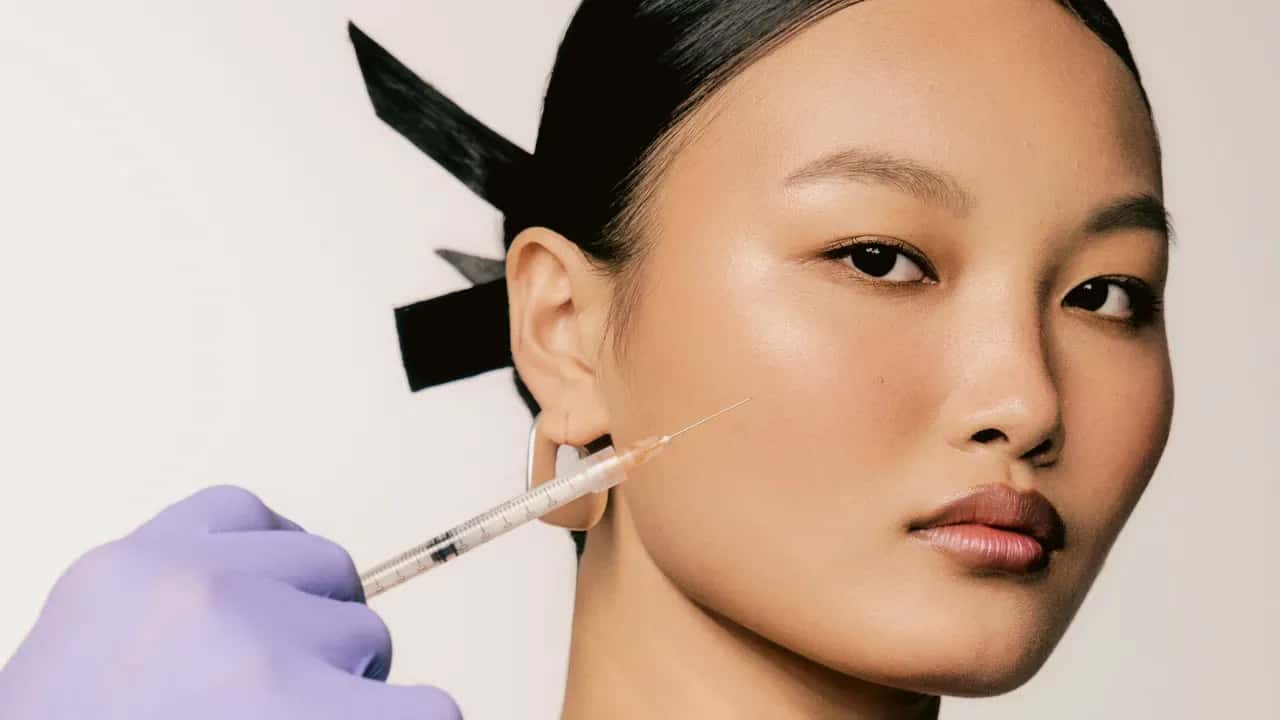
Filler fatigue describes the point where repeated dermal filler treatments leave a face looking heavier, puffier or less like itself, and it is pushing many people to rethink how they approach injectables. This guide explains what causes it, how to recognize an overfilled face.
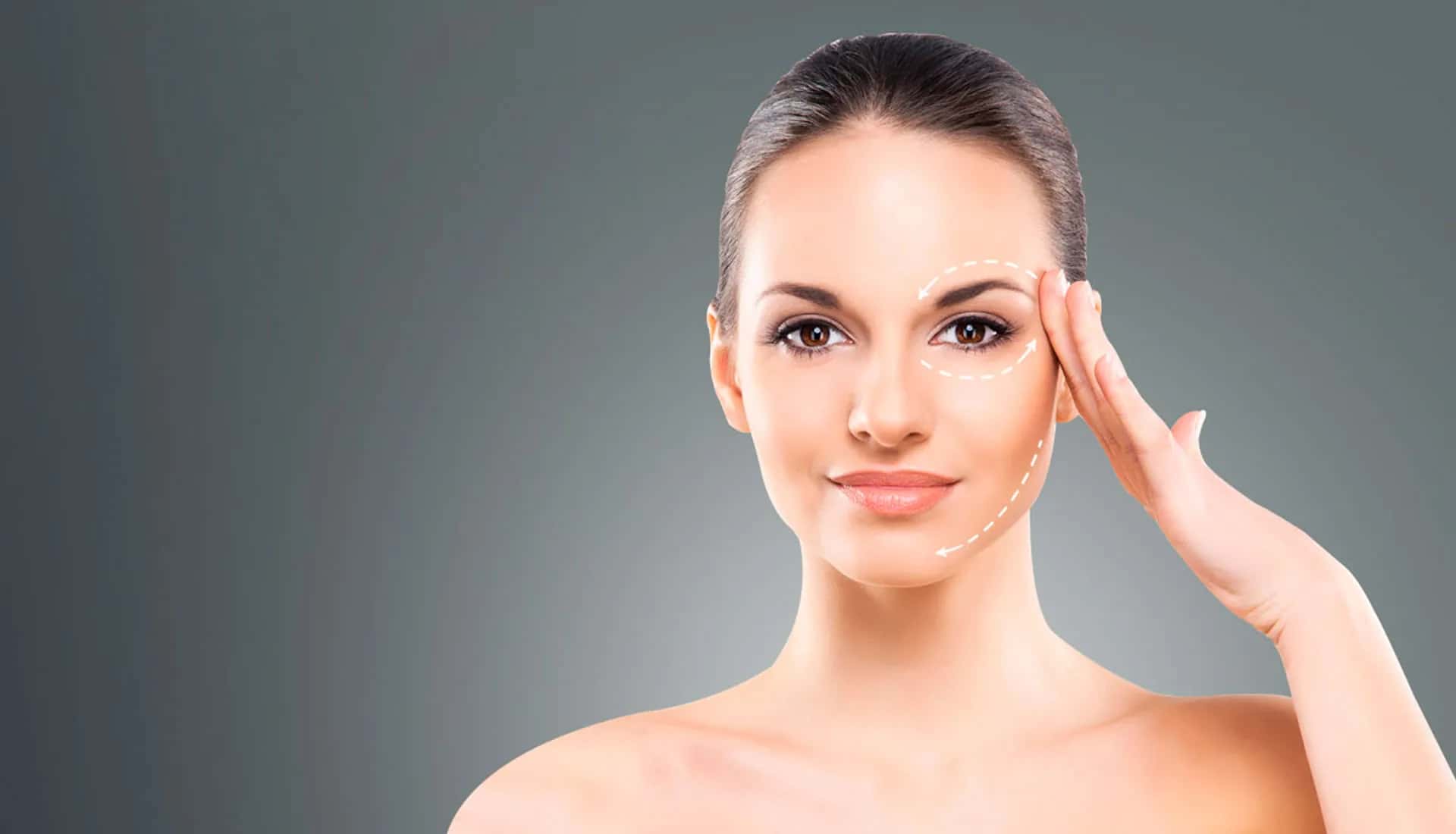
Overfilled faces develop when injectable treatments add more volume than the facial anatomy can accommodate naturally, altering contours, proportions and sometimes facial expression.
Subscribe to the Medifinder newsletter and never miss our latest content.