










Baby Face Laser in Turkey
International patients often research Baby Face Laser in Turkey for skin rejuvenation. The name commonly refers to a fractional thulium laser skin treatment. Different clinics may use different devices and protocols under the same name. Suitability, results, recovery, and risks depend heavily on individual assessment.

- Last updated
- 123 reads
- 21 min read


What Is Baby Face Laser?
Baby Face Laser commonly describes a gentle fractional thulium laser protocol for selected superficial skin concerns. The treatment creates controlled microscopic treatment zones within superficial skin layers. Some protocols apply topical products after laser treatment. However, the commercial name does not identify one standardized device or procedure. Patients must verify the specific device, wavelength, and topical products before proceeding.
Why Is It Called Baby Face Laser?
The name refers to a marketed skin-smoothing or refreshing cosmetic effect. Clinicians use this term to suggest renewed, youthful-looking skin texture. However, baby face is not a medical outcome or recognized clinical endpoint. You should focus on realistic improvements rather than marketing phrases.
Is Baby Face Laser the Same as LaseMD?
Some Baby Face Laser protocols use LaseMD, but the terms are not entirely interchangeable. LaseMD is a specific fractional thulium device platform created by a single manufacturer. Other clinics may market different laser devices using a similar treatment name. You should always confirm the exact machine used for your procedure.
Is Baby Face Laser a Thulium Laser?
Many clinics use fractional thulium laser technology for these specific skin protocols. However, patients should confirm the exact wavelength and device used beforehand. The commercial name alone cannot verify the underlying laser technology. Some providers might use entirely different lasers under similar branding.
How Does Baby Face Laser Work?
Fractional laser energy creates controlled microscopic treatment zones within the skin surface. This localized thermal injury triggers a natural wound-healing response in the surrounding tissue. The healing response may support surface renewal and targeted collagen remodelling. However, biological cellular activity does not guarantee a visible cosmetic result.
What Does the 1927 nm Wavelength Target?
The 1927 nm thulium energy interacts strongly with water in superficial skin tissues. This wavelength is often used for selected pigmentation and texture concerns. It penetrates deeply enough to target epidermal pigmentation without causing deep tissue ablation. However, the wavelength cannot safely remove every existing pigment problem.
Does Baby Face Laser Create Microchannels?
Fractional laser treatment can create microscopic treatment channels within the superficial skin layers. Some protocols apply targeted topical formulations after laser treatment to utilize these channels. Absorption, effectiveness, and overall safety depend entirely on the product and clinical protocol. Not every topical serum is safe for compromised skin barriers.
Why Do Patients Consider Baby Face Laser in Turkey?
International patients travel for the broad availability of dermatology and specialized aesthetic clinics. Visitors can access different international laser platforms during their trip. Turkey offers excellent international flight connections and extensive multilingual patient services. The robust medical tourism infrastructure provides comprehensive care and possible treatment-price differences. Visitors frequently arrange combined consultation and treatment planning during short visits. Practitioner qualifications, specific devices, applied products, and clinic standards vary significantly.
What Can Baby Face Laser Treat?
The procedure may address selected mild pigmentation and texture concerns effectively. Common treatment goals include refreshing dull-looking skin and evening out mild skin tone variations. Patients often seek treatment for mild sun damage, superficial pigmentation, and fine surface lines. The protocol can target rough texture, enlarged-looking pores, and selected superficial acne marks. It may also help with mild post-inflammatory hyperpigmentation and general skin-quality concerns. The procedure cannot treat deep scars, advanced laxity, active acne, or suspicious lesions.
Can Baby Face Laser Treat Pigmentation?
Selected superficial pigmentation may respond well to appropriate fractional thulium laser treatment. Pigmentation includes several distinct conditions with entirely different biological causes. Clinical diagnosis, skin type, laser settings, and sun protection heavily influence the results. Incorrect treatment can easily worsen certain pigment issues.
Can Baby Face Laser Treat Melasma?
Fractional thulium treatment may be considered for selected melasma patients under careful supervision. Melasma remains a complex, recurrent condition that is highly sensitive to tissue inflammation. Sunlight, heat, hormones, skin irritation, and previous treatments remain relevant contributing factors. Aggressive laser treatment can easily worsen melasma in some susceptible patients.
Can Baby Face Laser Treat Sun Spots?
Selected sun-related spots may improve noticeably after suitable fractional laser treatment. All pigmented lesions should receive professional medical identification before laser exposure. Continued ultraviolet exposure can rapidly contribute to the recurrence of these sun spots. Daily sun protection is mandatory for maintaining the results.
Can Baby Face Laser Treat Post-Inflammatory Hyperpigmentation?
Laser treatment may improve or worsen post-inflammatory pigmentation depending on the clinical approach. Skin tone, existing inflammation, original cause, and treatment intensity influence the outcome. Conservative medical assessment is particularly important for patients with darker skin tones. Aggressive settings often trigger further unwanted pigment production.
Can Baby Face Laser Improve Acne Scars?
Mild surface irregularities may improve, but deeper acne scars usually require other approaches. Deep rolling, boxcar, and ice-pick scars need specialized, intensive scar therapies. Active acne infections may need complete medical treatment before any laser resurfacing begins. This superficial laser protocol will not provide complete scar removal.
Can Baby Face Laser Reduce Fine Lines?
Selected fine surface lines may appear slightly softer after targeted laser treatment. Deep wrinkles, muscle-related expression lines, and structural volume loss have different causes. Other aesthetic treatments may be much more suitable for those specific concerns. A thorough facial assessment will determine the best approach.
Can Baby Face Laser Reduce Enlarged Pores?
Pores may appear less noticeable after improvements in skin texture and oil balance. Pores cannot be permanently opened, closed, or completely removed by any laser. Genetics, daily oil production, natural ageing, and acne history control pore size. Fractional lasers merely refine the surrounding skin to improve overall appearance.
Can Baby Face Laser Tighten the Skin?
Modest texture or firmness changes may occur after targeted tissue remodelling. The procedure does not cut or remove any excess facial skin. It cannot reproduce surgical lifting or the results of deeper tissue-tightening treatments. Patients should expect superficial refinement rather than dramatic structural lifting.
Which Areas Can Be Treated?
Commonly treated areas include the face, neck, décolletage, and the backs of hands. Clinics also target the cheeks, forehead, and selected superficial scar areas. Skin thickness and healing sensitivity vary significantly between these different anatomical areas. One specific facial protocol should not automatically be applied elsewhere on the body.
Is Baby Face Laser Suitable for Every Skin Type?
Suitability depends entirely on individual skin type, current condition, device, and laser settings. Darker skin tones may face severe pigmentation changes after laser-induced tissue inflammation. Careful treatment planning and conservative settings may reduce risks without eliminating them entirely. The procedure is not universally safe for all skin types without proper adjustment.
Who May Be Suitable for Baby Face Laser?
Suitable candidates are usually adults presenting with mild pigmentation or texture concerns. Patients should desire help with uneven skin tone, dull-looking skin, or fine surface lines. Individuals must have realistic expectations, stable general health, and absolutely no active skin infections. Willingness to follow strict aftercare and maintain reliable sun-protection habits is mandatory. Patients must also have reliable access to proper follow-up medical care. Photographs alone cannot confirm an individual's complete medical suitability.
Who Should Avoid or Postpone Treatment?
Certain acute skin conditions and medical histories require immediate postponement or medical assessment. Patients with active skin infections, open wounds, or active herpes outbreaks must wait. Sunburn, recent tanning, severe inflammatory acne, and active eczema or psoriasis require delaying treatment. Suspicious skin lesions must be diagnosed before receiving any cosmetic laser energy. Photosensitizing medicines, poor wound healing, keloid tendency, pregnancy, and breastfeeding are important considerations. Recent laser treatments, recent chemical peeling, and unrealistic expectations require careful evaluation. Medicine changes require direct advice from the prescribing clinician.
What Happens During a Consultation?
A responsible consultation involves reviewing your cosmetic goals and physically examining the skin. The practitioner identifies the specific pigmentation type and assesses your natural skin tone. They review your medical history, check current medicines, and note any known allergies. The clinician discusses previous cosmetic procedures and confirms the proposed laser device. They review any topical products planned for application during the procedure. The practitioner explains potential risks, realistic limitations, and expected recovery steps. Finally, they plan follow-up care and obtain your informed medical consent. The consultation should not focus solely on discount pricing or session quantities.
How Is Baby Face Laser Performed?
The procedure begins with a detailed skin assessment and clinical photography. The practitioner cleanses the treatment area thoroughly and may apply an optional topical anaesthetic. Patients receive protective eye shields before the practitioner selects the appropriate device settings. The provider applies fractional laser energy methodically across the targeted skin surface. They apply approved topical care when appropriate for the specific protocol. The practitioner cools or soothes the skin before providing detailed written aftercare instructions. The appointment finishes by scheduling necessary follow-up care. Protocols vary significantly by device, skin concern, and treatment area.
Which Serums Are Used After Baby Face Laser?
Topical products vary significantly between different clinical protocols and individual patient needs. Possible formulations contain vitamin C, tranexamic acid, retinoids, or potent antioxidants. Active ingredients can cause unwanted irritation or allergic reactions in compromised skin. Only suitable, traceable products should contact recently treated and sensitive skin. Patients must not bring or apply unapproved products from home.
Is Baby Face Laser Painful?
Patients typically feel warmth, tingling, prickling, or mild stinging during the procedure. Discomfort varies heavily by device, treated area, laser settings, and individual pain sensitivity. A topical anaesthetic may be considered to improve patient comfort before starting. The procedure should rarely be described as a completely painless experience.
How Long Does a Session Take?
Appointment length depends entirely on necessary preparation and the planned treatment area. A standard session includes the consultation, optional numbing, and the actual laser application. Applying topical care and completing a post-treatment review also add time. Practitioners do not promise one universally fixed appointment duration for everyone.
How Many Sessions Are Needed?
Session requirements vary greatly between patients based on their specific clinical presentation. Relevant factors include the primary skin concern, device choice, and applied treatment intensity. Skin type, treatment area, previous procedures, and individual healing response influence the plan. Practitioner assessment and the patient's personal cosmetic goals also determine the final schedule. You cannot rely on one universal session count for all laser procedures. More laser sessions do not guarantee better or faster visual outcomes.
How Often Can Treatment Be Repeated?
Session spacing depends entirely on complete skin recovery and the initial treatment intensity. Healing must be assessed professionally before repeating any laser treatment. Practitioners do not provide one universal treatment interval for all patients. Frequent laser treatment may drastically increase severe irritation or hyperpigmentation risks.
When Are Results Visible?
Early skin brightness may appear before longer-term cellular texture changes become noticeable. Patients often experience temporary swelling, redness, and dryness during initial surface renewal. An early inflammatory glow does not predict the final long-term cosmetic outcome. Some patients may notice very limited or no visible improvement after healing.
How Long Do Results Last?
Result duration varies depending on individual biology, lifestyle, and initial skin condition. Key factors include treatment intensity, daily sun exposure, and dedicated skincare routines. Smoking, natural ageing, hormonal influences, and new tissue inflammation also affect longevity. Scheduled maintenance treatment is often necessary to preserve the initial cosmetic improvements. No responsible practitioner will promise a permanently fixed result duration.
Are Baby Face Laser Results Permanent?
No, the results are not permanent because ageing, sunlight, and new skin changes continue. Pigmentation and uneven texture concerns may eventually return despite successful initial treatment. Future maintenance treatment requires a fresh medical reassessment of your skin condition.
What Is Recovery Like?
Recovery is often limited but varies significantly by the applied treatment intensity. Possible temporary reactions include localized redness, warmth, swelling, dryness, and a feeling of tightness. Patients often experience fine flaking, rough texture, mild crusting, and temporary skin darkening. Skin sensitivity, mild itching, and mild discomfort are very common during early healing. Stronger laser protocols typically create much more visible and prolonged downtime. Treated skin should never be picked, scratched, or aggressively rubbed.
What Should Patients Avoid After Treatment?
Careful aftercare protects the fragile and healing superficial skin barrier from damage. Patients must strictly avoid direct sunlight, tanning, scrubbing, and picking at the skin. Using retinoids, exfoliating acids, and fragranced cosmetic products must be temporarily stopped. Hot showers, saunas, steam rooms, swimming, and intense exercise are not recommended. Other laser procedures and unapproved topical products must be completely avoided. The treating practitioner’s specific written instructions always take absolute priority.
When Can Makeup Be Applied?
Safe makeup timing depends entirely on the speed of your skin recovery. Early application may severely irritate treated skin or introduce dangerous bacterial infections. Patients must maintain excellent hygiene involving clean brushes, fresh sponges, and uncontaminated cosmetic products. Practitioners do not provide one universal waiting period for resuming cosmetic routines.
Why Is Sun Protection Important?
Ultraviolet exposure can significantly worsen tissue inflammation and trigger severe post-inflammatory pigmentation. Proper protection involves using broad-spectrum sunscreen, seeking shade, and wearing wide-brimmed hats. Sunscreen alone cannot eliminate every single pigmentation risk associated with laser therapy. Strict sun protection may also be medically required for weeks before treatment begins.
What Are the Side Effects?
Patients must distinguish expected temporary healing reactions from more serious medical complications. Common temporary effects include redness, warmth, swelling, dryness, flaking, tightness, and temporary darkening. Less common or serious risks involve severe burns, blisters, and deep tissue infection. Persistent redness, hyperpigmentation, hypopigmentation, and permanent scarring are serious potential complications. Herpes reactivation, prolonged inflammation, an acne flare, or allergic reactions can also occur. Overall risks depend on the device, settings, skin type, topical products, and practitioner technique.
Can Baby Face Laser Cause Hyperpigmentation?
Yes, post-inflammatory hyperpigmentation can occur after any fractional laser treatment. Laser-related tissue inflammation may unexpectedly stimulate excess pigment production in the skin. Greater caution is necessary for darker skin tones and existing pigmentation disorders. Correct clinical planning reduces these risks without eliminating them entirely.
Can Baby Face Laser Cause Burns?
Yes, thermal injury is a possible complication of any medical laser procedure. Excessive energy, poor device contact, repeated passes, and unsuitable treatment settings cause burns. Proper device maintenance and rigorous practitioner training matter immensely for patient safety.
Can Topical Products Cause Reactions?
Yes, products applied after fractional laser treatment can cause irritation or severe allergy. Active ingredients, harsh preservatives, fragrances, and unexpected contamination may trigger these reactions. Unsuitable formulations penetrate deeply through the compromised skin barrier, increasing complication risks. Exact product disclosure and supply chain traceability matter for patient safety.
When Should Patients Contact Their Clinic?
Certain severe or unexpected physical symptoms require prompt professional medical assessment. Contact the clinic immediately for increasing pain, severe burning, large blisters, or spreading redness. Persistent swelling, foul discharge, fever, or delayed healing require urgent clinical evaluation. Significant colour changes, new sores, unexpected crusting, and signs of infection need attention. Any allergic symptoms must be reported to the treating practitioner right away. Breathing problems or rapidly worsening symptoms require urgent emergency medical attention.
How Much Does Baby Face Laser Cost in Turkey?
Prices vary based on the specific device, treated area, applied products, and treatment plan. Cost factors include the device brand, treatment intensity, and the required number of sessions. Practitioner qualifications, clinic location, and specific topical product selection influence the total price. Anaesthetic use, consultations, aftercare products, and follow-up appointments also change the final cost. Currency fluctuations and combined medical travel package inclusions affect overall pricing. Advertised starting prices may not include essential topical products or necessary follow-up care. Avoid selecting a clinic solely because it offers the lowest price available.
What Is Included in the Treatment Price?
Specific package inclusions differ significantly between various aesthetic clinics and medical tourism providers. Possible inclusions involve the initial consultation, skin assessment, clinical photography, and the laser treatment. Packages may include the topical anaesthetic, specific product ampoules, and cooling or soothing care. Post-procedure aftercare products, follow-up appointments, and translation support are often bundled. Travel transfers and hotel accommodation may feature in larger medical tourism packages. Patients should always request a fully itemized quotation before agreeing to any cosmetic treatment. The inclusion of luxury travel services does not indicate superior clinical quality.
How Should Patients Choose a Clinic in Turkey?
Choosing a clinic requires evaluating practitioner qualifications, device transparency, product traceability, and complication management. Check the practitioner’s exact professional title and legal authority to provide laser treatment. Assess their specific dermatology or laser experience alongside the official clinic licensing. Confirm the exact device manufacturer, model, wavelength information, and routine device maintenance logs. Evaluate their protocols for skin-type assessment, pigmentation diagnosis, and topical product disclosure. Verify product packaging, expiry dates, eye-protection procedures, and overall clinical hygiene standards. Review their emergency procedures, informed consent process, written aftercare, transparent pricing, and follow-up availability. Verify their specific complication management protocols and the available communication language. Social media popularity absolutely does not prove any medical competence. Before-and-after photographs cannot guarantee identical or successful individual outcomes.
How Can Patients Verify the Device and Products?
Patients should explicitly request traceable device and product information directly from their chosen clinic. Check the exact device manufacturer, specific device model, and utilized laser wavelength. Request information regarding routine device maintenance and the practitioner's formal laser training. Check the topical product manufacturer, the full ingredient list, and the original sealed packaging. Confirm the specific batch number, expiry date, and required storage conditions. Verify the regulatory or legal status of the products being applied to your skin. Branding alone does not guarantee a safe or appropriate cosmetic treatment.
What Questions Should Patients Ask Before Booking?
Patients should confirm the underlying technology, clinical qualifications, potential risks, products, and follow-up care.
- Who will perform the procedure?
- What is the practitioner’s qualification?
- Which exact laser device will be used?
- What wavelength does the device use?
- Is this a fractional thulium laser?
- Why is this treatment suitable?
- Which topical products will be applied?
- Can the product packaging be inspected?
- What results are realistic?
- What are the risks for this skin type?
- Could pigmentation become worse?
- How will complications be managed?
- Is follow-up included?
- Who can be contacted after returning home?
- What does the quotation include?
How Should International Patients Plan Treatment in Turkey?
International planning requires realistic scheduling, strict sun protection, and securing reliable follow-up access. Allocate adequate time for the initial consultation and ensure sufficient recovery flexibility before travelling. Anticipate possible facial redness and visible flaking during your scheduled travel days. Strict sun exposure avoidance is mandatory during all travel and tourism activities. Arrange suitable accommodation, local transport, and professional translation support for your clinical appointments. Secure acceptable payment methods and obtain complete device and product documentation before leaving. Ensure you possess complete medical records and establish clear follow-up communication channels. Note any travel insurance limitations regarding elective cosmetic procedures performed abroad. Establish clear contact arrangements for when you return to your home country. Avoid scheduling cosmetic laser treatment immediately before important social events. Laser treatment should never be portrayed as a casual or risk-free tourism activity.
Can Patients Fly After Baby Face Laser?
Travel timing depends entirely on your immediate skin reaction and the applied treatment intensity. Severe dryness, swelling, and dry cabin conditions can make long flights highly uncomfortable. Unavoidable sun exposure during travel and limited follow-up access pose additional challenges. Individualized travel advice should always come directly from the treating medical practitioner.
Can Baby Face Laser Be Combined With Other Treatments?
Combining treatments requires highly individualized timing and a thorough clinical risk assessment. Possible combinations may involve chemical peels, Q-switch lasers, or intense pulsed light therapy. Some plans include RF microneedling, standard microneedling, skin boosters, or injectable polynucleotides. Botulinum toxin, dermal fillers, and HIFU may also be considered in broader treatment plans. Closely timed procedures may significantly increase severe irritation, inflammation, infection, and pigmentation risks. Practitioners should never suggest combined procedures solely to increase the total package value.
Baby Face Laser Versus CO2 Laser
Baby Face Laser protocols are usually much gentler than aggressive fractional CO2 resurfacing. CO2 lasers utilize a different wavelength to provide deeper tissue ablation and structural remodelling. CO2 treatments involve a significantly longer recovery period and carry higher complication risks. Neither cosmetic laser treatment is universally better for every single skin concern.
Baby Face Laser Versus Q-Switch Laser
Fractional thulium treatment creates microscopic zones, while Q-switch lasers primarily target selected dark pigments. Q-switch lasers deliver very short, high-energy pulses to shatter targeted pigment particles directly. The recovery protocols and specific clinical indications differ significantly between the two technologies. Q-switch lasers are also the primary choice for professional tattoo removal applications.
Baby Face Laser Versus IPL
Baby Face Laser uses a defined laser wavelength, while IPL uses broad-spectrum light energy. Intense pulsed light is not technically classified as a true laser. IPL effectively targets generalized redness and superficial vascular concerns alongside mild pigmentation. Careful skin-type considerations are necessary for both light-based aesthetic treatments.
Baby Face Laser Versus Chemical Peeling
Baby Face Laser uses focused light energy, while chemical peels use controlled chemical exfoliation. Both treatments remove superficial skin layers but operate at different, highly variable depths. Chemical peels carry different post-inflammatory pigmentation risks and require specific clinical selection. Recovery experiences vary widely depending on the chosen peel strength and laser intensity.
Baby Face Laser Versus Microneedling
Baby Face Laser uses fractional light energy, while microneedling creates tiny mechanical channels physically. Both procedures trigger tissue healing, but lasers introduce significant thermal heat into the skin. This heat changes the texture effects, product delivery rates, and overall downtime. Lasers generally present a slightly higher risk of post-inflammatory hyperpigmentation than standard microneedling.
How Can MediFinder Support Clinic Research?
MediFinder can effectively support your detailed research into international doctors and specialized aesthetic clinics. Users may compare available doctors, board-certified dermatologists, specific clinics, and varied treatment categories. The platform allows you to review verified profile information, listed services, and contact options. Patients must still independently verify all clinical qualifications, facility licensing, devices, and exact products. MediFinder does not diagnose skin conditions, select one specific provider, or guarantee final medical outcomes.
Baby Face Laser in Turkey Cost 2026
Baby Face laser in Turkey typically costs €150 to €400 per session in 2026, depending on clinic and protocol.
Prices vary by treatment area, laser settings, serum selection, dermatologist experience, and the recommended session count. Many clinics use 1927-nanometre Thulium laser technology for pigmentation, fine lines, uneven tone, and skin rejuvenation. Treatment plans commonly include three to five sessions, although some patients notice improved brightness after one appointment. Package offers may reduce the total Baby Face laser Turkey cost.
Frequently Asked Questions
What is Baby Face Laser?
Baby Face Laser is a commercial term for a gentle fractional laser protocol. Clinics generally use it to treat superficial skin concerns like mild pigmentation and texture. The procedure often involves applying topical products immediately after the laser session. It is not a universally standardized medical procedure.
Is Baby Face Laser a thulium laser?
Many specific protocols marketed under this name utilize fractional thulium laser technology. The 1927 nm wavelength is very common for these superficial skin-refreshing treatments. However, the commercial name alone cannot guarantee the specific technology. Patients must ask their practitioner to confirm the exact device beforehand.
Is Baby Face Laser the same as LaseMD?
Some clinics use the LaseMD device to perform their Baby Face Laser protocols. However, LaseMD is a specific trademarked device platform manufactured by one particular company. Other clinics might use entirely different fractional laser machines under the same treatment name. The terms are not entirely interchangeable.
What does Baby Face Laser treat?
The procedure aims to improve dull-looking skin, uneven skin tone, and mild sun damage. It may address superficial pigmentation, fine surface lines, rough texture, and enlarged-looking pores. It can also help fade selected superficial acne marks. It does not treat active acne or deep scars.
Can Baby Face Laser treat melasma?
Fractional thulium treatment may be considered for selected melasma patients under careful clinical supervision. However, melasma is highly sensitive to the heat and inflammation generated by lasers. Aggressive laser treatments can easily worsen melasma in susceptible patients. Strict medical assessment is completely mandatory before proceeding.
Can Baby Face Laser improve acne scars?
Mild surface irregularities may appear slightly smoother after the skin heals and remodels. However, the treatment cannot correct deep rolling, boxcar, or ice-pick acne scars effectively. Those severe structural scars usually require much more intensive, targeted scar therapies. Active acne must be managed before any resurfacing.
Is Baby Face Laser suitable for darker skin?
Suitability for darker skin tones depends on the specific device and applied laser settings. Darker skin carries a significantly higher risk of post-inflammatory hyperpigmentation following thermal injury. Careful treatment planning and conservative settings may reduce risks. It is not universally safe without professional adjustment.
Is Baby Face Laser painful?
Patients usually feel warmth, tingling, prickling, or mild stinging during the laser passes. The specific discomfort level varies by device, treated area, and individual pain sensitivity. Practitioners frequently apply a topical anaesthetic cream beforehand to improve patient comfort. The procedure is rarely described as completely painless.
How many sessions are needed?
Session requirements vary significantly based on your primary skin concern and treatment intensity. Some patients see desired improvements after one or two targeted laser sessions. Deeper pigmentation or texture concerns may require a longer series of scheduled appointments. Your practitioner will determine the best individual schedule.
When are results visible?
Early skin brightness may appear shortly after the initial peeling and redness subside. However, longer-term cellular texture changes take several weeks to become fully noticeable. Temporary swelling may initially obscure the true outcome of the treatment. Some patients notice very limited visible improvement overall.
How long do results last?
Result duration depends on your lifestyle, sun exposure, and dedicated daily skincare routines. The natural ageing process and new environmental damage will eventually alter the skin again. Scheduled maintenance treatments are often necessary to preserve the initial cosmetic improvements. No practitioner can promise a permanently fixed result.
Are the results permanent?
No, the results are absolutely not permanent because skin continues to age naturally. Sun damage and other environmental factors will eventually cause new pigmentation or texture issues. Maintenance treatments will be required over time to sustain any achieved cosmetic benefits. Realistic long-term expectations are completely essential.
How long does recovery take?
Recovery is usually brief, often resolving within several days of the laser procedure. Patients typically experience temporary redness, warmth, swelling, dryness, and a feeling of tightness. Fine flaking, rough texture, and temporary skin darkening frequently follow the initial inflammation. Stronger laser settings will significantly increase visible downtime.
Can Baby Face Laser cause pigmentation?
Yes, post-inflammatory hyperpigmentation is a known risk following any fractional laser treatment. The heat and inflammation can unexpectedly stimulate excess pigment production in the skin. This risk is notably higher for patients with darker skin tones or existing melasma. Proper sun protection and aftercare remain critically important.
When can makeup be applied?
Safe makeup timing depends entirely on the speed of your individual skin recovery. Applying cosmetics too early can severely irritate the compromised skin or introduce dangerous bacteria. Always use clean brushes and fresh products when resuming your cosmetic routine. Follow the specific instructions provided by your treating clinic.
Can patients fly after treatment?
Travel timing depends on your immediate skin reaction and the overall treatment intensity. Severe dryness, swelling, and dry cabin air can make long flights highly uncomfortable. Unavoidable sun exposure during travel also poses a significant risk to healing skin. Personalized travel advice must come directly from your practitioner.
How can patients verify the laser device?
Patients should explicitly request the exact device manufacturer and model name before the procedure. Confirm the specific laser wavelength and ask about the clinic's routine device maintenance logs. Verify the regulatory status of both the machine and any applied topical products. Branding alone does not guarantee medical safety.
- Last updated
- Language
- English
How did you find this article?
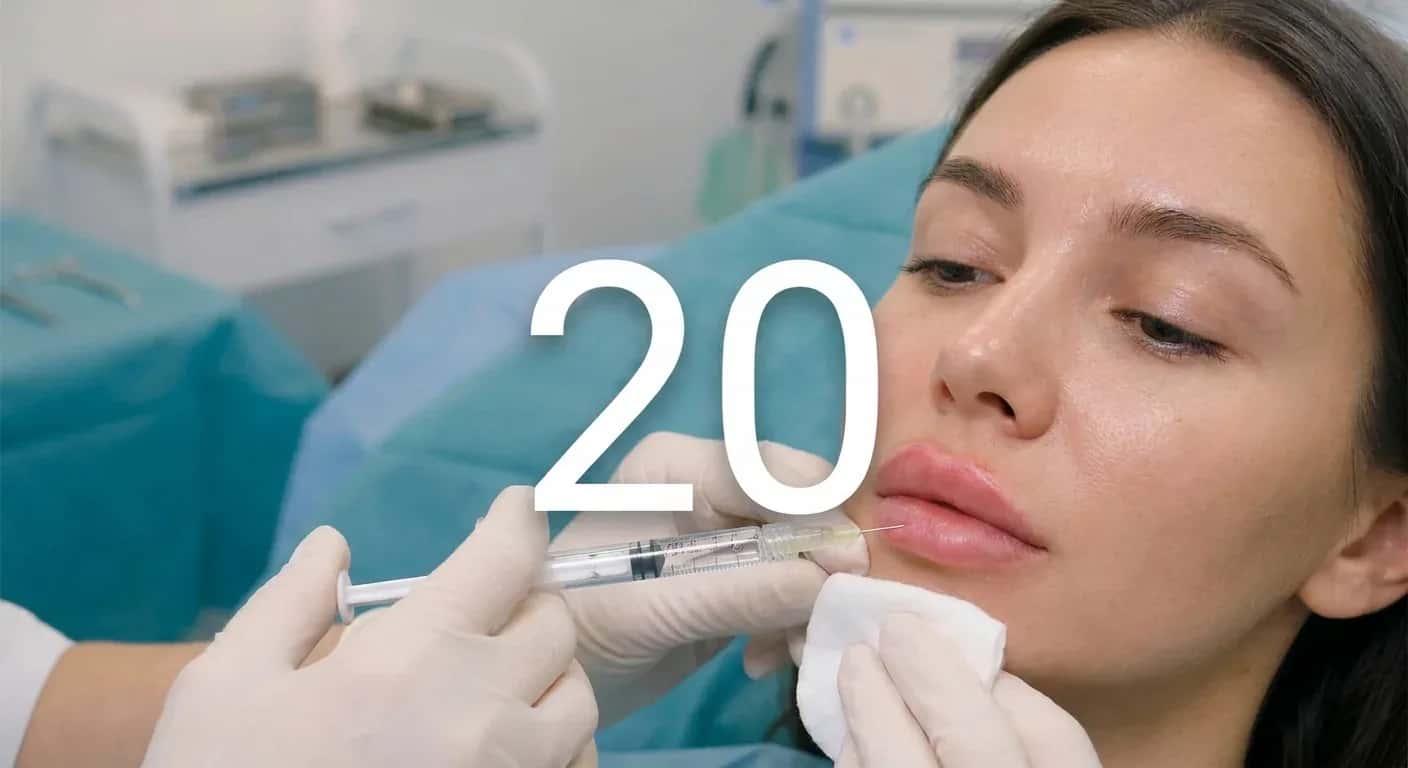
Many singers, actors, reality stars and influencers have talked openly about getting lip filler, and a growing number have also shared why they later had it dissolved. This guide looks at what 20 of these public figures said about their own lip treatments and what their experiences can teach anyone considering filler.

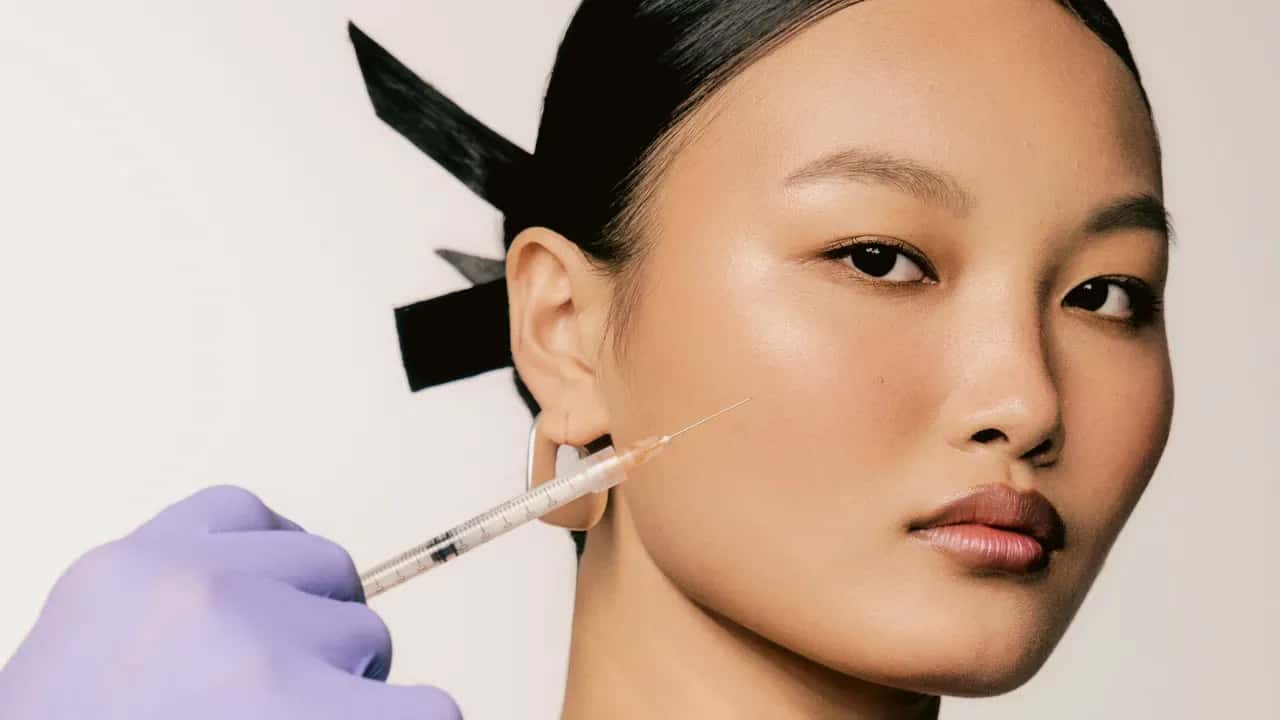
Filler fatigue describes the point where repeated dermal filler treatments leave a face looking heavier, puffier or less like itself, and it is pushing many people to rethink how they approach injectables. This guide explains what causes it, how to recognize an overfilled face.
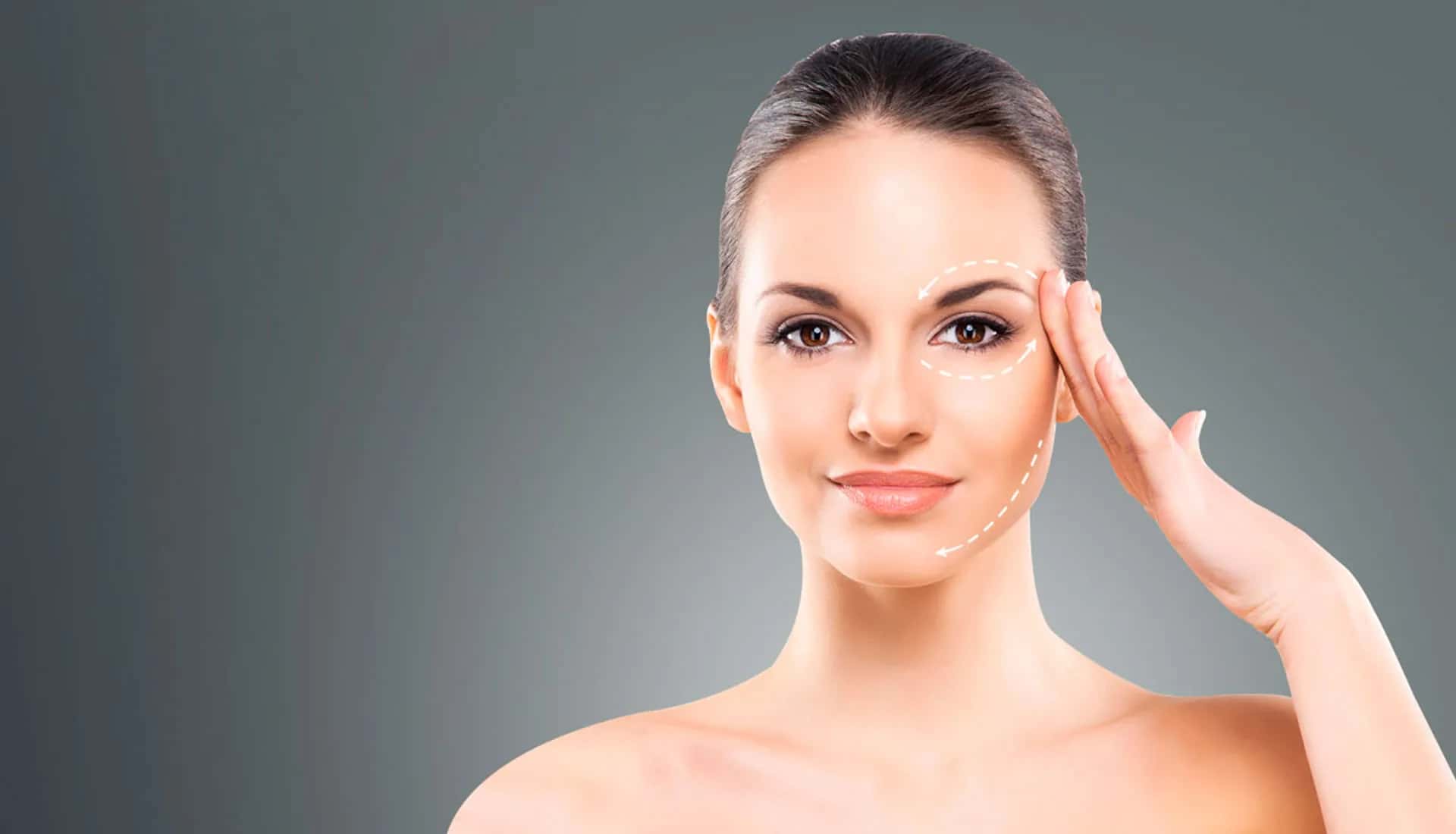
Overfilled faces develop when injectable treatments add more volume than the facial anatomy can accommodate naturally, altering contours, proportions and sometimes facial expression.
Subscribe to the Medifinder newsletter and never miss our latest content.