










5 Benefits of Glutathione Therapy
Glutathione therapy may increase glutathione stores and support several measurable health markers. However, evidence varies considerably between oral, topical, inhaled, and intravenous delivery.

- Last updated
- 69 reads
- 6 min read


What Is Glutathione Therapy?
Glutathione therapy uses supplemental glutathione to influence antioxidant systems or selected clinical markers.
Glutathione is a peptide containing cysteine, glycine, and glutamic acid. Cells produce it naturally and use it during antioxidant reactions. It also supports enzymes involved in processing reactive compounds. Therapy may involve capsules, liquids, topical products, inhalation, or intravenous administration. These routes produce different exposure patterns and safety concerns. Therefore, research involving one route cannot automatically support another. Glutathione therapy also differs from N-acetylcysteine treatment. N-acetylcysteine supplies a precursor, while glutathione products provide the completed peptide.
Do Oral, Topical, Inhaled, and Intravenous Glutathione Work Equally?
No, glutathione delivery methods differ substantially in absorption, evidence, purpose, and risk.
The route should match the clinical question being investigated.
-
Oral glutathione has increased body stores in some longer studies.
-
Topical research mainly examines pigmentation and cosmetic skin outcomes.
-
Inhaled glutathione studies have focused primarily on respiratory diseases.
-
Intravenous delivery creates immediate systemic exposure but adds procedural risks.
-
Compounded injections may introduce sterility, potency, or endotoxin concerns.
-
Results from one formulation cannot confirm another formulation’s effectiveness.
Patients should ask which route produced the evidence supporting a clinic’s claims.
Benefit 1: Can Glutathione Therapy Increase Glutathione Levels?
Oral glutathione can increase measurable body stores, although studies have produced conflicting results.
A six-month randomized trial studied 54 healthy, nonsmoking adults. Participants received 250 milligrams, 1,000 milligrams, or placebo daily. Blood glutathione increased at both tested doses during follow-up. Several cellular compartments also showed improvements. However, an earlier four-week trial found no significant glutathione changes. That trial used 1,000 milligrams daily in healthy adults. These contrasting findings suggest duration, formulation, population, and measurement methods may influence results. Increased laboratory levels also do not guarantee noticeable health improvements.
Benefit 2: Can Glutathione Improve Antioxidant Balance?
Glutathione supplementation may improve selected antioxidant markers, but benefits are not consistent across every study.
The six-month oral trial reported a lower oxidized-to-reduced glutathione ratio. Researchers interpreted that change as improved oxidative balance. However, the shorter four-week study found no meaningful changes in urinary oxidative damage markers. Participants in both investigations were generally healthy. Healthy people may have less room for measurable improvement than deficient populations. Laboratory antioxidant changes also remain surrogate outcomes. They do not prove reduced heart disease, cancer, infections, or slower aging. Stronger trials must connect these markers with meaningful clinical outcomes.
Benefit 3: Can Glutathione Support Liver Health?
Oral glutathione may improve selected liver markers in fatty liver disease, but current evidence remains preliminary.
A multicenter pilot study enrolled 34 people with nonalcoholic fatty liver disease. Participants first completed three months of diet and exercise changes. They then received 300 milligrams of glutathione daily for four months. Twenty-nine participants completed the full protocol. Alanine aminotransferase levels decreased after supplementation. Triglycerides, ferritin, and nonesterified fatty acids also declined. However, the study lacked placebo and untreated comparison groups. Lifestyle changes and natural variation could have influenced results. Glutathione should not replace established metabolic or liver care.
Benefit 4: Can Glutathione Help Blood Sugar Control?
Glutathione may support glucose control in some older adults with type 2 diabetes.
A randomized clinical study examined oral supplementation alongside existing diabetes treatment. Researchers found increased blood glutathione and reduced oxidative damage markers. The clearest HbA1c improvement appeared among participants older than 55 years. These findings do not prove equal benefits for younger adults or different diabetes populations. The study also does not support replacing prescribed medication with glutathione. Blood glucose responds strongly to medication, diet, activity, sleep, and illness. Glutathione should therefore remain an investigated adjunct rather than a primary diabetes treatment.
Benefit 5: Can Glutathione Improve Skin Pigmentation?
Oral glutathione may modestly reduce melanin measurements, but results vary between people and treatment areas.
Small randomized trials have reported lower melanin indexes after several weeks of oral supplementation. One twelve-week study also observed possible improvements in wrinkles and elasticity. However, many differences appeared only at selected measurement sites. Researchers have not established durable results after treatment ends. Evidence supporting oral products also cannot validate intravenous skin-lightening injections. Long-term intravenous safety data remain especially limited. Glutathione should not replace diagnosis for melasma or unexplained pigmentation changes. Sun protection remains important because supplementation does not prevent ultraviolet damage.
How Strong Is the Evidence Behind These Five Benefits?
The evidence supports possible benefits, but it does not establish glutathione as a universal wellness treatment.
Most trials involved small samples, short follow-up, or narrowly selected populations. Some measured blood markers rather than symptoms, function, or disease outcomes. Several studies used different dosages and formulations, making direct comparison difficult. Healthy volunteer findings may not apply to people with chronic conditions. Likewise, disease-specific findings cannot support broad anti-aging claims. Longer randomized trials should test meaningful outcomes and treatment durability. Consumers should treat guaranteed detoxification, immunity, energy, or longevity promises cautiously. These outcomes lack consistent confirmation from high-quality human trials.
Does Glutathione Therapy Help Parkinson’s Disease?
Glutathione has not demonstrated a confirmed clinical benefit for Parkinson’s disease.
A small randomized trial tested intravenous glutathione three times weekly for four weeks. Researchers found no significant difference in Parkinson’s rating scores compared with placebo. A later intranasal trial also showed improvement across every group, including placebo. These results prevent confident conclusions about treatment effectiveness. Researchers continue studying oxidative stress because glutathione levels may change during Parkinson’s disease. However, biological plausibility does not establish therapeutic success. Patients should not replace neurological treatment with glutathione injections or nasal products. Specialist supervision remains necessary for experimental adjunctive approaches.
How Long Does Glutathione Therapy Take to Work?
Glutathione therapy has no universal response timeline because each outcome uses different measurements.
Blood-level changes appeared during several months in one oral supplementation trial. Skin studies usually assessed results after four to twelve weeks. The fatty liver pilot evaluated participants after four months of oral treatment. These timelines cannot predict when an individual will notice changes. Some benefits may remain detectable only through laboratory testing. Formulation, dose, adherence, baseline status, diet, illness, and medications can influence results. Clinics should define the expected outcome before beginning treatment. Without a measurable target, subjective improvement becomes difficult to separate from normal variation.
What Are the Risks of Glutathione Therapy?
Glutathione risks depend heavily on the route, formulation quality, dose, and patient’s health.
Medical review becomes particularly important before injectable treatment.
-
Oral products may cause gastrointestinal discomfort or other individual reactions.
-
Inhaled products require caution because respiratory responses can vary.
-
Intravenous access creates infection, bleeding, and vein-related risks.
-
Compounded injections may have potency, sterility, or contamination problems.
-
FDA testing identified excessive endotoxins in glutathione used for injections.
-
Reported reactions included chills, vomiting, low blood pressure, and breathing difficulty.
-
Pregnancy and chronic disease require individualized professional assessment.
Unexpected symptoms after an infusion require prompt medical evaluation.
How Should You Evaluate a Glutathione Therapy Provider?
A responsible provider should explain the indication, evidence, product source, route, expected outcome, and possible risks.
Ask whether treatment targets a diagnosed condition or a general wellness claim. Request evidence involving the same route and patient population. For injections, confirm sterile preparation standards and emergency procedures. Compounded drugs do not undergo the same premarket approval process as approved medicines. Providers should never guarantee disease prevention, detoxification, whitening, or anti-aging results. They should also review medications, allergies, pregnancy status, and relevant medical conditions. A defined monitoring plan helps determine whether continued treatment offers measurable value.
References
-
Randomized Controlled Trial of Oral Glutathione Supplementation
https://pubmed.ncbi.nlm.nih.gov/24791752/ -
Oral Glutathione and Systemic Oxidative Stress Biomarkers
https://pubmed.ncbi.nlm.nih.gov/21875351/ -
Glutathione Treatment for Nonalcoholic Fatty Liver Disease
https://pubmed.ncbi.nlm.nih.gov/28789631/ -
Glutathione Supplementation and HbA1c in Type 2 Diabetes
https://pubmed.ncbi.nlm.nih.gov/35624890/ -
Oral Glutathione and Skin Pigmentation
https://pubmed.ncbi.nlm.nih.gov/20524875/ -
Glutathione and Skin Properties
https://pubmed.ncbi.nlm.nih.gov/28490897/ -
Intravenous Glutathione for Parkinson’s Disease
https://pubmed.ncbi.nlm.nih.gov/19230029/ -
Intranasal Glutathione for Parkinson’s Disease
https://pubmed.ncbi.nlm.nih.gov/28436395/ -
FDA Concerns About Compounded Injectable Glutathione
https://www.fda.gov/drugs/human-drug-compounding/fda-highlights-concerns-using-dietary-ingredient-glutathione-compound-sterile-injectables -
Intravenous Glutathione for Skin Lightening
https://pubmed.ncbi.nlm.nih.gov/27499402/
- Last updated
- Language
- English
How did you find this article?
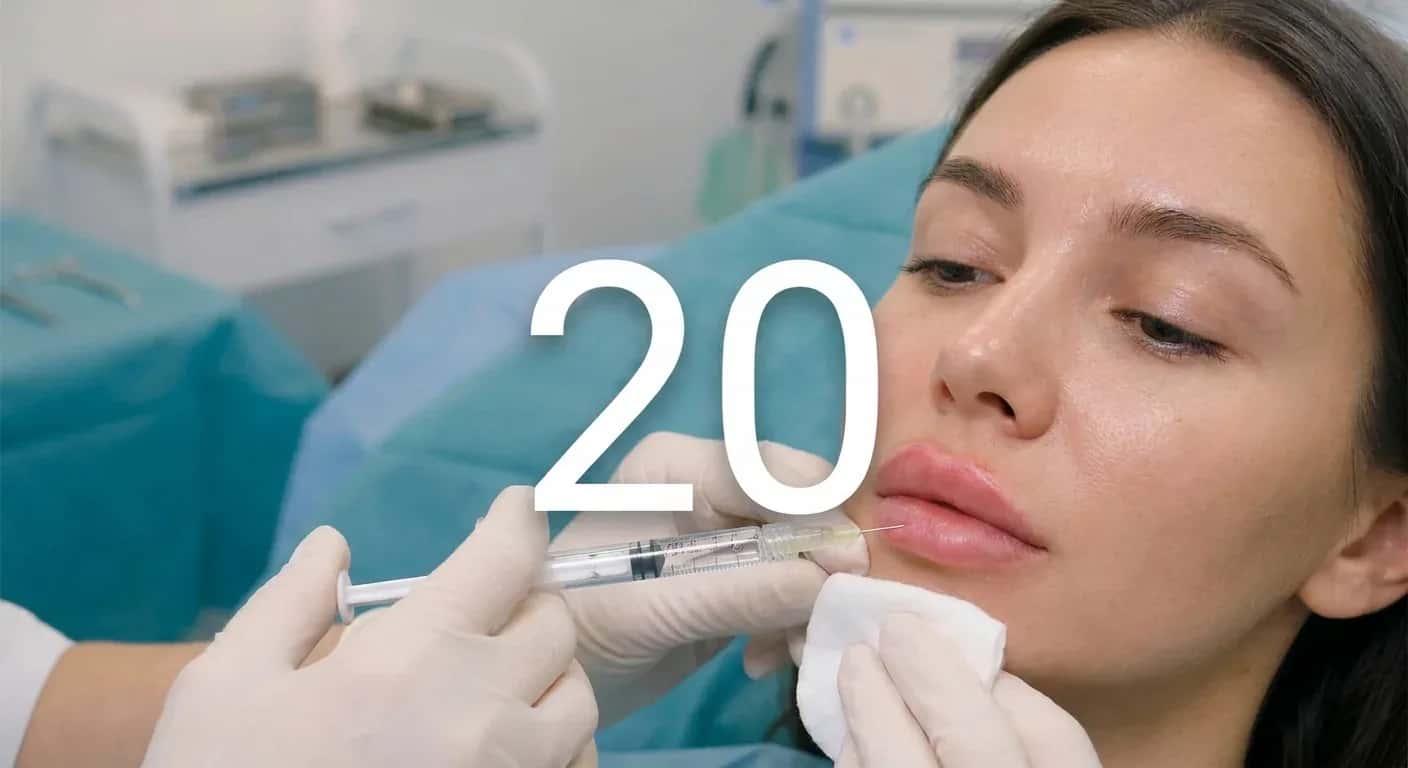
Many singers, actors, reality stars and influencers have talked openly about getting lip filler, and a growing number have also shared why they later had it dissolved. This guide looks at what 20 of these public figures said about their own lip treatments and what their experiences can teach anyone considering filler.


Filler fatigue describes the point where repeated dermal filler treatments leave a face looking heavier, puffier or less like itself, and it is pushing many people to rethink how they approach injectables. This guide explains what causes it, how to recognize an overfilled face.

Overfilled faces develop when injectable treatments add more volume than the facial anatomy can accommodate naturally, altering contours, proportions and sometimes facial expression.
Subscribe to the Medifinder newsletter and never miss our latest content.