










Leukemia Symptoms
This guide explains the most common leukemia symptoms, how acute and chronic leukemia can appear differently, and which warning signs may justify further blood testing.

- Last updated
- 31 reads
- 9 min read
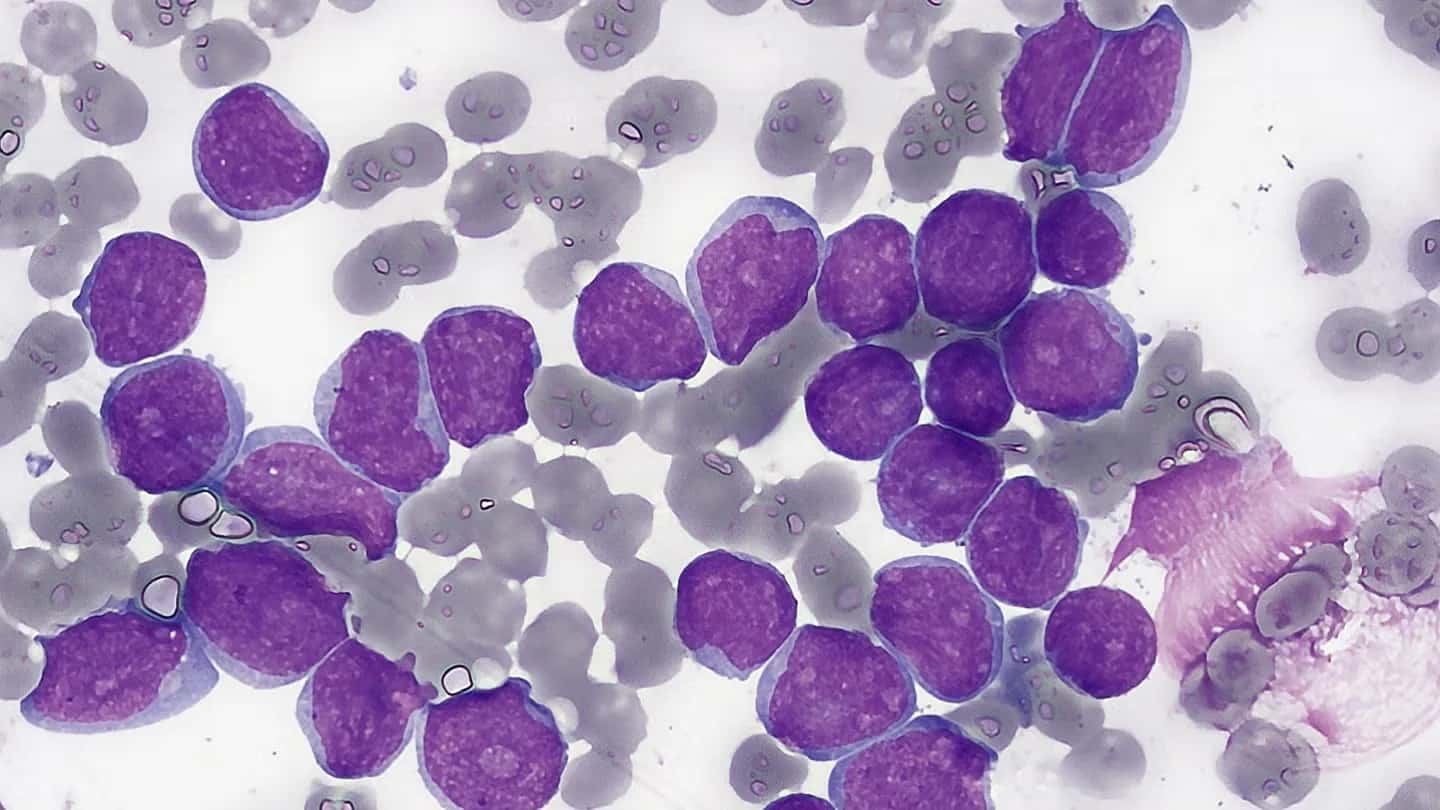


What Are the Most Common Symptoms of Leukemia?
Common leukemia symptoms include persistent fatigue, recurrent infections, unusual bruising or bleeding, fever, night sweats, pale skin, and unexplained weight loss. These symptoms develop because leukemia can interfere with normal production of red cells, white cells, and platelets.
Possible warning signs include:
-
Persistent or unusual fatigue
-
Repeated infections
-
Easy bruising
-
Frequent bleeding
-
Fever without a clear explanation
-
Drenching night sweats
-
Unexplained weight loss
-
Bone or joint discomfort
-
Enlarged lymph nodes
-
Tiny red or purple skin spots
These symptoms are not specific to leukemia, so diagnosis requires blood testing and further evaluation.
What Are the Early Symptoms of Leukemia?
Early leukemia symptoms can include unusual fatigue, recurrent infections, easy bruising, mild fever, pale skin, or changes discovered unexpectedly on a blood count. Some acute leukemias develop symptoms relatively quickly because abnormal cells disrupt normal blood-cell production over a short period.
Chronic leukemias can behave very differently and may cause few noticeable changes for months or years. Routine laboratory testing sometimes identifies them before symptoms appear.
Early signs also overlap with viral illnesses, iron deficiency, stress, and many other common conditions. Persistent combinations of unexplained symptoms matter more than one isolated complaint.
Can Leukemia Develop Without Symptoms?
Leukemia can develop without noticeable symptoms, particularly in some chronic forms that progress slowly and preserve normal blood-cell function during earlier stages. A routine complete blood count may reveal abnormal white-cell levels before the person feels unwell.
This silent period differs from many acute leukemias, which often cause symptoms more quickly because normal marrow function can deteriorate rapidly. Even then, early complaints may initially seem nonspecific.
The absence of symptoms therefore cannot completely exclude leukemia, but healthy people do not need to assume leukemia simply because they feel normal. Blood abnormalities usually provide the first objective clue.
Does Leukemia Cause Constant Fatigue?
Leukemia can cause persistent fatigue when abnormal bone marrow activity reduces normal red blood cell production and leads to anemia. Lower hemoglobin means tissues receive less oxygen, which can reduce energy and physical stamina.
People may notice unusual exhaustion during normal tasks, reduced exercise tolerance, dizziness, headaches, or difficulty concentrating. Rest may not fully correct the tiredness when anemia drives the problem.
Fatigue remains extremely nonspecific, however, and more common causes include iron deficiency, poor sleep, thyroid disorders, infection, and stress. Persistent fatigue becomes more concerning when bruising, fever, infections, or abnormal blood counts appear alongside it.
Can Leukemia Cause Easy Bruising?
Leukemia can cause easy bruising when abnormal marrow function reduces the production of healthy platelets needed for normal blood clotting. Bruises may appear after minor contact or occasionally without an obvious remembered injury.
Some people notice larger bruises, multiple new marks, or bruising in unusual areas. A low platelet count can also accompany nosebleeds, gum bleeding, or prolonged bleeding from small cuts.
Easy bruising has many noncancerous causes, including medications, aging skin, minor trauma, and platelet disorders. Recurrent unexplained bruising becomes more significant when it appears with fatigue, infections, fever, or additional bleeding symptoms.
Does Leukemia Cause Frequent Nosebleeds or Gum Bleeding?
Leukemia can contribute to frequent nosebleeds or gum bleeding when platelet production falls or normal clotting becomes impaired. Bleeding may last longer than expected or appear without a clear injury.
The gums can bleed during brushing, while the nose may bleed repeatedly, particularly when platelet levels become considerably reduced. Women may also notice heavier menstrual bleeding in some circumstances.
Frequent bleeding does not automatically indicate leukemia because dry nasal tissue, dental disease, blood-thinning medication, and many other conditions are more common explanations. Persistent bleeding combined with easy bruising or abnormal blood counts requires more careful evaluation.
Can Leukemia Cause Frequent Infections?
Leukemia can increase infection risk because abnormal white blood cells may crowd out healthy infection-fighting cells or function poorly despite appearing elevated in laboratory testing. A high white-cell count therefore does not always mean the immune system is working effectively.
People may experience repeated respiratory infections, persistent fevers, mouth infections, skin infections, or infections that take longer than expected to resolve.
The pattern depends on leukemia type and how strongly normal marrow function is affected. Frequent infections have many other explanations, but repeated unusual infections alongside fatigue, bruising, bleeding, or blood-count abnormalities can justify further investigation.
Does Leukemia Cause Fever?
Leukemia can cause fever through infection, immune-system changes, or inflammatory activity related to the disease itself. Fever may occur repeatedly or persist without the usual features of a simple respiratory infection.
Because leukemia can reduce effective immune defenses, an infection may become more important even when its initial symptoms seem mild. Fever in someone with severely reduced normal white cells can require urgent assessment.
Most fevers are caused by infections unrelated to leukemia. Concern rises when unexplained fever continues, repeatedly returns, or appears alongside night sweats, unusual bruising, persistent fatigue, weight loss, or an abnormal complete blood count.
Can Leukemia Cause Night Sweats?
Leukemia can cause significant night sweats, particularly when the disease triggers systemic inflammatory changes or accompanies persistent fever. People may wake with clothing or bedding noticeably damp rather than simply feeling warm during sleep.
Room temperature, heavy bedding, menopause, infections, medications, and anxiety can also cause night sweating. The symptom becomes more informative when it begins unexpectedly and repeatedly occurs without an environmental explanation.
Drenching night sweats combined with unexplained weight loss, fever, enlarged lymph nodes, fatigue, or abnormal blood results deserve further assessment. Night sweating by itself does not identify leukemia or distinguish it from other conditions.
Does Leukemia Cause Unexplained Weight Loss?
Leukemia can cause unexplained weight loss when systemic illness changes appetite, metabolism, inflammation, or overall energy balance. The change may develop even when the person has not intentionally altered diet or physical activity.
Some people also experience reduced appetite, early fullness, fever, or fatigue that indirectly lowers food intake. Rapid or continuing weight loss becomes more clinically important when several systemic symptoms occur together.
Many noncancerous illnesses can also cause unintended weight loss, including thyroid disease, gastrointestinal conditions, depression, and chronic infection. Persistent unexplained weight loss should therefore prompt broad medical evaluation rather than immediate assumptions about leukemia.
Can Leukemia Cause Bone or Joint Pain?
Leukemia can cause bone or joint pain when abnormal blood-forming cells accumulate within bone marrow and increase pressure inside affected bones. This symptom occurs more often in certain acute leukemias, particularly when marrow activity changes rapidly.
The discomfort may involve long bones, the breastbone, hips, or other marrow-rich areas. Children with leukemia can sometimes develop limb pain or begin avoiding normal movement.
Most bone and joint pain results from far more common musculoskeletal causes. Persistent unexplained pain becomes more concerning when accompanied by fever, bruising, pallor, fatigue, enlarged lymph nodes, or abnormal blood counts.
Can Leukemia Cause Swollen Lymph Nodes?
Leukemia can cause enlarged lymph nodes when abnormal white blood cells accumulate within lymphatic tissue. Swelling may appear in the neck, armpits, groin, or other lymph-node regions and can occur without significant tenderness.
Some leukemia types are more likely than others to produce noticeable lymph-node enlargement. The swelling can remain stable or gradually increase as abnormal cells accumulate.
Infections cause swollen lymph nodes far more commonly than leukemia, especially when nodes are painful and appear during a cold or throat infection. Persistent, unexplained enlargement accompanied by systemic symptoms or blood abnormalities deserves further evaluation.
Can Leukemia Cause Shortness of Breath?
Leukemia can cause shortness of breath when anemia reduces the blood's ability to carry sufficient oxygen throughout the body. People may become breathless during stairs, walking, or activities they previously completed comfortably.
A rapid heartbeat, dizziness, weakness, or pale skin can accompany the breathlessness when low hemoglobin causes the problem. Severe anemia may eventually produce symptoms even during minimal activity.
Shortness of breath has many possible cardiac, respiratory, and metabolic causes, some of which require urgent attention. New or worsening breathing difficulty should therefore be evaluated on its own rather than attributed to leukemia without testing.
Can Leukemia Cause Pale Skin?
Leukemia can make the skin appear unusually pale when reduced normal red blood cell production leads to anemia. Pale gums, lips, nail beds, or facial skin may become noticeable when hemoglobin falls significantly.
The person may simultaneously experience fatigue, dizziness, headaches, weakness, a rapid heartbeat, or breathlessness with physical activity. These symptoms reflect reduced oxygen-carrying capacity rather than leukemia cells directly changing skin color.
Iron deficiency and other forms of anemia cause pallor much more commonly. A complete blood count can show whether reduced hemoglobin is present and whether other blood-cell abnormalities suggest a broader bone-marrow problem.
Can Leukemia Cause Tiny Red Spots on the Skin?
Leukemia can cause tiny red or purple spots called petechiae when platelet levels fall enough for very small blood vessels to bleed beneath the skin. These spots often appear as clusters and usually do not disappear when pressed.
Petechiae can occur on the legs, arms, torso, or inside the mouth depending on the cause. They may appear alongside easy bruising, nosebleeds, gum bleeding, or heavier menstrual bleeding.
Several infections, medications, immune conditions, and platelet disorders can also cause petechiae. New widespread spots accompanied by bleeding or illness should receive prompt medical evaluation.
Do Acute and Chronic Leukemia Cause Different Symptoms?
Acute leukemia often causes symptoms more quickly, while chronic leukemia can remain unnoticed for much longer because the abnormal cells and marrow changes develop differently. Acute disease may produce rapid fatigue, infections, bruising, bleeding, fever, or bone pain.
Chronic leukemia may first appear through abnormal blood counts, enlarged lymph nodes, fatigue, night sweats, or unexplained weight loss. Some people remain completely asymptomatic at diagnosis.
The distinction cannot be made from symptoms alone because the patterns overlap considerably. Blood-cell appearance, laboratory findings, bone marrow evaluation, and specialized testing determine the specific leukemia type.
What Blood Test Changes Can Occur With Leukemia?
Leukemia can cause abnormal white blood cells, anemia, low platelets, or combinations of these findings on a complete blood count. The total white-cell count may be high, normal, or occasionally low depending on the leukemia type and stage.
The presence of abnormal immature cells can provide another important clue. A blood smear allows laboratory specialists to examine cell shape, maturity, and distribution more closely.
One abnormal blood count does not automatically indicate leukemia because infections, medications, deficiencies, and many other conditions alter blood cells. Persistent or significant abnormalities often lead to additional testing.
Can Leukemia Cause Abdominal Fullness or Swelling?
Leukemia can cause abdominal fullness when the spleen or liver becomes enlarged because abnormal blood cells accumulate within these organs. The person may notice pressure beneath the ribs or feel full after eating a relatively small meal.
An enlarged spleen commonly creates discomfort or fullness toward the upper left abdomen, although some people experience no pain. Liver enlargement can produce a different pressure sensation.
Abdominal fullness has many gastrointestinal and metabolic causes unrelated to leukemia. Persistent fullness accompanied by weight loss, fatigue, enlarged lymph nodes, or unusual blood counts makes further evaluation more appropriate.
Which Leukemia Symptoms Need Prompt Medical Attention?
Certain symptoms associated with leukemia deserve prompt assessment because they can reflect severe anemia, infection, very low platelets, or another serious condition. Heavy unexplained bleeding, breathing difficulty, confusion, severe weakness, or persistent high fever should not be monitored casually at home.
Widespread petechiae, rapidly increasing bruising, repeated infections, or significant unexplained weight loss also deserve timely medical attention when they develop without a clear cause.
Most people with one common symptom such as tiredness do not have leukemia. Concern increases when several unexplained warning signs occur together or laboratory testing already shows substantial blood-cell abnormalities.
How Is Leukemia Confirmed After Symptoms Appear?
Leukemia is confirmed through blood testing and specialized hematologic evaluation rather than symptoms alone. A complete blood count usually provides the first objective evidence by revealing abnormal white cells, anemia, thrombocytopenia, or another unusual pattern.
A peripheral blood smear can identify abnormal cell populations and immature cells. When findings raise significant concern, bone marrow testing may determine whether leukemia cells are present and how extensively they involve the marrow.
Additional laboratory techniques can classify the leukemia type by examining cell markers, chromosomes, and genetic changes. Accurate classification matters because different leukemias require different treatment strategies.
- Last updated
- Language
- English
How did you find this article?
This guide explains common early signs of cancer, which persistent body changes deserve attention, and why symptoms alone cannot confirm or exclude a cancer diagnosis.

This guide explains where cancer can begin in the human body, including organs, blood, bone, skin, brain and other tissues, and why some body parts develop cancer far more often than others.


This guide explains what quality of life means for people with cancer, what can improve or reduce it during and after treatment, and how patients and care teams can identify problems that need support.
Subscribe to the Medifinder newsletter and never miss our latest content.