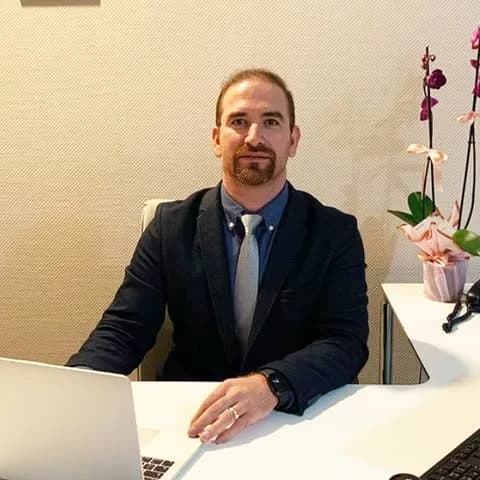










Dr. Mustafa Köşker is a physician working in Ophthalmology. His clinical focus includes oculoplastics, eyelid aesthetics, ptosis, and periocular surgery. He completed medical school at Ankara University Faculty of Medicine. He completed Ophthalmology specialty training at Ankara Training and Research Hospital. Patients usually search for him in relation to eyelid drooping, lower eyelid bags, and periocular aesthetics. Before booking, users should review his specialty, education, and current clinic information together. This approach helps patients build clearer expectations before an ophthalmology or oculoplastic appointment.
What is Dr. Mustafa Köşker’s medical specialty?
Dr. Mustafa Köşker works as a specialist in Ophthalmology. This branch covers eye examination, vision problems, eyelid conditions, and surgical assessment. Sources highlight his focus on oculoplastics and eyelid aesthetics. Patients may search for him through blepharoplasty, ptosis, under-eye bags, and brow lift topics. Periocular procedures require functional evaluation as well as aesthetic planning. For this reason, patients should clarify symptoms, expectations, and previous procedure history before the appointment. Doctor selection should not depend only on the procedure name.
What is Dr. Mustafa Köşker’s educational background?
Dr. Mustafa Köşker’s educational background includes Ankara University Faculty of Medicine. Sources state that he studied medicine there between 2000 and 2006. He completed Ophthalmology specialty training at Ankara Training and Research Hospital. Profile information also states that he became an ophthalmology specialist in 2011. This background helps users understand the clinical foundation behind his ophthalmology practice. Oculoplastics and eyelid surgery require anatomy knowledge and surgical experience. Patients should research not only the clinic address, but also the doctor’s training path.
Which periocular complaints does Dr. Mustafa Köşker evaluate?
Dr. Mustafa Köşker evaluates patient needs related to eyelids and the periocular area. Patients may search for him because of eyelid drooping, lower eyelid bags, brow descent, and periocular aesthetics. These complaints should not be assessed only from a cosmetic perspective. Visual field, eyelid function, and ocular surface health may also matter. Ptosis, blepharoplasty, and oculoplastic procedures require personal examination. Before the appointment, patients should note symptom duration and daily life impact. This preparation helps the physician evaluate the complaint more accurately.
What should patients research before seeing Dr. Mustafa Köşker?
Patients should research Dr. Mustafa Köşker’s specialty, clinic address, and procedure scope before an appointment. They may also want to understand blepharoplasty, ptosis, lower eyelid aesthetics, and oculoplastics. Before the visit, existing eye reports and current eye drops should be prepared. Previous eye surgeries, laser procedures, or aesthetic treatments should be shared with the doctor. Diabetes, thyroid disease, and dry eye can affect the assessment. These details support more personal planning. Patients should not decide only by visual outcome expectations.
What matters when choosing an oculoplastic doctor?
Ophthalmology knowledge and surgical focus matter when choosing an oculoplastic doctor. Eyelid procedures involve eye function as well as aesthetic expectations. Patients should not decide only by before-after images or treatment prices. The doctor’s approach to periocular anatomy, eyelid function, and ocular surface health matters. Suitability, risks, and recovery should be discussed clearly during consultation. Not every patient is suitable for the same procedure. For this reason, personal assessment should guide the treatment decision.
What should patients ask during an eyelid aesthetics appointment?
Patients should ask about suitability, technique, risks, and recovery during an eyelid aesthetics appointment. Users usually research this topic because of upper eyelid sagging, lower eyelid bags, or a tired appearance. However, eyelid procedures should not be evaluated only aesthetically. Eyelid position, visual field, dry eye, and skin structure should be reviewed together. Patients should ask how the procedure is planned and how follow-up works. Expected results should not be treated as guaranteed outcomes. The appointment should clarify personal suitability and realistic expectations.
How should patients prepare before periocular aesthetics?
Patients should clarify concerns, expectations, and medical history before periocular aesthetics. They should explain eyelid drooping, bags, asymmetry, or visual field effects clearly. Current eye drops, blood thinners, and regular medications should be shared with the doctor. Previous eye surgeries, laser procedures, and aesthetic treatments should also be mentioned. Thyroid disease, dry eye, and allergic eye problems may affect evaluation. Bringing previous eye reports can make the process easier. This preparation helps the physician make a more accurate personal assessment.