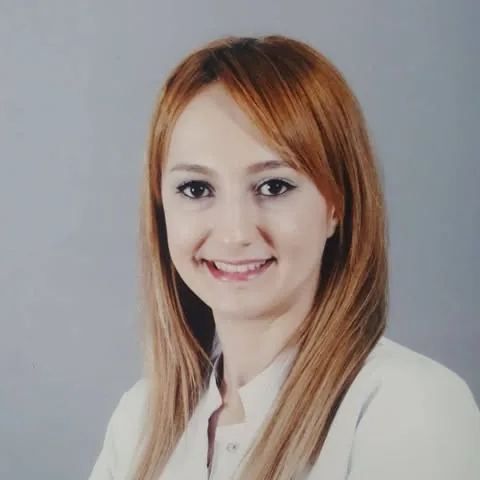







Who Is Dr. Dt. Zehra Fırtına Ekincioğlu?
Dr. Dt. Zehra Fırtına Ekincioğlu is a dentist and oral and maxillofacial surgeon based in Ankara, Turkey. She was born in Ankara in 1984 and completed her primary, secondary and high school education in the city.
She graduated from Ankara University Faculty of Dentistry and then pursued specialist training in Oral, Dental and Maxillofacial Surgery and Diseases at the same university.
Her professional interest in surgical dentistry developed during dental school. She completed advanced education in implantology, reconstruction and aesthetic dentistry at different centers, including training programs in South America.
She received the title of Doctor of Science in 2011 through her work in maxillofacial surgery and implantology. Her academic thesis focused on cancers of the mouth, jaw and face.
Her current clinical work focuses particularly on implantology, oral surgery, impacted teeth and jaw problems, while also covering different areas of general dentistry.
Medical Education and Professional Background
Zehra Fırtına Ekincioğlu completed her dental education at Ankara University Faculty of Dentistry. Her interest in surgical methods led her toward Oral and Maxillofacial Surgery during her academic training.
She completed specialist training at Ankara University in Oral, Dental and Maxillofacial Surgery and Diseases.
In 2011, she received her Doctor of Science title in the field of maxillofacial surgery and implantology.
Her academic and professional education includes implantology, reconstruction and aesthetic dentistry. She has attended national and international congresses and continued to follow developments in modern surgical techniques.
Her professional experience includes work at Private Yüzüncü Yıl Hospital, Miadent Oral and Dental Health Center and Zeds Dental Clinic.
She currently works at her own dental practice in Ankara, with a focus on oral surgery and implantology.
Which Areas Does Zehra Fırtına Ekincioğlu Focus On?
Zehra Fırtına Ekincioğlu works in oral and maxillofacial surgery and general dentistry. Her main areas include dental implants, impacted teeth, missing teeth and jaw problems.
Her implant practice includes surgical and prosthetic planning for single and multiple missing teeth. Bone structure, gum condition and the position of the missing tooth are considered during treatment planning.
Impacted wisdom tooth surgery is another major area of her clinical work. Dental infections, abscesses and other oral surgical conditions can also require evaluation.
Prosthetics, root canal treatment, pediatric dentistry, orthodontics and teeth whitening are among the other dental services associated with her practice.
Oral and Maxillofacial Surgery
Oral and maxillofacial surgery addresses surgical conditions involving the teeth, jaw bones and surrounding oral tissues.
Impacted teeth are among the common reasons for oral surgery. The position of the tooth, root anatomy and relationship with surrounding structures can influence the surgical approach.
Jawbone infections, structural problems and selected lesions can also require surgical assessment. The treatment plan depends on clinical findings and appropriate imaging.
Medical history is important before oral surgery. Current medications, existing medical conditions and previous surgical procedures can affect treatment planning.
Dental Implant Treatment
Dental implants use artificial tooth roots placed in the jawbone to replace missing teeth. Implantology is one of the main areas of Zehra Fırtına Ekincioğlu's professional practice.
Implant planning begins with assessment of the jawbone. Bone volume, gum condition and neighboring teeth can all influence the treatment plan.
Some patients may require additional bone support before implant placement. Bone grafting can be considered when there is insufficient bone volume for the planned procedure.
After implant placement, a prosthetic restoration is planned. A single crown can replace one missing tooth, while bridges or other prosthetic options can be considered for multiple missing teeth.
Long-term implant maintenance also depends on oral hygiene and regular dental examinations.
Impacted Teeth and Wisdom Tooth Removal
Impacted teeth are teeth that do not fully erupt or develop in an appropriate position within the mouth. Wisdom teeth are among the teeth most commonly associated with impaction.
The position of the tooth, root structure and relationship with nearby nerves or other teeth can influence the extraction plan. Panoramic imaging and additional imaging can be used when necessary.
Impacted teeth can cause pain, swelling, infection or damage to neighboring teeth. These symptoms can require oral and maxillofacial evaluation.
Different surgical techniques can be used depending on the position and anatomy of the impacted tooth.
Postoperative oral hygiene and following clinical instructions are important during recovery.
Dr. Zehra Fırtına Ekincioğlu's Implantology Work
Dr. Zehra Fırtına Ekincioğlu has developed her professional background in implantology through academic and clinical training.
Implant treatment requires more than replacing a missing tooth. The jawbone, gums, adjacent teeth and overall oral environment also need to be considered.
Before surgery, bone volume and anatomical structures are assessed. Bone grafting and other preparatory procedures may be considered when appropriate.
The prosthetic restoration placed on the implant is another important part of treatment. In the front teeth, aesthetic considerations can be particularly important.
Good oral hygiene and regular follow-up remain important for maintaining implant health over time.
Missing Teeth and Prosthetic Treatments
Missing teeth can affect chewing, speech and the balance of the dental arches. Different prosthetic options can be considered depending on the number and location of missing teeth.
Fixed prostheses include crowns and bridges. The condition of neighboring teeth can influence whether these options are appropriate.
Removable dentures can be considered when several teeth are missing. Complete dentures are used when all natural teeth in an arch have been lost.
Implant-supported prostheses receive support from dental implants placed in the jawbone. The appropriate option depends on oral anatomy, bone condition and treatment goals.
Root Canal Treatment and Restorative Dentistry
Root canal treatment is used when the pulp inside a tooth becomes inflamed or damaged. The goal is to preserve the natural tooth when appropriate.
The affected tissue is removed and the root canal system is cleaned and filled. Depending on the remaining tooth structure, a filling or crown may be needed afterward.
Restorative dentistry addresses decay, fractures and other structural tooth damage. Treatment planning considers both function and appearance.
Regular oral hygiene and dental follow-up are important after root canal treatment.
Teeth Whitening and Cosmetic Dentistry
Teeth whitening is a cosmetic dental procedure designed to lighten the natural color of teeth. Existing tooth color and surface stains can influence treatment planning.
Cosmetic dentistry can also consider tooth shape, color and the amount of tooth structure visible during smiling.
Before whitening, tooth decay, gum disease and sensitivity should be evaluated. The appropriate whitening method depends on the condition of the teeth.
Good oral hygiene supports long-term dental health. Professional cleaning can also be recommended when plaque or tartar buildup is present.
Oral, Jaw and Facial Conditions
Different lesions, infections and structural problems can develop in the mouth, jaw and facial region. These conditions may require detailed clinical examination and appropriate imaging.
Zehra Fırtına Ekincioğlu's academic thesis focused on cancers of the mouth, jaw and face.
Problems involving the jawbone, tooth roots and surrounding structures can require different surgical approaches. Treatment planning depends on the type and location of the condition.
Persistent oral ulcers, unexplained swelling, prolonged pain or changes in jaw movement can require professional dental evaluation.
Pediatric Dentistry and Orthodontics
Children's teeth and jaws develop differently from those of adults. Dental treatment should therefore take the child's age and stage of development into account.
Pediatric dentistry is among the clinical service areas. Primary teeth, early tooth loss and childhood oral health problems can be evaluated.
Orthodontics addresses irregularities in the position of the teeth and jaws. Bite relationship, jaw development and tooth alignment can all influence treatment planning.
Regular dental examinations during childhood can help identify decay and developmental problems at an earlier stage.
Where Is the Ankara Clinic Located?
Zehra Fırtına Ekincioğlu sees patients at her private practice in Ankara. The listed address is Mehmet Akif Ersoy Mahallesi, 274th Street, Wings Plaza, Block 1A, No. 82.
The practice focuses on oral and maxillofacial surgery, implantology and general dentistry.
Dental implants, impacted tooth extraction, oral surgery, prosthetics, root canal treatment, teeth whitening, pediatric dentistry and orthodontics are among the listed clinical areas.
The listed telephone number is ***. The email address is ***.
What Should Be Prepared Before an Appointment?
Patients considering implant treatment can bring previous panoramic X-rays or dental CT scans when available. Information about previous implants and dental surgeries can also be useful.
For impacted tooth extraction, patients can provide information about pain, swelling, infection and previous imaging.
For prosthetic or cosmetic dental treatments, previous restorations and prostheses can help with treatment planning.
Current medications, known allergies and existing medical conditions should be reported before surgical procedures.