







Doctor
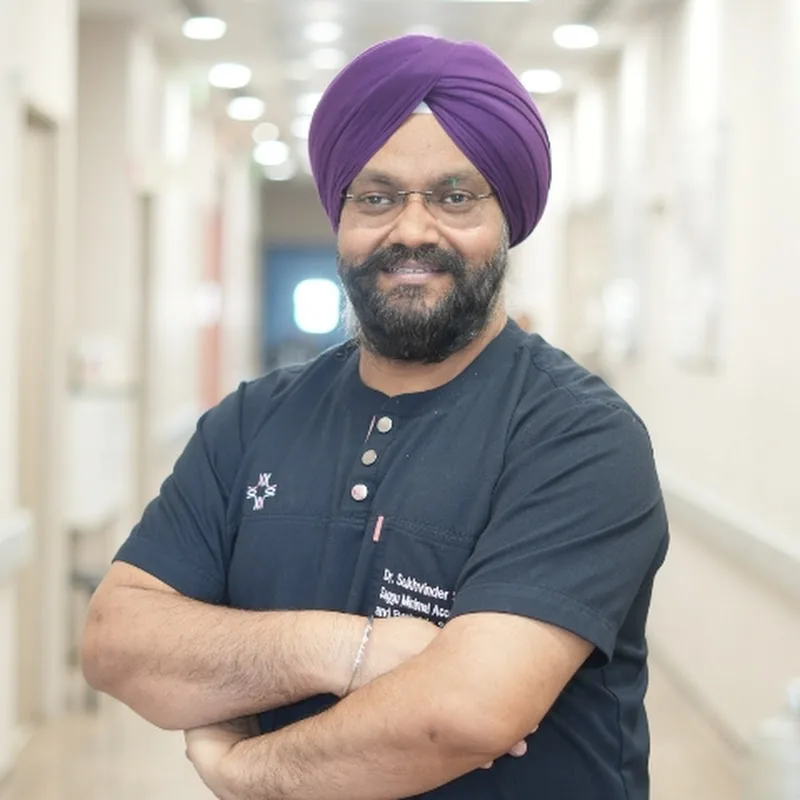
Sukhvinder Singh Saggu
General Surgery
New Delhi, India
A quick overview of the provider's strongest treatment areas, ideal for patients who want to understand whether this profile matches their needs before exploring the full treatment list.
Our Aim, To help patients meet their weight loss and overall health goals. To reduce the risk of life-threatening diseases. To help patients regain their confidence and self esteem.
Services offered and typical procedures — request a personalized quote for any of them.
Meet the dedicated professionals behind our care.
General Surgery
New Delhi, India
Where this specialist practices and typical availability.
37/3, Block 36, East Patel Nagar, Patel Nagar, New Delhi, Delhi, 110008, India
Hours can change during national holidays or by appointment availability.
Accepted insurance networks and payment options — contact for coverage details.
Facilities and services available at the practice location.
Verified patient feedback with overall rating, care quality breakdown and recent review highlights.
This profile is new to MediFinder!
Be the first to share your experience and leave a review.
Bariatric surgery is suitable for individuals experiencing obesity issues. Generally, it is recommended for those with a body mass index over 40 or over 35 who have health problems such as heart disease or type 2 diabetes. This surgery offers a solution for patients who cannot lose weight through diet and exercise. Suitability is determined through a comprehensive evaluation.
After bariatric surgery, patients can lose about 5-15 pounds per week in the first 2-3 months. This process decreases to 1-2 pounds per week in the following 6 months. Weight loss varies depending on individual factors. Each patient's rate of weight loss is different, and therefore comparisons are not recommended.
Bariatric surgery has many benefits. This surgery increases patients' self-confidence and helps them lose about 50% of their excess weight. Additionally, it contributes to the reduction of health issues such as diabetes, high blood pressure, and arthritis. Therefore, it aims to improve overall health.
The risk of complications after bariatric surgery is low. However, conditions such as infected wounds, ulcers, bleeding, and digestive issues can rarely occur. Serious complications, such as heart attacks or severe infections, can happen at a rate of 2-3%. Therefore, careful follow-up after surgery is important.
It is important for patients to make some preparations before bariatric surgery. Health status is evaluated and necessary tests are conducted. Additionally, adherence to diet and exercise programs before surgery is recommended. These preparations increase the success of the surgery and speed up the recovery process.
After bariatric surgery, patients need to follow a liquid and low-calorie diet. Since the stomach size is reduced after surgery, care should be taken with food intake. Attention should be paid to protein intake, and a balanced nutrition plan should be created. This supports the recovery process.
Exercising after bariatric surgery is extremely important. Exercise supports weight loss and improves overall health. After surgery, light activities can be started according to the doctor's recommendations. Over time, the exercise program should be increased. This helps patients lead a healthier life.
After bariatric surgery, patients can expect weight loss and improvements in their health status. Following the surgery, many patients feel more energetic and healthier. Additionally, a reduction in obesity-related health issues is also possible. This process enhances patients' quality of life.