










Where to Get Affordable Plastic Surgery? Savings Plans
Affordable plastic surgery is possible when patients compare safe providers, understand total pricing, and choose a savings plan that fits their budget before booking a procedure. The best option is not always the cheapest clinic. A better approach is to look for fair pricing, qualified surgical care

- Last updated
- 164 reads
- 9 min read


You can get affordable plastic surgery in popular medical tourism hubs like Turkey, Mexico, and Thailand. These countries provide surgical care at a fraction of typical American or British prices. International patients routinely save up to seventy percent on procedures like rhinoplasty and liposuction. Turkey is especially famous for offering all-inclusive packages that cover luxury hotels and VIP transfers.
Mexico remains extremely popular for North American patients seeking quick travel and board-certified aesthetic surgeons. The overall price difference largely stems from lower local living costs and favorable exchange rates. Always verify clinic accreditations and surgeon credentials before booking your cosmetic trip abroad. Thorough research guarantees you receive beautiful results safely without breaking your personal budget.
Plastic surgery costs vary widely because every procedure has different surgical time, anesthesia needs, recovery requirements, and technical difficulty. A small facial procedure may cost much less than a full body contouring plan. A simple liposuction case may also be priced differently from a tummy tuck, breast lift, facelift, rhinoplasty, or mommy makeover. For this reason, patients should compare full treatment estimates rather than relying on the first advertised price.
Affordable plastic surgery should never mean unsafe surgery. A low price can be helpful only when the clinic follows strong medical standards, uses licensed anesthesia support, provides proper aftercare, and gives clear instructions before and after surgery. Savings matter, but safety should remain the first priority.
What Makes Plastic Surgery Expensive?
Plastic surgery pricing includes more than the surgeon’s fee. The total cost may include consultation, blood tests, medical clearance, anesthesia, operating room fees, surgical supplies, implants, compression garments, medication, nursing care, and follow-up visits. If the procedure is done in a hospital or accredited surgical facility, the facility fee may be a large part of the final bill.
The type of surgery is one of the main cost factors. Rhinoplasty, facelift, tummy tuck, breast augmentation, breast lift, eyelid surgery, and liposuction each require different planning and operating time. Procedures that involve implants, complex reshaping, or longer recovery usually cost more.
Location also affects price. Clinics in major cities often charge more because rent, staff, insurance, and operating costs are higher. Smaller cities may offer lower prices, but patients should still check surgeon experience and facility standards carefully.
Where to Find Affordable Plastic Surgery?
Patients can find affordable plastic surgery through several safe routes. These include private clinics with payment plans, teaching hospitals, residency or fellowship clinics, accredited surgery centers, regional clinics outside major cities, and selected international destinations.
Teaching hospitals and supervised training clinics may offer lower prices because procedures are performed by advanced trainees under experienced supervision. This option can reduce cost while keeping medical oversight in place. The tradeoff may be longer appointments, less flexible scheduling, and a more detailed approval process.
Private clinics may also offer affordable options through seasonal pricing, combined procedure packages, loyalty programs, and in-house financing. Some surgeons reduce facility and anesthesia duplication when procedures are safely combined in one session. However, combining surgeries should only be done when the patient is healthy enough and the total operating time remains appropriate.
Plastic Surgery Savings Plans
A plastic surgery savings plan helps patients prepare for treatment without rushing into high-interest debt. The simplest method is to set a monthly savings target based on the expected surgery date. For example, a patient planning surgery in 12 months can divide the estimated total cost into 12 parts and save consistently.
A separate savings account can make planning easier. Patients can include the procedure price, consultation, lab work, medication, garments, travel, accommodation, meals, time away from work, and emergency funds. This gives a clearer view of the real cost.
A good savings plan should also include a safety cushion. Plastic surgery recovery can bring unexpected expenses, such as extra follow-up visits, additional medication, extended hotel stay, or help at home. Planning only for the operation fee can create stress later.
Payment Plans and Financing
Many plastic surgery clinics offer payment plans or work with financing providers. This allows patients to pay over time instead of paying the full amount upfront. Payment plans can be useful when the monthly amount fits comfortably within the budget.
Patients should review the total repayment amount, not only the monthly payment. A low monthly payment may look attractive, but interest and fees can raise the final cost. It is important to check the annual percentage rate, repayment term, late fees, promotional period, and what happens if the balance is not paid on time.
Medical credit cards, personal loans, and standard credit cards may also be used for cosmetic surgery. These options can help with cash flow, but they should be approached carefully. Financing works best when the patient has stable income, good credit, and a realistic plan to repay the balance without damaging long-term finances.
Insurance and Medically Necessary Surgery
Most cosmetic plastic surgery is not covered by health insurance because it is considered elective. However, some procedures may qualify for partial or full coverage when they are medically necessary. Examples may include breast reconstruction after cancer surgery, surgery after trauma, correction of functional breathing problems, eyelid surgery affecting vision, or removal of excess skin causing infections or mobility issues.
Coverage depends on the medical reason, documentation, policy rules, and approval process. Patients should ask the surgeon’s office whether the procedure may qualify as reconstructive or medically necessary. Photos, medical notes, specialist letters, previous treatment records, and symptom documentation may be needed.
Even when insurance helps, patients may still pay deductibles, copayments, coinsurance, or out-of-network fees. A benefits check before surgery is essential.
Traveling for Affordable Plastic Surgery
Traveling to another city or country can reduce the cost of plastic surgery. Some destinations offer lower private healthcare prices because operating costs, exchange rates, and package structures are different. Patients may find lower prices for rhinoplasty, liposuction, tummy tuck, breast surgery, hair transplantation, and facial procedures.
Medical travel can make sense for selected patients, but the full budget must include flights, hotel, meals, transportation, companion expenses, travel insurance, and extra recovery days. Patients should also consider what happens if a complication appears after returning home.
A lower package price is not enough. Patients should review the surgeon’s experience, hospital quality, anesthesia standards, infection control, emergency support, and follow-up communication. Surgery abroad should be planned with enough recovery time before flying home.
Affordable Plastic Surgery in Smaller Cities
Patients often compare large city prices first, but smaller cities can be more affordable. A qualified surgeon outside a high-cost area may offer lower fees because clinic expenses are lower. This can help patients save without leaving their country.
The main advantage is easier follow-up compared with international travel. If a concern develops after surgery, the patient can usually return to the clinic more easily. This can be especially important after body contouring, breast surgery, or facial procedures that require monitoring.
Patients should still check credentials, facility standards, before and after photos, complication policies, and patient communication. Lower local pricing should come from lower overhead, not reduced safety.
Choosing the Right Procedure for Your Budget
One of the best ways to make plastic surgery more affordable is to choose the right procedure at the right time. Not every concern needs a large operation. Some patients may benefit from a smaller procedure first, while others may need a more complete surgical plan to avoid paying twice.
For example, a patient considering facial rejuvenation may compare eyelid surgery, neck lift, mini facelift, fat grafting, or nonsurgical treatments. A patient considering body contouring may compare liposuction, tummy tuck, arm lift, thigh lift, or staged surgery.
A good consultation should explain which procedure will give the most meaningful result and which options may not be worth the cost. Honest planning can prevent unnecessary spending.
Package Deals and Combined Procedures
Package pricing may reduce the total cost when procedures are safely combined. Common combinations include tummy tuck with liposuction, breast lift with implants, eyelid surgery with facelift, or body contouring after weight loss. Combining procedures may reduce repeated anesthesia and facility fees.
However, package deals should be reviewed carefully. A combined plan should not be chosen only because it looks cheaper. Longer surgery can increase risk, swelling, fatigue, and recovery time. The surgeon should explain why the combination is safe and appropriate for the patient’s health.
Patients should ask whether the package includes anesthesia, facility fee, implants, garments, medication, follow-up visits, and possible revisions. A clear written estimate helps avoid surprise charges.
Hidden Costs to Consider
Hidden costs can make affordable plastic surgery more expensive than expected. These may include consultation fees, imaging, lab tests, prescriptions, surgical bras, compression garments, scar care products, lymphatic massage, hotel extension, transportation, childcare, and time away from work.
Revision surgery is another important consideration. Even with skilled care, some patients may want or need refinements after healing. Revision policies differ. Some clinics include minor adjustments within a certain period, while others charge separately for surgeon fees, anesthesia, or facility use.
Recovery support also has value. Patients may need help with cooking, cleaning, dressing changes, bathing, or transportation. Planning for this support before surgery can prevent stress during healing.
How to Compare Plastic Surgery Prices
Patients should request itemized estimates from more than one provider. Each estimate should list the surgeon fee, anesthesia fee, facility fee, implants or materials, medical tests, garments, medication, follow-up, and revision policy. Comparing only the headline price can be misleading.
It is also important to compare qualifications and experience. A surgeon who regularly performs the chosen procedure may offer better planning and more predictable results. Before and after photos can help patients understand the surgeon’s style, but they should look for cases similar to their own body type, age, and goals.
Communication should feel clear and realistic. A reliable provider will explain risks, recovery, limits, scarring, and expected results. Pressure tactics, vague pricing, and promises of perfect outcomes are warning signs.
Ways to Save Without Risking Safety
Patients can reduce cost safely by planning early, comparing several consultations, choosing a qualified provider in a lower-cost area, asking about payment plans, using savings instead of high-interest debt, and avoiding unnecessary add-ons.
It may also help to schedule surgery during a quieter season if the clinic offers flexible pricing. Some patients save by choosing standard recovery options instead of luxury packages. Others reduce cost by staying with trusted family or friends during recovery when it is medically safe.
The safest savings strategy is to keep the surgical plan focused. Choose the procedure that matches the main concern, prepare the body before surgery, follow aftercare instructions, and avoid bargain offers that ignore medical safety.
Questions to Ask Before Booking
Before choosing affordable plastic surgery, patients should ask what the full price includes, who performs the surgery, where the operation takes place, who provides anesthesia, how complications are handled, and how many follow-up visits are included.
They should also ask how long recovery usually takes, when they can return to work, what supplies they need, and whether revision fees are included. For surgery abroad, patients should ask how long they must stay near the clinic and what support is available after returning home.
Clear answers are part of safe care. If pricing or medical details feel unclear, it is better to pause before paying a deposit.
- Last updated
- Language
- English
How did you find this article?
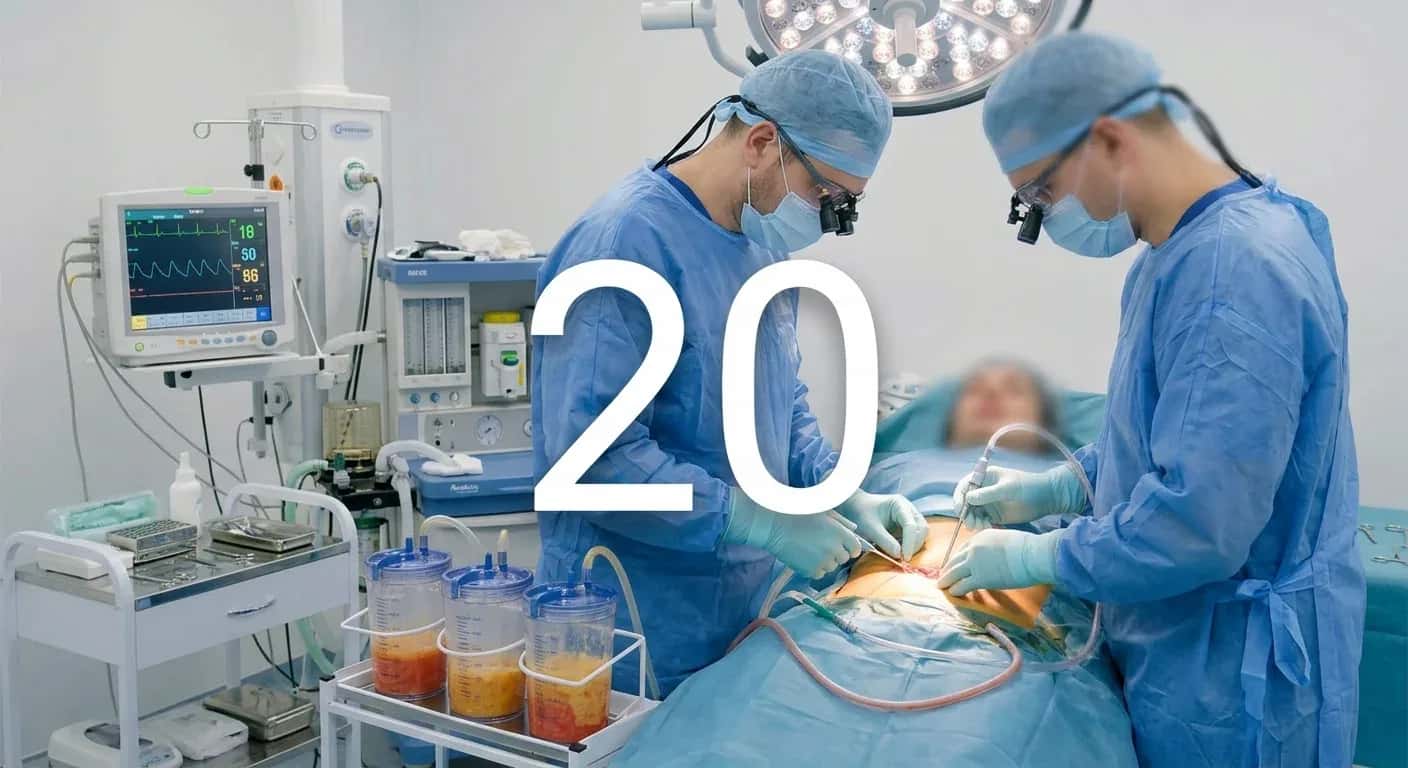
Liposuction has become part of a more open conversation about cosmetic surgery, with celebrities discussing everything from subtle body contouring to difficult recoveries and results they later regretted. These 20 public figures have personally acknowledged undergoing liposuction, offering different perspectives.
Many actors, models, musicians and television personalities have spoken openly about having rhinoplasty, some for cosmetic reasons and others to repair an injury or improve their breathing. This guide looks at what 20 of these celebrities said about their own nose surgery and what their experiences can teach anyone.
Several well-known musicians, reality stars and influencers have spoken openly about having a Brazilian butt lift, and many of them have also shared regret, reduction surgery or difficult recoveries. This guide looks at what these celebrities said about their own procedures and what their experiences can teach anyone.
Subscribe to the Medifinder newsletter and never miss our latest content.