










What Oxygen Level Is Dangerous During Sleep?
Learn which oxygen levels during sleep may be concerning, how to read a pulse oximeter and when nighttime drops require urgent medical attention.

- Last updated
- 17 reads
- 6 min read
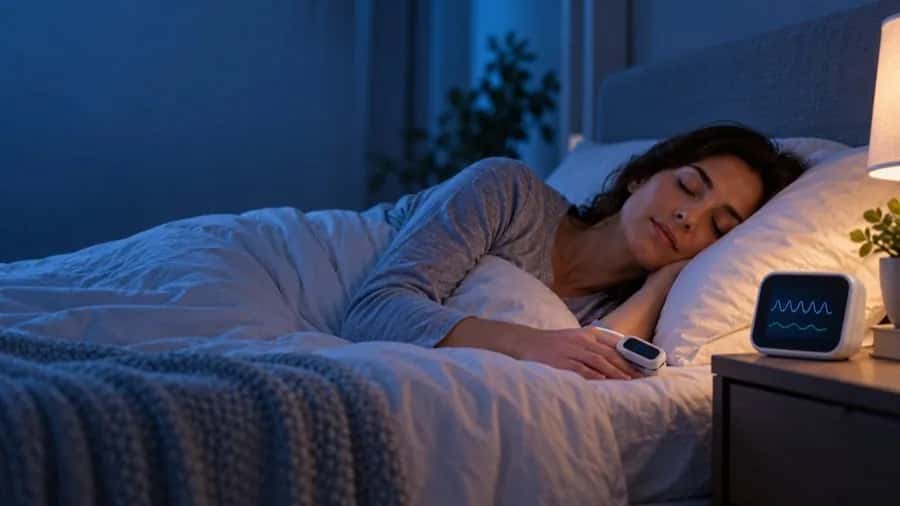


What Oxygen Level Is Dangerous During Sleep?
Blood oxygen saturation naturally changes during sleep, especially during brief periods of shallow breathing. For most healthy adults at sea level, oxygen saturation usually remains in the mid to high nineties. A short dip may not be dangerous by itself, but repeated or prolonged drops can indicate that breathing is being interrupted. The important question is not only how low the number falls, but also how long it stays low, how often it happens and whether symptoms are present.
As a practical guide, readings around 95 to 100 percent are generally considered typical for many people. A repeated reading below 92 percent deserves medical attention, while a sustained level below 90 percent is concerning and should not be ignored. A value below 88 percent is particularly low and requires prompt clinical assessment. These are general reference points, not a personal diagnosis, because altitude, lung disease, heart conditions and the accuracy of the device can change the interpretation.
Why Oxygen Can Drop While You Sleep
During sleep, the muscles that keep the upper airway open relax. In obstructive sleep apnea, the throat narrows or closes repeatedly, reducing airflow even though the body continues trying to breathe. In central sleep apnea, the brain temporarily fails to send a regular breathing signal. Both patterns can cause repeated oxygen dips and brief awakenings that the sleeper may not remember.
Other factors include asthma, chronic lung disease, pneumonia, heart failure, obesity-related breathing problems, sedative medicines and alcohol close to bedtime. Sleeping at high altitude can also lower oxygen saturation compared with a reading at sea level. A single low value cannot identify the cause, but a repeated pattern during sleep is worth investigating.
How Low Is Too Low At Night?
A brief drop that quickly returns to the usual range can occur during normal sleep, particularly when a person changes position. The concern increases when the level remains below 92 percent for several minutes, repeatedly falls below 90 percent or produces a long period of low readings. A device that records the whole night may reveal patterns that a single morning check misses.
People with a known lung or heart condition may have a different baseline and a specific target set by their care team. They should not change oxygen flow, medication or positive airway pressure settings based only on a watch or home oximeter. A persistent fall from a person’s usual level is important even when the number has not crossed a dramatic threshold.
When A Low Reading Needs Emergency Help
Seek urgent help if a low oxygen reading is accompanied by severe shortness of breath, chest pain, blue or grey lips, new confusion, fainting, extreme drowsiness or a rapidly worsening condition. A repeated reading at or below 92 percent while resting is a reason to contact emergency or urgent medical services, especially when symptoms are present. A level below 90 percent that remains low after a careful repeat measurement should be treated as urgent.
Do not wait for a person to become unconscious. Some people with low oxygen do not feel breathless, while others become anxious, restless or unusually tired. The number and the person’s appearance must be considered together. If the reading seems inconsistent with the person’s condition, repeat it correctly while arranging medical advice rather than assuming that the device is wrong.
What A Pulse Oximeter Measures
A fingertip pulse oximeter estimates the percentage of hemoglobin carrying oxygen. It does not measure carbon dioxide, breathing effort, blood pressure or the quality of sleep. A normal number therefore cannot rule out sleep apnea or other breathing disorders. Some watches and fitness devices estimate oxygen trends but are not equivalent to a clinical sleep study.
Home readings can be affected by cold fingers, movement, poor circulation, nail polish, artificial nails, bright light, an incorrectly fitted sensor and a low-quality device. Readings can also be less accurate at low oxygen levels and may overestimate oxygen in some people with darker skin. Trends and repeated measurements are more useful than a single isolated value.
How To Check A Reading More Reliably
- Warm the hand and rest quietly for several minutes.
- Remove dark nail polish or artificial nails from the measuring finger.
- Place the sensor securely without squeezing the finger.
- Keep the hand still and wait for the number to stabilize.
- Record the oxygen level, pulse and time of the reading.
- Repeat the measurement if the result is unexpectedly low.
Follow the manufacturer’s instructions and use the same device when tracking changes. A drop from a usual value of 97 percent to repeated readings around 90 percent is meaningful even if one measurement later returns to normal. Do not use a home device to decide whether to start, stop or increase prescribed oxygen.
Signs That Sleep Breathing May Be Abnormal
- Loud or irregular snoring
- Observed pauses in breathing
- Gasping, choking or sudden body movements at night
- Morning headache or dry mouth
- Unrefreshing sleep despite enough time in bed
- Daytime sleepiness, irritability or poor concentration
- Frequent nighttime urination
These symptoms do not prove sleep apnea, but together with repeated oxygen dips they deserve assessment. A partner’s observation can be valuable because many breathing pauses are not remembered by the sleeper.
How Sleep Oxygen Is Evaluated
A clinician may recommend a home sleep apnea test or an overnight sleep study. These tests can record airflow, breathing effort, oxygen saturation, heart rate and body position. A full study may also measure brain waves, eye movements and muscle activity. The results show how often breathing events occur and how much time is spent below a selected oxygen level.
Evaluation can also include a review of medication, alcohol use, weight change, nasal obstruction, lung symptoms and heart history. The goal is to identify why oxygen is falling rather than simply reacting to a number. Treatment may involve positive airway pressure, an oral appliance, positional changes, weight management or care for an underlying lung or heart condition.
Why Repeated Drops Matter
Repeated nighttime desaturation can fragment sleep and increase stress on the cardiovascular system. People may wake with headaches, feel unrefreshed and have difficulty concentrating during the day. Over time, untreated sleep-disordered breathing can affect blood pressure, mood and daily safety, particularly when sleepiness increases the risk of driving or workplace accidents.
Not every low reading causes lasting harm, and not every person with a low number has the same risk. The pattern, duration and medical context matter. A report showing frequent dips is more informative than a single minimum value shown by a consumer app.
Practical Steps For Safer Nights
- Keep the bedroom free from smoke and avoid alcohol close to bedtime.
- Follow prescribed treatment exactly and keep equipment clean.
- Sleep on the side if this reduces snoring or breathing pauses.
- Review sedative medicines with a qualified healthcare professional.
- Keep a record of symptoms and overnight readings.
- Arrange evaluation when low readings repeat across several nights.
Raising the head slightly or changing sleep position may improve comfort, but these steps do not replace an assessment when oxygen repeatedly falls. Do not borrow oxygen equipment or use someone else’s settings. Oxygen therapy is a medical treatment and can be harmful when used without appropriate monitoring.
The Bottom Line
For many adults, oxygen saturation during sleep usually stays around 95 to 100 percent. Repeated readings below 92 percent deserve prompt medical advice, levels below 90 percent are concerning and a sustained value below 88 percent is particularly low. Emergency symptoms such as severe breathlessness, chest pain, blue lips, confusion or fainting require immediate help regardless of the displayed number.
A pulse oximeter is a useful clue, not a complete diagnosis. Check the reading carefully, look for a pattern and pay attention to how the person feels and appears. When nighttime oxygen repeatedly drops, identifying the underlying breathing problem is safer and more effective than trying to correct the number alone.
Keeping A Useful Overnight Record
If a device records overnight data, note the lowest value, the length of each episode and whether the reading followed a change in position. Also write down snoring, awakenings, morning headaches and daytime sleepiness. A simple diary helps a clinician compare the oxygen pattern with symptoms and decide whether a formal sleep assessment is needed.
Do not focus only on the single lowest number. A brief artifact caused by movement may look alarming, while a steady series of modest drops can be more important. Looking at the complete pattern leads to a safer interpretation.
- Last updated
- Language
- English
How did you find this article?

Learn why hands may feel swollen after sleep, which causes are common, how to ease mild puffiness and when medical assessment is needed.

Learn why perimenopause can cause night sweats and insomnia, plus practical sleep strategies, treatment options and signs that need medical attention.

This page explains how clinics can become more visible across digital channels, reach the right patient audience, and turn that visibility into sustainable patient communication.
Subscribe to the Medifinder newsletter and never miss our latest content.