










Top 3 Tests Used to Diagnose Primary Immunodeficiency
Primary immunodeficiency is a group of conditions in which part of the immune system does not work as expected from birth or early development, although symptoms may appear at any age. Diagnosis usually starts with a careful review of infection patterns, overall health history, and targeted lab work.

- Last updated
- 60 reads
- 14 min read
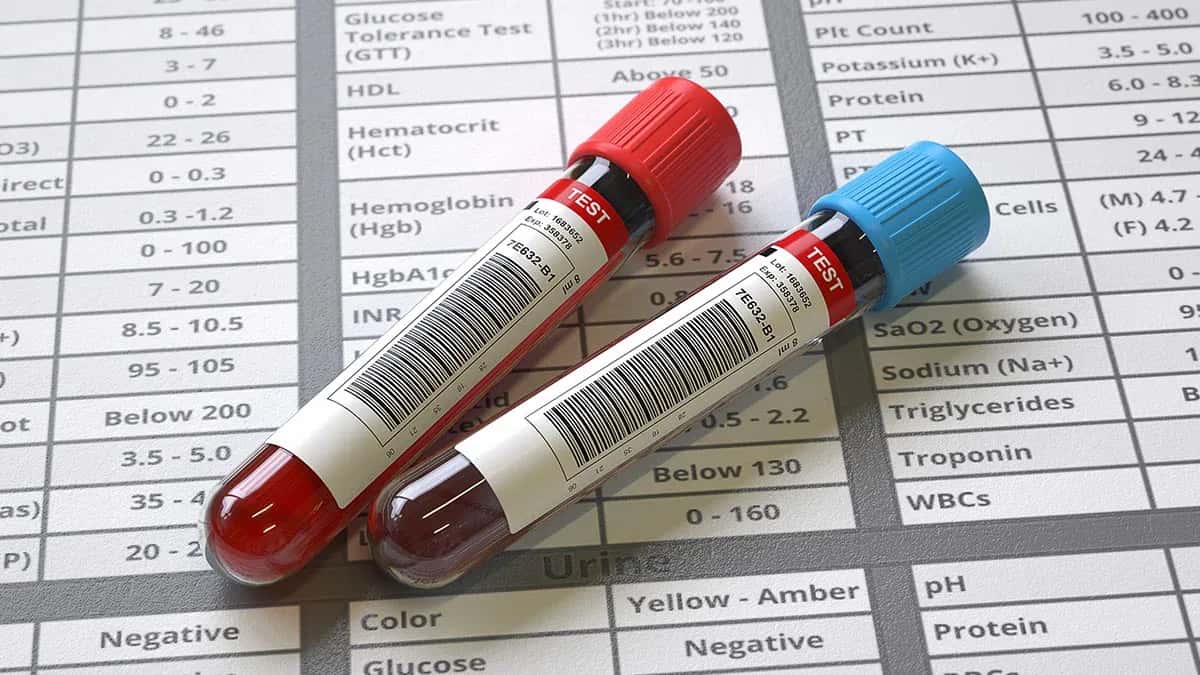


Which primary immunodeficiency tests are usually used first?
The first tests usually used to evaluate possible primary immunodeficiency are a complete blood count with differential, quantitative immunoglobulin testing with specific antibody response testing, and lymphocyte subset analysis by flow cytometry. Together, these immunology tests give a practical first look at whether the body has enough key immune cells, whether antibody production appears adequate, and whether major immune cell groups are present in expected numbers.
These tests do not diagnose every immune disorder on their own. Instead, they help sort a broad concern into a more focused question. For example, a person with repeated sinus and lung infections may need antibody-focused testing, while a person with severe viral, fungal, or unusual infections may need deeper cellular immune evaluation. A stepwise approach helps avoid both under-testing and random testing that does not match the clinical picture.
Primary immunodeficiency can look different from one person to another. Some people have frequent infections. Others have infections that are unusually severe, difficult to clear, or caused by organisms that do not usually cause serious disease. Some also have inflammatory, autoimmune, allergy-like, digestive, skin, or growth-related concerns. Because the immune system is connected to many parts of the body, diagnosis depends on matching lab results with symptoms rather than reading one number in isolation.
Test 1: Complete blood count with differential
A complete blood count with differential, often shortened to CBC with differential, is one of the most basic but useful primary immunodeficiency tests. It measures major blood cell groups and breaks down white blood cells into categories such as neutrophils, lymphocytes, monocytes, eosinophils, and basophils. This matters because white blood cells are central to fighting infection, coordinating immune responses, and signaling when something is wrong.
For immunodeficiency testing, the “differential” is especially important. A total white blood cell count may look acceptable while one specific type of immune cell is too low, too high, or out of balance for the person’s age and situation. In children, age-based reference ranges are essential because normal immune cell counts change as the immune system develops.
A CBC with differential may point toward several broad immune concerns. A low lymphocyte count can raise concern for problems involving T cells, B cells, or natural killer cells. A low neutrophil count may suggest a problem with one of the immune system’s first responders to bacterial and fungal infections. Platelet size and platelet number can also provide clues in certain inherited immune conditions, although those findings require careful interpretation.
What this test can reveal
A CBC with differential is often used because it is accessible, relatively quick, and helpful as a screening tool. It can show whether the immune system has enough circulating cells to mount a basic defense. It can also reveal patterns that suggest whether the next step should focus on antibodies, lymphocyte subsets, neutrophil function, or another area.
Useful findings may include:
-
Low absolute lymphocyte count: May suggest reduced numbers of major lymphocyte groups and may lead to lymphocyte subset testing.
-
Low neutrophil count: May point toward neutropenia or another issue affecting the body’s response to certain bacterial or fungal infections.
-
Unusual white blood cell patterns: May suggest inflammation, infection, medication effects, or a need to repeat testing.
-
Low platelets or unusual platelet features: May be relevant when immune symptoms occur with bleeding, bruising, or other blood-related findings.
-
Normal results despite strong symptoms: May still require further immunology tests, because some immune problems affect function rather than cell count.
The practical value of this test is direction. It helps clinicians decide whether a person’s symptoms are matched by obvious changes in immune cell numbers. If the CBC is abnormal, it can guide the next test. If it is normal but the infection history is concerning, it can prevent false reassurance by showing that more specific immune function testing may still be needed.
Why “normal” does not always mean “no problem”
A normal CBC with differential does not rule out primary immunodeficiency. Some immune disorders involve cells that are present in normal numbers but do not work properly. Others mainly affect antibody quality, vaccine response, complement activity, or the ability of immune cells to communicate.
This is why CBC results are best viewed as the opening chapter, not the whole story. If someone has repeated pneumonia, persistent deep skin infections, serious viral infections, poor response to standard treatment, or a family history of immune problems, clinicians may continue evaluating even when the CBC looks normal. Immunodeficiency testing is most accurate when lab results are interpreted alongside the real-world pattern of illness.
Test 2: Quantitative immunoglobulins and specific antibody responses
Quantitative immunoglobulin testing measures the main classes of antibodies in the blood. These typically include IgG, IgA, and IgM, and sometimes IgE depending on the situation. Because antibody deficiencies are among the more commonly recognized forms of primary immunodeficiency, this is one of the most important immunology tests in the diagnostic process.
Antibodies help the body recognize and respond to bacteria, viruses, and other threats. They are especially important in protecting the sinuses, ears, lungs, bloodstream, and digestive tract. When antibody levels are low, or when antibodies do not respond well to vaccines or infections, a person may have recurrent respiratory infections, frequent ear or sinus infections, or infections that return soon after treatment.
Quantitative immunoglobulin testing answers one part of the question: how much antibody is present? Specific antibody response testing answers another part: do those antibodies work well enough against targets the immune system should recognize? Both pieces matter.
Antibody quantity and antibody function are different
A person may have low immunoglobulin levels, which can clearly suggest an antibody problem. However, some people have immunoglobulin levels that fall within the expected range but still do not make strong, protective responses to certain vaccines or infections. That is why specific antibody response testing is often paired with quantitative immunoglobulins.
Specific antibody testing may evaluate whether the immune system has made measurable antibodies to previous vaccines. In some cases, clinicians compare antibody levels before and after a vaccine challenge to see whether the immune system can respond appropriately. The details depend on age, vaccine history, prior treatments, and clinical judgment.
This distinction is important for anyone trying to understand the Top 3 Tests Used to Diagnose Primary Immunodeficiency. Antibody testing is not only about whether the body has antibodies in circulation. It is also about whether those antibodies are specific, useful, and responsive.
Patterns that may guide the diagnosis
Antibody-focused primary immunodeficiency tests can show several patterns:
-
Low IgG with low IgA or IgM: May suggest a broader antibody production problem.
-
Selective reduction in one immunoglobulin class: May require repeat testing and clinical correlation.
-
Normal immunoglobulins with weak vaccine responses: May suggest impaired functional antibody production.
-
Low antibody levels related to another cause: May require evaluation for medication effects, protein loss, infection, or other non-inherited explanations.
-
Borderline results: May need repeat testing over time, especially in younger children whose immune systems are still maturing.
These results help determine whether a person’s infection pattern is consistent with an antibody deficiency. They may also guide decisions about monitoring, prevention, treatment planning, and whether family history or genetic testing should be considered later.
Practical preparation questions
Before antibody testing, it can be helpful for patients or caregivers to gather a few details. This does not replace medical guidance, but it can make the visit more productive and reduce confusion when results are interpreted.
Useful information to bring includes:
-
A list of frequent infections, including approximate dates and treatments
-
Any infections that required hospitalization or intravenous medication
-
Vaccine records, if available
-
Prior antibody or immune testing results
-
Current medications and immune-related treatments
-
History of autoimmune, inflammatory, digestive, or allergy-like symptoms
-
Family history of repeated infections, early severe illness, or known immune problems
These details matter because immunoglobulin and vaccine response results can be influenced by age, timing, previous vaccination, active illness, and immune therapies. If someone is already receiving antibody replacement treatment, for example, certain antibody response tests may be harder to interpret because measured antibodies may partly reflect the treatment rather than the person’s own production.
Test 3: Lymphocyte subset analysis by flow cytometry
Lymphocyte subset analysis is a more detailed test that counts major types of lymphocytes, including T cells, B cells, and natural killer cells. It is usually performed using flow cytometry, a laboratory method that identifies cells based on markers on their surface or inside the cell. In primary immunodeficiency evaluation, this test helps determine whether the major cellular players of the immune system are present in expected numbers.
This test is especially useful when symptoms suggest a problem beyond antibody production alone. Severe viral infections, unusual fungal infections, persistent infections, poor growth with infections, chronic diarrhea with immune concerns, or very early-onset severe infections may lead clinicians to look closely at lymphocyte subsets. It is also commonly used when a CBC shows a low lymphocyte count.
The key benefit of lymphocyte subset testing is specificity. A CBC may show that total lymphocytes are low, but it cannot explain which lymphocyte group is affected. Flow cytometry can separate that broader number into categories that better match immune function.
What lymphocyte subsets tell clinicians
Different lymphocyte groups play different roles. T cells coordinate immune responses and help defend against many viral, fungal, and intracellular infections. B cells are involved in antibody production. Natural killer cells help recognize and respond to certain infected or abnormal cells. When one group is low or absent, the likely diagnostic pathway changes.
Lymphocyte subset analysis may report:
-
Total T cell numbers
-
Helper T cell and cytotoxic T cell numbers
-
B cell numbers
-
Natural killer cell numbers
-
Ratios or percentages between groups
-
Sometimes additional markers when a more detailed immune profile is needed
For accurate interpretation, absolute cell counts usually matter more than percentages alone. A percentage may look high simply because another cell group is low. Clinicians also compare results with age-appropriate ranges, because infants, children, and adults do not all have the same expected lymphocyte patterns.
When flow cytometry goes beyond counting
Flow cytometry can do more than count cells. In some cases, it can evaluate whether certain proteins are present, whether cells appear mature or immature, or whether immune cell groups have an unusual pattern. Depending on the suspected condition, more advanced versions of this testing may look at B cell maturation, T cell activation, or specialized immune markers.
That said, lymphocyte subset analysis is not a stand-alone answer. A person may have normal numbers of T cells, B cells, and natural killer cells but still have a functional defect. If clinical concern remains high, additional immunology tests may evaluate how cells respond to stimulation, how neutrophils produce an oxidative burst, how complement pathways function, or whether a genetic change explains the immune pattern.
How do doctors use the results together?
Doctors use these results together by matching immune cell counts, antibody measurements, antibody function, and lymphocyte patterns with the person’s infections and overall health history. The goal is not to label someone based on one abnormal value, but to identify a consistent pattern that explains the symptoms and points toward the right next step.
A practical example is recurrent bacterial sinus or lung infections. In that situation, antibody testing may be especially informative because antibodies help protect the respiratory tract. If immunoglobulin levels are low or vaccine responses are weak, the evaluation may focus on antibody deficiency. If antibody tests are normal but infections are severe or unusual, the workup may shift toward cell function, anatomy, airway health, or other causes.
Another example is severe viral, fungal, or opportunistic infection. In that setting, lymphocyte subset analysis may be prioritized, especially if the CBC shows low lymphocytes. If T cell numbers are very low, evaluation may become more urgent because T cells are central to many immune defenses.
A third example is deep abscesses, unusual bacterial infections, or fungal infections with a normal neutrophil count. That pattern may lead to neutrophil function testing rather than simply repeating a CBC. This shows why the “top 3” tests are often the beginning of immunodeficiency testing, not the end.
Warning signs that may prompt immunodeficiency testing
Not every frequent cold means someone has primary immunodeficiency. Many people, especially young children, get common infections because of normal exposure patterns. Concern rises when infections are unusually frequent, severe, persistent, difficult to treat, or caused by organisms that are not typical for the person’s age and health.
Signs that may prompt a clinician to consider primary immunodeficiency tests include:
-
Repeated ear, sinus, lung, skin, or deep tissue infections
-
Infections that require long or repeated antibiotic courses
-
Poor recovery between infections
-
Infections that become severe quickly
-
Need for intravenous medication to clear common infections
-
Unusual fungal, viral, or opportunistic infections
-
Chronic diarrhea with poor growth or weight concerns
-
Recurrent abscesses or poor wound healing
-
Autoimmune or inflammatory symptoms occurring with recurrent infections
-
A family history of serious or repeated infections
These warning signs do not prove an immune disorder. They simply suggest that a more structured evaluation may be appropriate. Primary immunodeficiency diagnosis is a process of pattern recognition, testing, and careful exclusion of other explanations.
Other tests may be needed after the top three
The top 3 tests help create a foundation, but primary immunodeficiency is too broad for only three lab categories to diagnose every case. If results are abnormal, unclear, or inconsistent with the symptoms, clinicians may order additional tests that focus on specific immune pathways.
Common follow-up tests may include complement testing, neutrophil oxidative burst testing, lymphocyte function testing, expanded B cell or T cell panels, and genetic testing. The choice depends on the suspected immune defect. For example, recurrent infections with certain bacteria may lead to complement pathway evaluation, while deep abscesses and certain fungal infections may lead to phagocyte function testing.
A stepwise testing path
A typical evaluation may move through stages like this:
-
Clinical history and physical examination: The clinician looks for infection patterns, growth concerns, inflammatory symptoms, family history, and signs involving the skin, lungs, gut, lymph nodes, or spleen.
-
Initial screening labs: CBC with differential, quantitative immunoglobulins, antibody response testing, and sometimes complement screening are used to identify broad immune patterns.
-
Focused immune testing: Flow cytometry, cell function tests, and pathway-specific tests are selected based on the first results and symptoms.
-
Confirmation and classification: Repeat testing, genetic evaluation, or specialized panels may help confirm the diagnosis and identify the specific immune condition.
-
Care planning: Results guide prevention strategies, treatment options, monitoring, and family counseling when appropriate.
This stepwise approach helps reduce unnecessary testing while still taking concerning symptoms seriously. It also allows results to be repeated when timing, age, infection, or treatment may have affected the first measurement.
What patients can expect during the testing process
Most initial immunology tests are performed on blood samples. The blood draw itself is usually straightforward, but the interpretation can take time because immune results often need context. Some tests return quickly, while more specialized tests may take longer depending on the laboratory method and whether samples must be handled in a particular way.
Patients should expect that one round of results may not answer every question. An abnormal result may need confirmation. A borderline result may need to be repeated. A normal result may still be followed by additional testing if the clinical story remains concerning.
It is also common for clinicians to evaluate secondary causes of immune weakness. These can include certain medications, infections, protein loss, chronic illness, nutritional issues, or other acquired factors. Ruling out these causes is part of careful diagnosis because treatment and long-term outlook may differ.
Questions worth asking at the appointment
Patients and caregivers can make the process easier by asking clear, practical questions. Good questions include:
-
Which part of the immune system are these tests checking?
-
Are the results compared with age-appropriate reference ranges?
-
Do any results need to be repeated when I am well?
-
Could medications or current illness affect the results?
-
Do my vaccine records change how antibody response testing is interpreted?
-
If the first tests are normal, what symptoms would still justify follow-up?
-
Which findings would lead to more specialized immunodeficiency testing?
These questions help turn lab reports into understandable next steps. They also encourage shared decision-making, which is important when testing may unfold over several visits.
Common misunderstandings about immunology tests
One common misunderstanding is that a single normal test rules out immune disease. In reality, the immune system has many parts, and different tests look at different functions. A CBC checks cell numbers, immunoglobulin testing checks antibody quantity, vaccine response testing checks antibody function, and flow cytometry checks major lymphocyte groups.
Another misunderstanding is that every abnormal immune result means primary immunodeficiency. Lab values can shift during illness, after certain treatments, or because of non-inherited conditions. That is why repeat testing and clinical correlation are often necessary before a diagnosis is confirmed.
A third misunderstanding is that genetic testing always comes first. Genetic testing can be very useful, especially when the immune pattern is strong or a specific inherited condition is suspected. However, many evaluations still begin with functional and cellular immunology tests because they show how the immune system is behaving in the body.
Key takeaways
The top 3 tests used to diagnose primary immunodeficiency are best understood as a starting framework: CBC with differential, antibody testing, and lymphocyte subset analysis. Each test looks at a different layer of immune defense, and together they help clinicians decide whether more targeted testing is needed.
Remember these points:
-
A CBC with differential checks whether major immune cell counts show obvious abnormalities.
-
Quantitative immunoglobulins measure antibody levels, while specific antibody responses show whether antibody function is adequate.
-
Lymphocyte subset analysis by flow cytometry counts major T cell, B cell, and natural killer cell populations.
-
Normal initial results do not always rule out immune dysfunction.
-
Abnormal results do not automatically confirm primary immunodeficiency.
-
The most useful interpretation comes from combining lab findings with infection history, age, symptoms, and family history.
Primary immunodeficiency diagnosis can feel complex because the immune system is complex. The right tests help make that complexity manageable. By starting with well-chosen primary immunodeficiency tests and following the pattern where it leads, clinicians can move from broad concern to clearer answers and a more informed care plan.
- Last updated
- Language
- English
How did you find this article?

This page explains how clinics can become more visible across digital channels, reach the right patient audience, and turn that visibility into sustainable patient communication.

This page explains how doctors can use online marketing to increase digital visibility, reach the right patient audience, build trust, and improve communication processes.

This page explains how hair transplant clinics can improve online visibility, trust, content, SEO, patient communication, and conversion processes through MediFinder.
Subscribe to the Medifinder newsletter and never miss our latest content.